Are you getting ready to sell a stone home in Chestnut Hill and wondering how much to update before you list? That is a common question, especially if your home has original masonry, older windows, mature landscaping, or a layout that reflects another era. The good news is that today’s buyers are often drawn to exactly what makes these homes special, as long as the property feels well cared for, functional, and ready to enjoy. Let’s dive in.
Why Chestnut Hill stone homes stand out
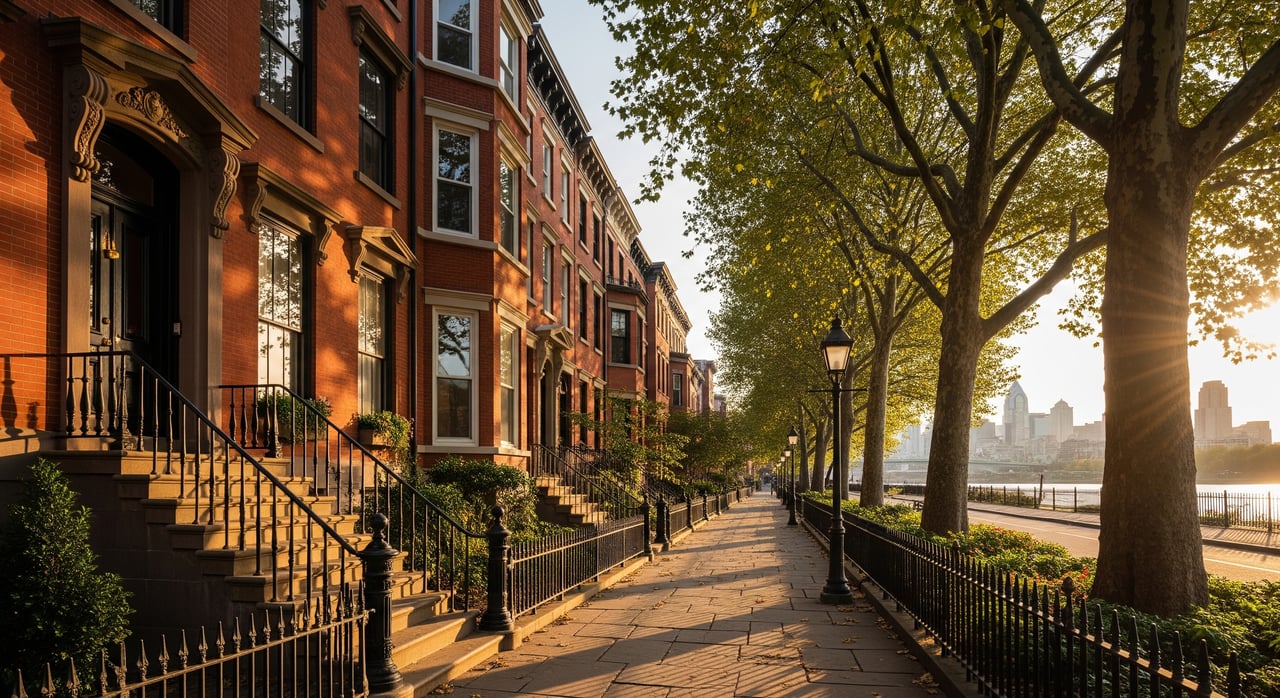
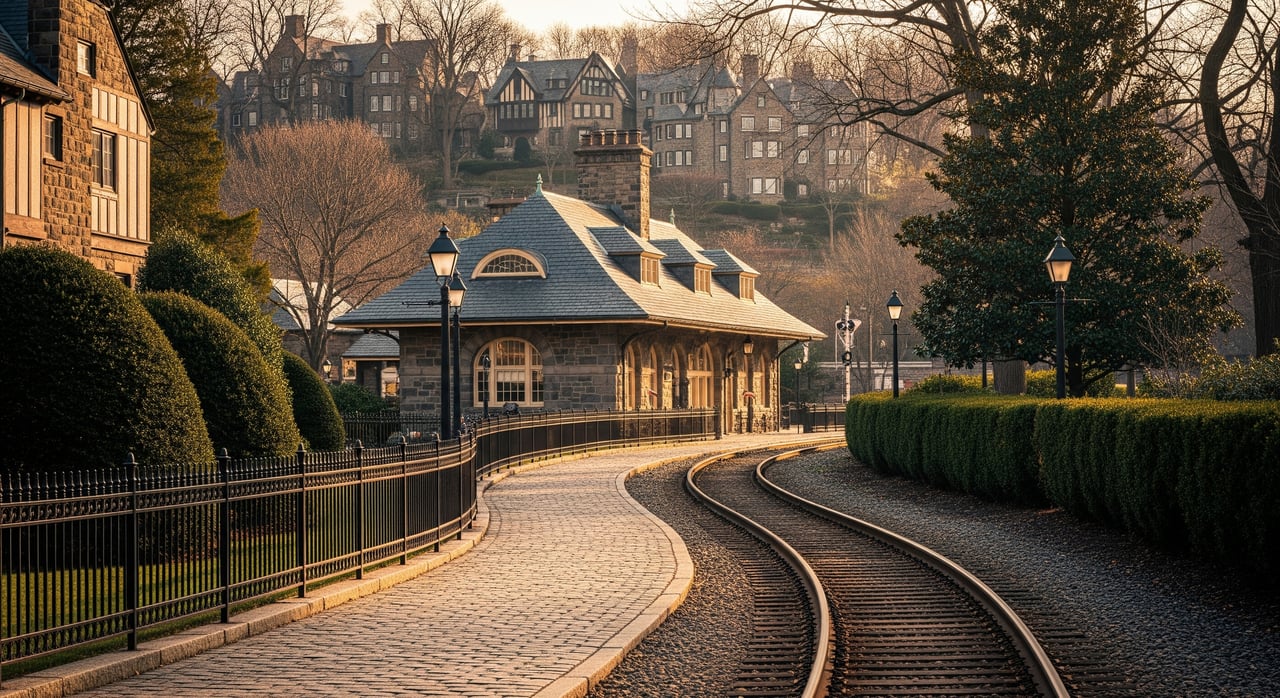
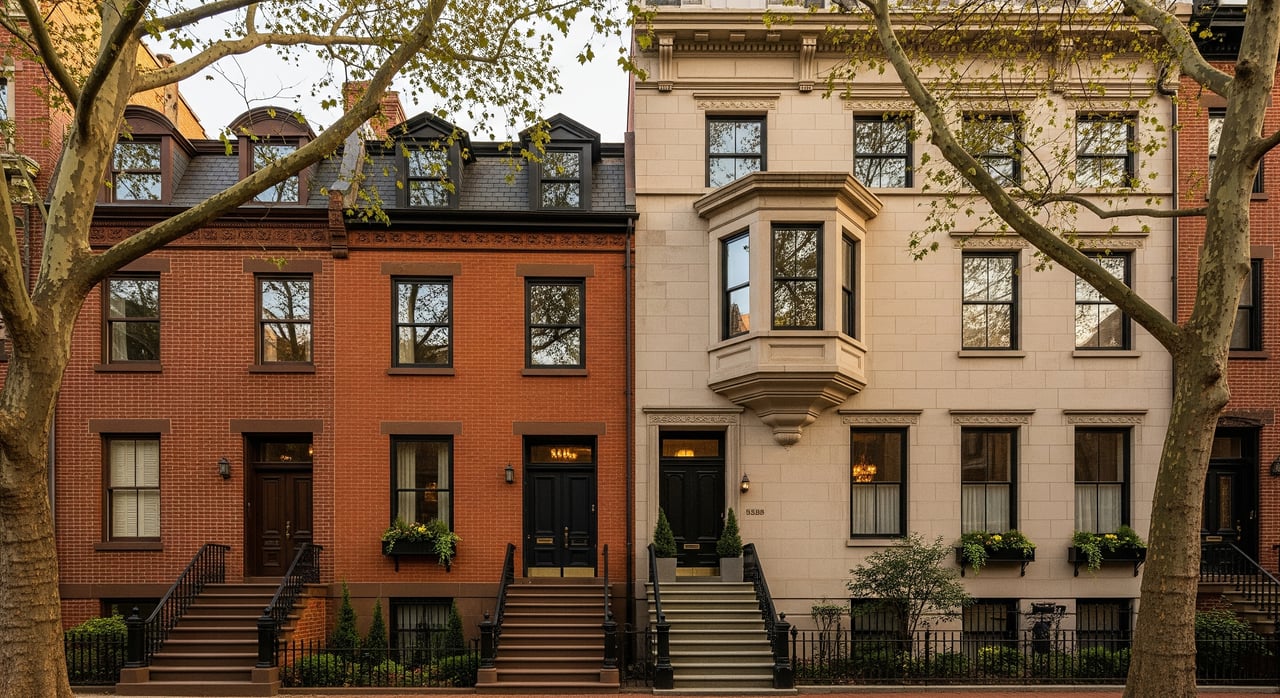
Chestnut Hill has a distinct visual identity, and buyers notice it right away. Much of the neighborhood sits within the Chestnut Hill Historic District, which includes more than 2,600 buildings dating from 1744 to the present, according to the Chestnut Hill Conservancy.
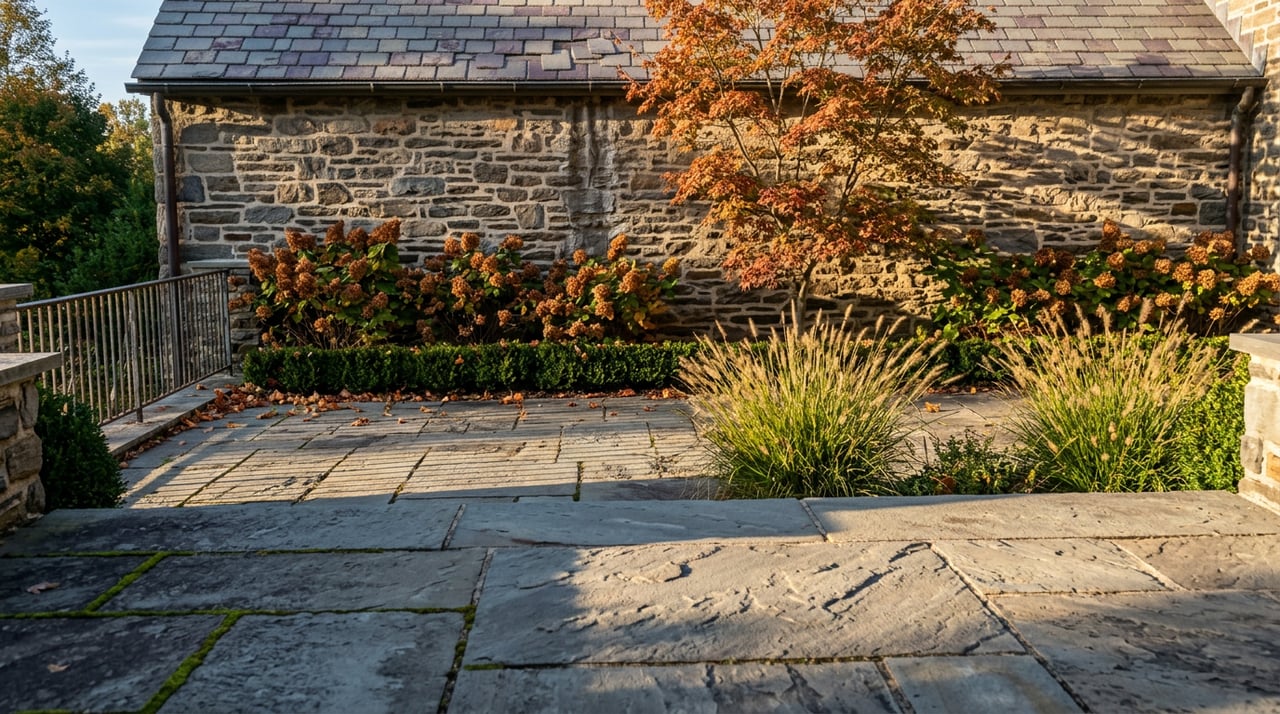
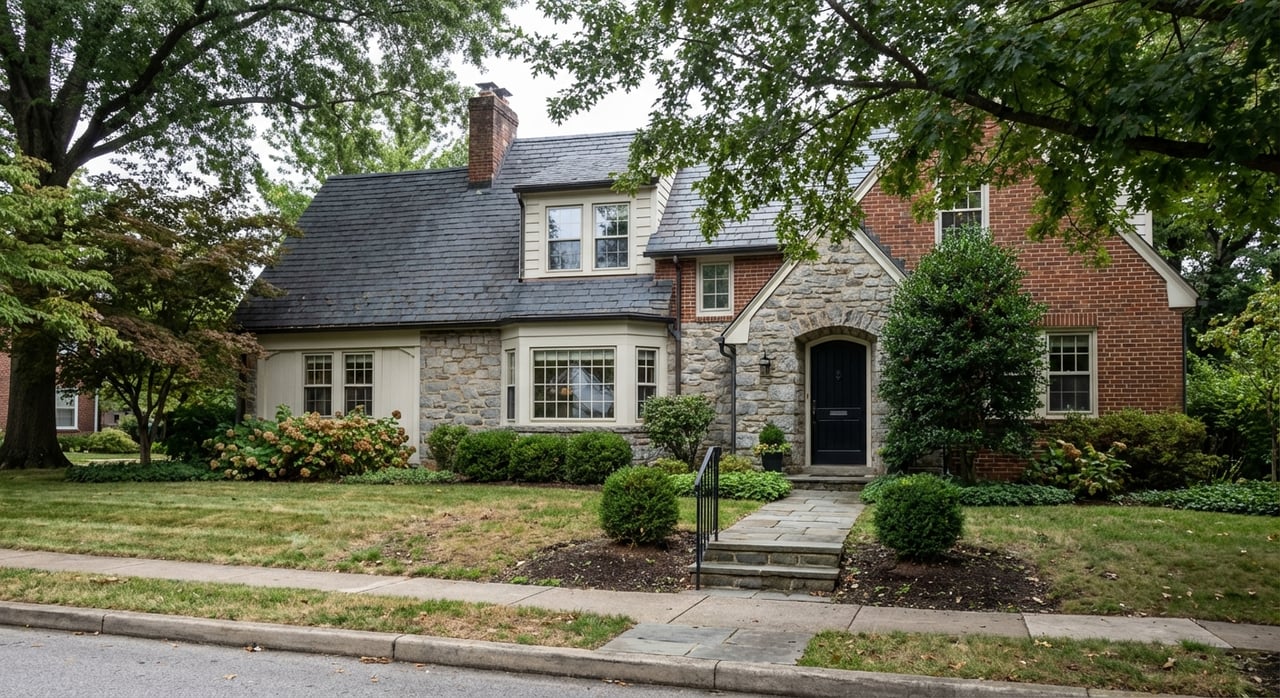
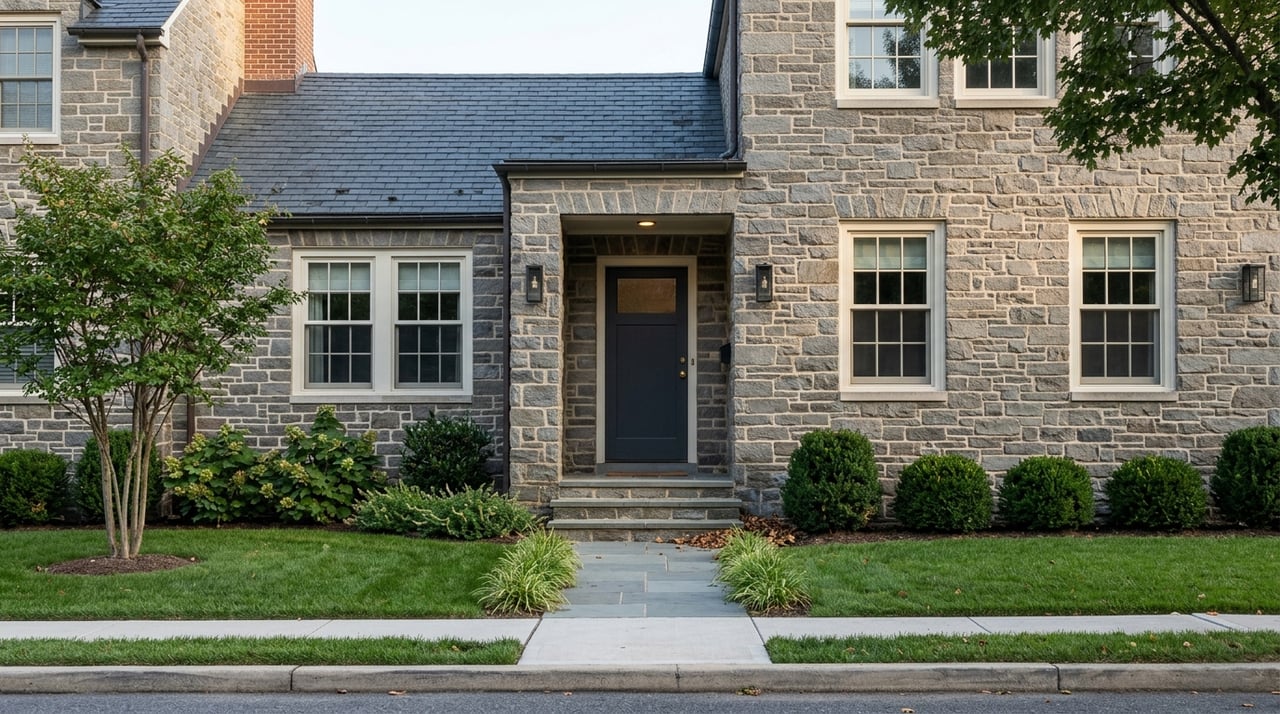
That historic setting shapes buyer expectations. The neighborhood’s long-standing “Wissahickon Style” is tied to native plants, Wissahickon schist, fieldstone, stone walls, and landscape features that create a rooted, consistent look.
For many sellers, the key property type is the stone twin or semi-detached home. Housing history in Chestnut Hill shows that these homes became an important part of the neighborhood’s development, and buyers today are often comfortable with homes that blend original details with thoughtful updates.
Preserve character before you modernize
If you own a Chestnut Hill stone home, the first goal is usually not to make it look brand new. In this market, buyers are often looking for authenticity, visible craftsmanship, and a sense of place.
That is why a preserve-first approach makes sense. Stone, brick, and mortar are not just surface materials here. They are part of the home’s identity and part of what buyers believe they are paying for.
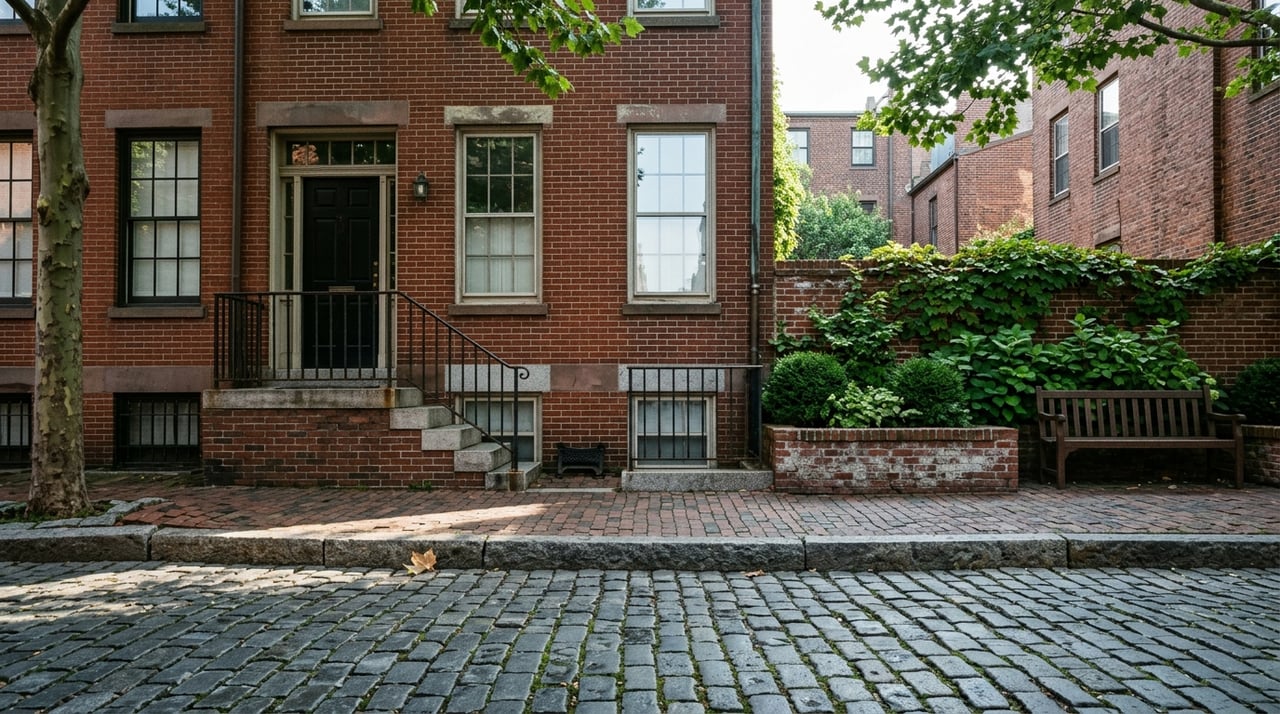
National Park Service guidance for historic masonry recommends preserving character-defining masonry features, cleaning only when necessary, and avoiding abrasive methods like sandblasting or high-pressure water. It also recommends repointing with mortar that matches the original in strength, composition, color, texture, and joint profile.
The same thinking applies to windows and exterior trim. Historic features should be repaired when possible, and if replacement is necessary, the new feature should match the old in design, color, texture, and, where possible, materials.
Simple performance upgrades may help without changing the look of the home. Weatherstripping and storm windows can improve comfort while keeping original character in place.
Check historic status before exterior work
Before you make visible exterior changes, confirm whether your property is on the Philadelphia Register of Historic Places. If it is, the City of Philadelphia requires Historical Commission approval before certain work can move forward.
That review often focuses on facades, roofs, and other exterior features visible to the public. In practical terms, that means front-facing changes may require more caution than a typical pre-listing cosmetic update.
This step matters because the wrong project can cost time, money, and momentum. If you are preparing to sell, it is smart to sort out what needs repair, what needs approval, and what can simply be cleaned, staged, or refreshed.
Focus on the most defensible updates
The best pre-listing projects usually make your home feel cared for, not reinvented. In a place like Chestnut Hill, buyers often respond better to a cohesive refresh than to a heavy-handed redesign that strips away original details.
Recent remodeling research points to a few practical priorities before selling. REALTORS® most often recommended painting the entire home, painting a room, and replacing the roof when needed.
The same report found strong buyer demand for kitchen upgrades, new roofing, and bathroom renovations. That does not mean every seller should take on a full renovation, but it does suggest that visible condition and functionality matter.
For many long-time owners, the sweet spot is a strategic middle ground. Address deferred maintenance, improve dated finishes that stand out in photos, and keep the home’s historic bones intact.
Smart pre-listing priorities
- Repair damaged stonework and mortar with compatible materials
- Refresh paint where walls, trim, or ceilings show wear
- Fix roof issues, gutter problems, or visible drainage concerns
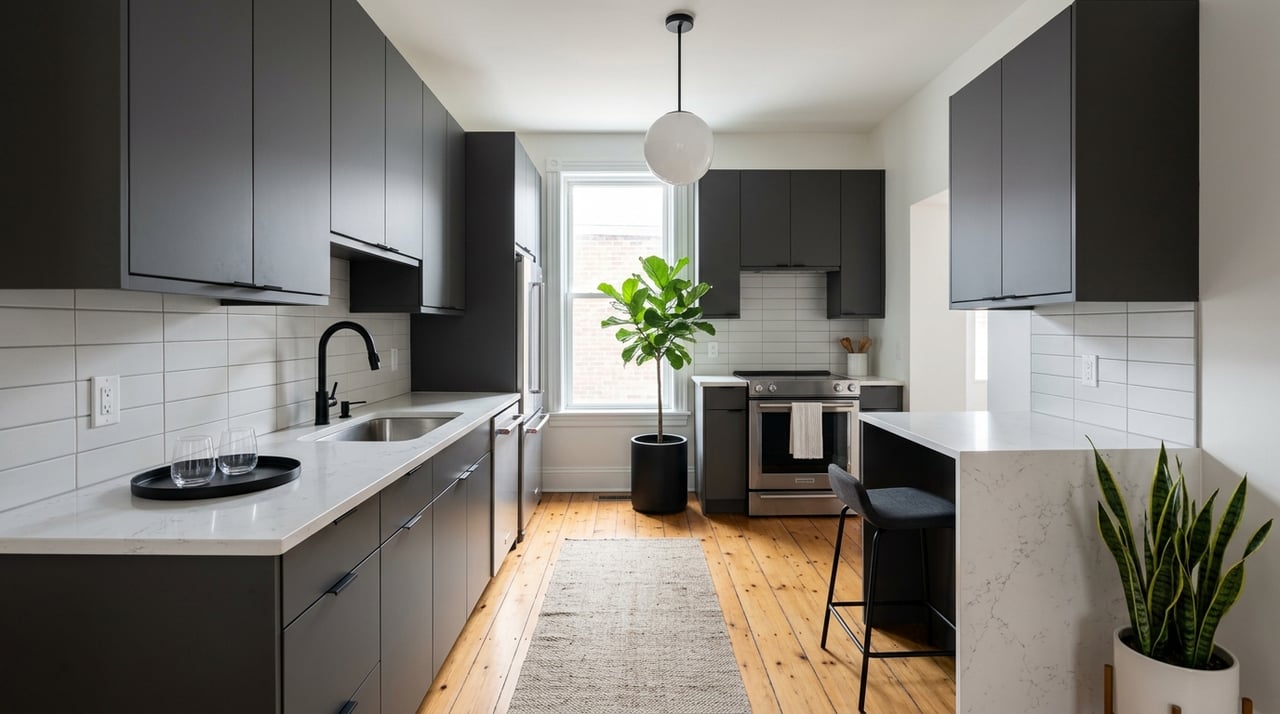
- Improve kitchens and baths with light-touch updates if they feel tired
- Repair original windows, trim, and porch details where possible
- Replace overly worn fixtures or finishes that distract buyers
Presentation matters more than pretending it is new
Today’s buyers are often less willing to overlook condition issues. That means clutter, grime, worn surfaces, and unfinished repairs can hurt more than a home simply being older.
Staging research supports that idea. Sellers’ agents most often recommend decluttering, whole-home cleaning, and curb appeal improvements, and staging often helps reduce time on market.
For a Chestnut Hill stone home, that is especially important. Buyers do not need every room to feel ultra-modern, but they do want the home to feel clean, coherent, and easy to understand.
Your goal is not to erase age. Your goal is to show that the home has been respected, maintained, and thoughtfully prepared for its next owner.
What buyers notice right away
- Clear, open rooms without excess furniture
- Clean floors, windows, and surfaces
- Fresh-smelling interiors
- Repaired trim, doors, and hardware
- Consistent lighting and welcoming photography
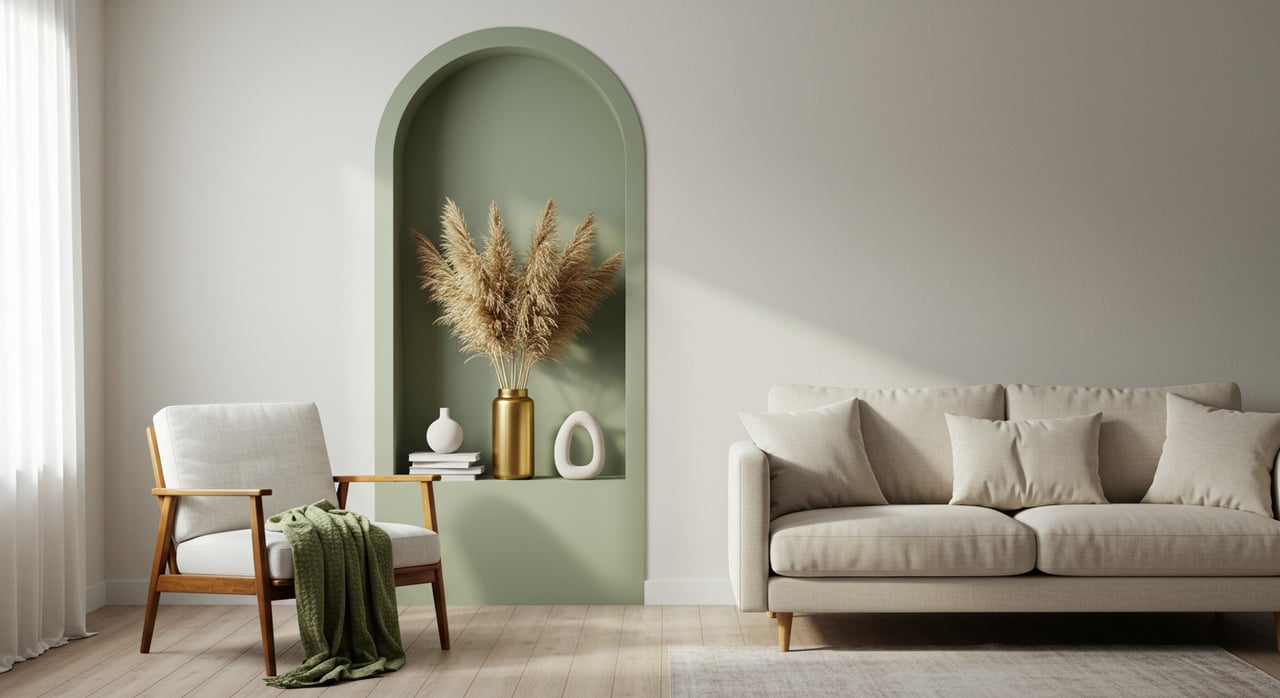
- A home that feels move-in ready, even if it is not newly renovated
Outdoor space carries real weight
In Chestnut Hill, outdoor space is not a side note. The neighborhood’s identity is deeply tied to its landscape, and buyers often expect the exterior to feel as intentional as the house itself.
The American Planning Association notes that Chestnut Hill’s character is shaped by indigenous plants, stone walls, fences, and ornamental landscape elements. It also describes the area as Philadelphia’s Garden District.
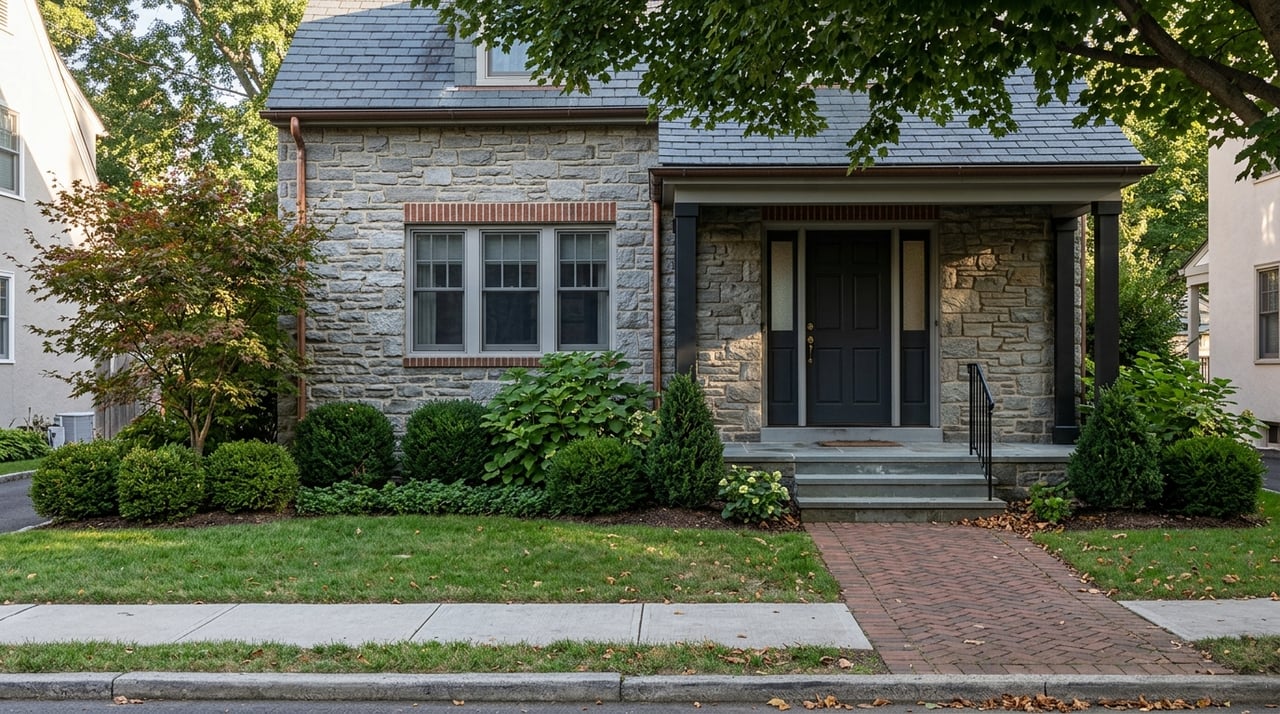
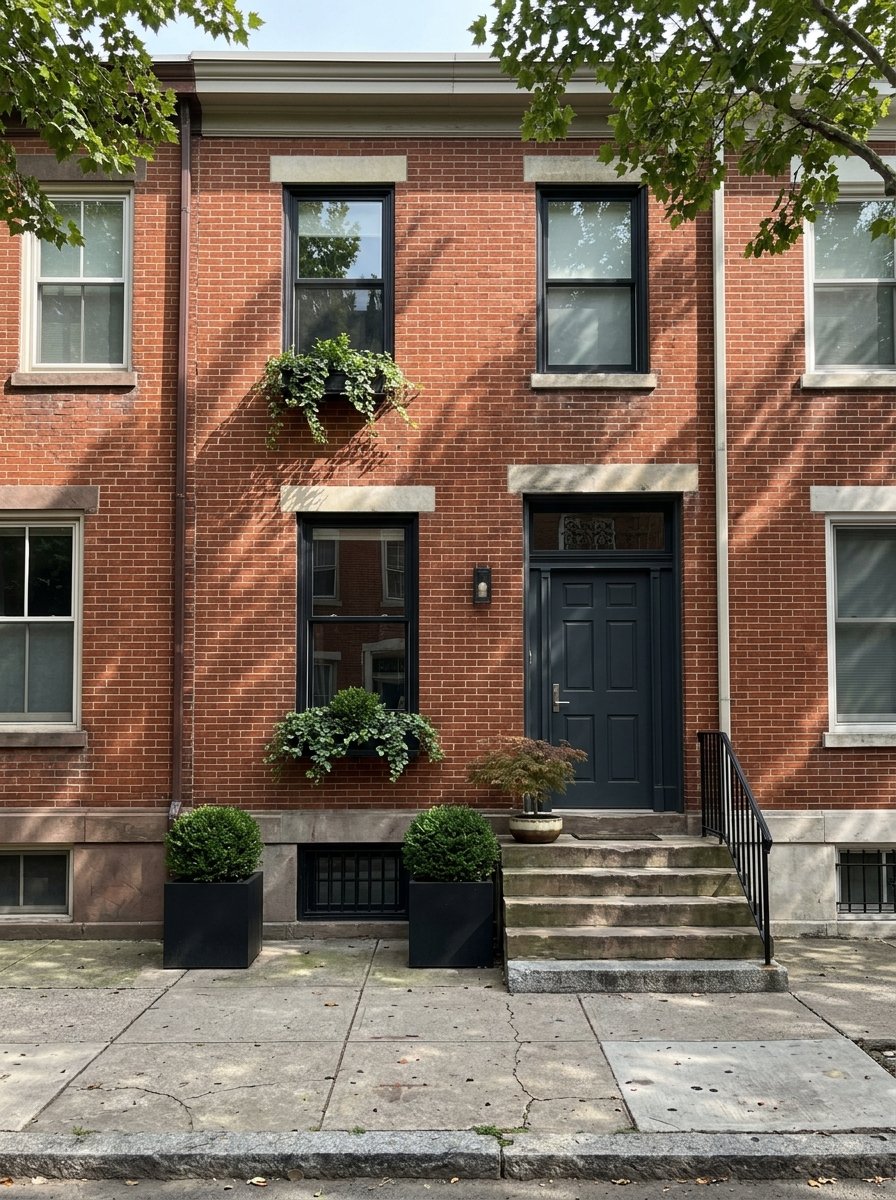
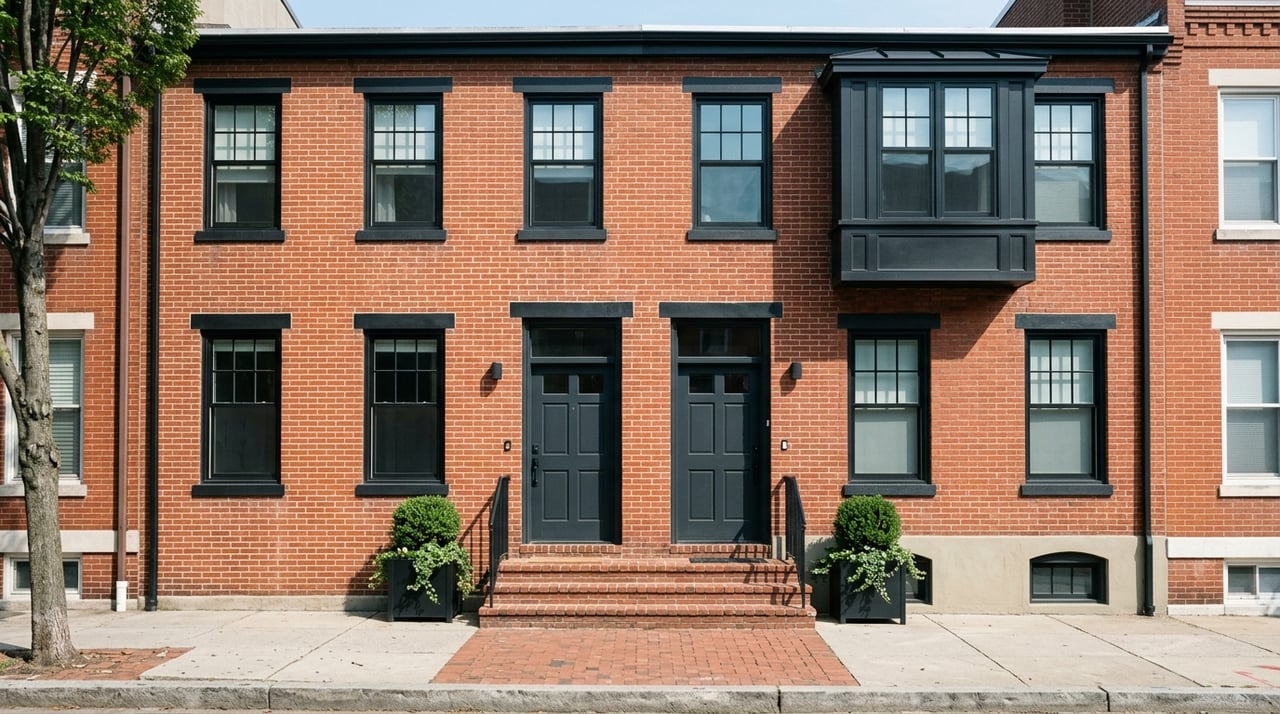
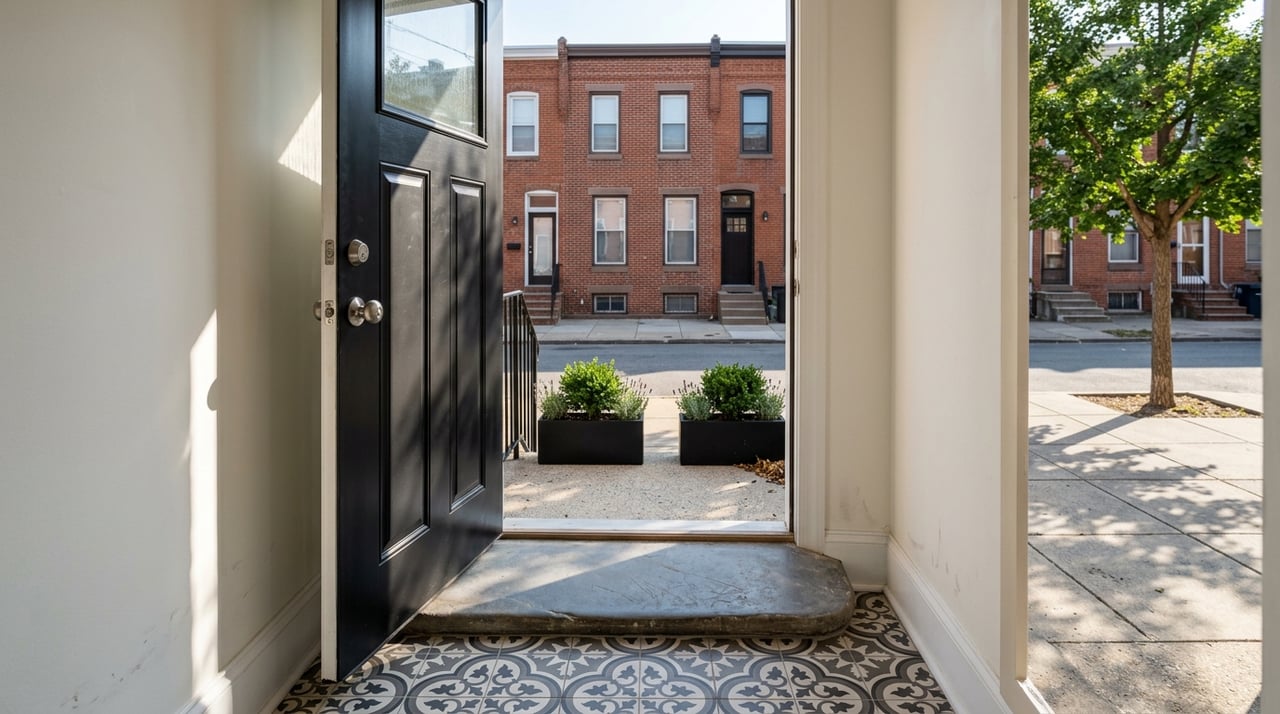
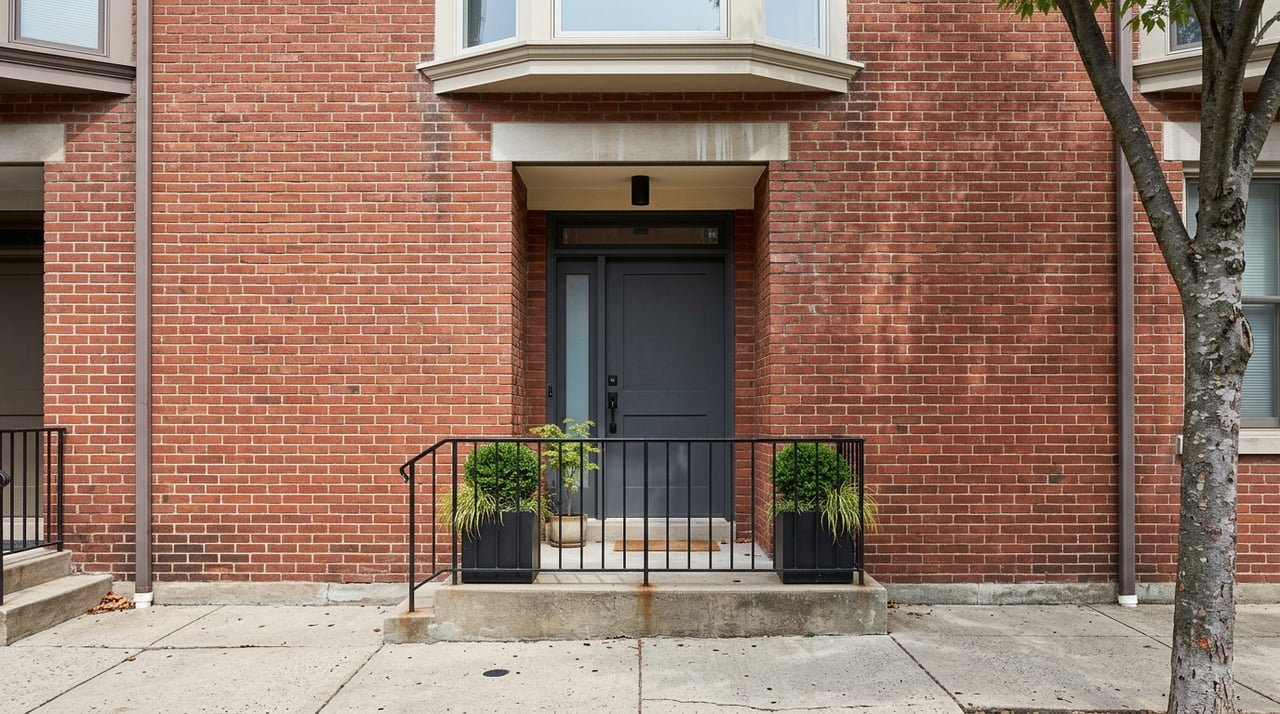
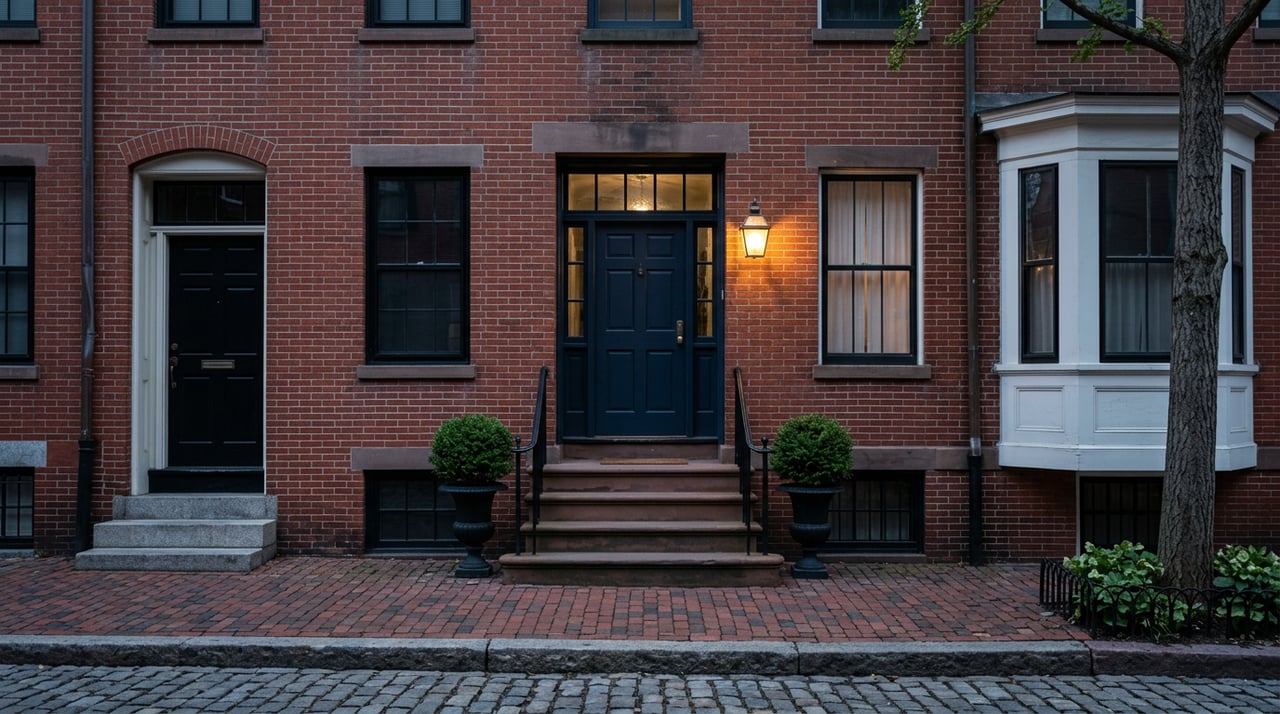
That means curb appeal is not just about looks. A repaired stone wall, healthy planting beds, a tidy front walk, and a balanced entry sequence all help reinforce the kind of setting buyers expect here.
National real estate data supports this focus. Buyers have shown rising interest in features like patios, yards, gardens, views, and fenced outdoor space, while curb appeal remains one of the most commonly recommended seller improvements.
Outdoor upgrades worth doing first
- Clean and edge the front walk
- Repair loose stone, steps, or visible trip hazards
- Trim overgrowth and remove dead plant material
- Refresh foundation plantings with a simple, maintained look
- Check exterior lighting for function and appearance
- Clean gutters and correct visible drainage issues
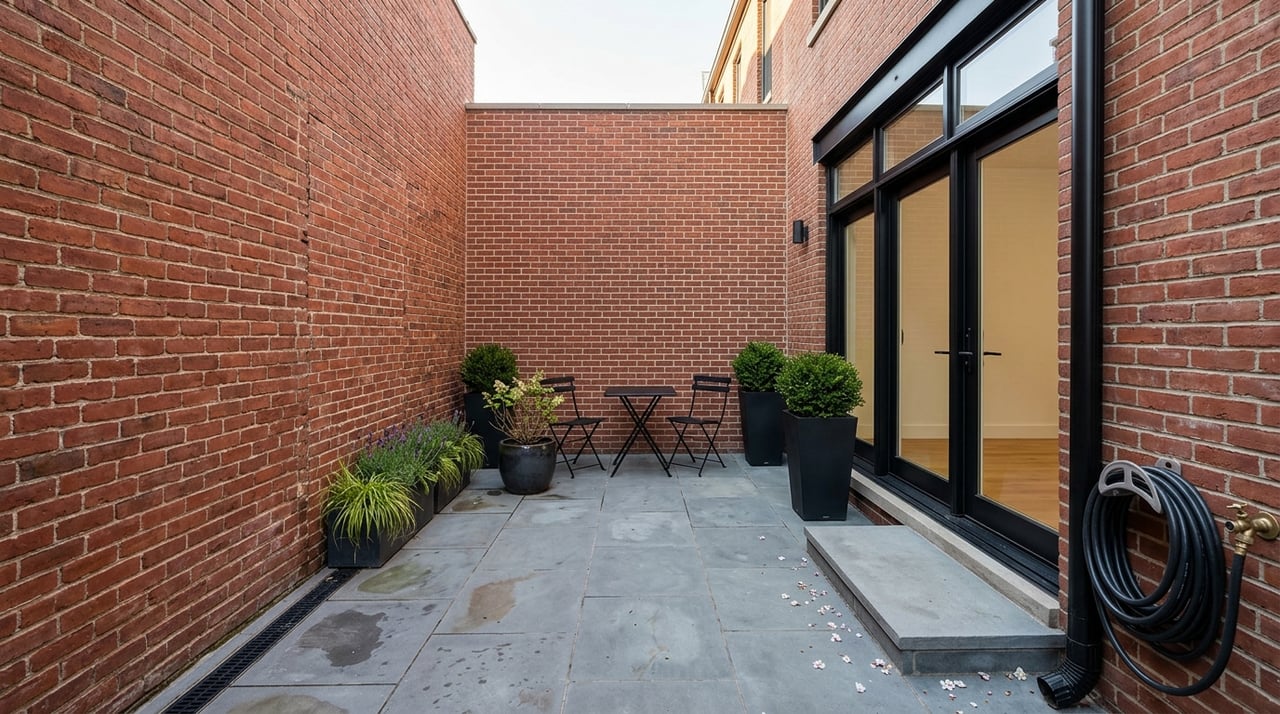
- Make porches, terraces, or patios feel usable and inviting
Blend old and new carefully
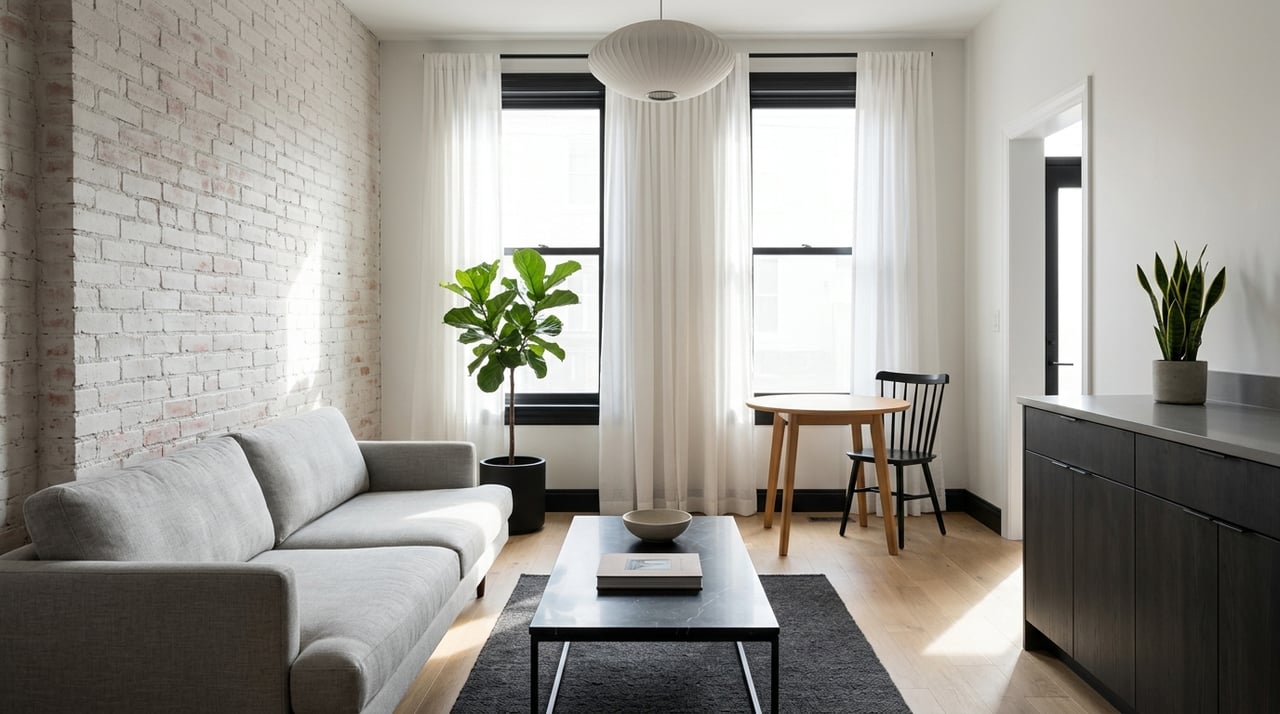
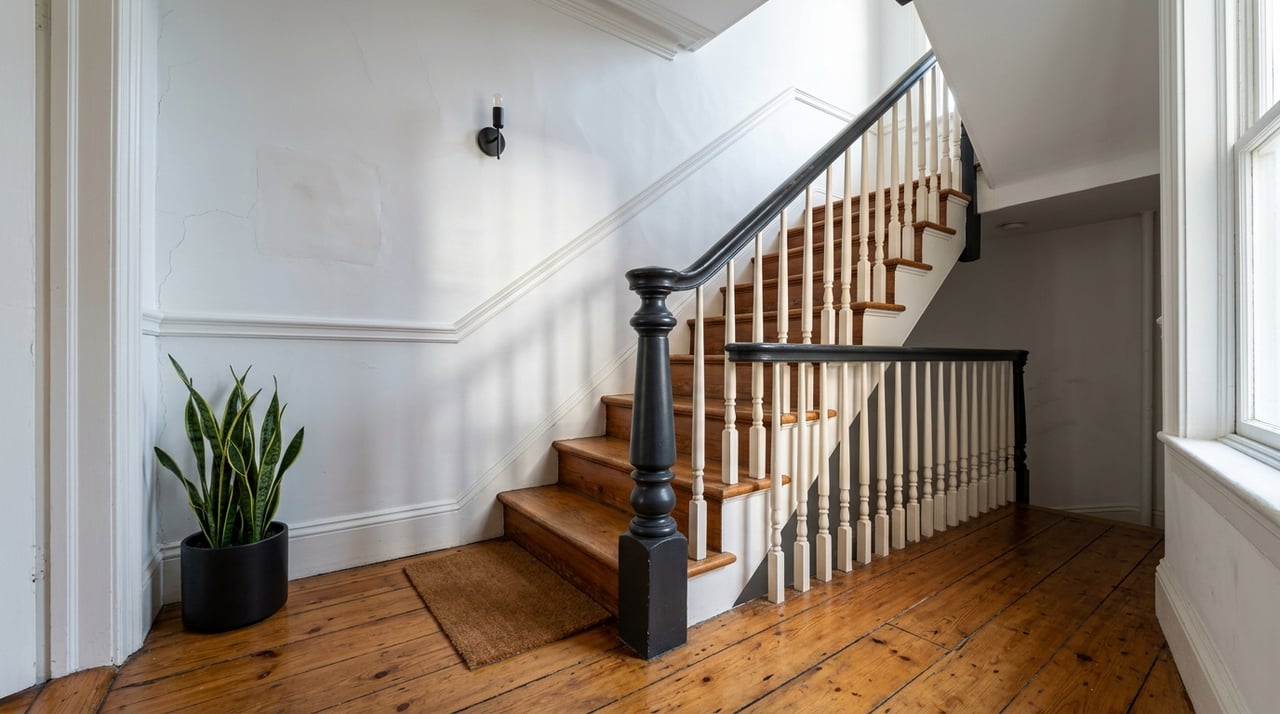
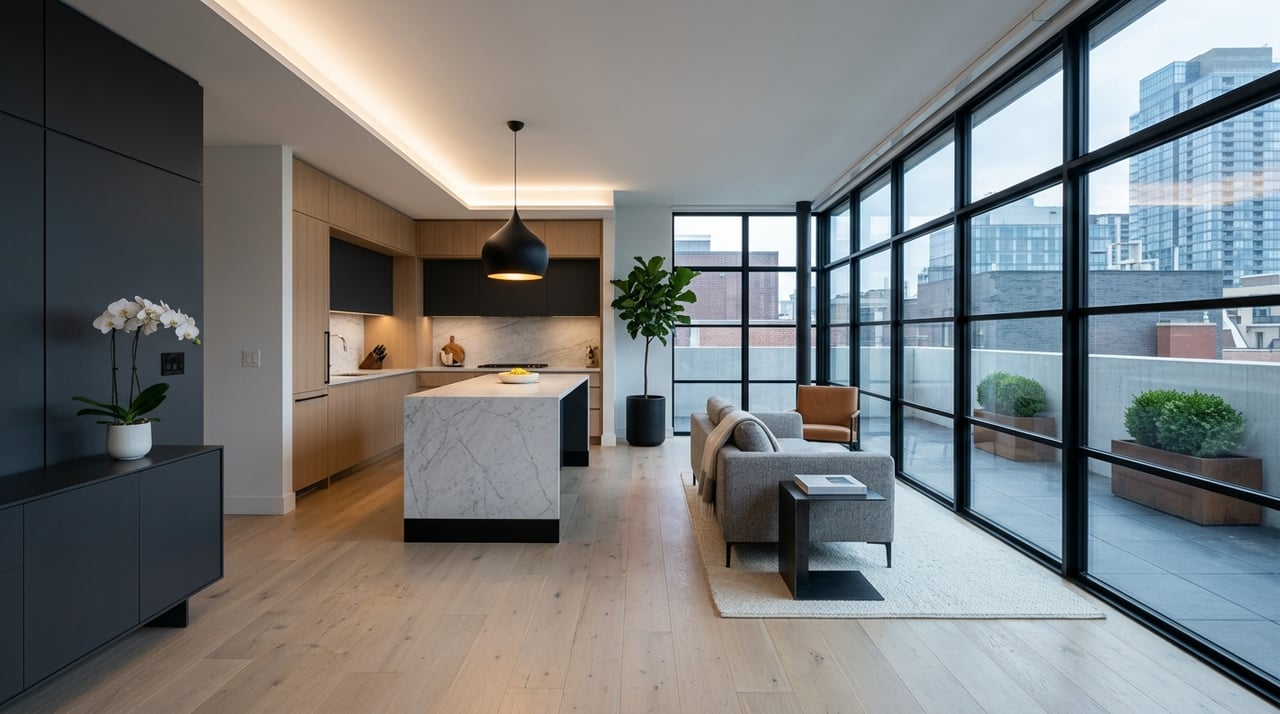
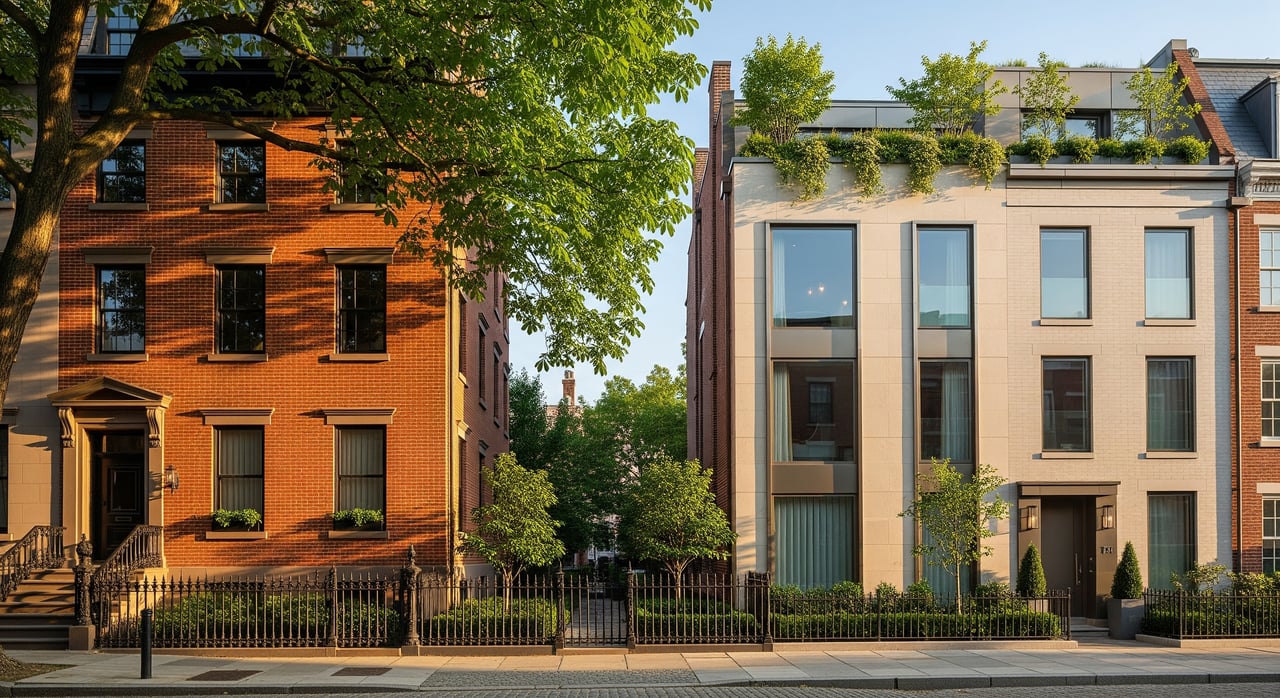
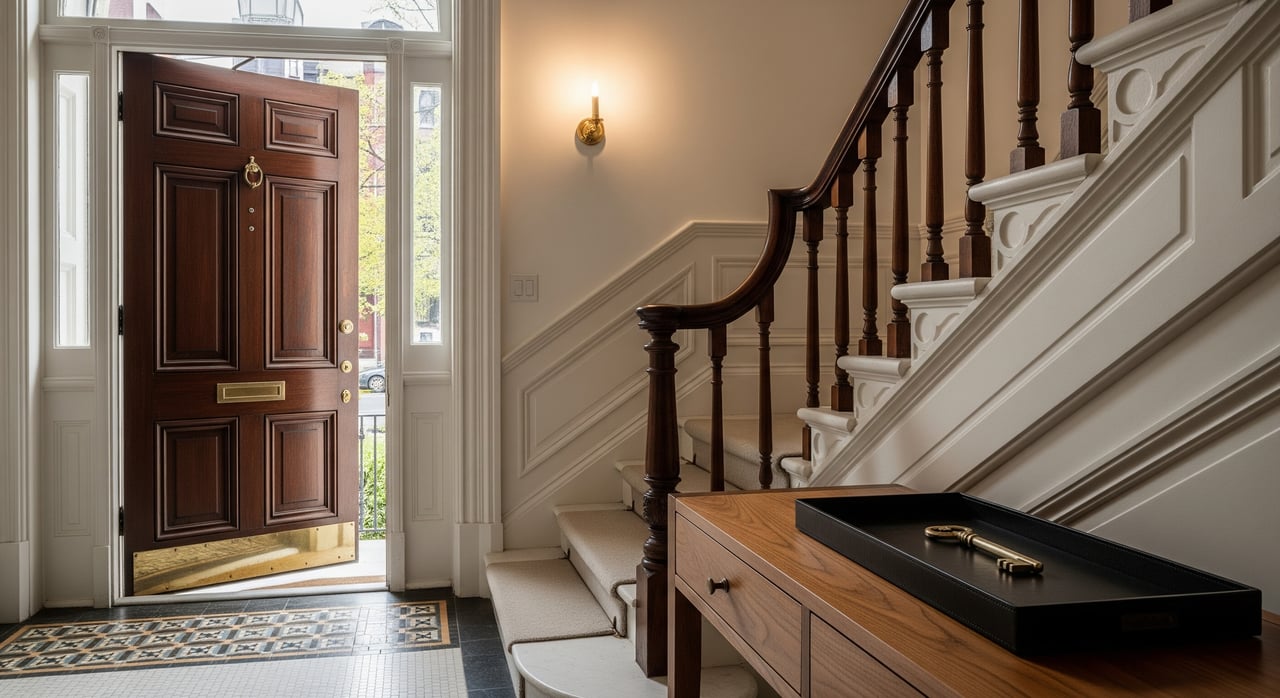
One strong model for Chestnut Hill homes is a preserved historic core paired with livable updates. Buyers often respond well when original millwork, fireplaces, stonework, or French doors remain intact, while kitchens, baths, and outdoor spaces feel functional for modern life.
That balance matters. If the house feels frozen in time, buyers may worry about the work ahead. If it feels overly remodeled, you can lose the charm that made the home stand out in the first place.
A better strategy is selective modernization. Keep what gives the home its identity, then improve the spaces that most affect daily use and first impressions.
What the current market suggests
Recent market snapshots point to a high-value, active Chestnut Hill market, even though the numbers vary by platform. Redfin reported a March 2026 median sale price of about $1.025 million, a median of 28 days on market, and 40% of homes selling above list price.
Other sources showed different figures, including a higher median listing price on Realtor.com and a lower home-value estimate on Zillow. While those numbers are not directly comparable, they point to a market where pricing, presentation, and condition still matter.
That is an important takeaway if you have owned your home for years. You do not need to chase every trend, but you do need to show buyers that the home has been maintained and positioned well.
A practical plan before listing
If you are preparing a Chestnut Hill stone home for sale, try to think in this order: preserve, repair, refresh, then present. That sequence helps you protect value without overspending on the wrong projects.
Start with masonry, roofing, drainage, and any obvious deferred maintenance. Then look at paint, lighting, kitchens, baths, and staging choices that will shape buyer perception online and in person.
Finally, give the landscape the same attention you give the interior. In Chestnut Hill, the front walk, stonework, plantings, and entry experience are part of the home’s story.
A well-prepared stone home does not need to look new to compete. It needs to feel honest, cared for, and ready for its next chapter.
If you are thinking about selling in Chestnut Hill, working with a local agent who understands both buyer expectations and historic neighborhood context can make the prep process much clearer. For tailored advice on what to fix, what to leave alone, and how to position your home for today’s market, connect with Connor Gorman.
FAQs
What updates matter most before listing a Chestnut Hill stone home?
- The most defensible updates are usually repairs to stonework, roofing, gutters, paint, dated finishes, and presentation items like decluttering, cleaning, and curb appeal.
Should you replace original windows in a Chestnut Hill historic home?
- Not automatically. Historic guidance recommends repairing original windows first when possible, with replacement typically reserved for severe deterioration.
Do Chestnut Hill buyers want fully modernized interiors?
- Not always. Many buyers are drawn to homes that preserve original character while offering functional kitchens, baths, and well-maintained living spaces.
Does outdoor space affect the sale of a Chestnut Hill home?
- Yes. In Chestnut Hill, landscaping, stone walls, entry sequence, patios, and general curb appeal can strongly influence how buyers respond to a property.
Do you need approval for exterior work on a historic property in Philadelphia?
- If the property is on the Philadelphia Register of Historic Places, exterior work may require approval from the Philadelphia Historical Commission before the project begins.