Selling a Graduate Hospital rowhome is not the same as selling a typical Philadelphia home. In this neighborhood, buyers are often comparing charming older homes, polished renovations, and newer construction all at once. If you want to stand out, timing, presentation, and pricing need to work together. This guide will show you how to plan your listing, prep your home, and price it with the current Graduate Hospital market in mind. Let’s dive in.
Why Graduate Hospital requires a focused strategy
Graduate Hospital sits in a premium slice of Philadelphia, with a housing market that trades well above the city overall. In March 2026, Redfin reported a median sale price of $633,300 in the neighborhood, while Zillow’s citywide typical Philadelphia home value was $231,815.
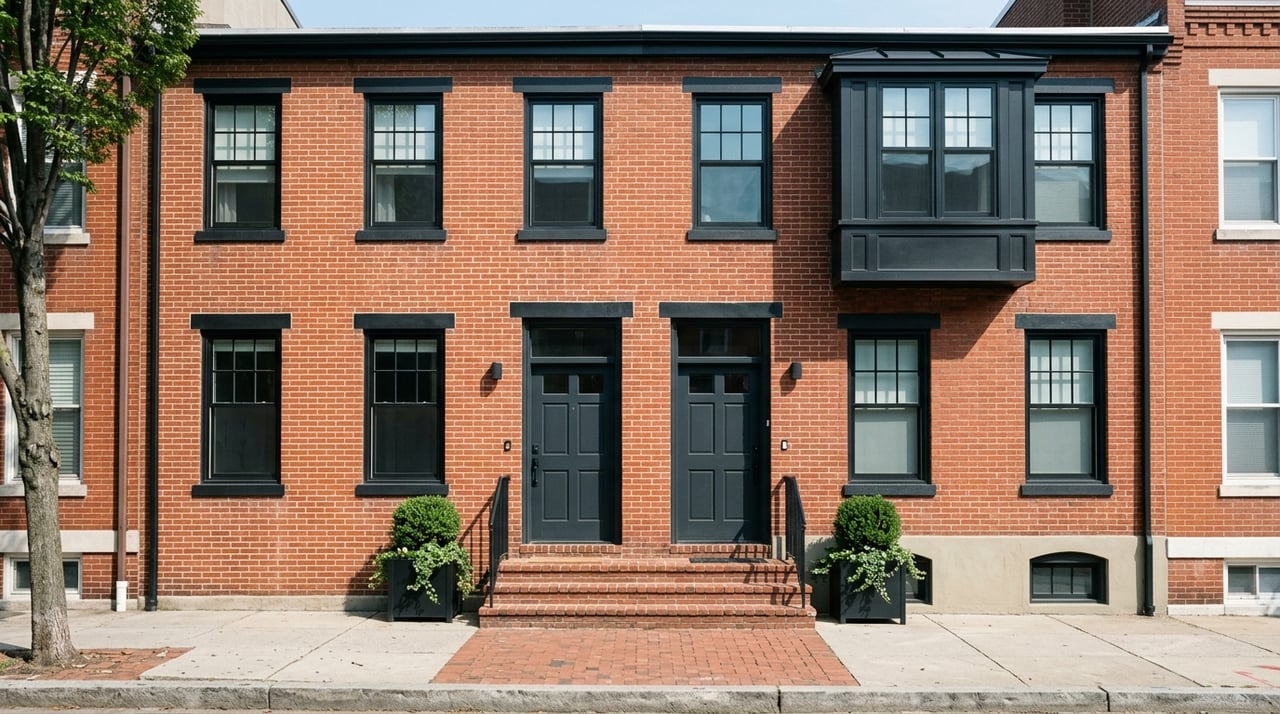
That gap matters because buyers here are not pricing your home against Philadelphia as a whole. They are comparing it against other Graduate Hospital rowhomes, nearby renovated properties, and homes that may feel closer to new construction in finish and presentation.
The neighborhood market is also nuanced. Redfin described Graduate Hospital as somewhat competitive, with homes selling after a median of 75 days in March 2026 and a median sale-to-list ratio of about 98.2%.
Over Redfin’s most recent three-month view, homes were going pending in roughly 55 days and selling about 1% below list on average. Hot homes could still go around list and go pending in about 24 days, which tells you that the right house at the right price can still move quickly.
Best time to list a rowhome
If you have flexibility, late spring is the window to watch. Zillow’s latest metro analysis says the best time to list in Philadelphia is the last two weeks of May, when sellers may see a 1.9% premium, or about $7,500 on a typical sale.
Zillow also points to March through July as a strong seasonal stretch, with Thursday standing out as the best day of the week to launch a listing. That does not mean every seller should wait until May, but it does mean your prep timeline should be built backward from that target.
If your goal is a late-May launch, the work should start in winter or early spring. Waiting until a few weeks before photos can create unnecessary stress and can limit your options if repairs, paperwork, or touch-ups take longer than expected.
Build your timeline backward
A clean listing launch usually starts months before your home goes live. In Philadelphia, sellers need a Property Sales Certification, and the city says processing takes five business days.
That certification includes zoning classification, last established use, and any uncorrected violations. If something needs attention, you want to know early, not during the final week before your listing hits the market.
For many sellers, a practical timeline looks like this:
- 3 to 6 months out: walk through the home with your agent, identify repairs, and decide what is worth updating
- 2 to 4 months out: complete painting, roof-related work, minor bath or kitchen improvements, and outdoor cleanup
- 1 to 2 months out: request the Property Sales Certification, confirm any permit-related questions, and schedule photography
- Listing week: launch with polished photos, complete property details, and a pricing strategy tied to current competition
What buyers notice first
Most buyers begin online, and that shapes how your home should be prepared. NAR’s 2025 buyer and seller report says the first step for buyers is to look online for properties, and 83% of internet users said photos were the most useful website feature.
Detailed property information and floor plans also ranked highly. In a neighborhood like Graduate Hospital, where many homes have similar exterior forms, your online presentation often does the early selling before a showing is ever scheduled.
Condition matters too. NAR found that 46% of home buyers are less willing to compromise on the condition of the home, which is a big signal for sellers with older rowhomes.
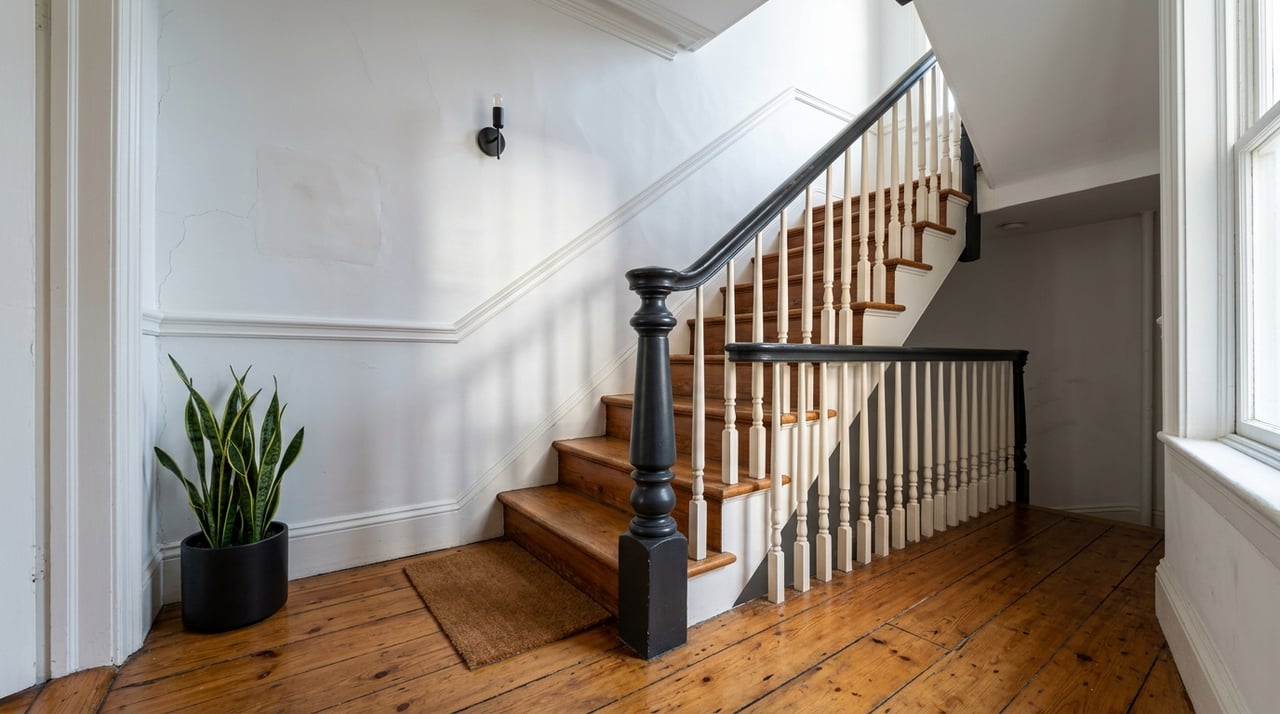
Buyers may still appreciate original character, but they also want signs that the home has been cared for. Clean finishes, strong maintenance, and a move-in-ready feel can help your property compete more effectively.
Prep priorities before listing
You do not need to fully reinvent your rowhome before you sell. In most cases, the goal is to make the home feel well-maintained, bright, and easy for buyers to understand.
The most effective pre-listing updates are usually visible, practical improvements rather than highly personalized projects. NAR’s Remodeling Impact Report points to strong demand gains for kitchen upgrades, new roofing, and bathroom renovation.
It also notes that agents most often recommend painting the entire home, painting one room, and new roofing before listing. For a Graduate Hospital seller, that is a strong case for focusing on high-confidence projects with broad appeal.
Start with paint, maintenance, and function
Fresh paint can make a rowhome feel cleaner, brighter, and more cohesive in photos. It is also one of the easier ways to reduce visual distractions and help buyers focus on the layout and features.
If your roof has visible age or known issues, address that early. Roofing stood out in the remodeling research, and buyers tend to see roof condition as both a cost issue and a maintenance signal.
Bathrooms and kitchens also deserve a close look. You may not need a full renovation, but dated fixtures, worn caulk, damaged cabinet fronts, and poor lighting can make the home feel older than it is.
Keep improvements broad, not personal
Graduate Hospital buyers often respond best to clean, usable spaces that feel current. Highly specific design choices or expensive niche upgrades may not help you as much as simple, neutral improvements.
In this market, sellers usually get better results by spending on:
- whole-home paint or targeted repainting
- basic kitchen refreshes
- bathroom touch-ups or updates
- roof repair or replacement where needed
- lighting improvements
- flooring repairs or refinishing
- deep cleaning and decluttering
Small outdoor spaces still help sell
Outdoor space can carry more weight than many sellers expect, especially in a rowhome neighborhood. NAR reports that 97% of its members believe curb appeal is important in attracting a buyer, and 98% believe it matters to potential buyers.
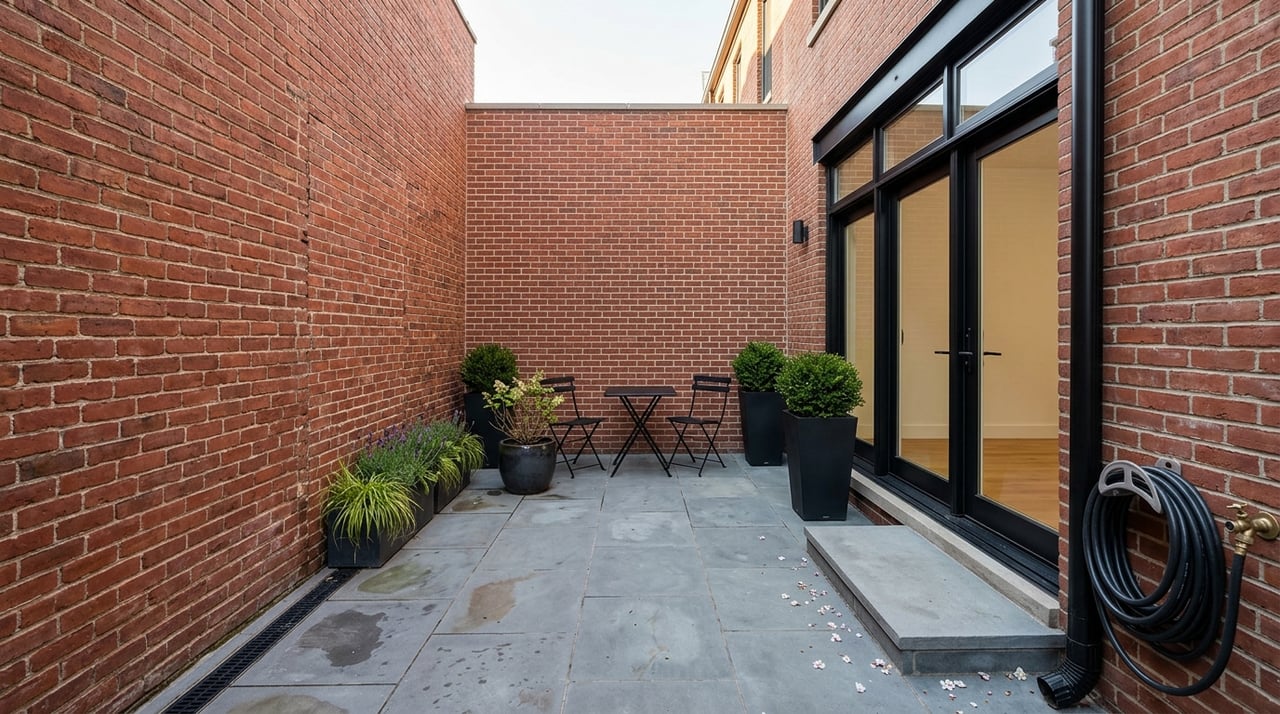
That does not mean you need a major backyard project. For most Graduate Hospital patios or rear yards, the best move is to make the space feel finished, clean, and usable.
A small outdoor area photographs well when it looks intentional. Buyers often read that as a sign the rest of the property has been maintained with the same care.
What to do before photos
Before photography and showings, focus on simplicity. A tidy, defined outdoor area usually performs better than an overdesigned one.
Try this checklist:
- remove stored items, bins, and excess furniture
- create one clear seating area
- add simple planters or greenery
- clean hardscape surfaces
- improve lighting if possible
- highlight privacy features or usable patio space
Zillow’s feature study found that some outdoor features can command premiums, but those features should be viewed as signals of an otherwise appealing home, not as projects to install solely for resale. In other words, work with the space you have and present it well.
Handle permits and certifications early
If you are thinking about exterior work before listing, timing matters. Philadelphia says EZ permits can cover some projects without plans, including certain residential decks up to 216 square feet and some roof covering replacement, though roof decks are excluded.
Those rules are specific, and not every project qualifies. The city also notes design and location limits, especially for decks.
Because the Property Sales Certification can take five business days and some no-plan permits may also take about five business days, it is smart to handle these items early. Waiting until the final month can create avoidable delays or surface old issues when you have less room to react.
How to price a Graduate Hospital rowhome
Pricing is where many sellers either create momentum or lose it. In Graduate Hospital, there is real variation from one rowhome to the next, so pricing should reflect your home’s size, condition, finish level, and how it compares to nearby alternatives.
Redfin’s March 2026 examples show a wide spread. A 2-bed, 1-bath home sold for $460,000, a 2-bed, 2-bath sold for $655,000, a 3-bed, 3.5-bath sold for $820,000, and a 3-bed, 4-bath sold for $921,000.
That range shows why pricing by neighborhood name alone can be misleading. Graduate Hospital is not a one-price market.
Use the current market band, not a city average
Realtor.com’s current snapshot showed 131 homes for sale in Graduate Hospital with a median asking price of $662,000. That sits fairly close to Redfin’s median sale price of $633,300, but it also reinforces that asking prices and closed prices can vary meaningfully based on finish and property type.
For sellers, the main takeaway is simple: buyers are looking at the current neighborhood band, not the broader Philadelphia market. Using citywide averages to justify a list price can lead to overpricing or confusion.
Compete with newer product honestly
Graduate Hospital sellers are also competing with more than resale rowhomes. Center City District’s 2026 State of Center City reported a $2.14 billion development pipeline in Greater Center City, with 8,240 residential units completed or underway.
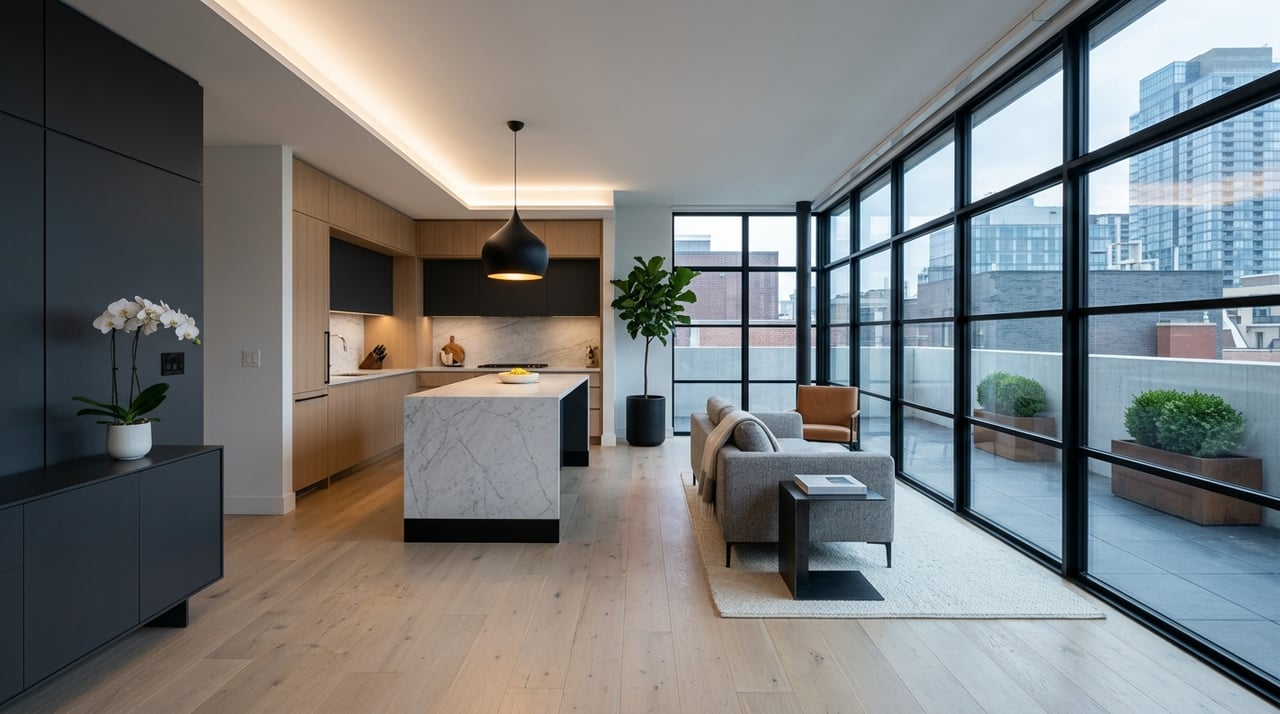
The report also noted that 2 million square feet of challenged office space is on a path to residential conversion. That means buyers may be comparing your home to newer product with modern finishes, cleaner systems, and stronger digital presentation.
If your rowhome has a refreshed kitchen, updated baths, polished outdoor space, and a strong photo package, you may be able to compete near the top of your pricing band. If it needs work or feels dated, a more conservative price often creates better early interest and a stronger path to a sale.
A smart listing plan for 2026
For many Graduate Hospital sellers, the strongest plan is straightforward. Aim for a late-spring launch if your timeline allows, begin prep well in advance, resolve city paperwork early, and invest in improvements buyers can see and value quickly.
Then price your home based on the current neighborhood reality, not wishful thinking. In a market where homes are often selling close to list and buyers are less willing to compromise on condition, precision matters.
If you are thinking about selling your Graduate Hospital rowhome, working with a local agent who understands Philadelphia micro-markets can help you make sharper decisions from day one. When you are ready for a tailored pricing and prep strategy, connect with Connor Gorman.
FAQs
When is the best time to list a Graduate Hospital rowhome?
- Zillow’s latest metro analysis says the best time to list in Philadelphia is the last two weeks of May, with March through July also standing out as a strong seasonal window.
How long do homes take to sell in Graduate Hospital?
- Redfin reported a median of 75 days to sell in March 2026, while its recent three-month tracker showed homes going pending in roughly 55 days on average, with hot homes moving faster.
What repairs matter most before listing a Philadelphia rowhome?
- Based on the research, sellers should focus first on visible, high-confidence items like paint, roof condition, kitchen updates, bathroom improvements, cleaning, and overall presentation.
Does outdoor space matter when selling a Graduate Hospital home?
- Yes. Even small patios or rear yards can help if they look clean, functional, and well-staged for photos and showings.
What city paperwork is needed to sell a Philadelphia home?
- Philadelphia requires a Property Sales Certification, and the city says processing takes five business days, so it is wise to request it early in your listing timeline.
How should I price my Graduate Hospital rowhome?
- The safest approach is to price against recent Graduate Hospital sales, active competition, and your home’s condition and finish level rather than against a generic Philadelphia average.