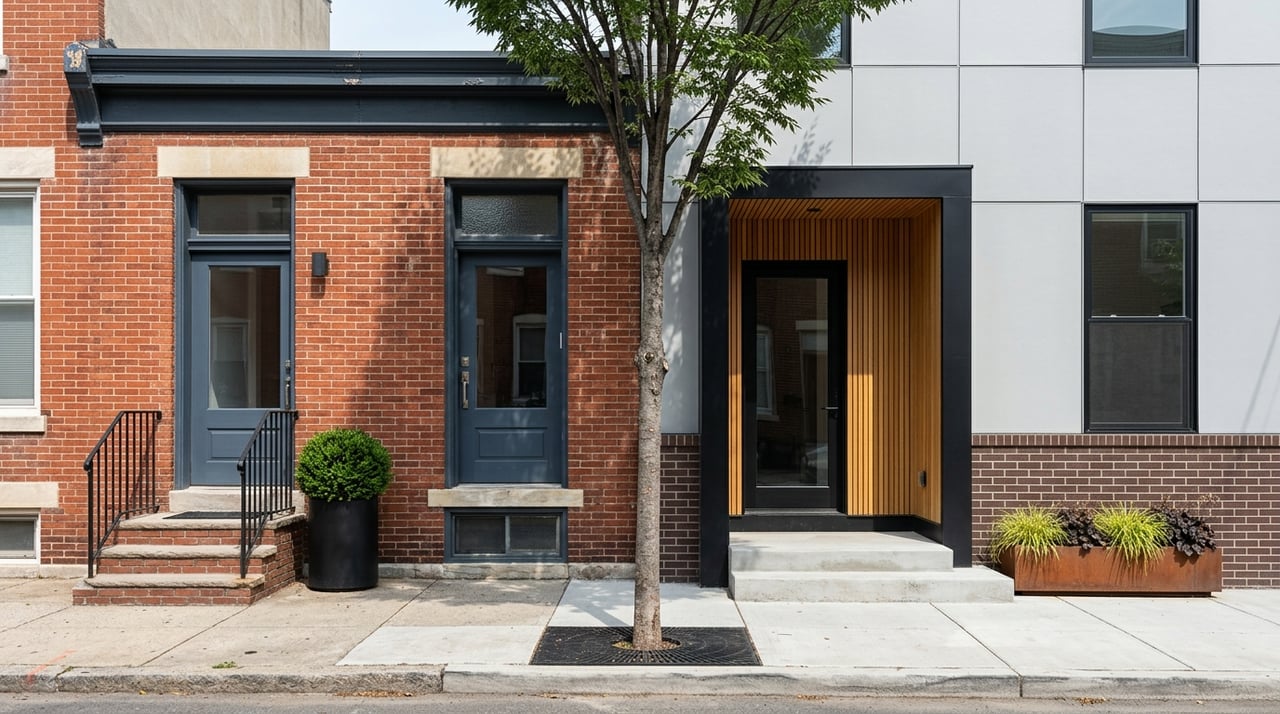
Trying to choose between a sleek new build and a classic Philadelphia rowhome in Fishtown? You are not alone. Many buyers love the idea of modern finishes and lower upfront maintenance, but they also feel drawn to the character and history that older homes can offer. The good news is that you do not have to guess your way through the decision. This guide will help you compare Fishtown new construction and historic rowhomes so you can focus on the home that fits your budget, priorities, and comfort level. Let’s dive in.
Why Fishtown Offers Both Options
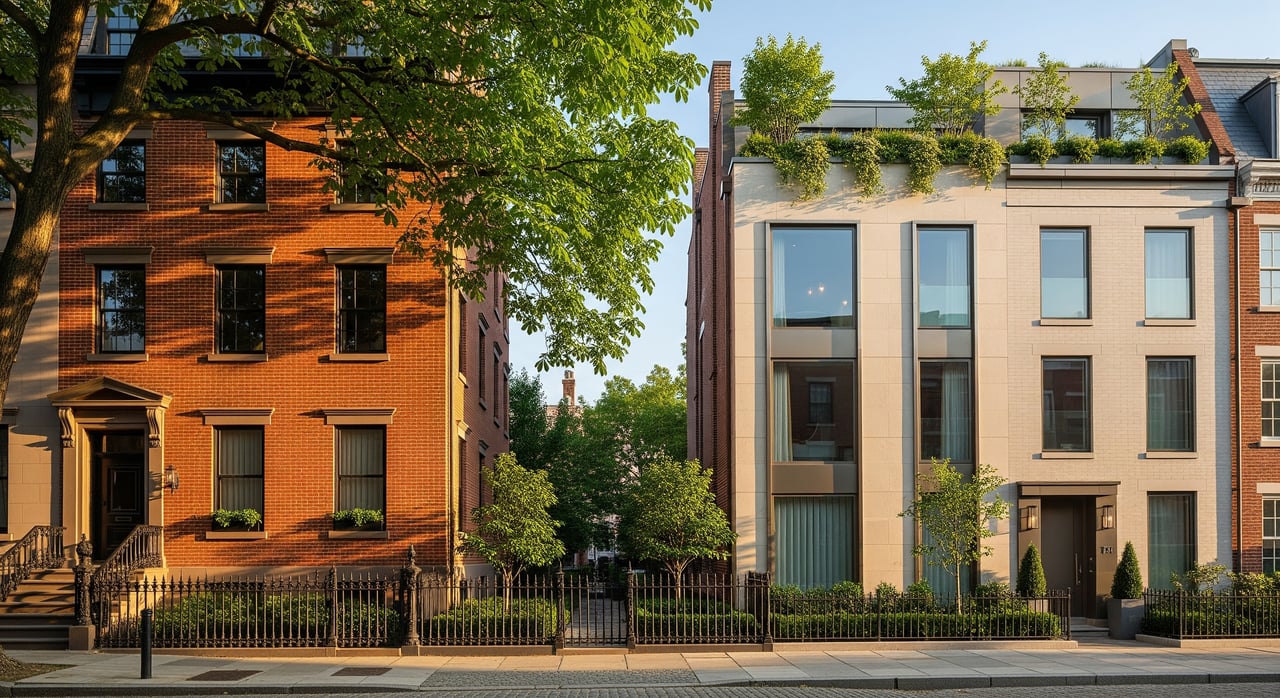
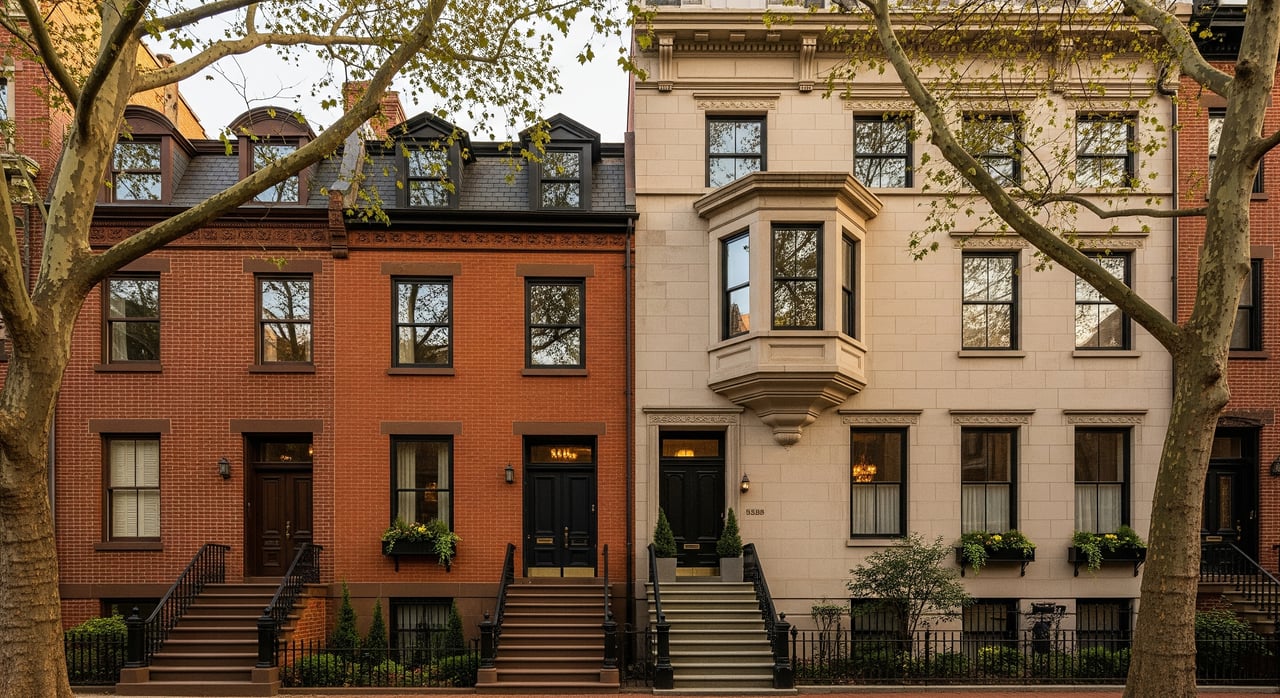
Fishtown stands out because you can often find older attached homes and newer infill construction on the same or nearby blocks. The City of Philadelphia’s New Kensington and Fishtown redevelopment plan notes recent development on formerly vacant land, which helps explain why the neighborhood offers such a visible mix of old and new.
That mix is part of what makes buying in Fishtown feel exciting, but it can also make your search more complex. You are not just choosing a location. You are often choosing between two very different ownership experiences.
What the Fishtown Market Looks Like
Fishtown remains a high-demand Philadelphia neighborhood, but pricing can look different depending on the source you check. Recent market trackers show a wide range, including a median sale price of about $467,293 from Redfin, a typical home value of $397,585 and median sale price of $391,333 from Zillow, and a median listing price of $549,500 from Realtor.com.
It is best to read those figures as a range rather than one exact number. In a neighborhood like Fishtown, condition, updates, layout, and presentation can have a big impact on price. That matters when you are comparing a newer home to an older rowhome, because age alone does not tell the whole story.
What Counts as a Historic Rowhome
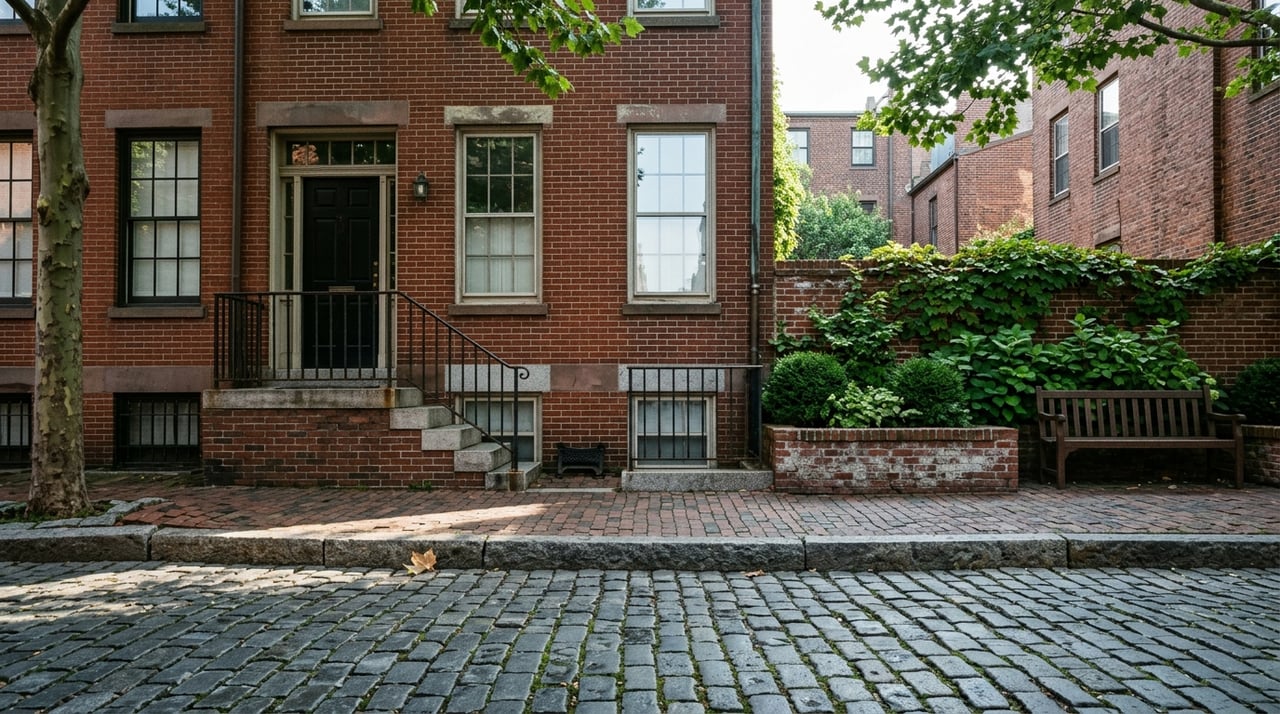
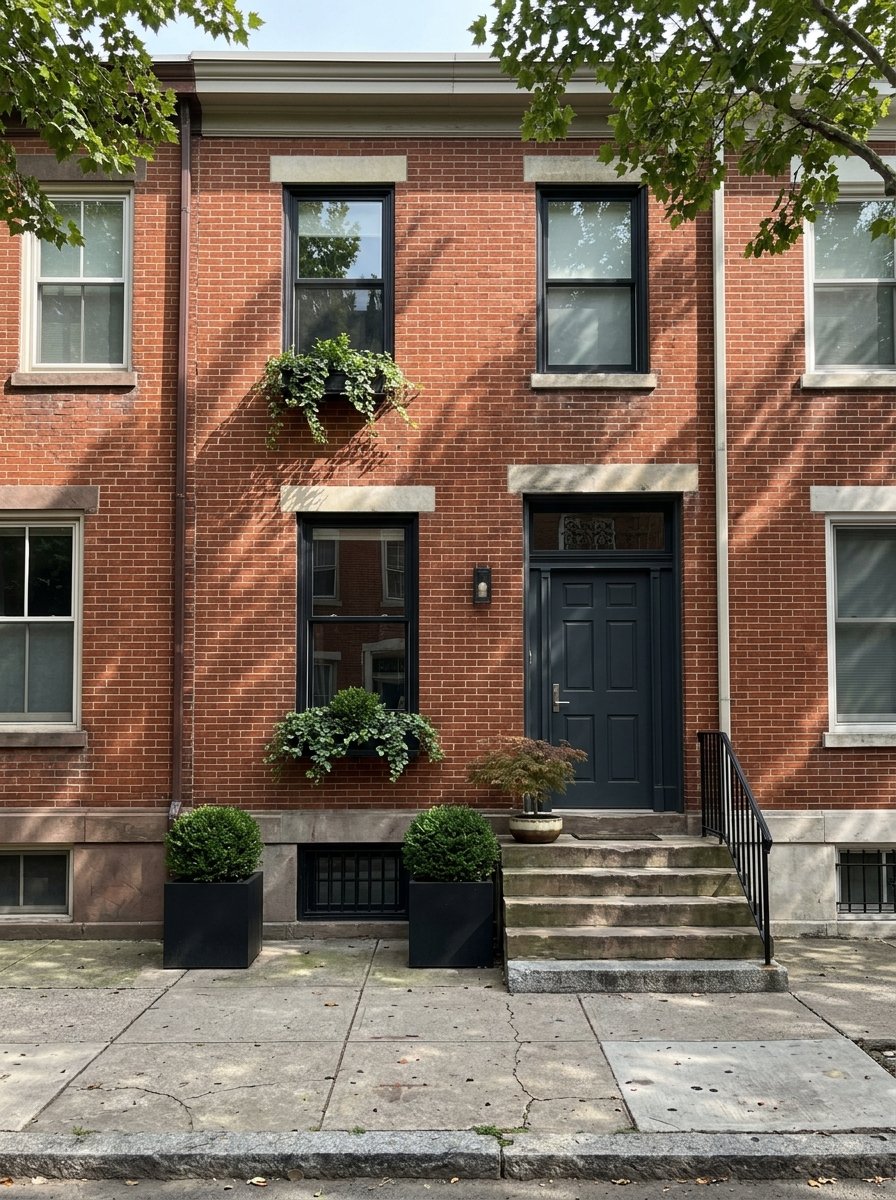
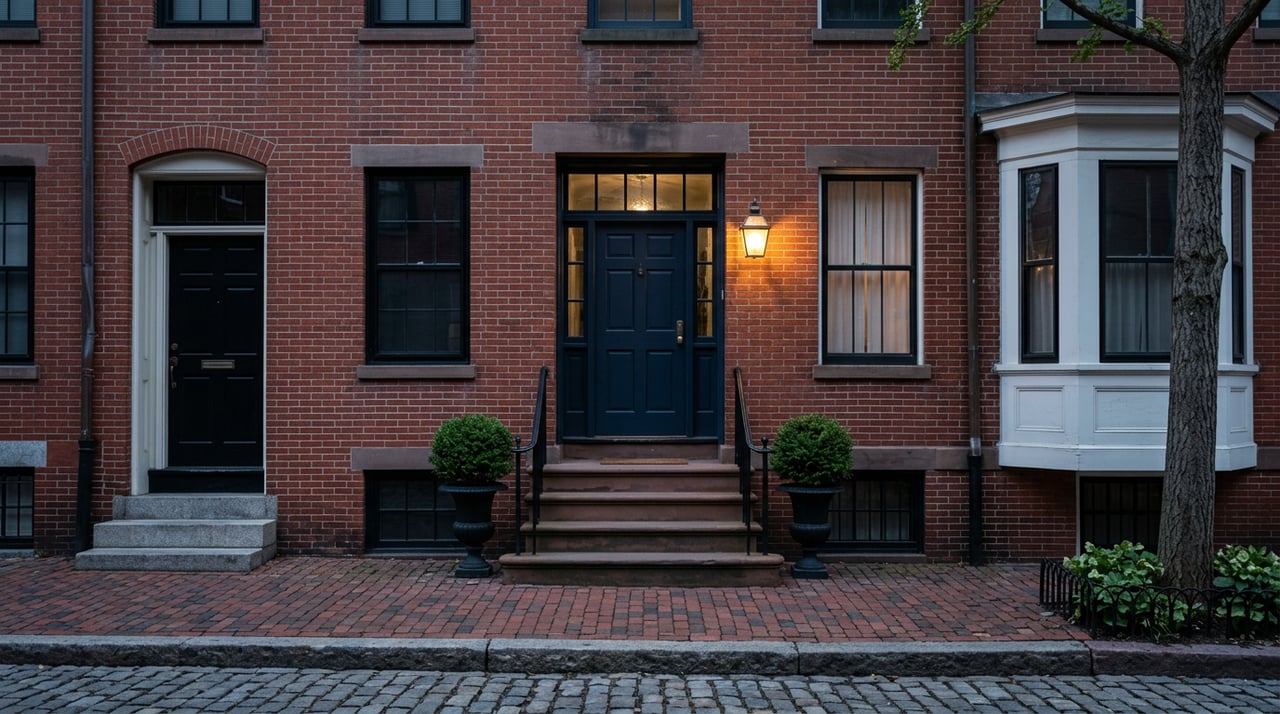
Philadelphia is a rowhouse city, and the City’s Rowhouse Manual gives a simple definition. A rowhouse is a one- to four-story house on a narrow frontage that is attached to neighboring homes on both sides.
For you as a buyer, that usually means a compact urban footprint and a home designed for density rather than extra land. In Fishtown, that can translate to classic brick facades, narrower widths, and layouts that reflect the neighborhood’s older housing stock.
Why Buyers Love Historic Rowhomes
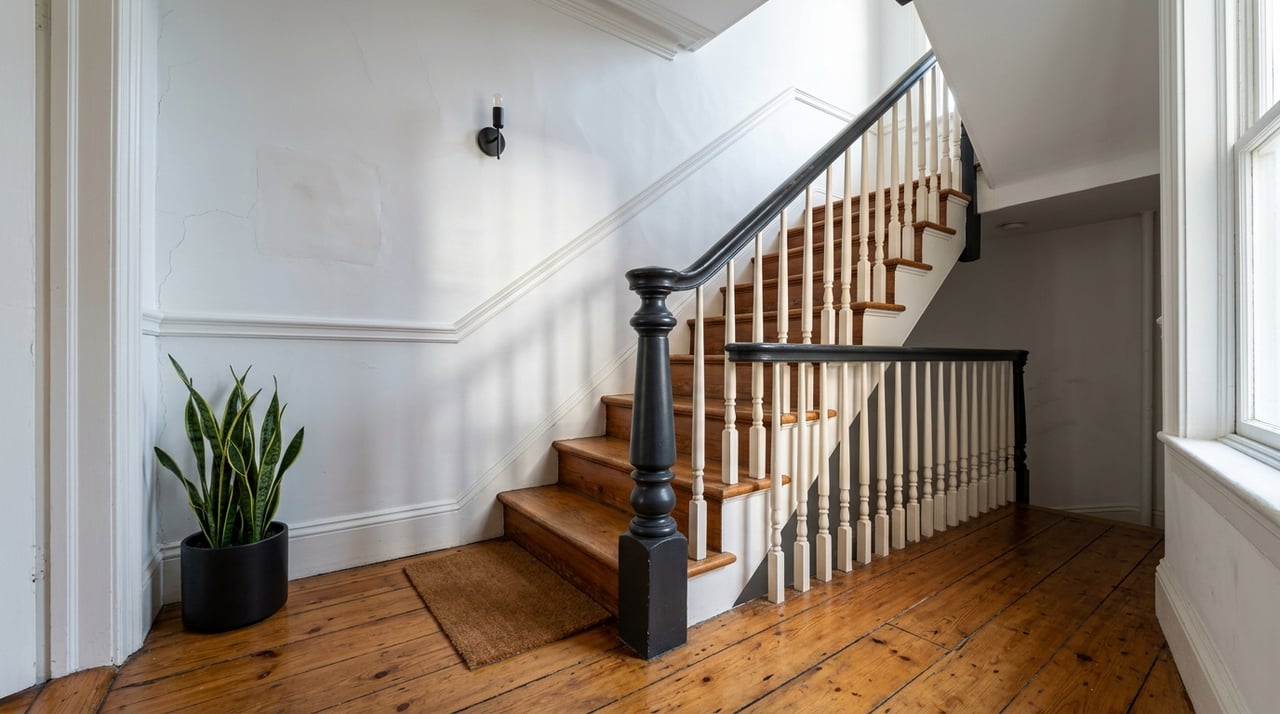
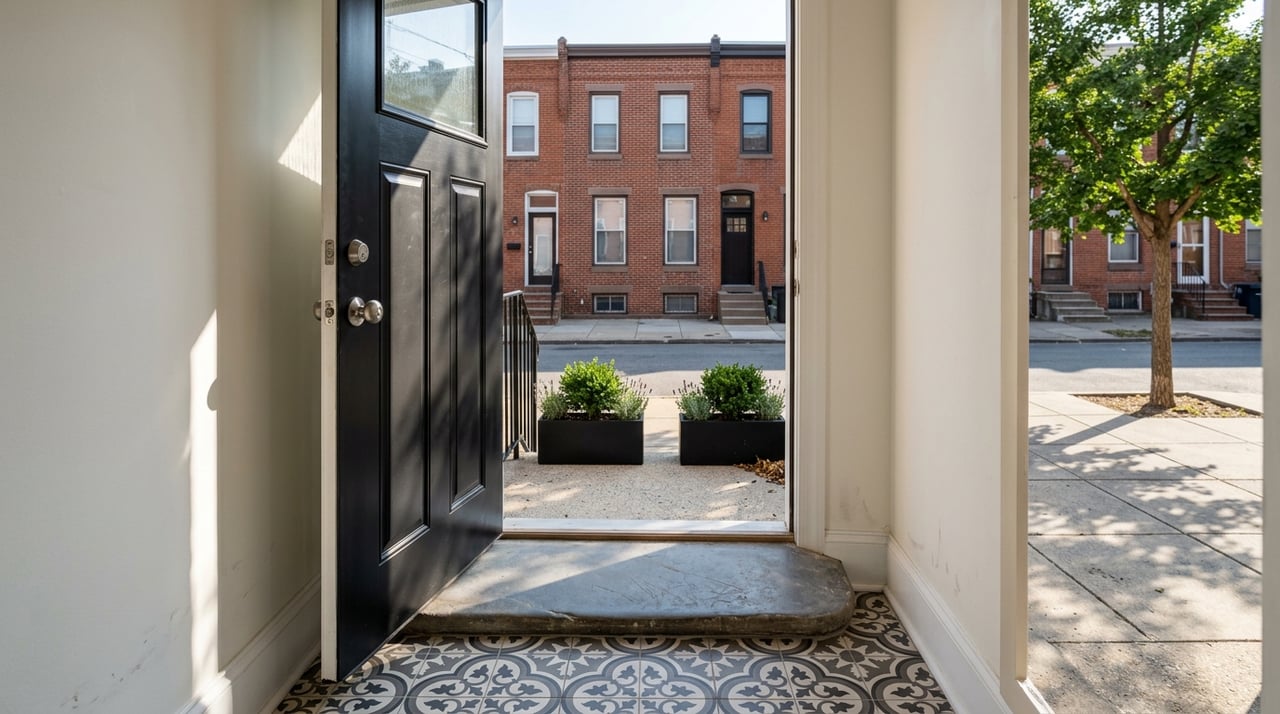
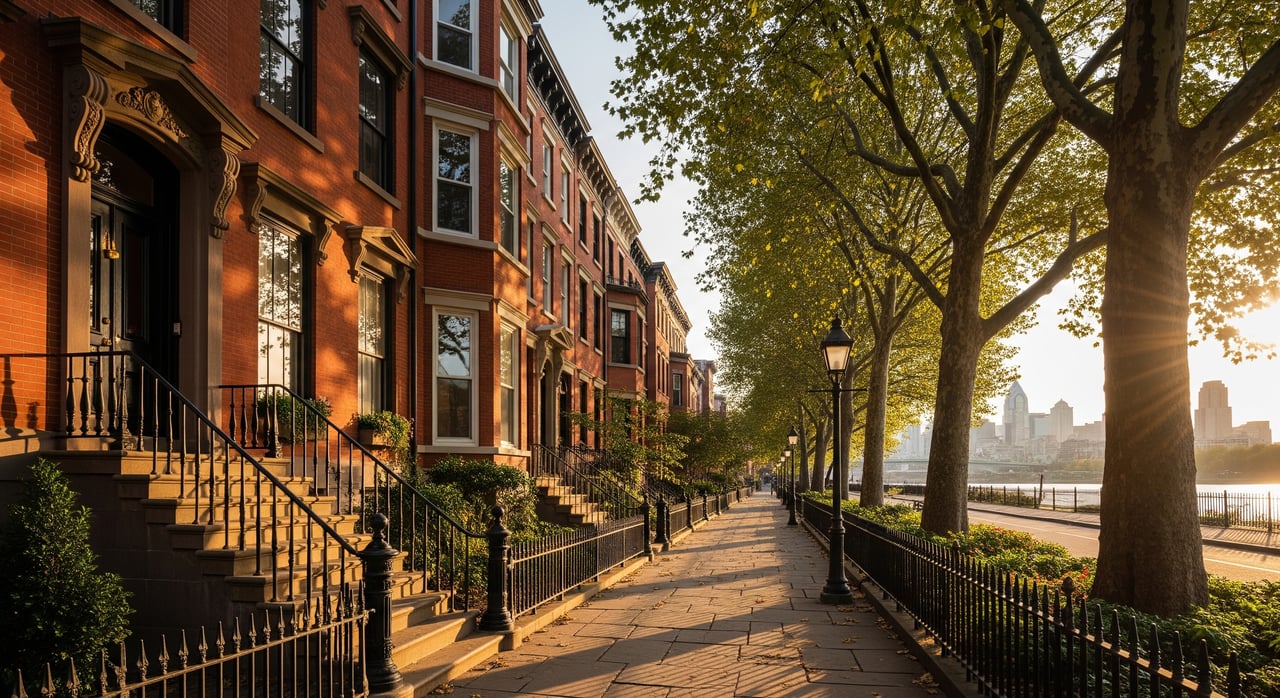
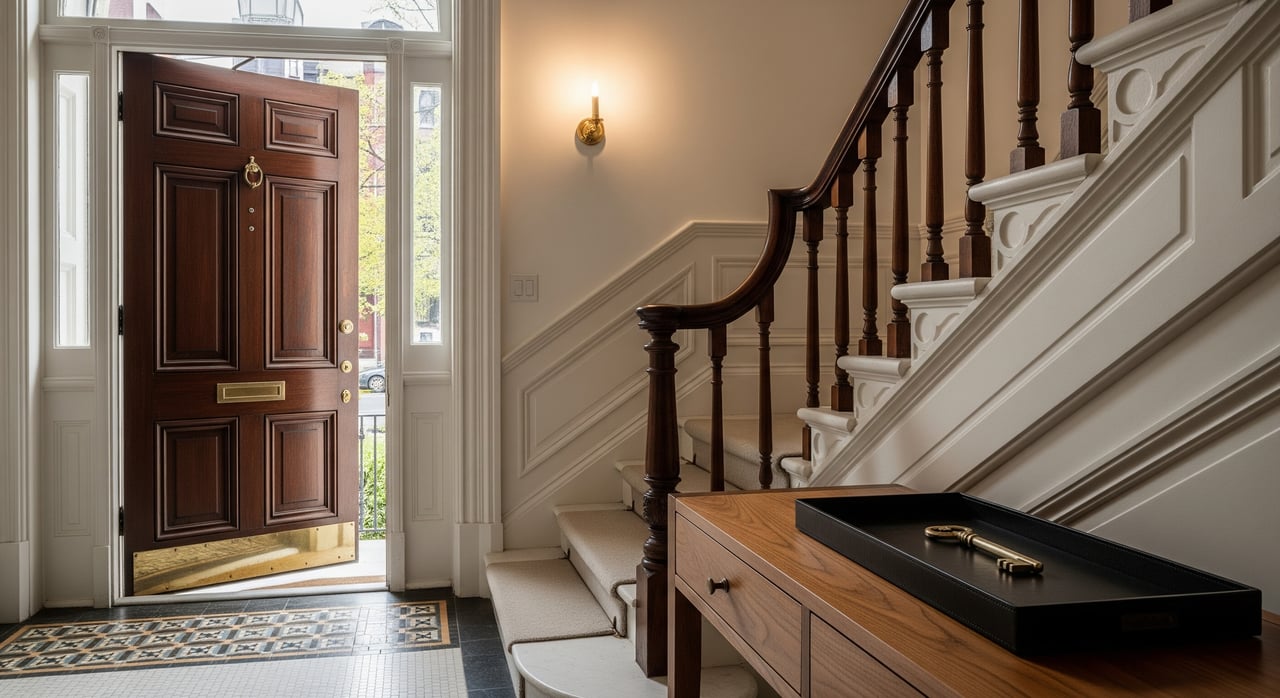
Historic rowhomes often appeal to buyers who want original Philadelphia character. You may be drawn to older architectural details, the feel of established streetscapes, or the sense of living in a home that reflects the neighborhood’s long history.
Fishtown’s identity is closely tied to the Delaware River and its fisheries heritage, and that history still shapes how many buyers experience the neighborhood today. If your goal is to buy into that older urban fabric, a rowhome may feel like the more natural fit.
What Maintenance Can Look Like in Older Homes
With older rowhomes, upkeep often starts with the building envelope. The City’s Rowhouse Manual advises owners to pay close attention to exterior masonry, roofs, windows, and moisture control.
When you tour a home, look for signs like water staining, rot, cracking, peeling, or trapped moisture. These issues do not automatically mean a home is a bad purchase, but they can affect your budget and your near-term repair plans.
Windows are a good example. According to the city manual, some older windows may only need sash-and-glass replacement if the frame is still sound, while more deteriorated windows may require full replacement. Wood windows also need regular painting, while some vinyl replacements can be thicker and may mildew in shaded areas.
What Historic Designation Can Change
Not every older home is historically designated, so it is important to check the status of any property you are seriously considering. The Philadelphia Historical Commission states that the Philadelphia Register of Historic Places is property-specific.
If a home is on the register, the commission reviews building permit applications and must approve exterior changes to the building or site. For you, that can affect renovation plans, repair timelines, and the types of updates you may be allowed to make to the exterior.
What New Construction Offers
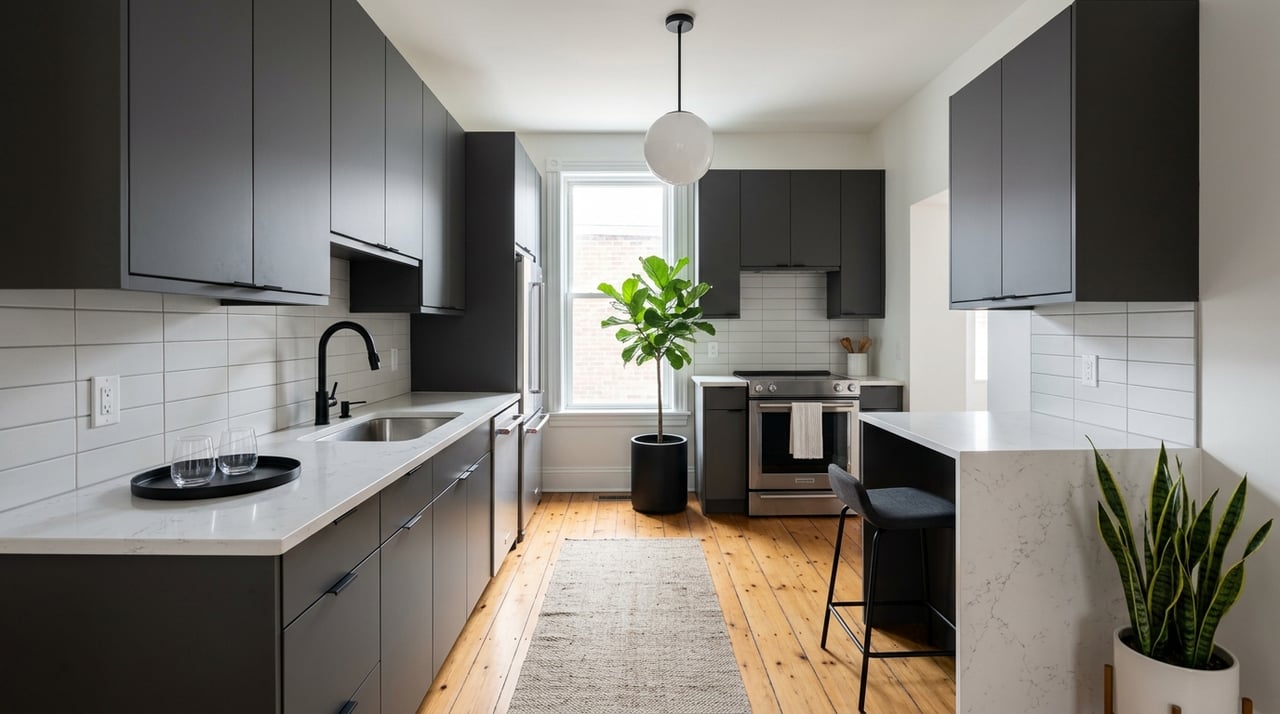
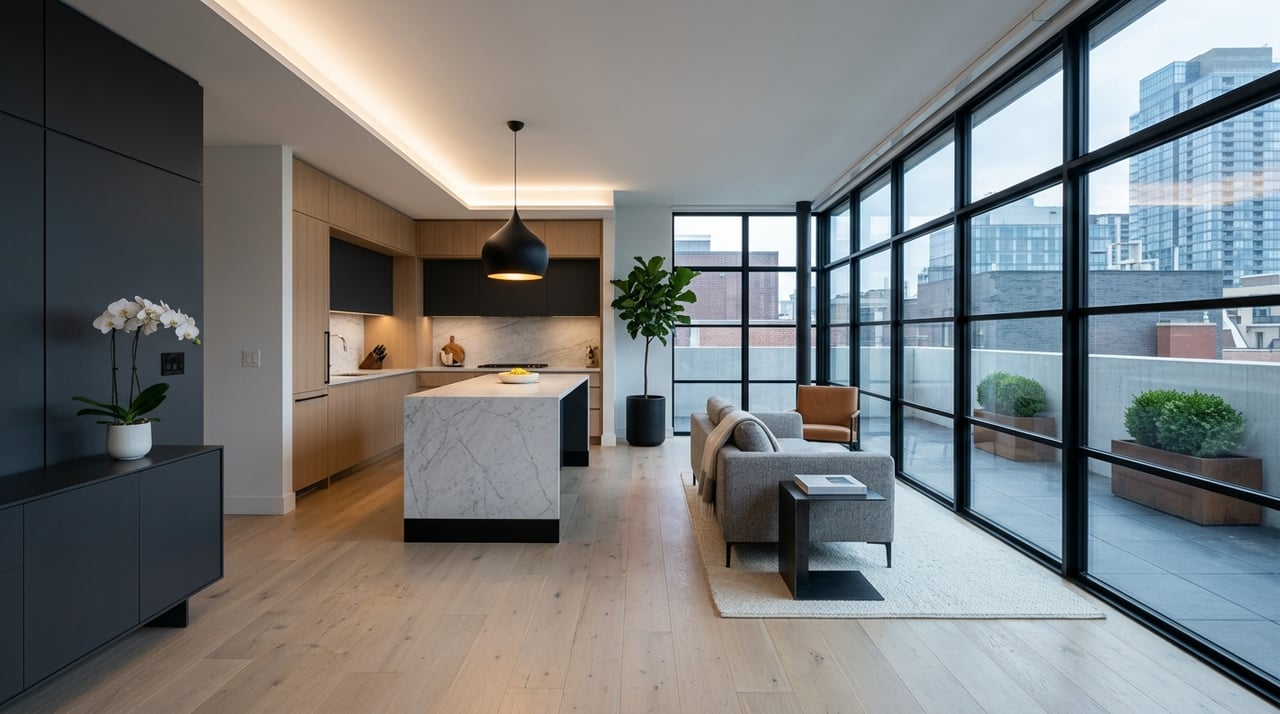
New construction tends to attract buyers who want a more predictable move-in experience. In Philadelphia, new homes go through the city’s current zoning and permit process, and residential projects must meet current energy-code documentation requirements.
Those city documents include air-barrier and insulation checklists, duct and envelope testing, HVAC sizing forms, and thermal-envelope certification. That does not guarantee a perfect house, but it does mean the home is reviewed under today’s code expectations instead of older construction standards.
Why New Construction Feels Different Day to Day
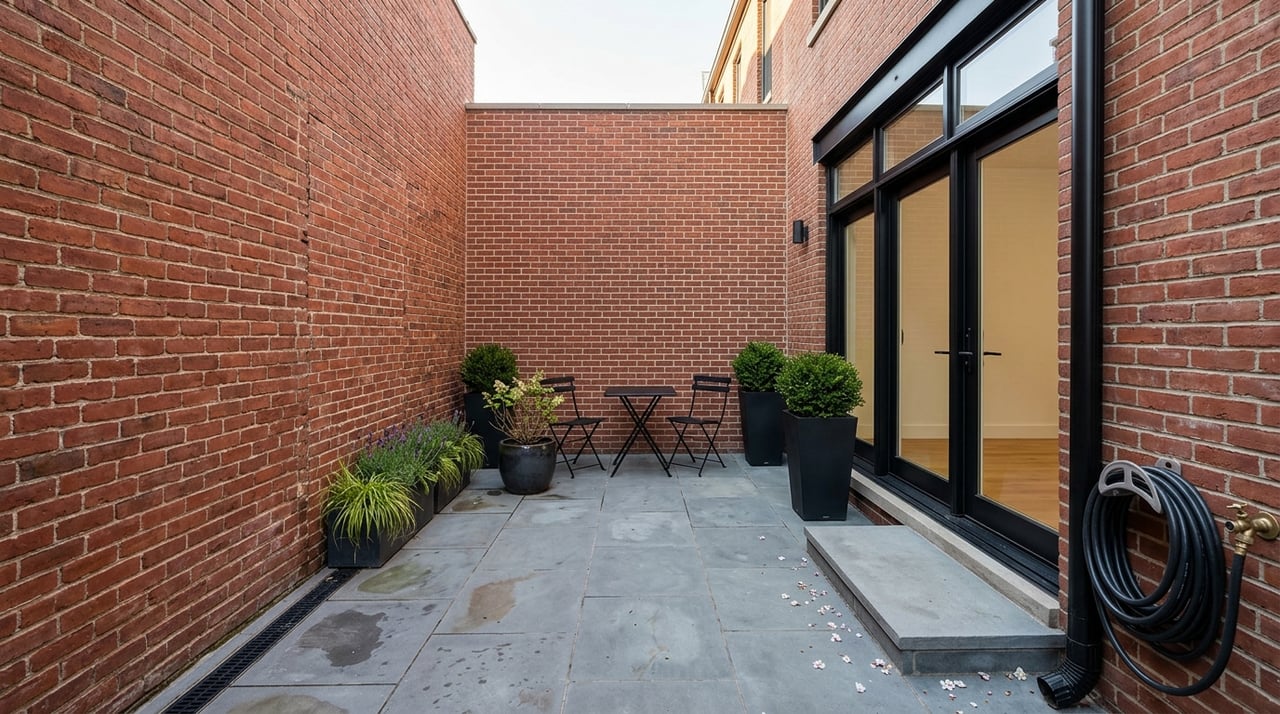
From a practical standpoint, newer homes are generally better aligned with current efficiency and envelope requirements. That can mean fewer immediate concerns about aging masonry, older windows, or outdated thermal performance.
For many buyers, that changes the day-to-day ownership experience. If you want to spend less time thinking about early repair projects and more time settling in, new construction may offer peace of mind.
New Construction Still Fits Fishtown’s Urban Fabric
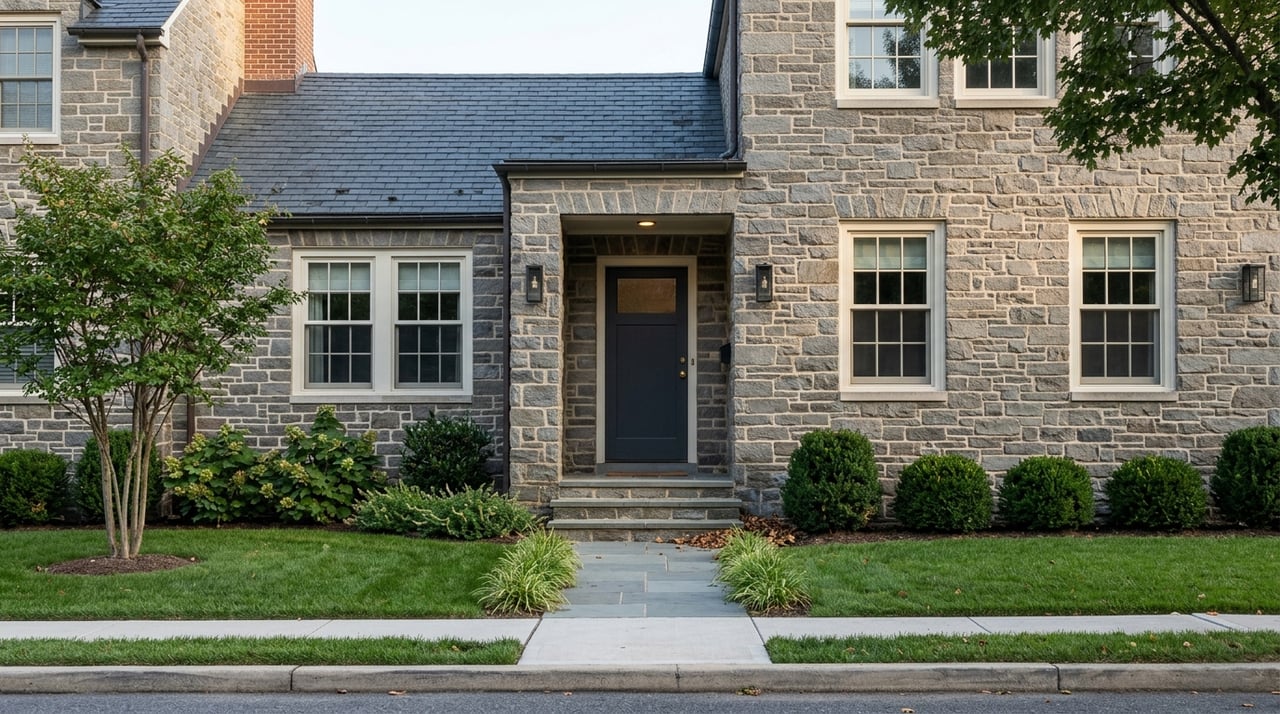
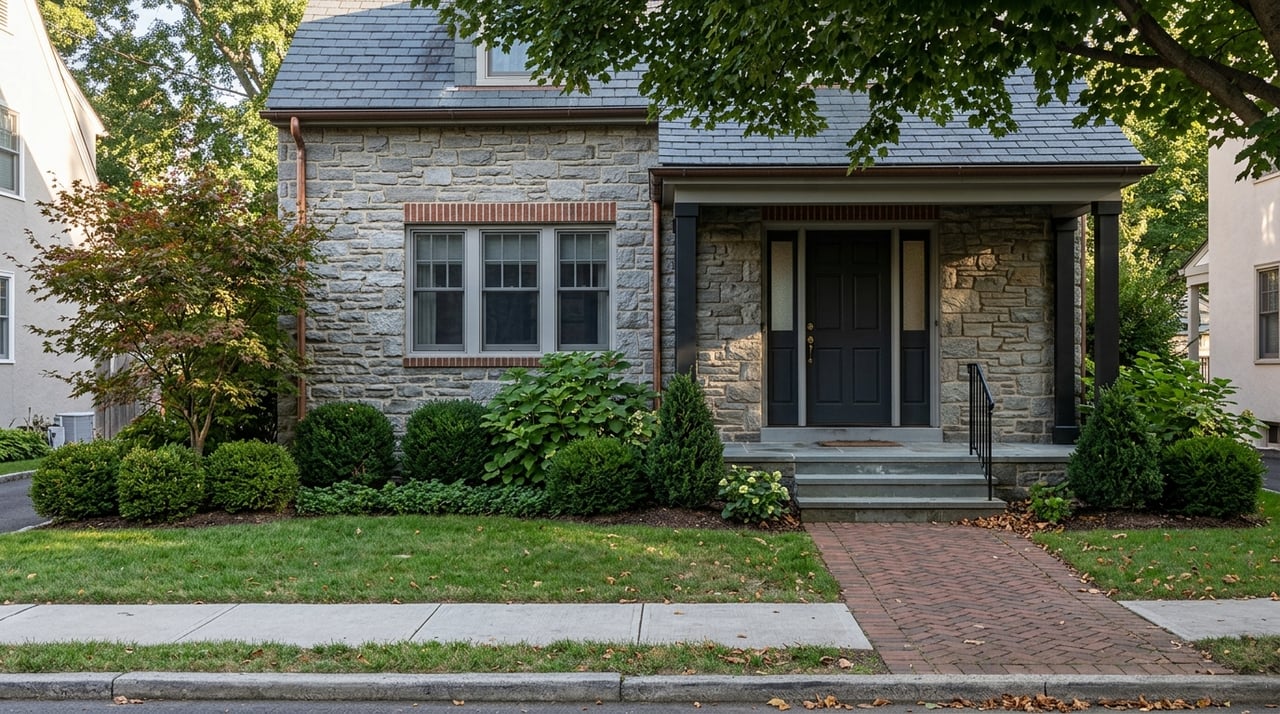
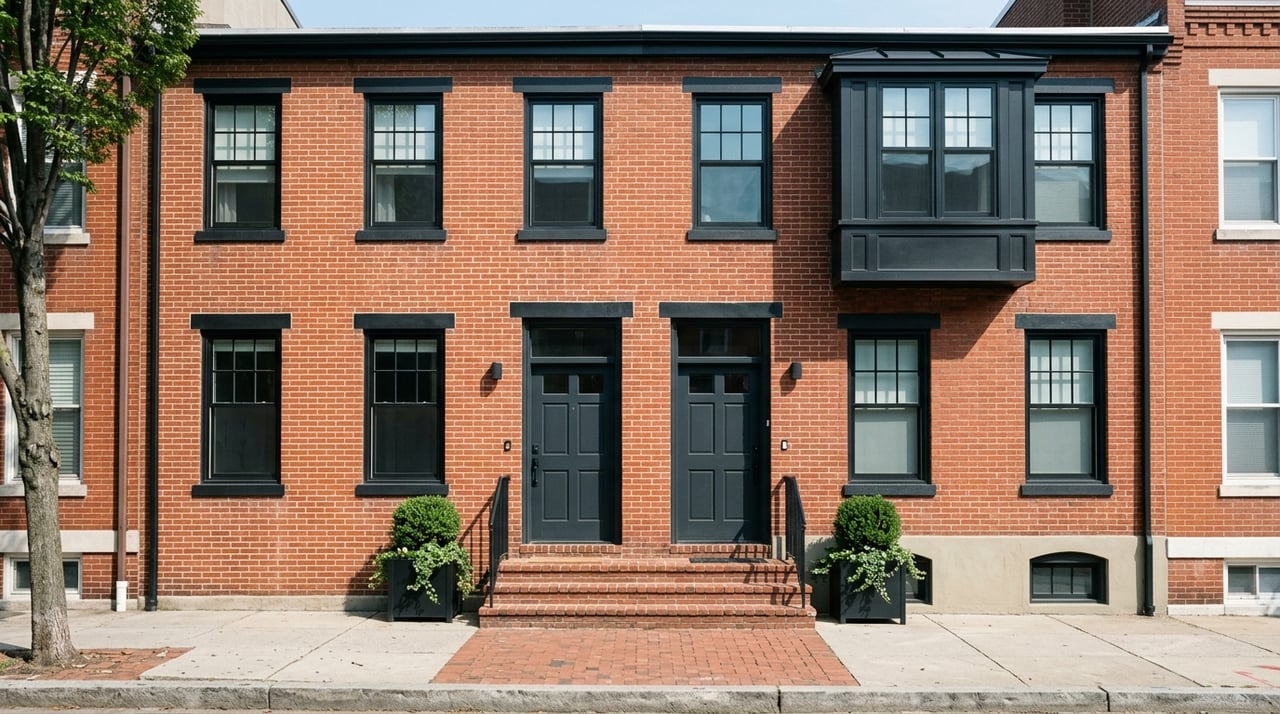
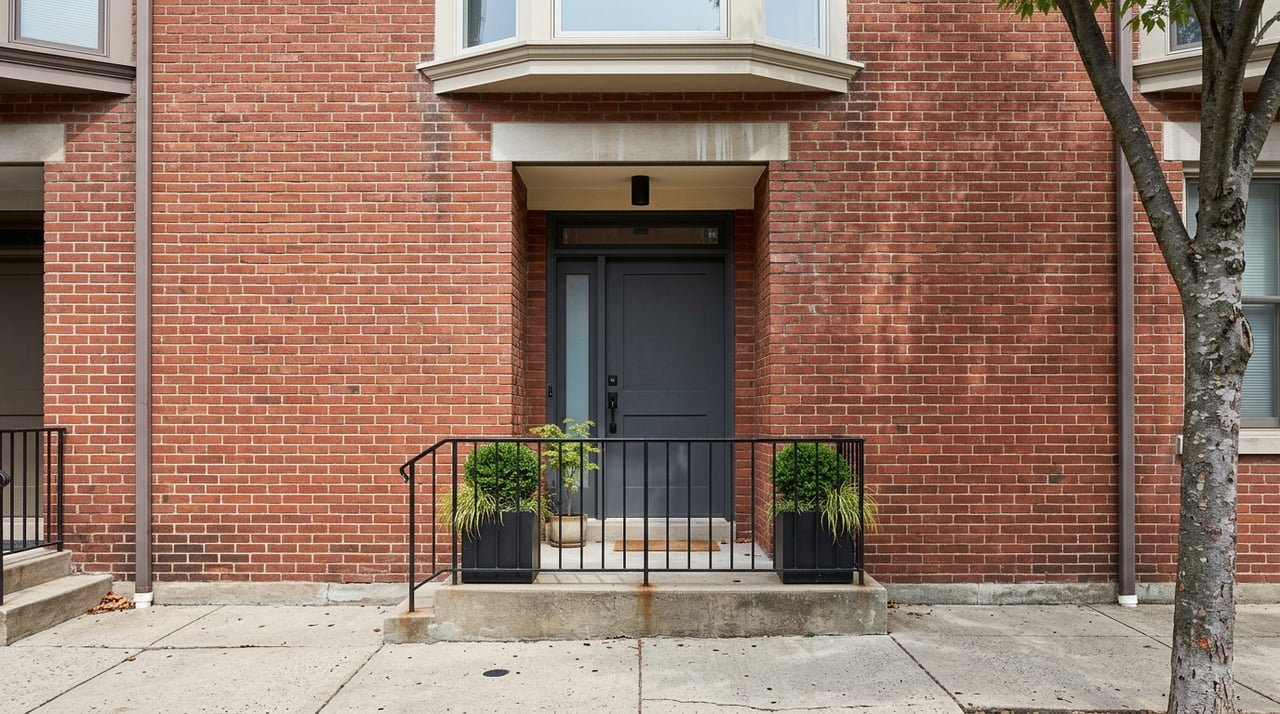
In Fishtown, new construction often appears as infill on formerly vacant lots. That means a new home here is usually not suburban in style or setting, even if the finishes and systems feel more modern.
You may still be buying into a dense urban streetscape with attached or closely spaced homes. So if you are worried that choosing newer construction means giving up the neighborhood feel, that is not always the case in Fishtown.
How to Decide What Matters Most
The right choice usually comes down to your priorities. If you want lower near-term maintenance, current code-era systems, and a smoother move-in path, new construction may make more sense.
If you value original character, older architectural fabric, and the experience of owning a classic Philadelphia home, a historic rowhome may be worth the extra upkeep. Neither option is automatically better. It depends on how you want to live and what tradeoffs you are comfortable making.
Budget Beyond the Purchase Price
When you compare homes in Fishtown, focus on condition as much as age. Current market data shows a wide spread between typical value, median sale price, and median listing price, which suggests that renovation level and presentation matter a lot.
A well-maintained older home may be a better financial fit than a poorly executed newer one. On the other hand, a new build with fewer immediate projects may help you avoid surprise costs in the first few years.
Questions to Ask on Tour
If you are comparing a new build to a historic rowhome, the right questions can help you spot real differences quickly.
- Is the property on the Philadelphia Register of Historic Places?
- If it is historically designated, what exterior changes would require approval?
- When were the roof, windows, HVAC, plumbing, and electrical systems last updated?
- Is the home a true new build, a gut renovation, or a partial renovation?
- What exterior maintenance looks most urgent in the next 1 to 3 years?
These questions can help you move beyond surface-level finishes. They also make it easier to compare long-term ownership costs, not just asking price.
A Simple Way to Compare Your Options
If you are torn between the two, use this quick framework:
| Priority | New Construction | Historic Rowhome |
|---|---|---|
| Near-term maintenance | Often lower | Can be higher depending on condition |
| Energy-code alignment | Built to current code requirements | May reflect older construction standards |
| Architectural character | Usually more modern | Often stronger original Philadelphia character |
| Exterior review limits | Depends on property and approvals | May be more restrictive if historically designated |
| Move-in predictability | Often more straightforward | More dependent on current condition and updates |
This side-by-side view will not replace inspections or property-specific review, but it can help you clarify what matters most before you narrow your search.
The Best Fit Is Personal
In Fishtown, it is easy to fall in love with both options for different reasons. A modern infill home may offer efficiency and convenience, while an older rowhome may offer texture, history, and a connection to Philadelphia’s built fabric that is hard to replicate.
The key is to be honest about your tolerance for maintenance, your renovation goals, and the kind of ownership experience you want. If you make the decision based on how you actually plan to live, you are much more likely to feel good about your purchase long after closing.
If you want help comparing homes in Fishtown, talking through tradeoffs, or building a smart search around your budget and goals, reach out to Connor Gorman for local, hands-on guidance.
FAQs
What is the difference between new construction and a historic rowhome in Fishtown?
- New construction in Fishtown is generally reviewed under current city code standards, while a historic rowhome usually offers older Philadelphia architecture and may require more attention to exterior systems like masonry, windows, roofs, and moisture control.
How should buyers compare home prices in Fishtown, Philadelphia?
- You should look at Fishtown pricing as a range, not a single number, because recent trackers report different figures and home condition, renovation level, and presentation can strongly affect value.
What maintenance issues should buyers check in older Philadelphia rowhomes?
- Buyers should pay close attention to exterior masonry, roofs, windows, signs of water staining, rot, cracking, peeling, and trapped moisture when evaluating an older rowhome.
How can buyers tell if a Fishtown home is historically designated?
- Buyers should verify whether the specific property is listed on the Philadelphia Register of Historic Places, because designation is property-specific and can affect exterior changes and permit approvals.
Is new construction in Fishtown always detached or suburban in style?
- No. In Fishtown, new construction often appears as infill on formerly vacant lots, so newer homes may still sit within the same dense urban streetscape as older housing.
What questions should buyers ask when touring homes in Fishtown?
- Buyers should ask about historic designation, approval requirements for exterior changes, update timelines for major systems, whether the property is a true new build or renovation, and what maintenance may be needed in the next 1 to 3 years.