Thinking about swapping a Center City condo for a Chestnut Hill stone house and more green space? You are not alone. Many Philadelphia buyers consider the move for room to grow, a quieter pace, and easy access to trails. In this guide, you will learn what you gain, what you give up, how prices and commutes stack up, and the key checks to run before you decide. Let’s dive in.
The big tradeoffs at a glance
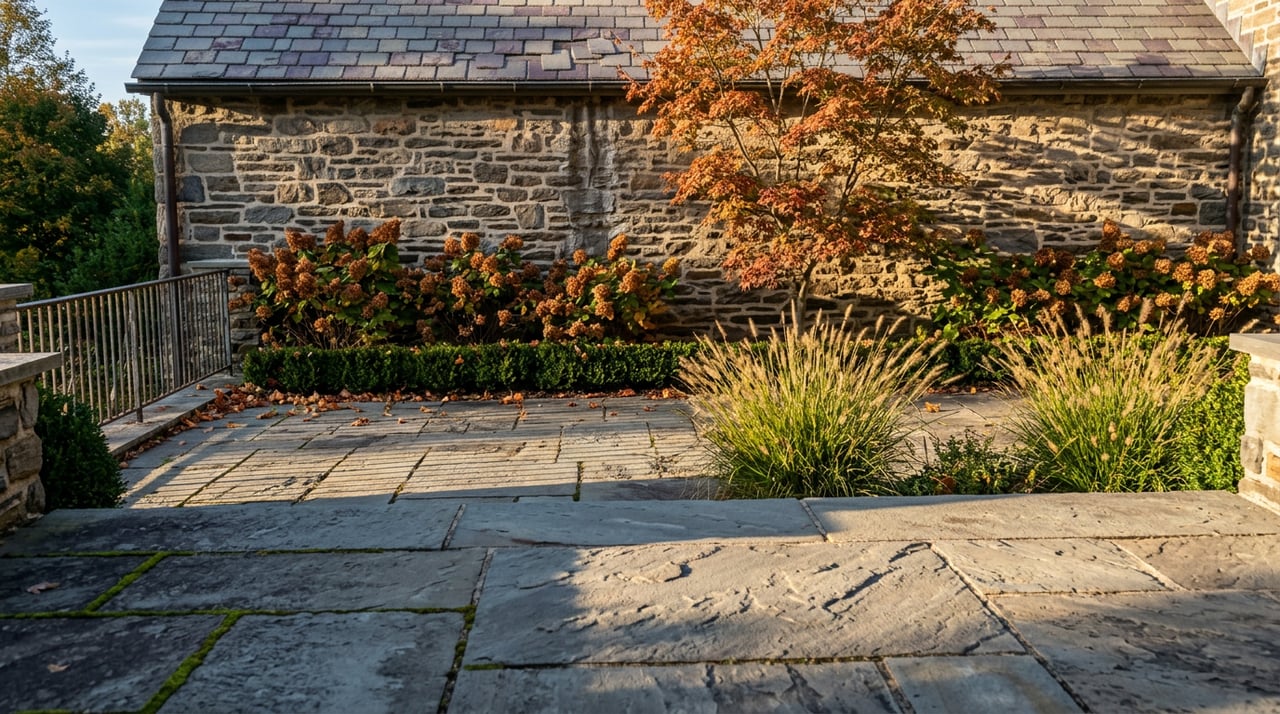
You gain more living space, larger lots, and daily access to parks and trails in Chestnut Hill. The neighborhood’s Germantown Avenue core offers a village feel with local shops, while major green spaces like Wissahickon Valley Park, Morris Arboretum, and Pastorius Park sit nearby. Chestnut Hill even brands itself as Philadelphia’s Garden District, and the park network is a defining feature of life here. You can explore highlights on the neighborhood’s own parks page for a sense of what weekends can look like. Visit the local overview of green spaces on the Chestnut Hill site for more context.
You give up Center City’s ultra-high walkability, late-night transit choices, and the short walk-to-work lifestyle found around Rittenhouse or Washington Square. Transit to downtown is still straightforward from Chestnut Hill, but you will likely see longer ranges in both train and car commutes, especially at peak times. You will also trade instant access to dense dining and cultural venues for a calmer, residential rhythm.
Housing and price reality
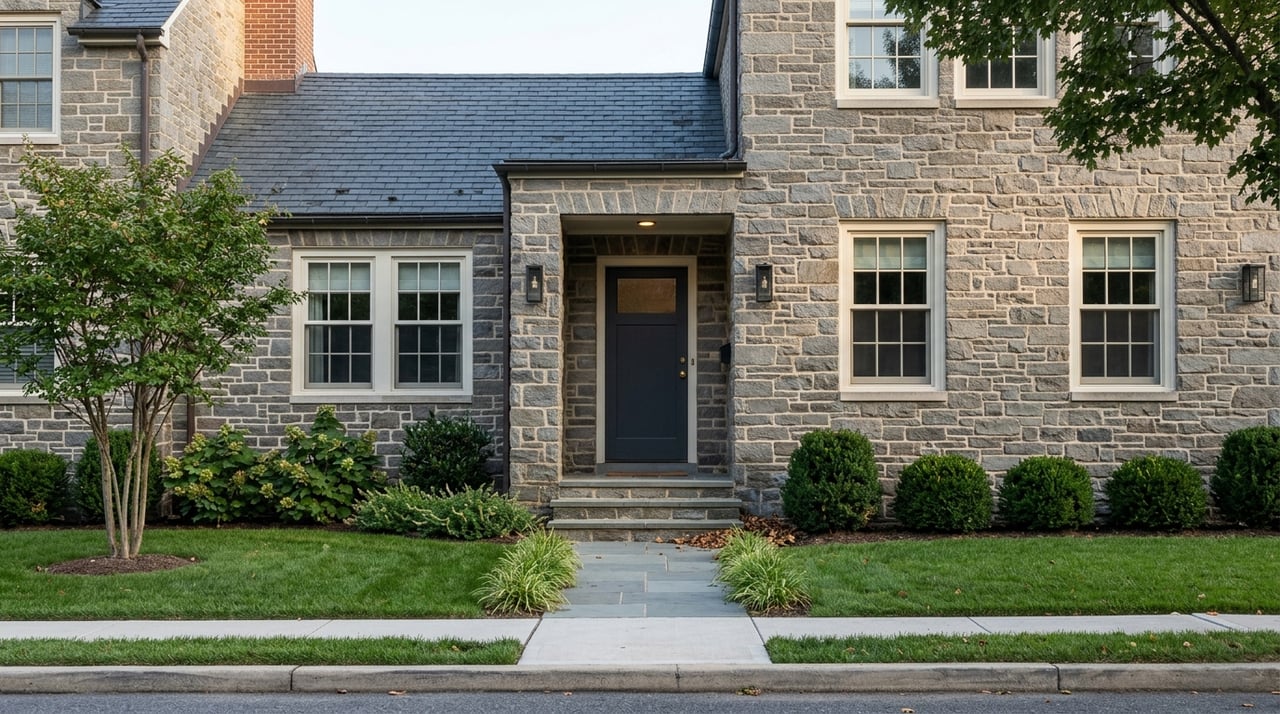
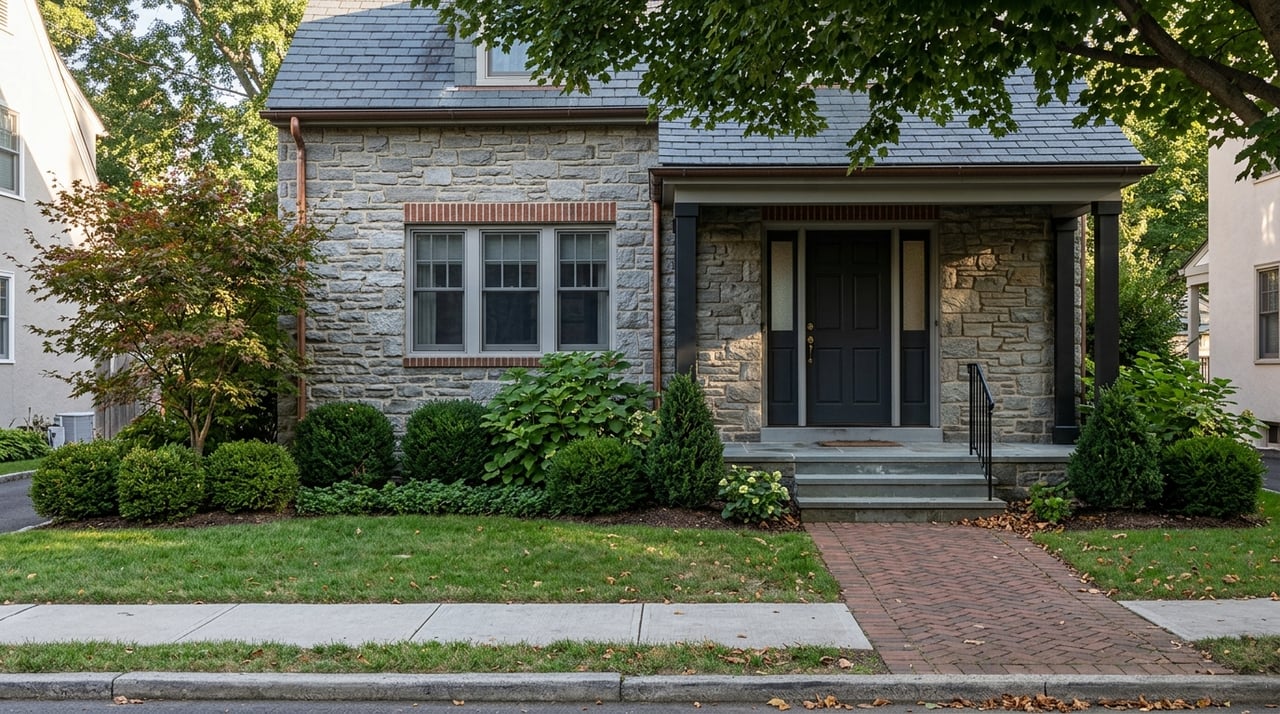
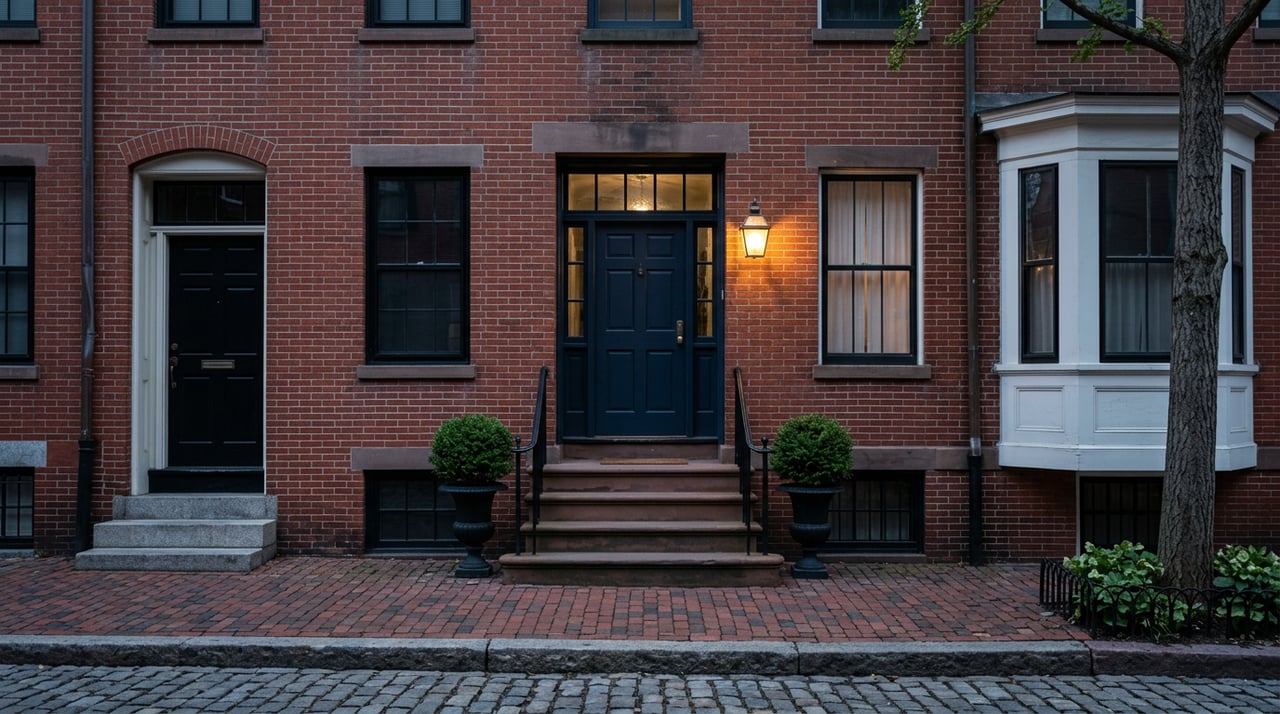
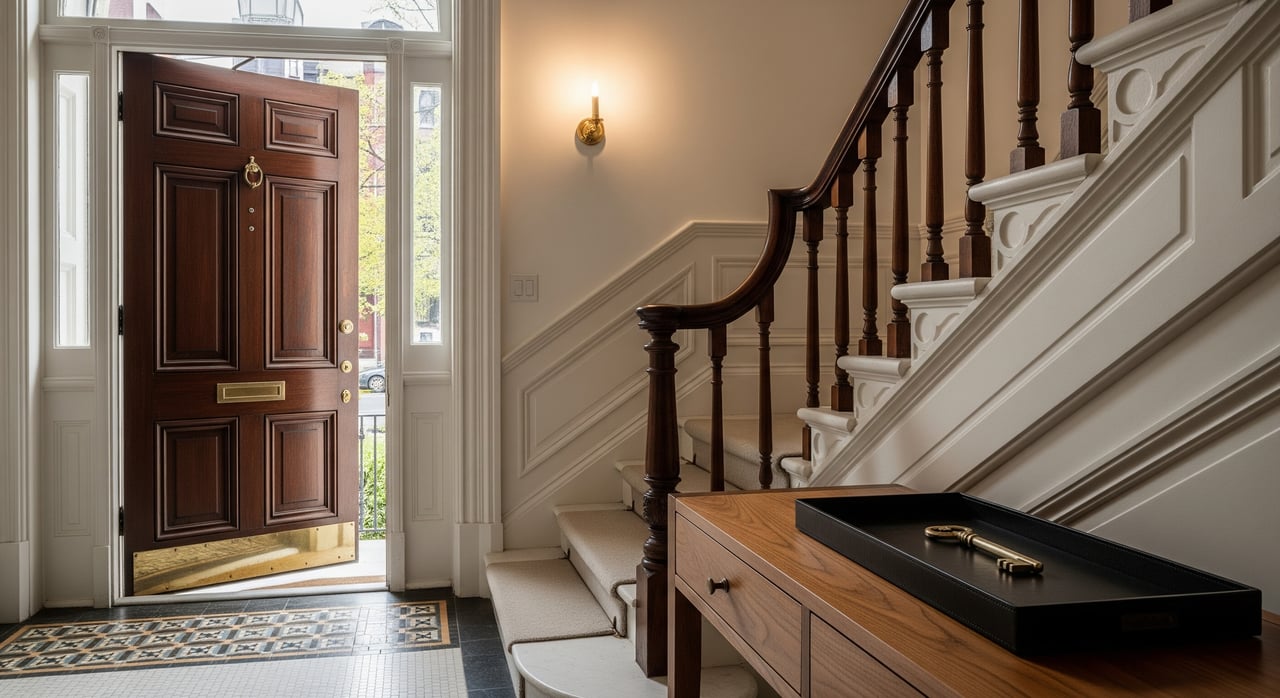
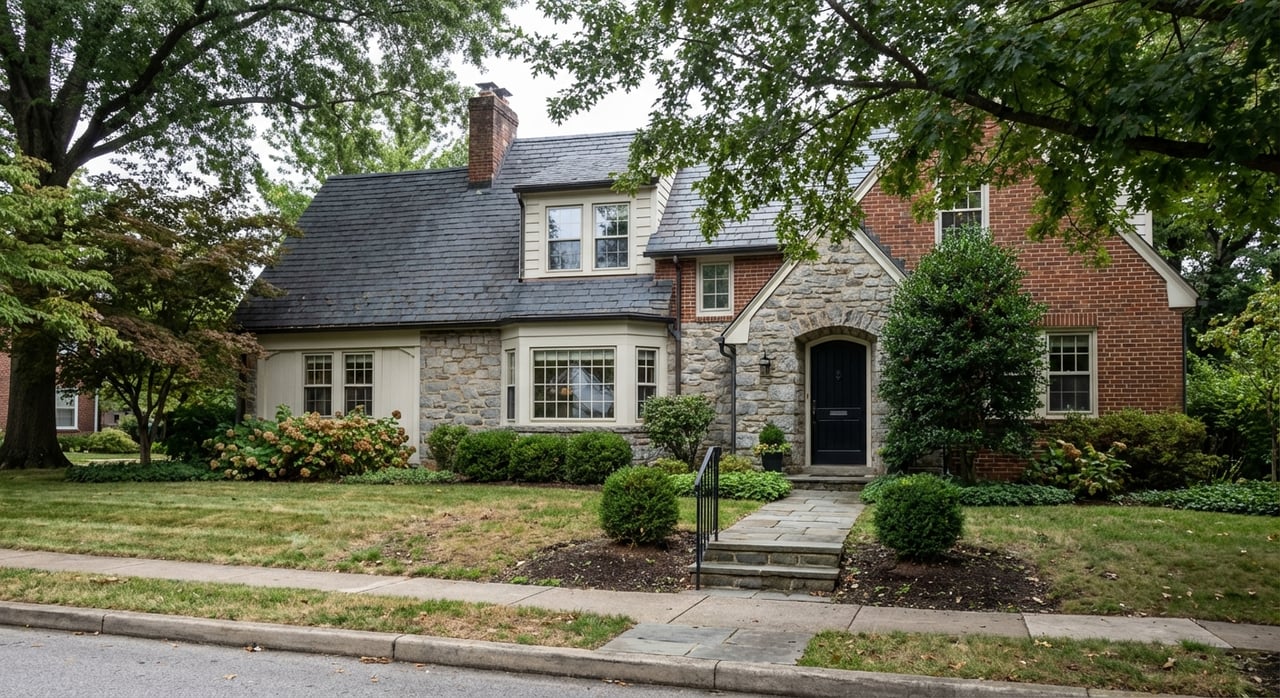
Chestnut Hill’s housing stock is very different from Center City. You will find more freestanding single-family homes, larger historic stone and Victorian houses, and landscaped lots. There are some duplexes and row homes at the edges and a few condo or co-op pockets near the commercial core. Density is lower overall, which helps create that garden district feel.
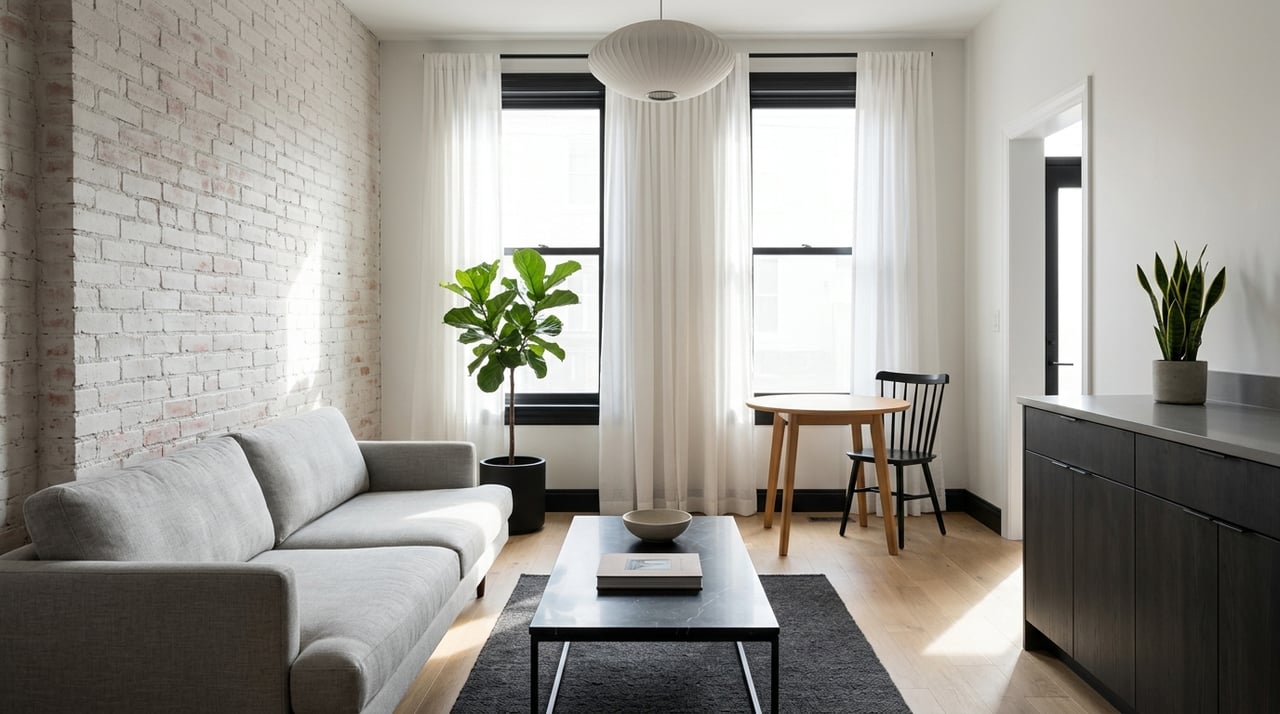
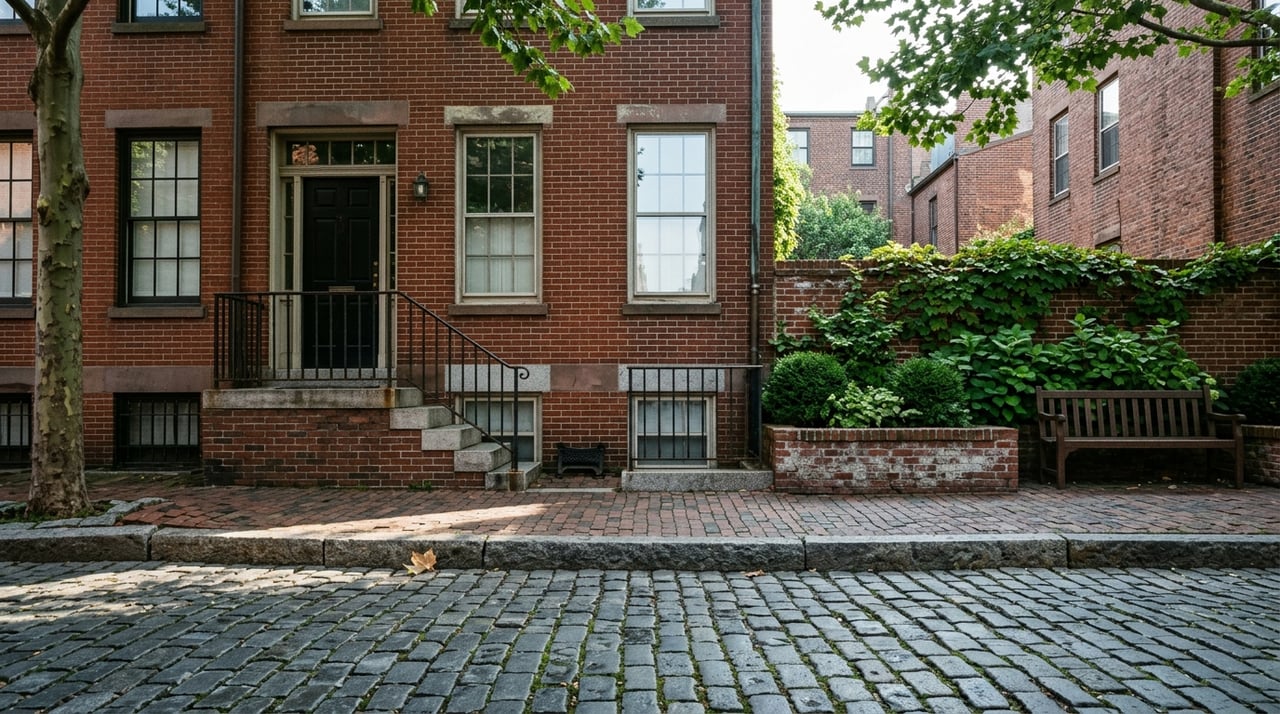
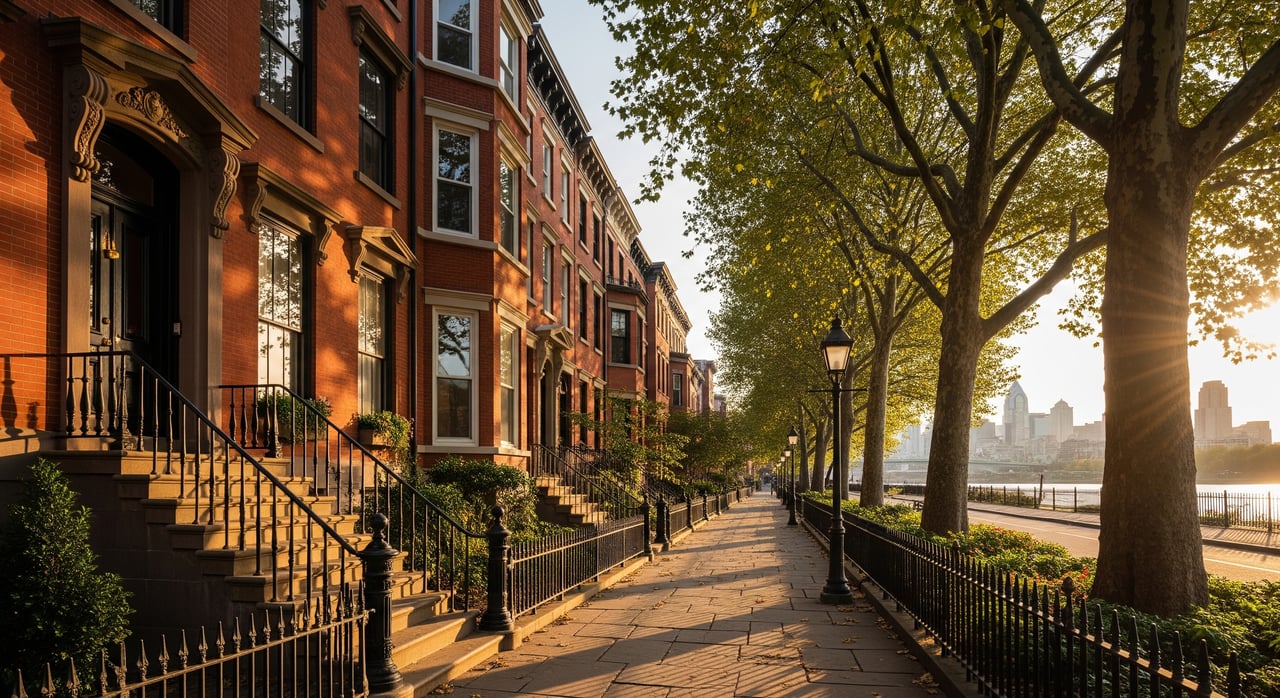
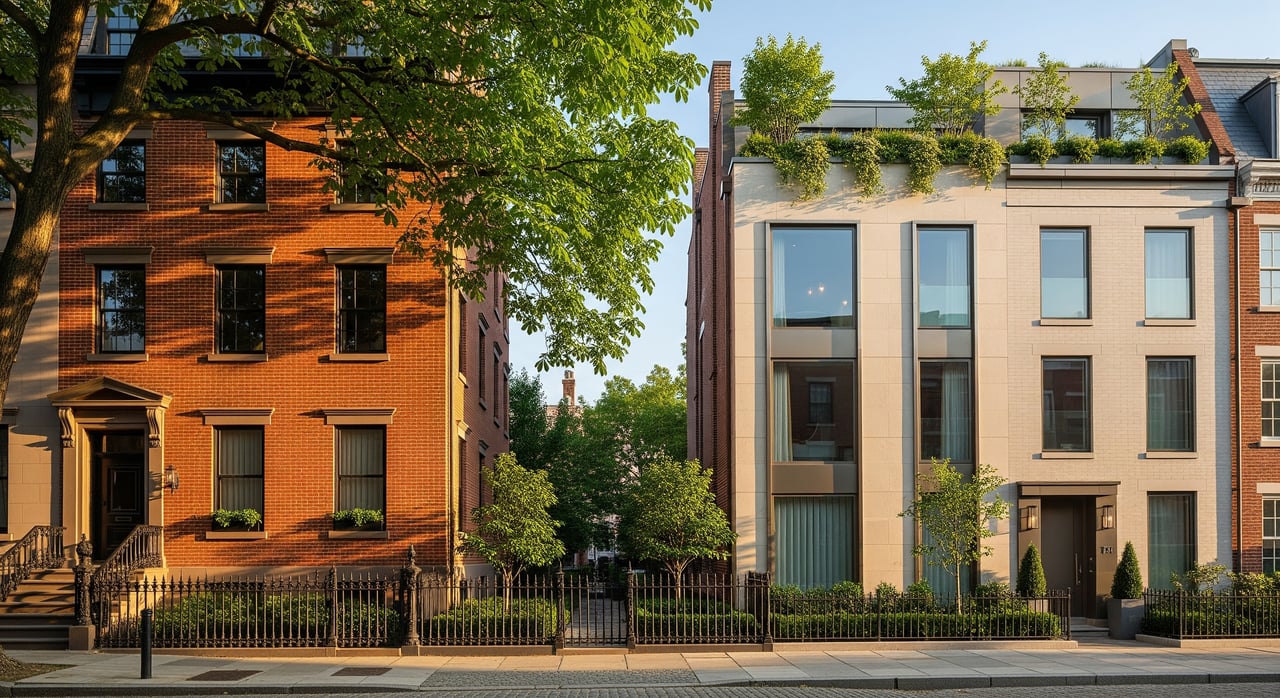
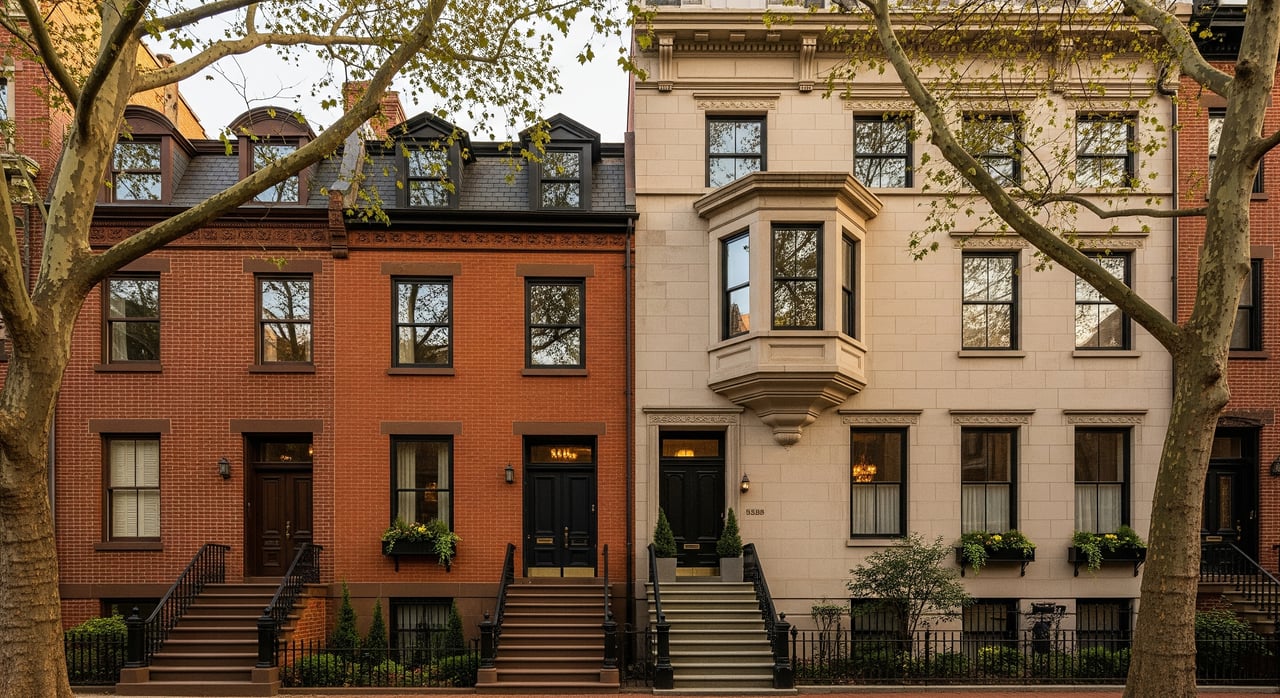
By contrast, Center City offers a mix of high-rise condos and apartments, historic rowhouses, and compact townhomes. It is denser, with more rental options and condo conversions. If you are moving up from a Center City condo, the day-to-day feel of ownership and maintenance will change in Chestnut Hill, especially if you buy a larger, older home.
Price ranges to budget for
Data sources differ, but they point to Chestnut Hill as one of the city’s pricier neighborhoods. Recent snapshots show a wide range for typical values because the area includes many large single-family homes that skew medians upward. A December 2025 Redfin snapshot reported a median sale price near 975,000 dollars. Zillow’s home value index placed typical values in the mid 800,000s around the same time. A Bright MLS and Axios summary listed Chestnut Hill as Philadelphia’s priciest neighborhood in 2024 with a median near 751,000 dollars. The exact figure you face will depend on your target block, lot size, and condition mix.
Center City neighborhood-level reports have shown medians around 500,000 to 510,000 dollars, with big swings by sub-neighborhood. A compact condo in Logan Square will price very differently than a historic row along a prime Rittenhouse block. If you own in Center City now and plan to buy in Chestnut Hill, plan for a higher purchase budget or a smaller list of must-haves to fit a fixed number.
Competition and timing
Listings in Chestnut Hill are often single-family homes, and many of the best-located properties get multiple offers when priced well. Smaller Center City units and condos can move faster due to higher turnover and investor interest. Your best move is to work from fresh Bright MLS comps for your exact target blocks, then build a negotiation plan before the right listing hits. That way, you can act quickly without overpaying.
Commute and transit differences
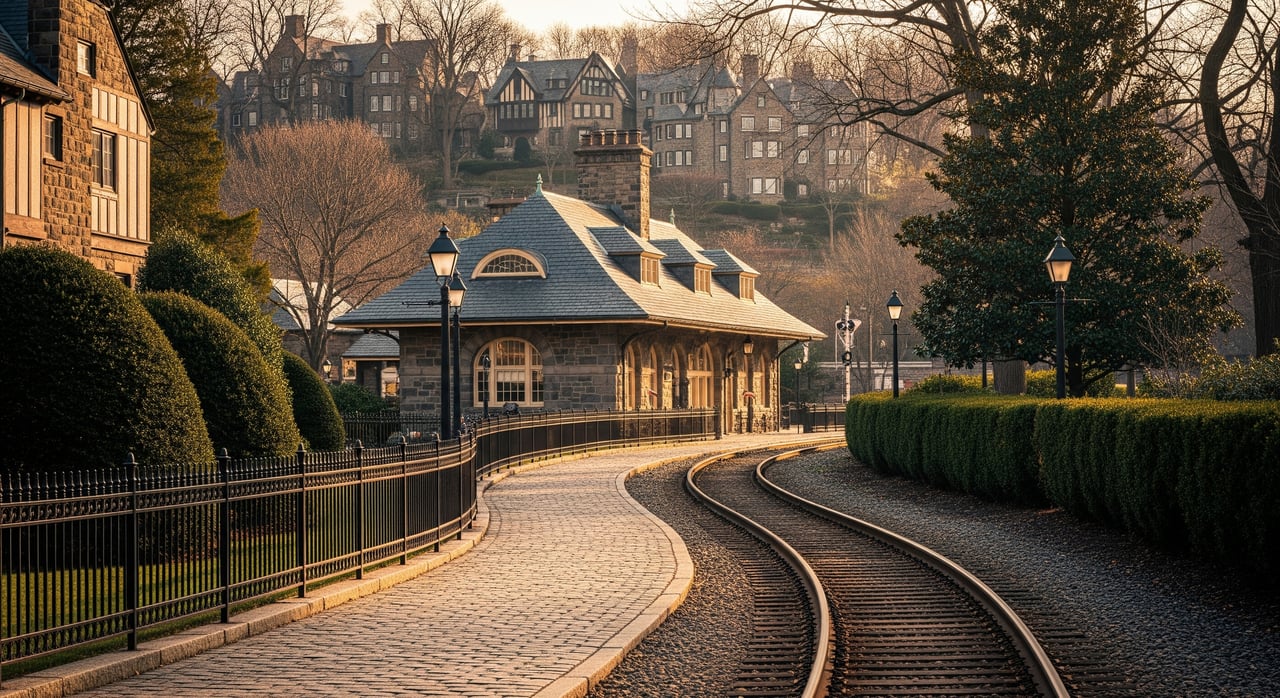
Chestnut Hill is served by two SEPTA Regional Rail lines: Chestnut Hill East and Chestnut Hill West. Both run directly into Center City, stopping at key downtown stations. Service patterns and frequencies have changed multiple times since 2024 due to systemwide schedule updates and infrastructure work, so always check current timetables for your specific train and time of day.
Typical inbound train times from Chestnut Hill to Center City stations commonly run in the rough range of 20 to 45 minutes, depending on which line and stop you use, plus whether you catch a local or a faster pattern. Many riders see 30 to 40 minutes on common schedules, with some best-case trips closer to 20 minutes on certain West line runs. Trains are less frequent than subway and trolley lines in Center City, and weekend or mid-day headways may be longer, so plan around the schedule you will actually use.
By car, off-peak drives into downtown can land in the 20 to 30 minute range, with rush-hour stretching longer. Published neighborhood guides often cite a nominal 25-minute drive in light traffic. If you expect to drive, test the route during your likely commute windows to get a realistic sense of time and stress.
Lifestyle and green space
If you want trails, trees, and pocket parks outside your door, Chestnut Hill delivers. You will be minutes from Wissahickon Valley Park and Forbidden Drive for running, biking, and family walks. Morris Arboretum and Pastorius Park add programmed spaces for seasonal events and quiet time in nature. The neighborhood’s own materials emphasize this green network for good reason. See the local overview of parks and green spaces for a helpful map and descriptions.
Center City balances Philadelphia’s best museums, performing arts, restaurants, and high-density urban parks like Rittenhouse Square and Washington Square. You will give up yard space and immediate access to large forested trails, but you will be close to a broader set of cultural options and late-night dining.
Walkability and main street feel
Chestnut Hill’s village core along Germantown Avenue offers a daily-walk lifestyle for coffee, grocery, and small retail. Sample Walk Scores for addresses near the core often land in the Very Walkable range. As you move away from the avenue and into larger lots, you will use the car more.
Center City sub-neighborhoods like Rittenhouse and Old City typically reach Walker’s Paradise levels. If you love leaving your door and being at a dozen restaurants in minutes, you will notice the change. If you want a quieter residential feel and a strong local main street without 24-hour bustle, Chestnut Hill fits well.
Schools and childcare options
Public-school assignment in Philadelphia is address-based and managed by the School District of Philadelphia. Assignments can change, and many families consider district choice, charter, and private options. Always verify the exact catchment for your address using official tools or datasets. You can browse citywide school datasets for mapping and reference on OpenDataPhilly.
Private and independent schools are a strong draw in and around Chestnut Hill. Springside Chestnut Hill Academy offers PK–12 on a large campus in the neighborhood and publicly highlights a convenient rail connection to Center City on certain schedules. Germantown Friends School in nearby Germantown is another well-known PK–12 option. William Penn Charter School also draws families from the area, along with other independent schools. For higher education, Chestnut Hill College sits right in the neighborhood and hosts community programs.
Admissions timelines, transportation options, and busing zones vary by school and year. If schools are driving your move, call admissions offices early to confirm deadlines and transportation details.
- Explore SCH Academy details on the school’s site for a sense of campus and programming. Visit the SCH Academy website.
- Review Germantown Friends School’s admissions information for timelines and process. See GFS admissions details.
- Learn more about Chestnut Hill College’s programs and campus resources. Visit Chestnut Hill College.
Taxes, maintenance, and parking
Property taxes in Philadelphia are driven by assessed value, and citywide relief programs can reduce your bill if you qualify. As of 2025, the Homestead Exemption reduced the taxable portion of a primary-residence assessment by 100,000 dollars, with the City estimating typical savings around 1,399 dollars per year after the increase. Programs like LOOP and tax-freeze options also exist for eligible owners. Review the City’s Homestead Exemption page to confirm current rules and applications.
Chestnut Hill’s older, larger homes often come with higher maintenance needs and costs than a newer Center City condo. Plan for roofing, masonry, HVAC capacity, and yard or landscaping work. In Center City, you may be trading some of those line items for HOA fees, shared systems, and rules around renovations or rentals. Either way, build a clear budget for carrying costs before you write an offer.
Parking is another everyday quality-of-life factor. Many Chestnut Hill homes include driveways or garages, which is helpful for households with more than one car. In Center City, parking is limited and can be expensive, so many residents pay for monthly parking or choose a car-light lifestyle. If a garage is non-negotiable, Chestnut Hill inventory gives you more options.
Is Chestnut Hill right for you? A quick checklist
Use this short list to pressure-test your move before you start touring.
- Price check. Have your agent pull fresh Bright MLS comps for your exact target blocks. For broad context on neighborhood pricing, note that Axios reported Chestnut Hill as Philadelphia’s priciest neighborhood in 2024. See the Axios summary.
- Commute test. Run your morning and evening routes from a candidate address to your actual office. Test both Regional Rail and driving during your true windows. Build a plan for train headways if you rely on transit.
- School check. Verify public catchments by address and call private school admissions offices about timelines and transportation. The OpenDataPhilly school datasets are a helpful map reference. Explore school datasets on OpenDataPhilly.
- Safety due diligence. Crime patterns are block-level and change over time. Use official datasets, like the city’s incident data on OpenDataPhilly, to review recent trends near your target blocks.
- Taxes and relief. Estimate your real estate tax bill using the City’s resources and confirm Homestead or other program eligibility. Review the City’s Homestead Exemption page.
- Condition and carrying costs. For larger historic homes, budget for near-term capital items and ongoing yard care. If you are considering a Center City condo sale and suburban purchase, compare condo HOA fees versus single-family maintenance.
If this move aligns with your space needs and lifestyle but you want a smoother plan, partner with an advisor who lives in the details. From pricing strategy and timing to school and commute checks, local expertise makes the difference.
Ready to make a confident move from Center City to Chestnut Hill? Start with a tailored plan and real comps, then tour homes that fit your life. Connect with Connor Gorman for a free valuation of your current home or to start your Chestnut Hill search.
FAQs
What are the main tradeoffs when moving from Center City to Chestnut Hill?
- You typically gain more space, larger lots, and direct access to parks, while giving up ultra-high walkability, late-night transit options, and the shortest downtown commutes.
How do Chestnut Hill home prices compare to Center City right now?
- Recent sources showed Chestnut Hill medians ranging from the mid 700,000s to around 975,000 dollars in 2024–2025 snapshots, while many Center City reports clustered near 500,000 to 510,000 dollars, with wide variation by sub-neighborhood.
How long is the commute from Chestnut Hill to downtown Philadelphia?
- Regional Rail trips commonly range about 20 to 45 minutes depending on line and stop, while off-peak drives can be around 20 to 30 minutes and longer in rush hour; always check current SEPTA schedules.
What is the walkability difference between the two areas?
- Center City sub-neighborhoods often reach Walker’s Paradise levels with dense dining and culture, while Chestnut Hill’s core is Very Walkable near Germantown Avenue and becomes more car-reliant farther from the main street.
Which schools do families in Chestnut Hill consider?
- Public-school assignment is address-based; many families also look at private options like Springside Chestnut Hill Academy and Germantown Friends School, plus other regional independents and nearby Chestnut Hill College for higher ed.
How do property taxes and ongoing costs change with this move?
- Philadelphia’s Homestead Exemption can lower your taxable assessment by 100,000 dollars if you qualify, but larger and older Chestnut Hill homes may carry higher maintenance and utility costs than a Center City condo.