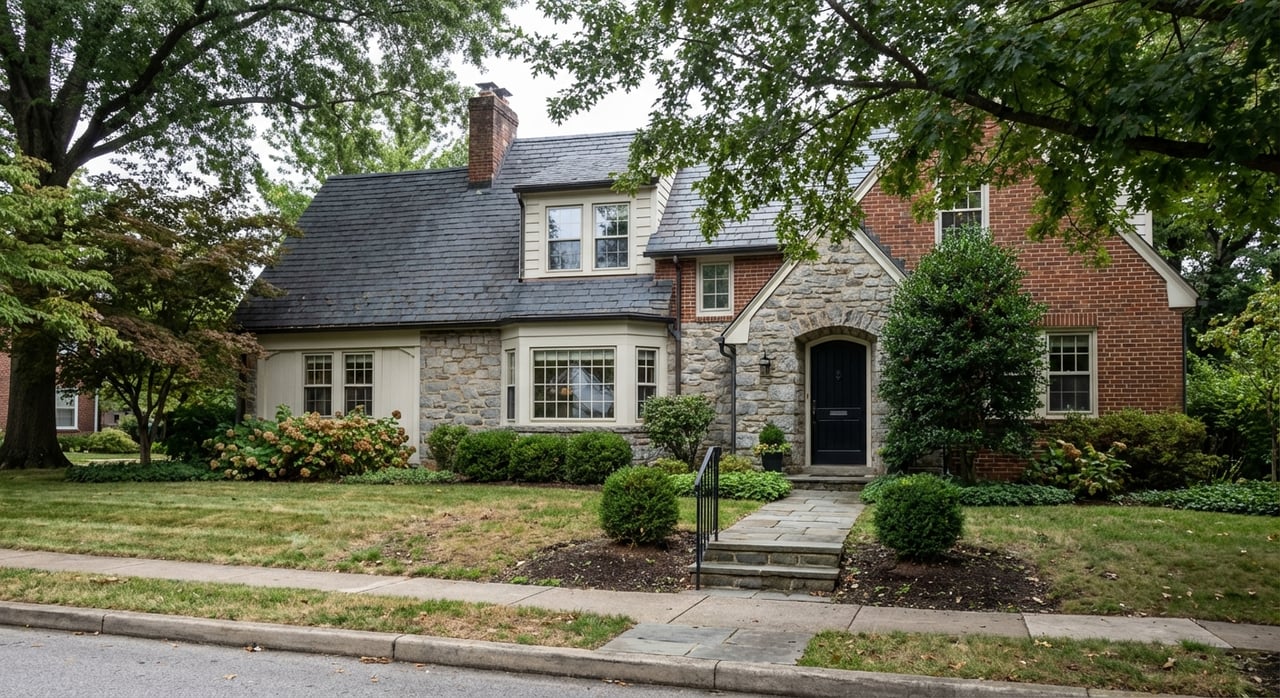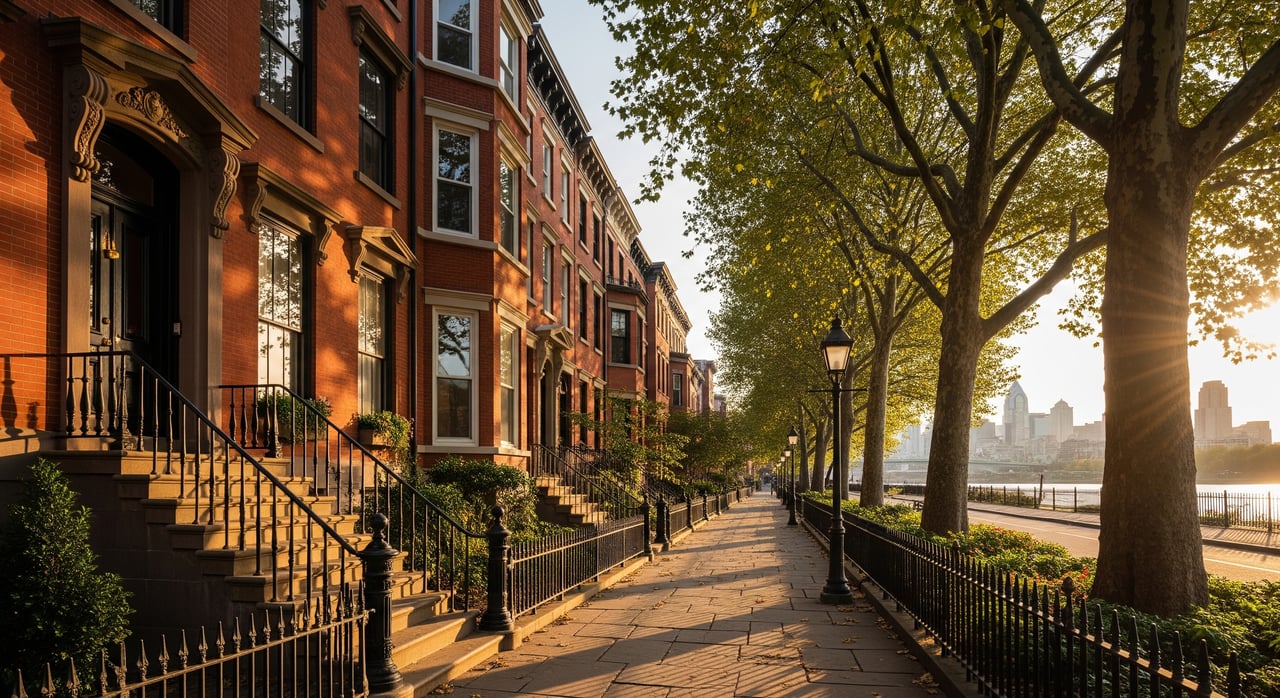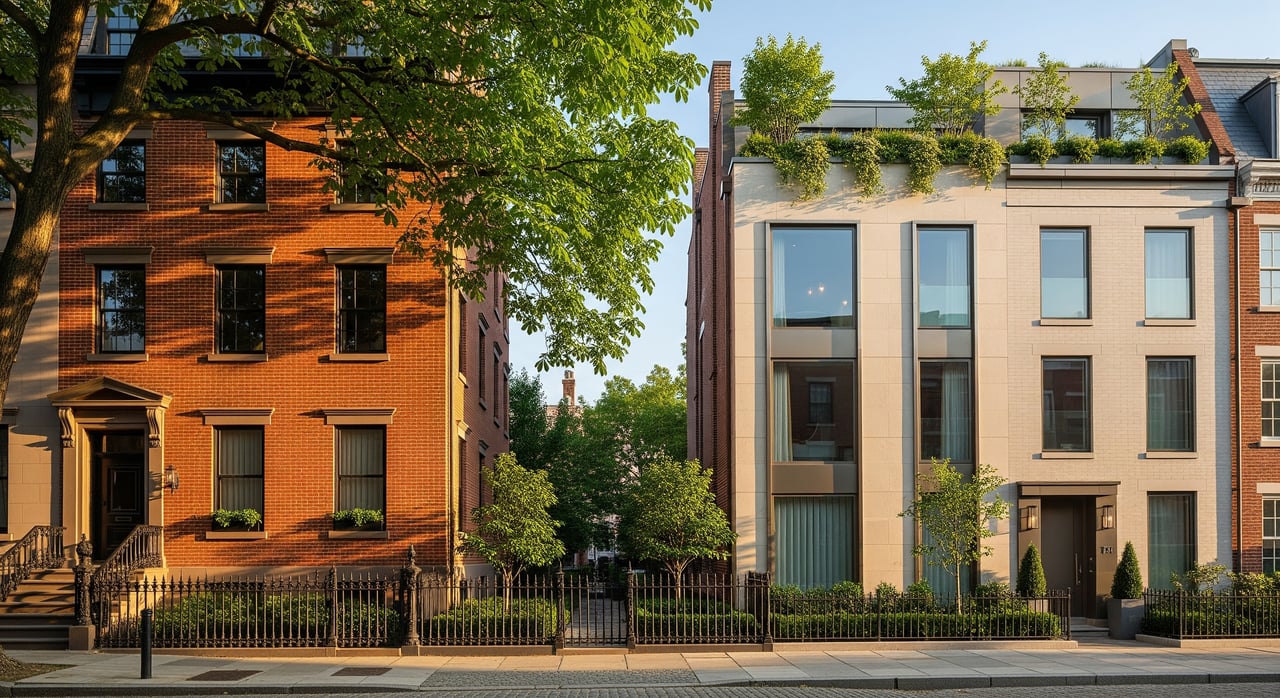
Thinking about buying a historic home in Society Hill? It can be an exciting move, but it also comes with a different set of rules, maintenance needs, and timeline questions than a typical resale home in Philadelphia. If you want the charm of old brick, original details, and one of the city’s most recognizable historic settings, it helps to know what you are walking into before you write an offer. Let’s dive in.
Why Society Hill homes are different
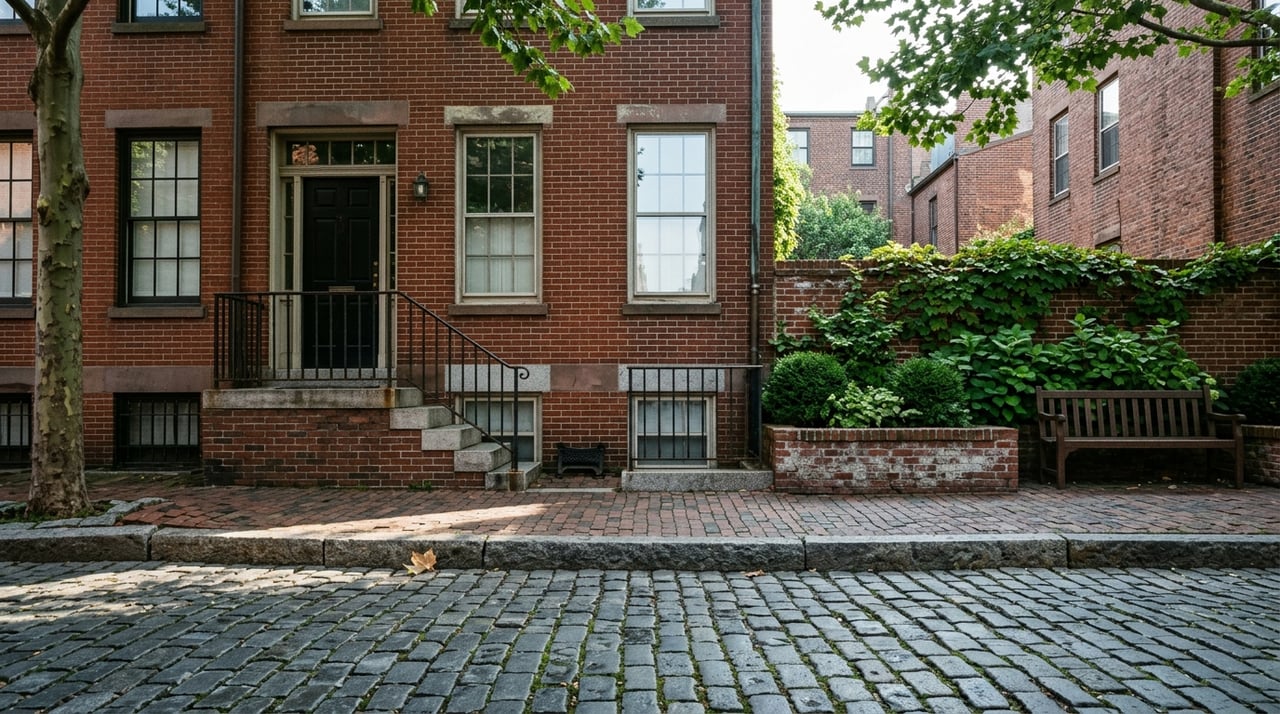
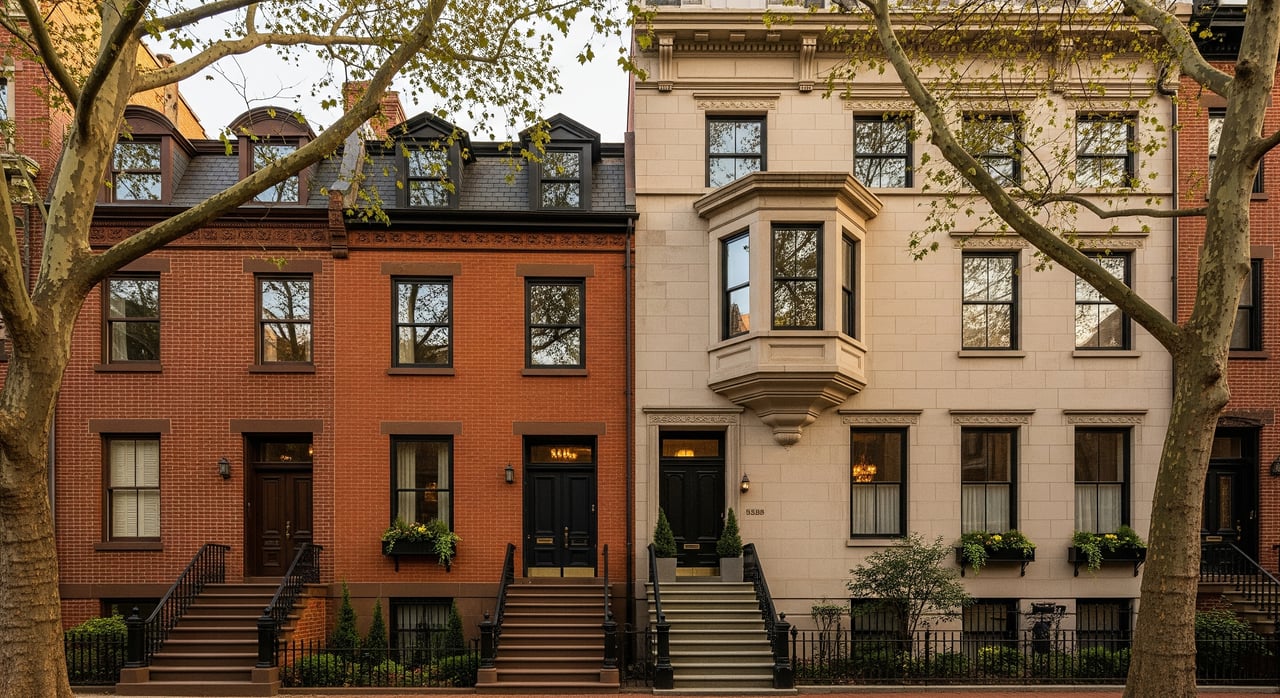
Society Hill is not just an older part of Philadelphia. It is a historic district with housing that spans centuries, including classic rowhouses, apartment buildings, and later infill homes. That mix gives the neighborhood its character, but it also means your purchase may come with preservation rules that affect future exterior work.
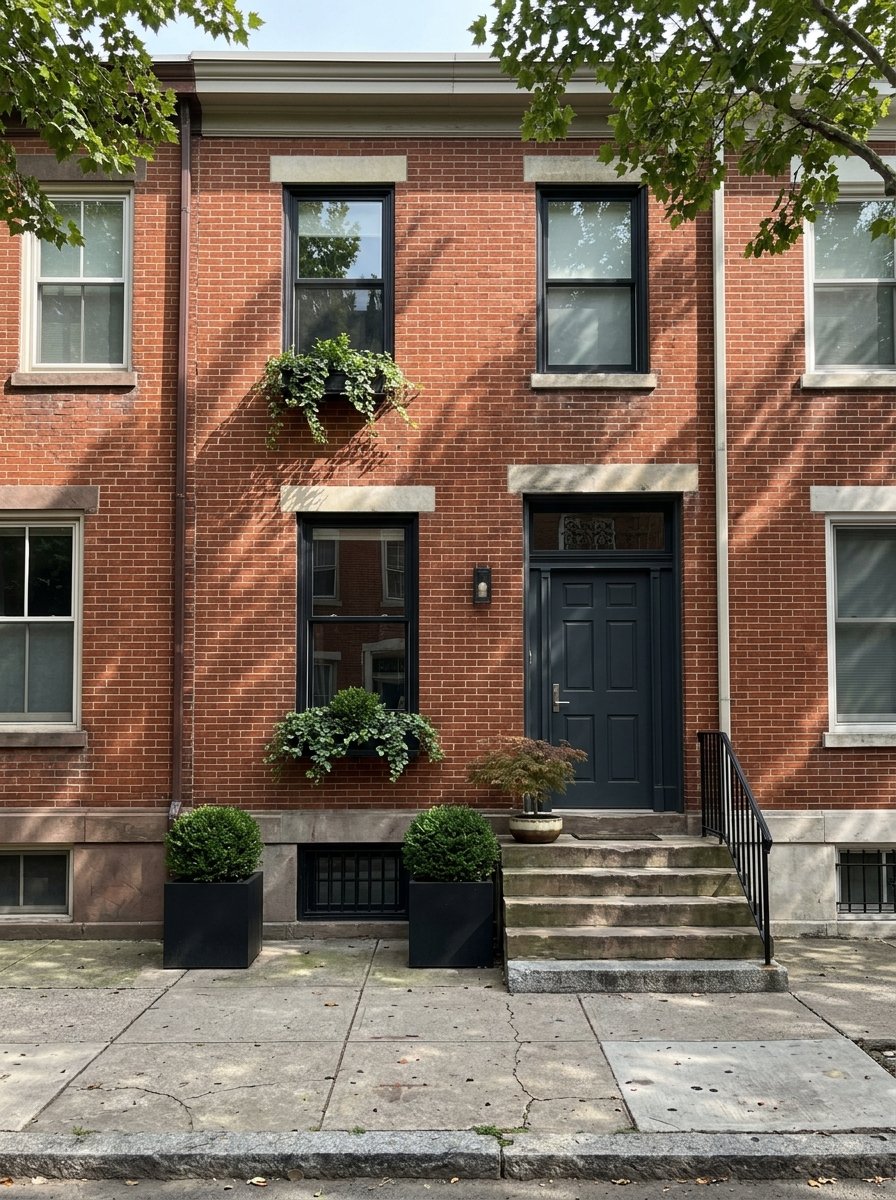
For many buyers, the biggest difference is this: you are not only buying the home itself, you are also buying into a preservation framework. In practical terms, exterior features like roofs, masonry, windows, stoops, and doors often matter more here than they would in a standard resale property.
How historic status affects ownership
If a property is listed on the Philadelphia Register of Historic Places, changes to the property may require approval from the Philadelphia Historical Commission as part of the permit process. In most cases, the city’s review focuses on exterior features, not interiors, unless the interior itself has been designated.
That matters because projects that seem simple in another neighborhood may need review in Society Hill. Window replacements, roofing, masonry work, doors, shutters, railings, fences, patios, exterior mechanical equipment, and similar changes can all fall under review.
What usually needs review
According to the City of Philadelphia, review may be required for:
- Additions and new construction
- Demolition
- Window and door changes
- Storm windows and shutters
- Roofing work
- Masonry repair
- Stoops, patios, fences, and walls
- Railings
- Exterior pipes, wires, and mechanical equipment
What usually does not
The city also notes that some routine maintenance typically does not require review. That can include scraping and painting wood trim, cleaning gutters, replacing clear window glass, gardening, and most interior alterations unless the interior is individually designated.
What the approval timeline can look like
One common fear is that every historic review turns into a long delay. In reality, the process is often more manageable than buyers expect, though it should still be part of your planning.
The City of Philadelphia says staff approves more than 90% of permit applications without committee referral. When that happens, reviews are generally completed within five working days. If a project cannot be approved at the staff level, it may go to the Architectural Committee and Historical Commission, and the Commission must act within 60 calendar days of receiving the permit application.
For you as a buyer, that means future work may not be impossible or even unusually slow, but you should build review time into your budget and post-closing plans. If you hope to update windows, repair masonry, or rework an entry right after closing, that timing matters.
Why due diligence matters before you offer
In Society Hill, your research should go beyond the usual questions about price, layout, and finishes. The Historical Commission’s files can include chains of title, fire insurance surveys, approved building permit applications, and photographs. Those records can help you understand what work has been done and whether past changes were properly approved.
Before making an offer, it is smart to verify the official OPA address, review the property’s permit history, and check the Historical Commission file if the home is on the register. This can be especially useful if you notice replacement windows, masonry patches, exterior additions, or any other visible alterations.
The city also maintains a Society Hill historic district owner manual that discusses issues owners commonly face. That can be a useful tool before inspection or right after it, especially when you are trying to figure out whether a visible repair looks routine or worth a deeper look.
What to focus on during inspection
Historic homes can be wonderful to own, but they reward careful inspection. In Society Hill, attached rowhouses and townhouses often share several common risk areas.
Roof and water management
Water is one of the biggest threats to an older home. Philadelphia’s rowhouse guidance calls the roof the home’s first line of defense, and stresses the importance of drains, gutters, downspouts, and proper discharge.
A leaking roof or clogged drainage system can affect much more than the top floor. It can accelerate damage to masonry, wood, plaster, paint, and structural elements. During inspection, you want clear information about roof age, flashing condition, drainage performance, and any signs of active or past leaks.
Masonry and mortar condition
Brick walls are part of what gives Society Hill homes their appeal, but masonry issues can be expensive if ignored. Look closely for cracked or missing mortar, loose brick or stone, damp walls, and signs of poor past repointing.
Historic masonry needs compatible repair materials. If mortar is too hard or poorly matched, it can damage the surrounding brick over time. Moisture is often the deeper cause, so masonry problems should lead to more questions about roofs, gutters, drainage, and settlement.
Windows and doors
Windows and doors deserve extra attention in a historic district. Changes to these exterior features often require review, and historic guidance generally favors repair over replacement when possible.
That does not mean every older window is a deal breaker. It does mean you should understand the condition, function, and likely repair path before closing. If replacement seems necessary, matching the existing design, materials, and appearance may affect both cost and approval.
Basement and structural concerns
Basements can reveal a lot about an older city home. In attached houses, structural stability can be affected by settlement, pressure from neighboring buildings, or past work involving the basement or party walls.
Philadelphia’s rowhouse guidance notes that wall bulging or tilting should not be treated as a cosmetic issue. If an inspector flags those conditions, it may be worth getting an engineer’s opinion before you move forward.
Older systems and safety
Older plumbing and electrical systems can increase both repair risk and ongoing ownership costs. A strong home inspection should include close review of the electrical system, plumbing, water heater, and signs of water damage or infestation.
Ventilation and safety devices matter too. In older homes, regular appliance maintenance and working carbon monoxide detection are especially important.
Lead paint is part of the conversation
Because many Society Hill homes were built before 1978, lead-based paint can be a relevant issue during your purchase. Federal rules require certain disclosures for many pre-1978 home sales, and buyers generally have the right to review available lead records before signing.
This becomes especially important if you are planning renovations or repairs after closing. Disturbing old paint can create lead dust, so it is worth understanding the home’s records and discussing any concerns early in the process.
Insurance and budgeting for a historic home
A historic home budget should go beyond your mortgage payment and basic maintenance. Insurance is one area where buyers can get surprised.
Consumer insurance guidance notes that homes should generally be insured based on replacement cost rather than market value. In older homes, replacement costs can run higher because materials and details may be more expensive to repair or recreate. Aging plumbing and electrical systems can also affect premiums.
Flood risk is another item to review because standard homeowners insurance does not cover flood damage. Before you finalize an offer, it is wise to get an insurance quote so you have a clearer picture of your true monthly and annual ownership costs.
A smart Society Hill offer strategy
When you buy in Society Hill, a strong offer is not just about price. It is also about entering the transaction with a clear picture of approval issues, likely maintenance, and near-term costs.
A practical checklist looks like this:
- Verify the official property address
- Review permit history and Historical Commission records
- Confirm whether your planned exterior work may need approval
- Schedule a detailed inspection with special attention to roof, masonry, windows, basement, and systems
- Request an insurance quote before finalizing the deal
That approach helps you avoid treating a historic home like a standard resale. In this neighborhood, first-year ownership costs can be shaped as much by exterior maintenance and approval timing as by the contract price.
What buying here really means
Buying a historic home in Society Hill can be deeply rewarding. You get architecture, texture, and a sense of place that newer homes rarely offer. But you also need to be realistic about the responsibilities that come with preserving an older property in one of Philadelphia’s best-known historic settings.
If you go in with the right expectations, a solid inspection strategy, and a clear understanding of what the city may review, you can make a confident decision. The goal is not to avoid historic homes. It is to buy one with your eyes open and a plan in place.
If you are thinking about buying in Society Hill and want clear, local guidance through the search, inspection, and offer process, Connor Gorman can help you navigate the details with confidence.
FAQs
What makes buying a historic home in Society Hill different from buying a typical Philadelphia rowhouse?
- Society Hill purchases often involve historic district rules that can affect exterior repairs, renovation approvals, maintenance costs, and project timing.
What exterior work on a Society Hill historic home may need Philadelphia Historical Commission approval?
- Work such as window changes, door replacements, roofing, masonry repair, stoop work, patios, fences, walls, railings, and exterior mechanical installations may require review.
How long can Philadelphia Historical Commission review take for a Society Hill property?
- Many applications are approved by staff within about five working days, but projects that go to committee and Commission review can take longer, with the Commission required to act within 60 calendar days of receiving the permit application.
What should I inspect first when buying a Society Hill historic rowhouse?
- Pay close attention to the roof, gutters, drainage, masonry, windows, basement conditions, structural movement, plumbing, electrical systems, and any signs of water intrusion.
Why should Society Hill buyers check Historical Commission records before making an offer?
- The files can show prior permits, approvals, photographs, and other property history that may help you spot unapproved work, understand past changes, and plan future repairs.
Do pre-1978 Society Hill homes raise lead paint concerns for buyers?
- Yes. Many older homes may contain lead-based paint, and buyers are generally entitled to review available lead records before signing in covered sales.
How should I budget for a historic home purchase in Society Hill?
- Plan for inspection costs, possible specialty repairs, insurance based on replacement cost, and the time and expense that can come with exterior work subject to historic review.