Is your first Philly home calling you to the riverfront, coffee shops, and music venues of Fishtown? You’re not alone. Many first-time buyers love the walkability, food scene, and quick commute to Center City, but they also want a calm block to come home to and a price that fits the budget. In this guide, you’ll get clear numbers, street-by-street context, and a practical checklist to decide if Fishtown fits your life and wallet. Let’s dive in.
What Fishtown feels like
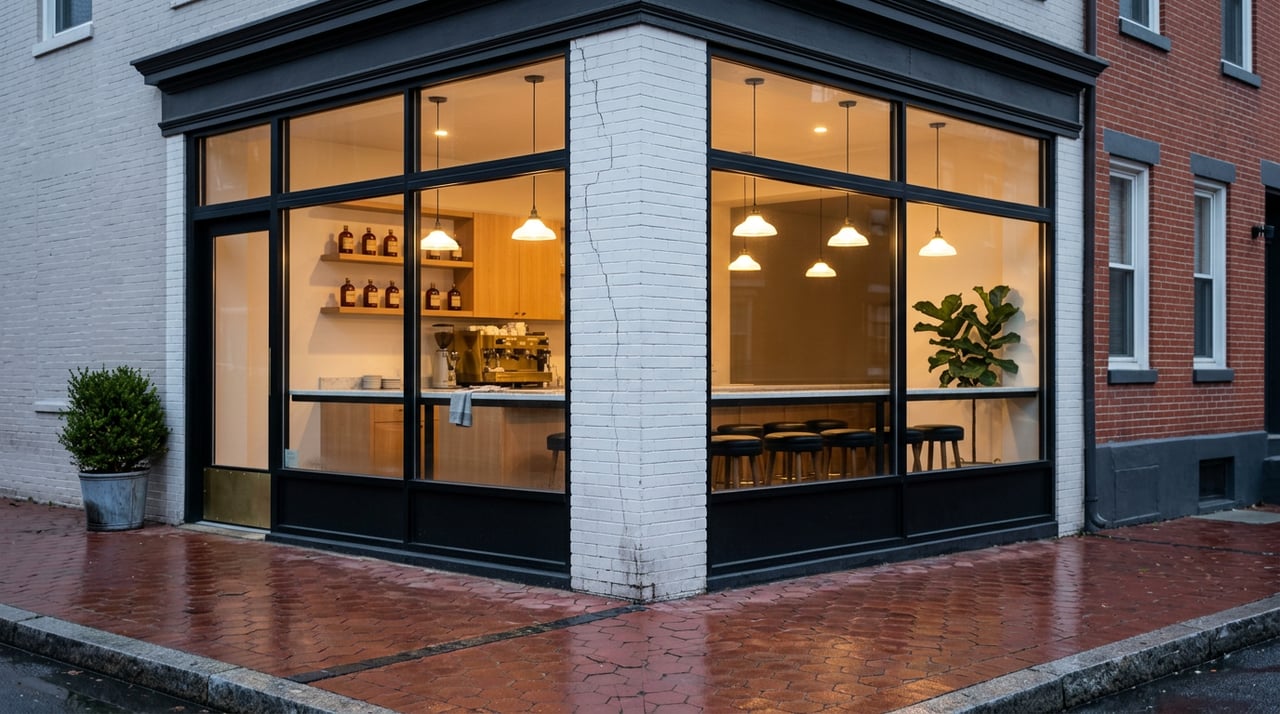
Fishtown sits in Philadelphia’s River Wards, where a former working-waterfront has evolved into a compact neighborhood known for independent restaurants, music venues, and small businesses. The Fishtown Neighbors Association identifies Frankford Avenue, Girard Avenue, and Front Street as the main commercial corridors that shape its feel and activity patterns. You can see how the neighborhood is organized in the association’s published design guidelines and map of the official area and corridors (Fishtown Neighbors Association design guidelines).
Visitor guides describe Fishtown as food and music forward, with a younger-leaning buyer and renter base and a lively evening scene. Penn Treaty Park along the Delaware River adds open space and a quieter daytime counterpoint to the main drags (Philadelphia Visitor Center’s Fishtown overview).
What starter homes cost
If you want one clear benchmark, Redfin reported a median sold price of about $428,500 as of February 2026 for Fishtown. That reflects actual closed sales rather than list prices. Price per square foot in recent neighborhood reports often falls in the $250 to $307 per square foot band, and days on market have ranged from several dozen to the low 100s in 2025–2026. Keep in mind that different sources use different methods, so always note whether you’re looking at sold prices, list prices, or an index.
Here’s how entry points usually break out:
- Lower-end condos and small rowhouses: about $200,000 to $400,000. These are often compact, sometimes renovated, and can be strong first-home candidates depending on condition.
- Renovated 2–3 bedroom rowhouses and many townhomes: about $400,000 to $800,000. This is the sweet spot for a lot of first-time buyers who want move-in-ready homes near the action.
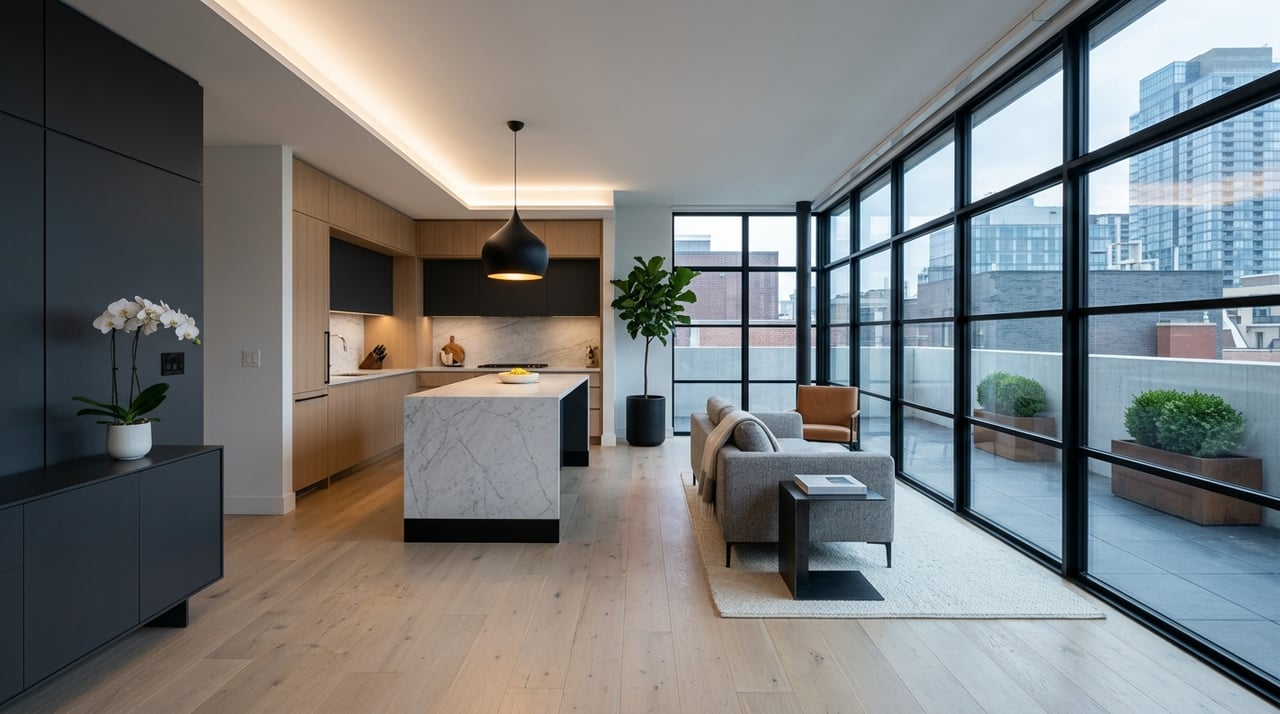
- Newer townhomes, riverfront, and luxury units: $800,000 to $1.6M+. These bring bigger footprints, modern finishes, and features like rooftop decks.
When you compare medians across neighborhoods, use the same provider and a date stamp so you’re judging apples to apples. Numbers shift as listings and new-build phases hit the market.
What you’ll actually tour
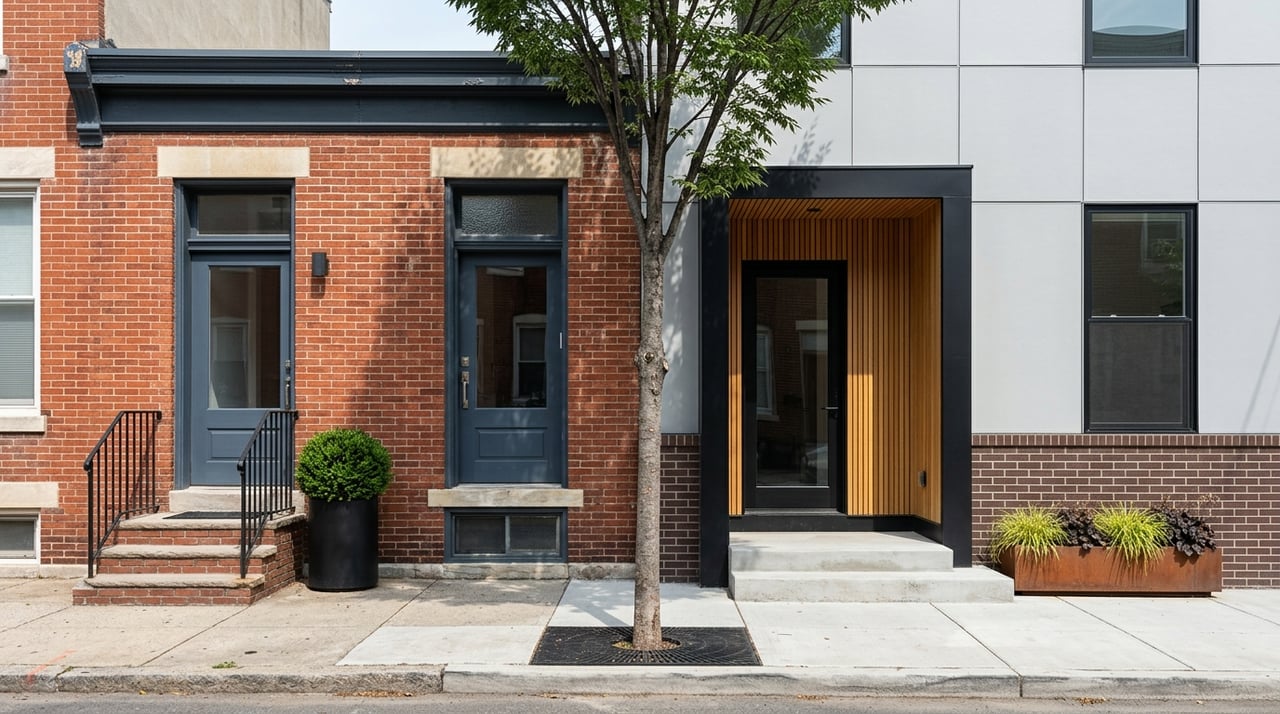
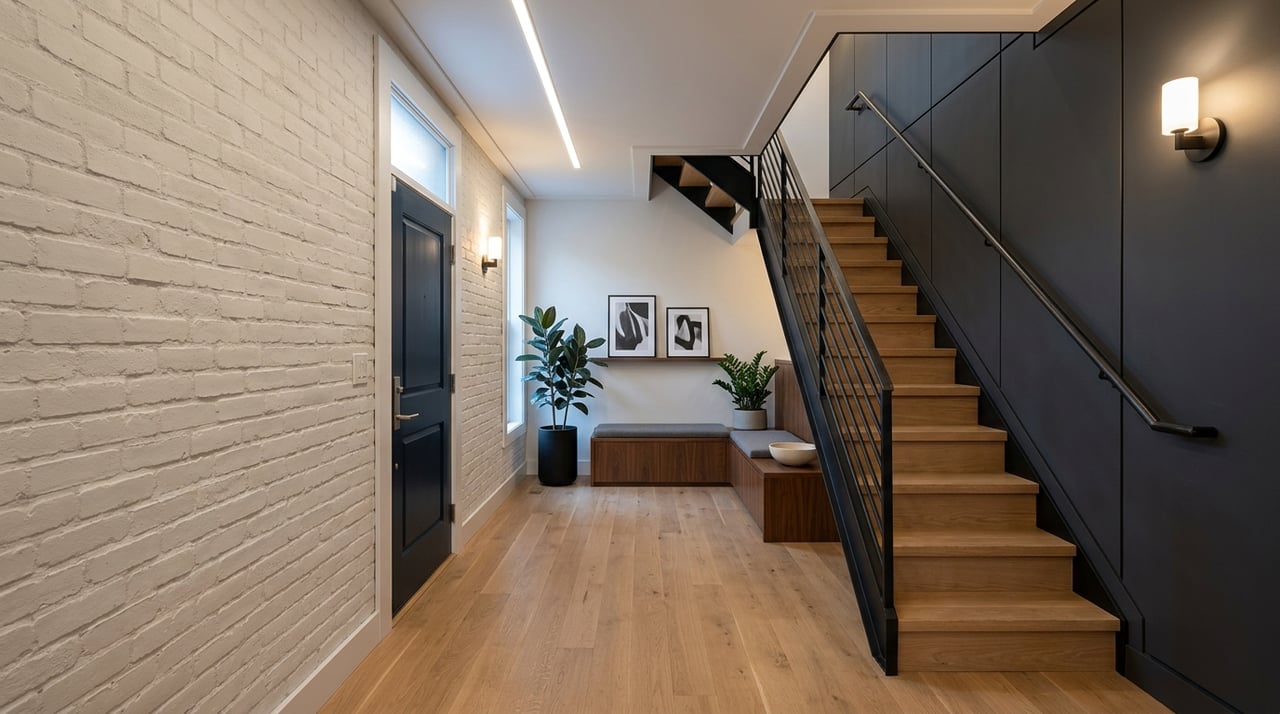
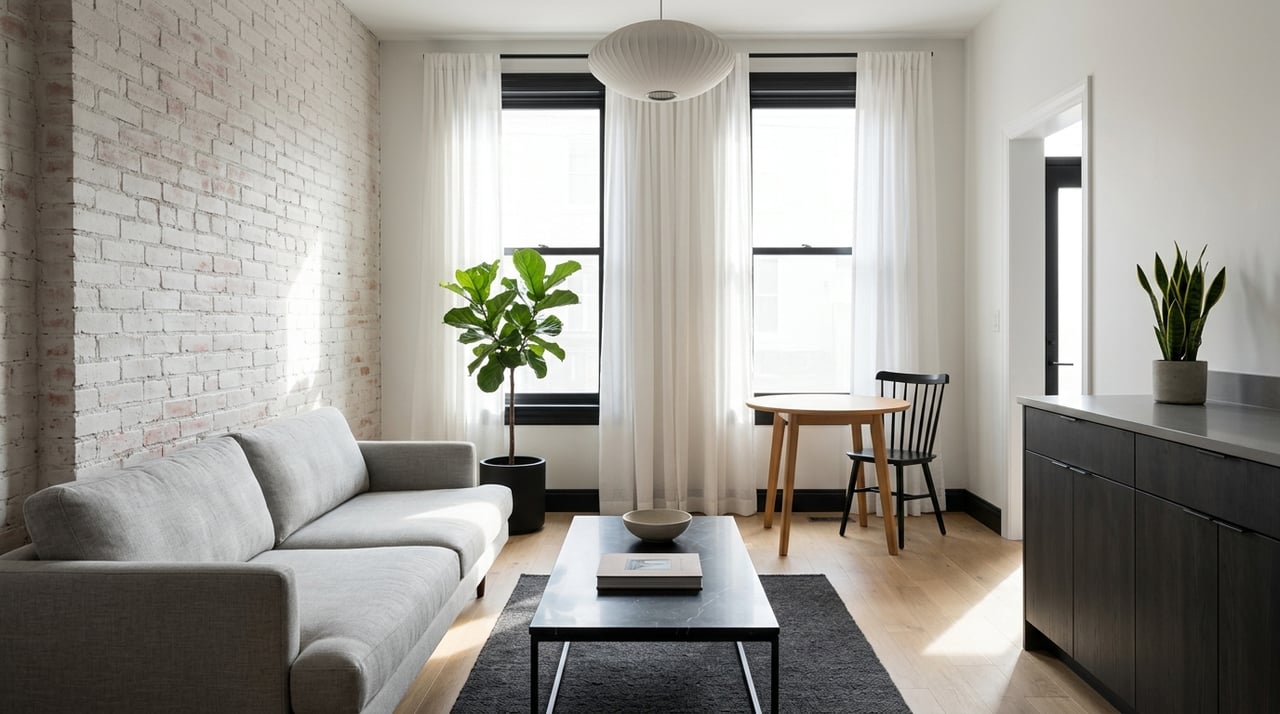
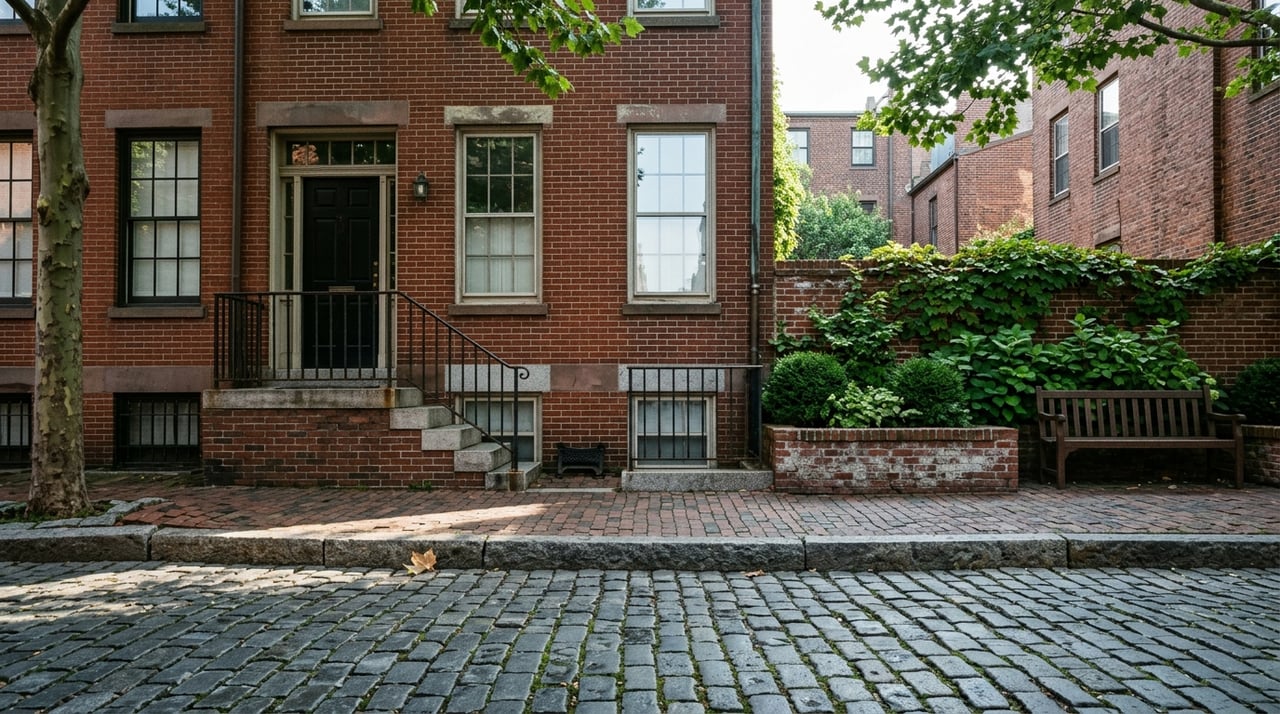
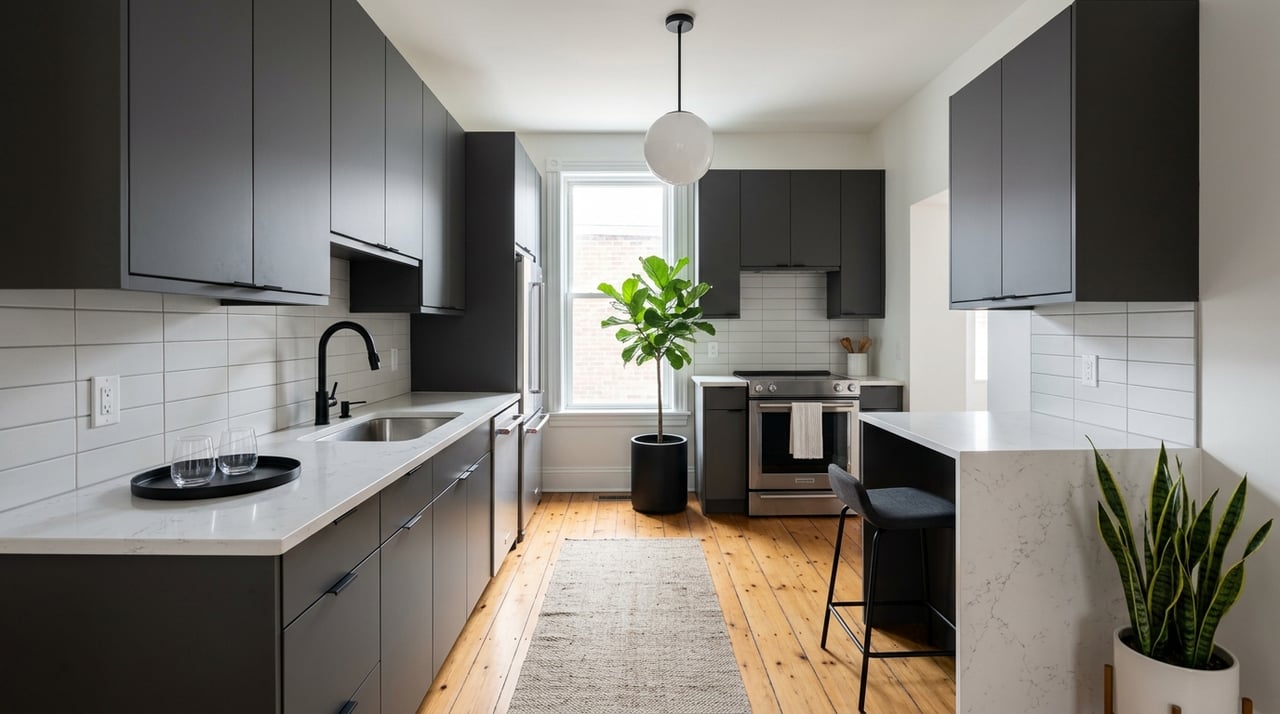
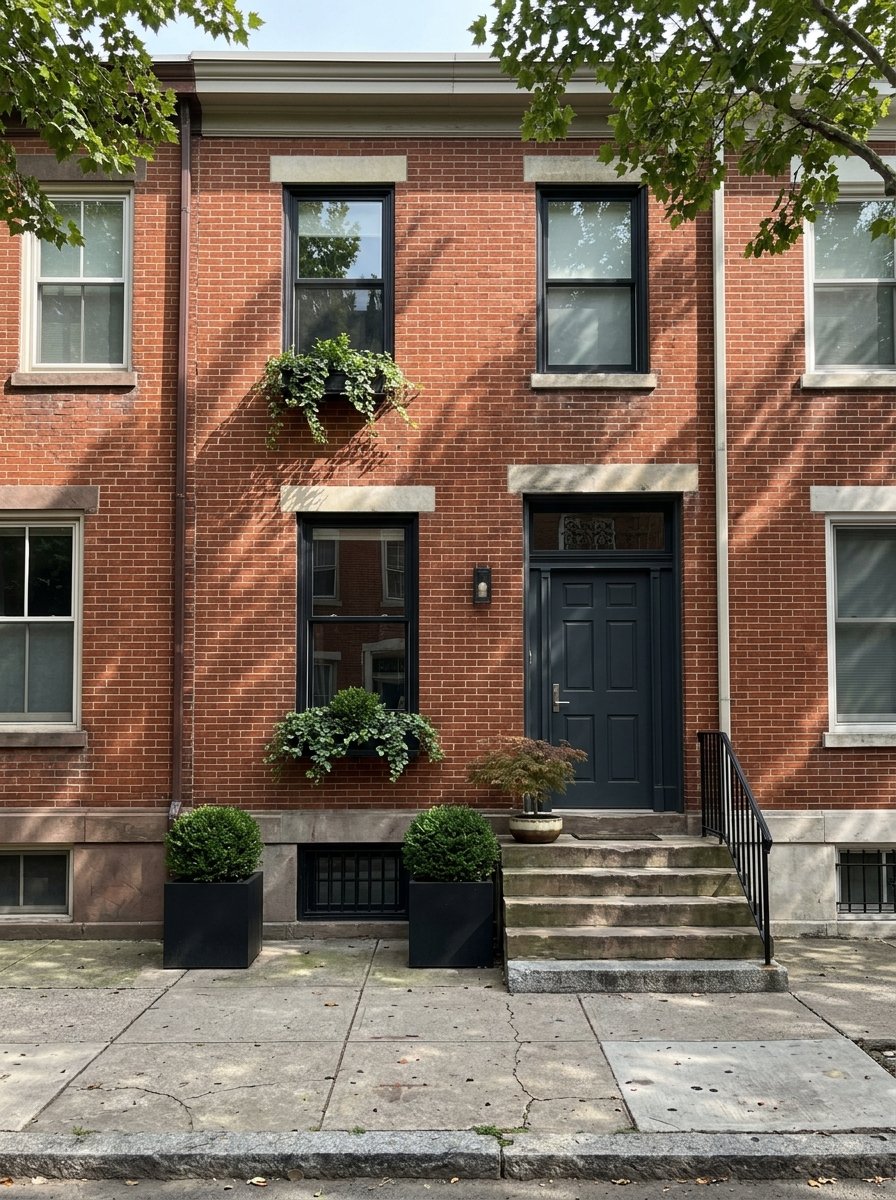
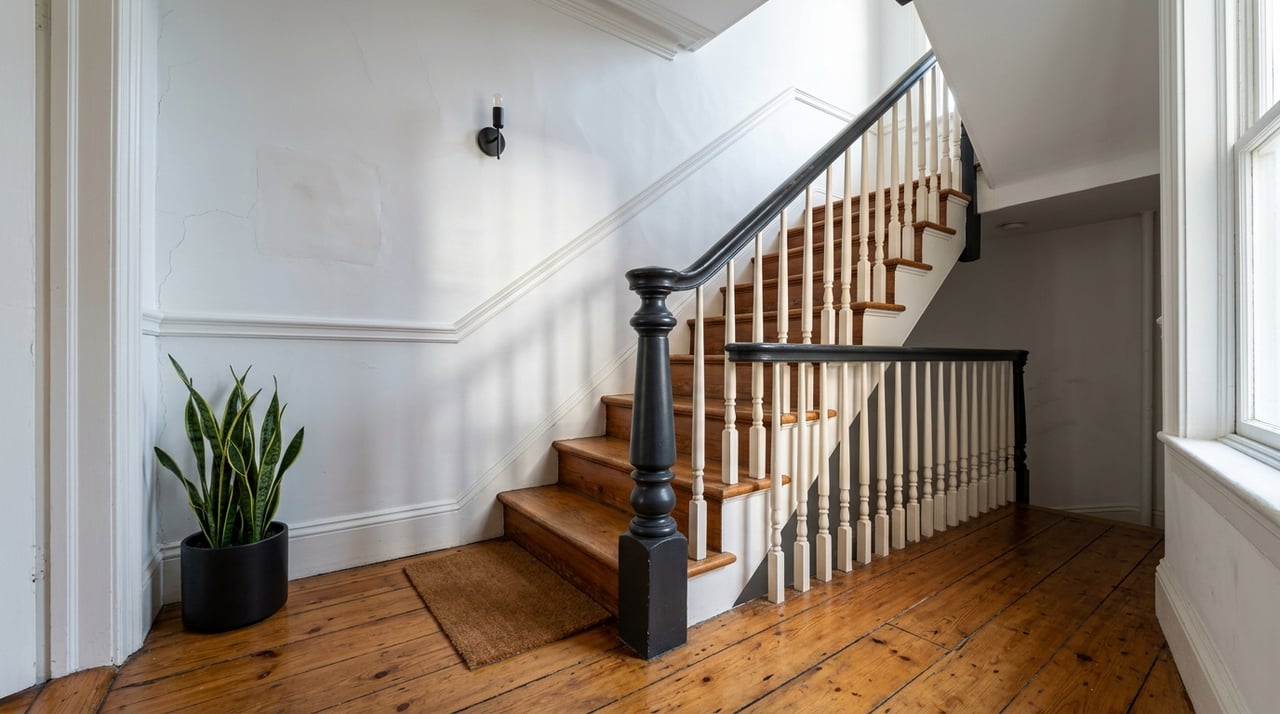
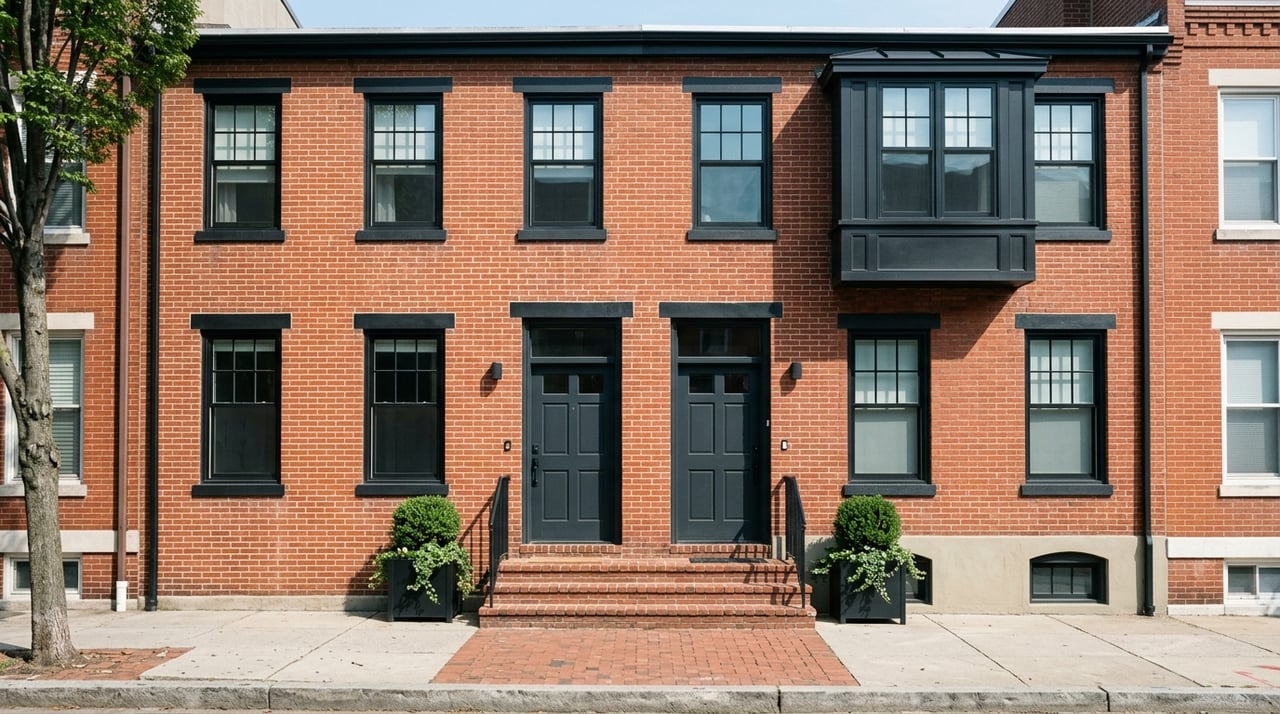
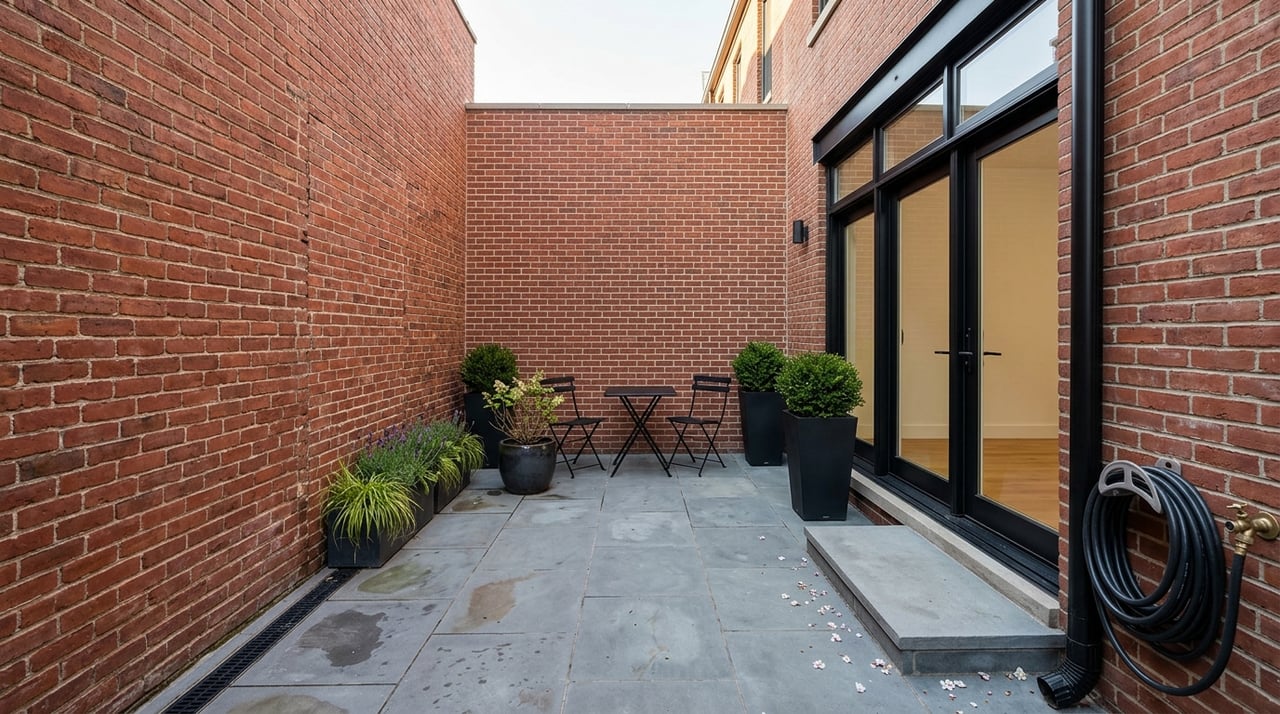
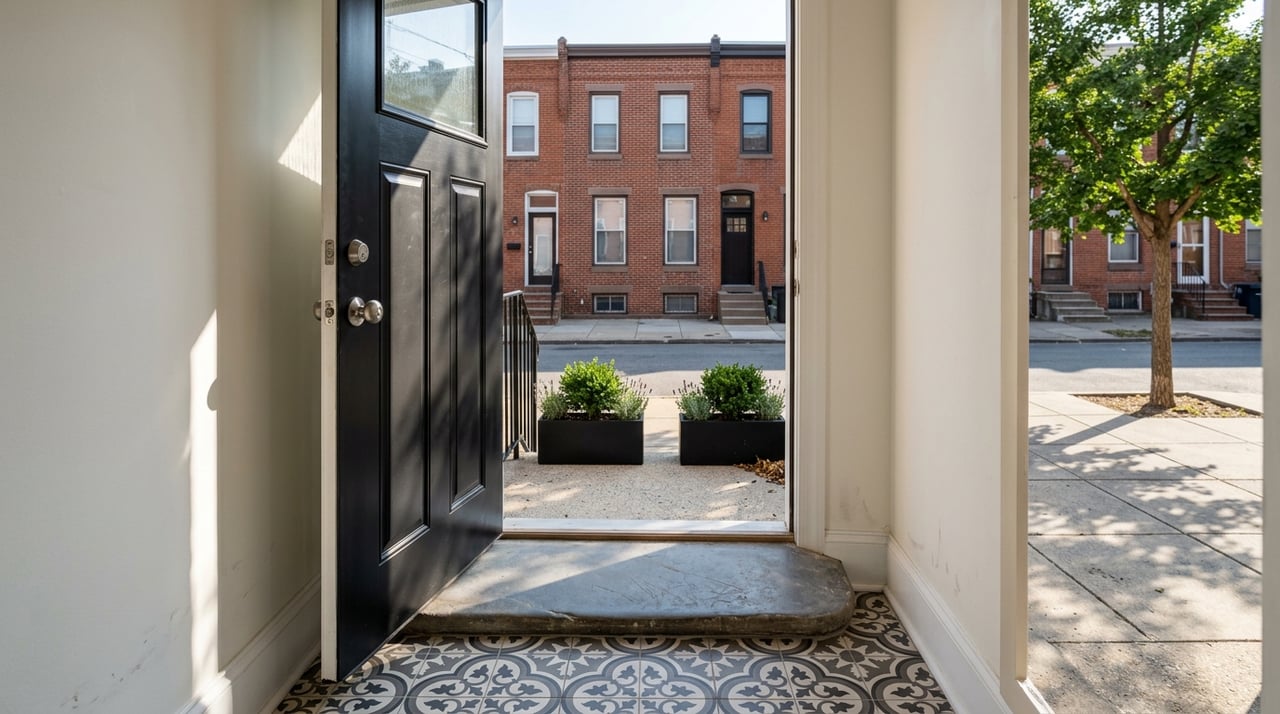
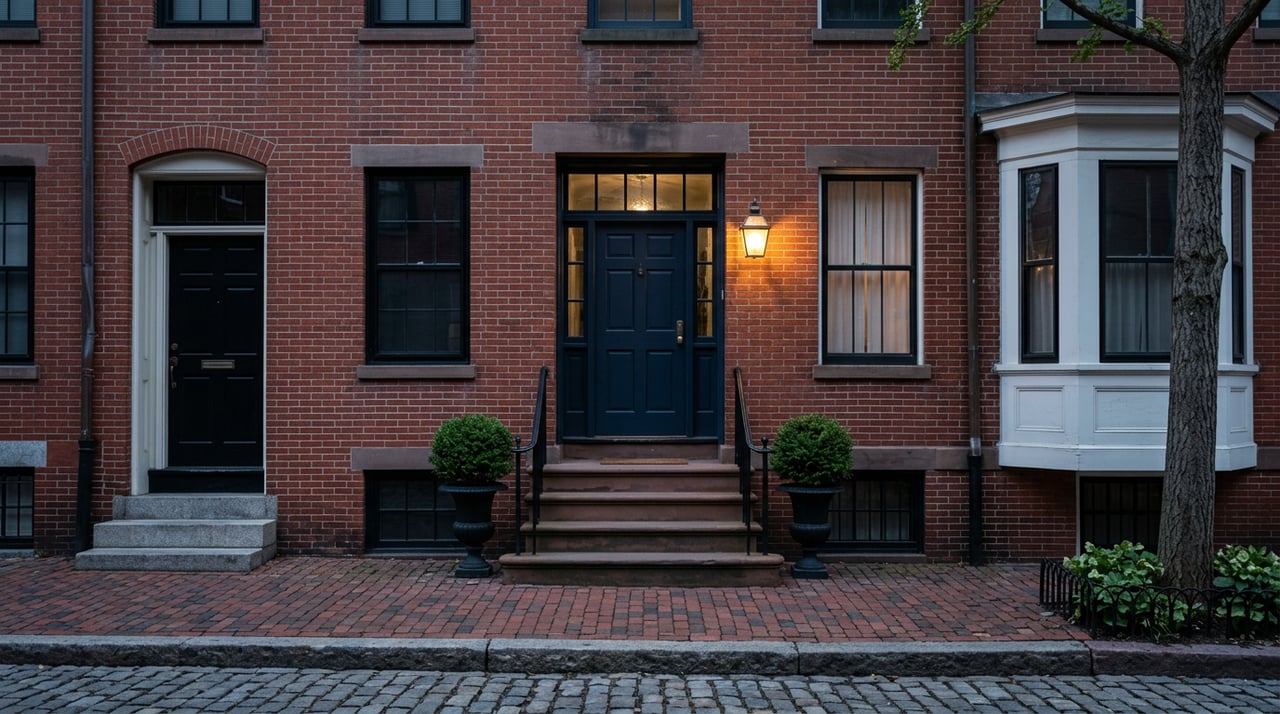
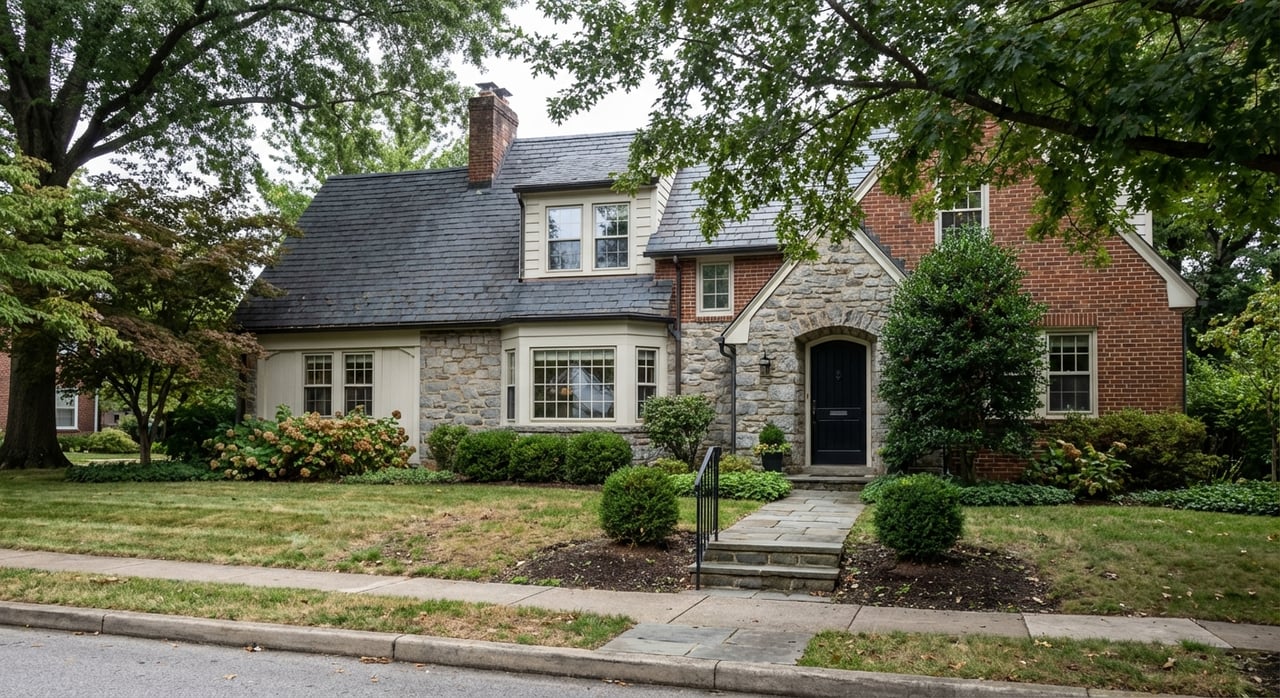
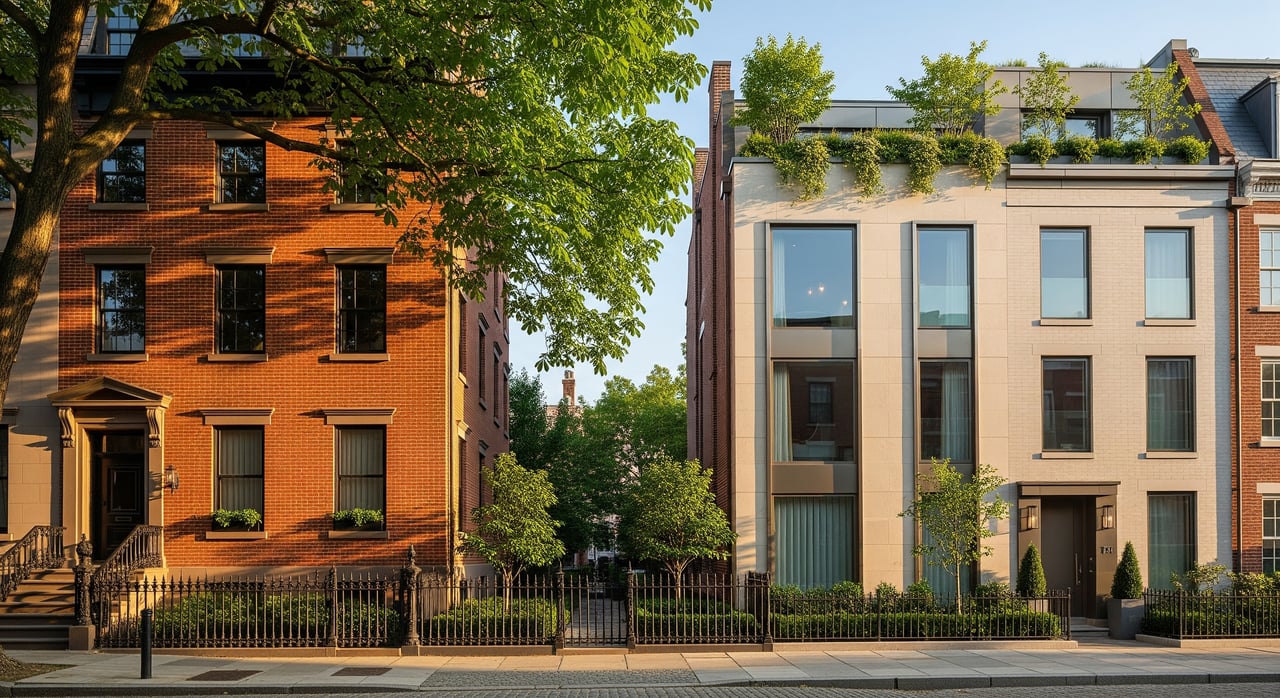
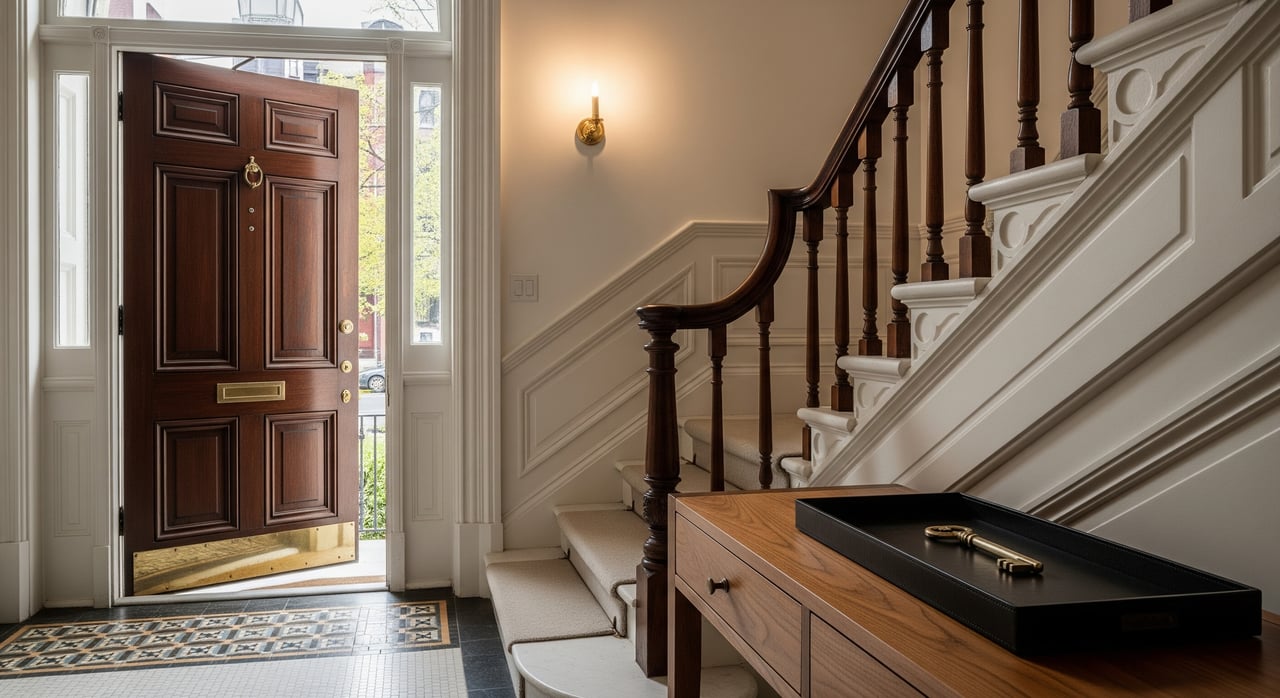
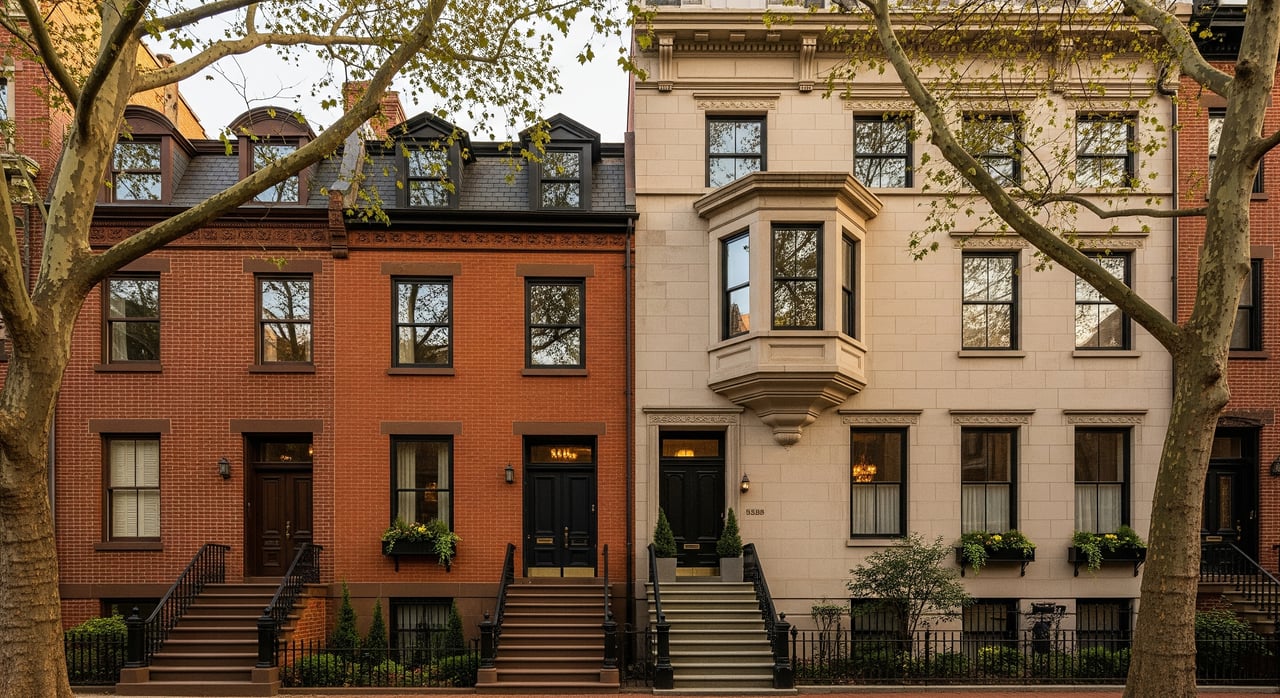
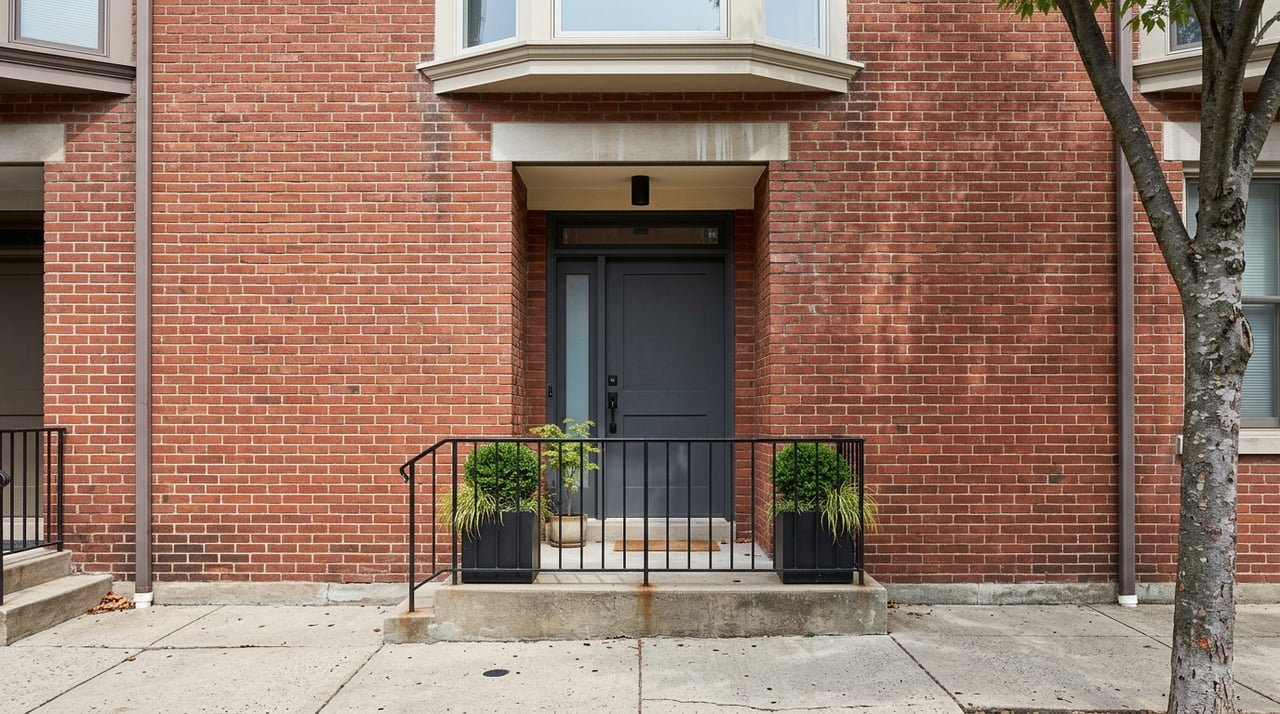
Most first-time buyers in Fishtown tour classic Philadelphia brick rowhouses, often 2–3 stories with 2–3 bedrooms and finished basements. You’ll also see small condo and loft conversions plus a growing set of newer townhomes, especially near the river and on redeveloped lots. Newer builds commonly add 3–4 bedrooms, larger kitchens, and rooftop decks (Fishtown Neighbors Association design guidelines).
Parking is the tradeoff on many traditional blocks. The neighborhood’s design guidance flags curb-cut and parking issues, and a lot of buyers choose proximity to transit and amenities over private parking. If you need a garage, target modern developments that include them or look for blocks with off-street options (Fishtown design guidance on streets and parking).
Street-by-street vibe
You’ll feel the most activity on Frankford Avenue, Girard Avenue, Front Street, and parts of 2nd Street. These are home to restaurants, bars, venues, and breweries, and they stay lively into evenings and weekends (Fishtown corridor overview).
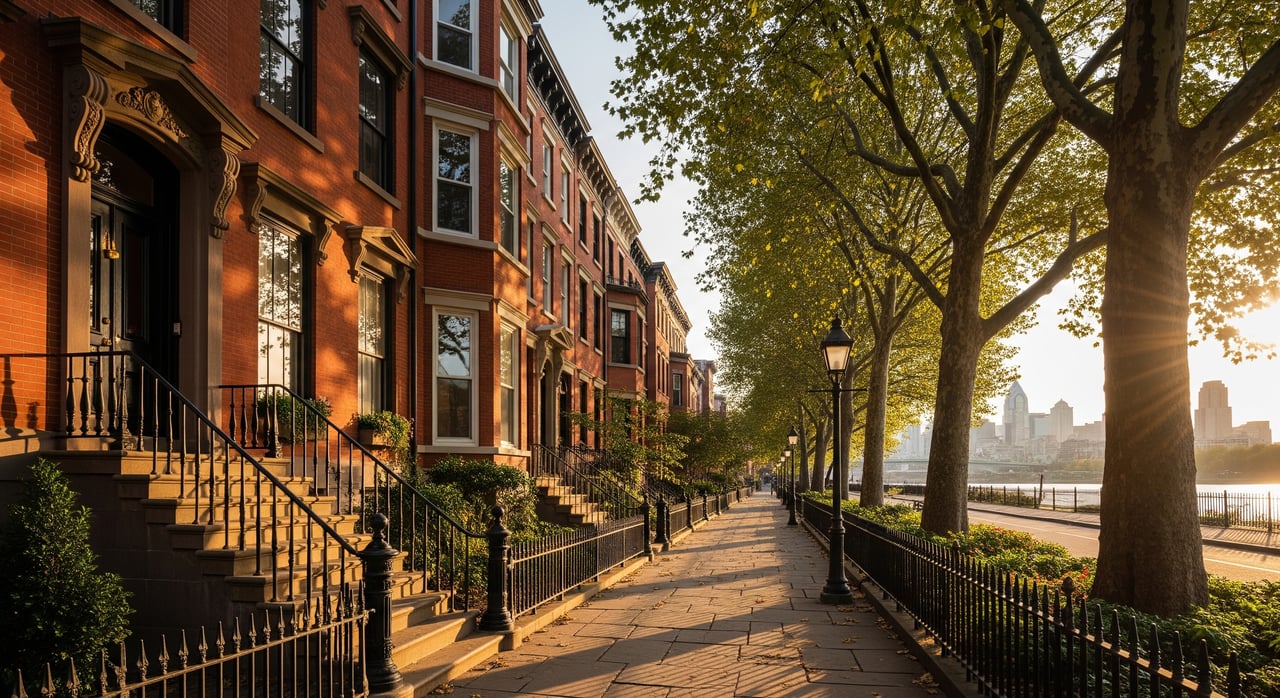
Step one or two blocks off the main drags and life gets quieter, especially on short, tree-lined side streets or toward the river. Many buyers find a happy medium by living just outside the core while staying a quick walk to coffee and dinner. For a calm daytime reset, Penn Treaty Park and the riverfront offer green space and views (Philadelphia Visitor Center on Penn Treaty Park and Fishtown).
Pro tip: Walk the exact block you’re considering on a weeknight and a weekend night. Two nearby addresses can feel very different after 8 p.m.
Getting around
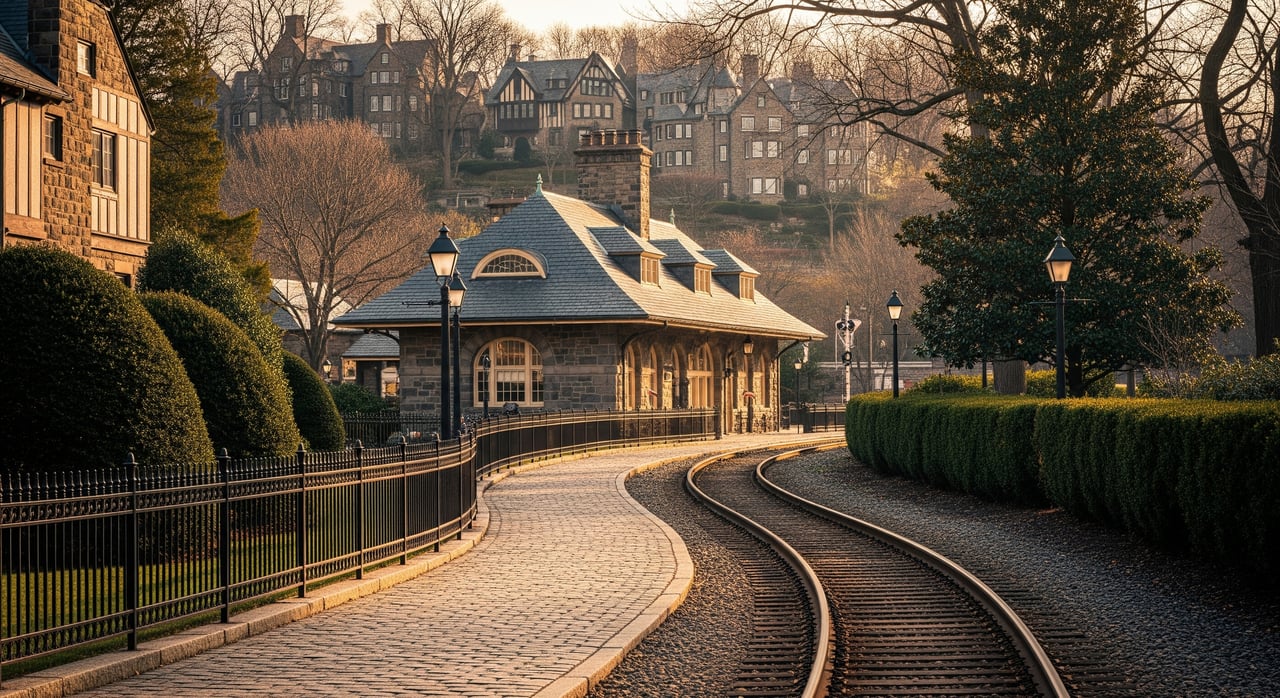
Fishtown is served by SEPTA’s Market–Frankford Line with nearby stations at Girard and Berks, plus bus and trolley connections along Girard Avenue. Many locals pick the neighborhood for a fast transit ride into Center City. Depending on your origin, route, and time of day, plan for roughly a 10 to 15 minute MFL trip from Girard or Berks to the core of Center City (VeryApt neighborhood guide reference). Test the commute at your actual hours to confirm your timing.
Walkability and bike access are strong, with many central Fishtown addresses scoring in the mid-80s to mid-90s on common walk and bike indices. If a car-free lifestyle matters to you, focus your search within a few blocks of your most-used station or bus line.
How Fishtown compares nearby
- Northern Liberties: Often pricier on many metrics and more plaza and retail centric. If you want a newer-build feel with active squares, it is a natural comparison.
- Fishtown: Food and music culture with renovated rowhouses and newer infill. Residential pockets near the river can offer a quieter home base with quick access to the scene.
- East/Olde Kensington and Port Richmond: Frequently show lower entry prices on some blocks and wider variability. These can be value plays for buyers comfortable with a more block-by-block approach to amenities and retail.
When you compare prices, pull them from the same source and month for each neighborhood so trends are clear.
First-time buyer checklist for Fishtown
Use this step-by-step list to decide if Fishtown is a fit and to shop confidently.
- Budget band and real examples
- Target your range based on what you’ll actually tour: about $300,000 to $600,000 covers many smaller rowhouses and renovated 2–3 bedroom options, with some condos below and newer builds above. Note whether you’re quoting sold prices or list prices and include the date.
- Parking vs. transit tradeoff
- Confirm if a property offers a garage, rear parking pad, or only street parking. Many traditional blocks lack private parking, which is why proximity to the MFL, bus, or trolley can be a major value-add (Fishtown design guidance on parking).
- Noise and nightlife
- Visit the block in the evening and on a weekend. Expect more activity near Frankford, Girard, Front, and 2nd, and quieter interiors on nearby side streets. Your comfort level with street energy should guide your micro-location choice (Fishtown corridor overview).
- Condition and renovation risk
- Many homes were renovated over the past decade. Budget for inspections and possible deferred maintenance in older rowhouses, even if finishes look new. Ask your agent for historical sale notes to understand what was updated and when.
- Taxes and abatements
- Philadelphia’s 10-year tax abatement program shaped much of the recent new construction pipeline. If you’re considering a newer unit, verify whether it’s abated and how many years remain, since that affects your monthly costs (Inquirer explainer on abatements).
- Down payment help and financing
- Explore Pennsylvania Housing Finance Agency (PHFA) programs and the City’s first-time buyer resources, which can reduce your cash to close. Work with a lender familiar with PHFA products so you can stack assistance effectively (PHFA overview and guide).
- Safety and schools
- Review block-level data through Philadelphia Police or city OpenData resources, and consider multiple visits at different times of day. If schooling matters, look up current catchments and official information for nearby public schools such as Alexander Adaire before you buy. Third-party sites can be a starting point for broader context (CrimeGrade neighborhood reference).
- Local market dynamics
- Market numbers and inventory change fast. For accuracy, track one provider and cite the date on every stat you compare. As of February 2026, a useful benchmark was a $428,500 median sold price in Fishtown on Redfin.
Is Fishtown right for you?
Choose Fishtown if you want a walkable, restaurant-rich neighborhood with an easy train ride into Center City and a mix of lively corridors and quieter blocks a short walk away. Expect classic rowhouses, some polished new builds, limited private parking on older blocks, and a wide price range that lets many first-time buyers enter between about $300,000 and $600,000, with room to stretch for newer townhomes.
If you like the scene but want a calmer feel or a lower entry price, explore nearby pockets in East/Olde Kensington or Port Richmond. If you prefer a plaza-centric environment and are comfortable with higher medians, include Northern Liberties on your tour list. The best fit comes from walking the blocks, riding the MFL at your commute time, and pressure-testing your budget against actual listings.
Ready to compare homes, blocks, and financing options with a local expert at your side? Reach out to Connor Gorman to start your Fishtown home search with a clear plan.
FAQs
What are Fishtown home prices right now for first-time buyers?
- As a benchmark, Redfin reported a $428,500 median sold price for Fishtown in February 2026, with many first-time purchases falling between about $300,000 and $600,000 depending on size and finish.
Which Fishtown streets are the busiest at night?
- Expect the most activity along Frankford Avenue, Girard Avenue, Front Street, and parts of 2nd Street, with quieter side streets one or two blocks off those corridors.
How long is the commute from Fishtown to Center City by train?
- From Girard or Berks stations on SEPTA’s Market–Frankford Line, plan roughly 10 to 15 minutes to reach core Center City, depending on your exact origin, timing, and transfers.
Is parking hard to find in Fishtown rowhouse areas?
- Many traditional blocks were built without garages, so private parking can be limited; buyers often trade a garage for walkability and transit, or they target newer townhomes that include parking.
How does Fishtown compare to Northern Liberties or East/Olde Kensington on price?
- Northern Liberties is commonly higher on many listing metrics, while East/Olde Kensington and parts of Port Richmond can offer lower entry points on some blocks; compare medians from the same data source and month for clarity.