Thinking about trading Center City bustle for Chestnut Hill calm without giving up an easy train ride? You are not alone. Many buyers look at the two SEPTA Regional Rail branches that end in Chestnut Hill and wonder which one fits their daily life better. In this guide, you will get a clear, practical comparison of Chestnut Hill East and Chestnut Hill West through the lens of walkability, parking, commute rhythm, nearby amenities, and housing styles. Let’s dive in.
Chestnut Hill in a snapshot
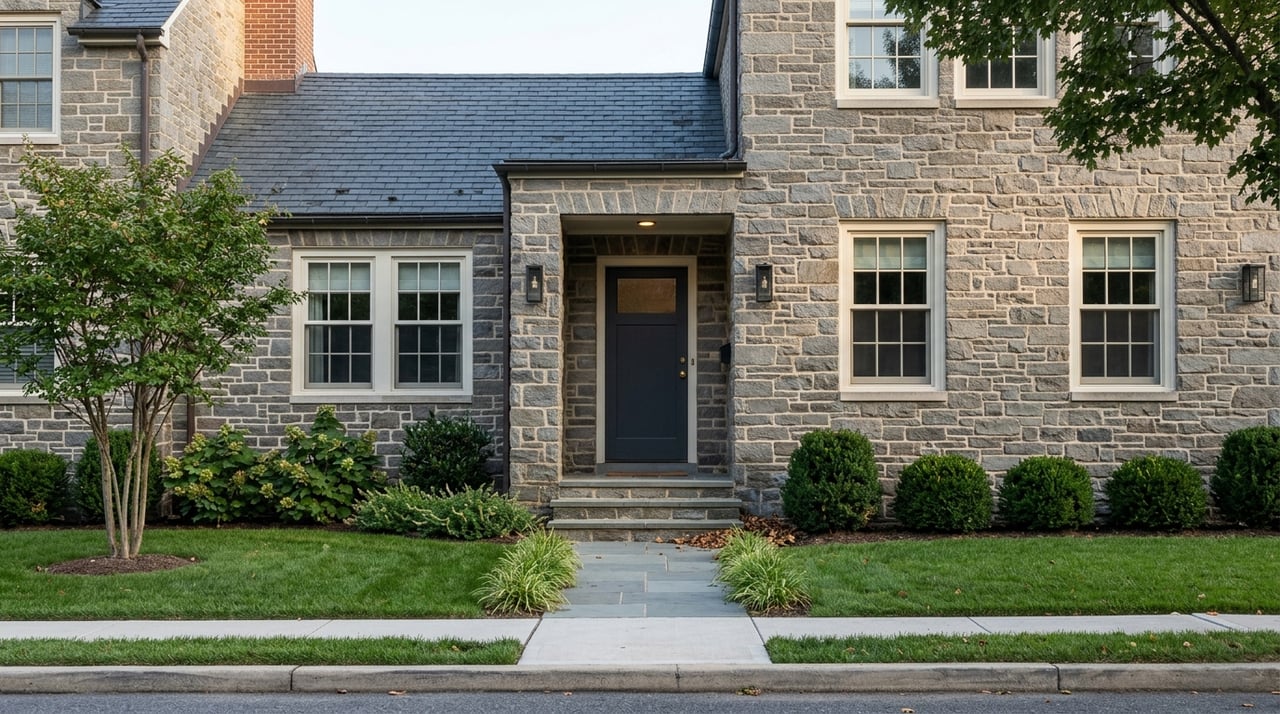
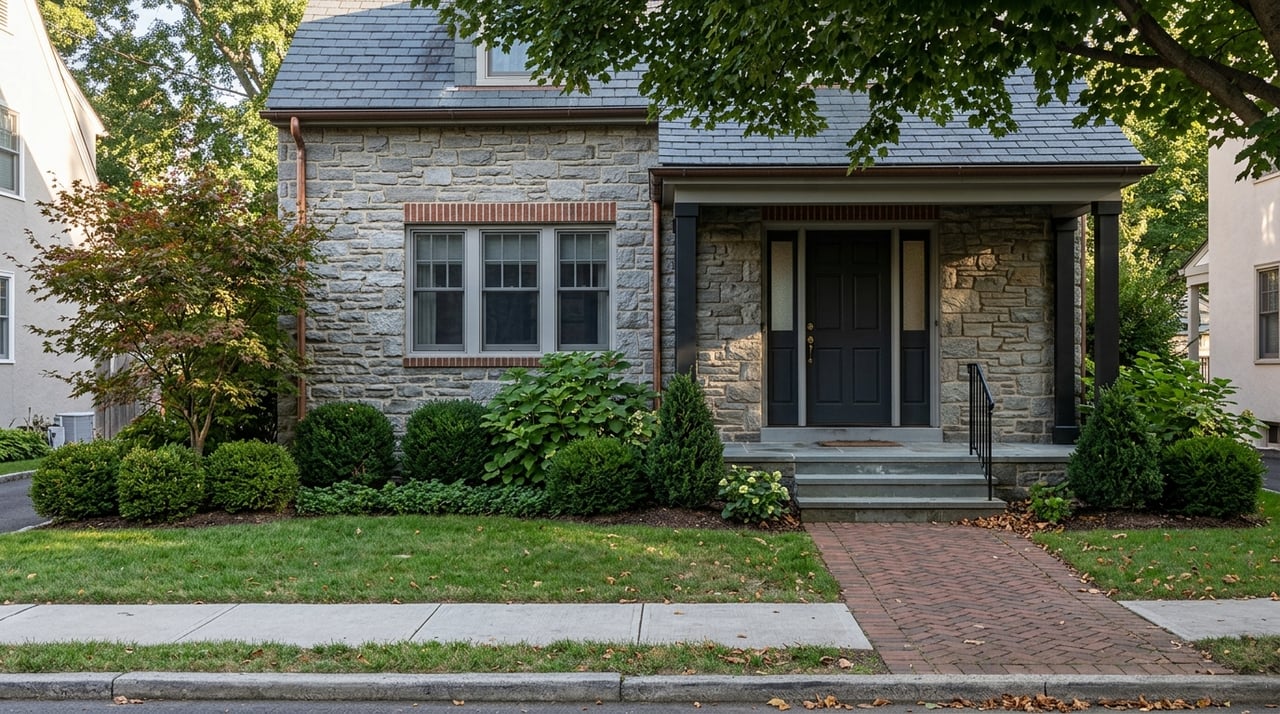
Chestnut Hill sits in Northwest Philadelphia and is known for tree‑lined streets, historic homes, and a village‑style commercial corridor along Germantown Avenue. Both SEPTA branches terminate here, but they take different routes from Center City. That alignment creates distinct micro‑areas with different walking patterns, street feel, and access to daily conveniences.
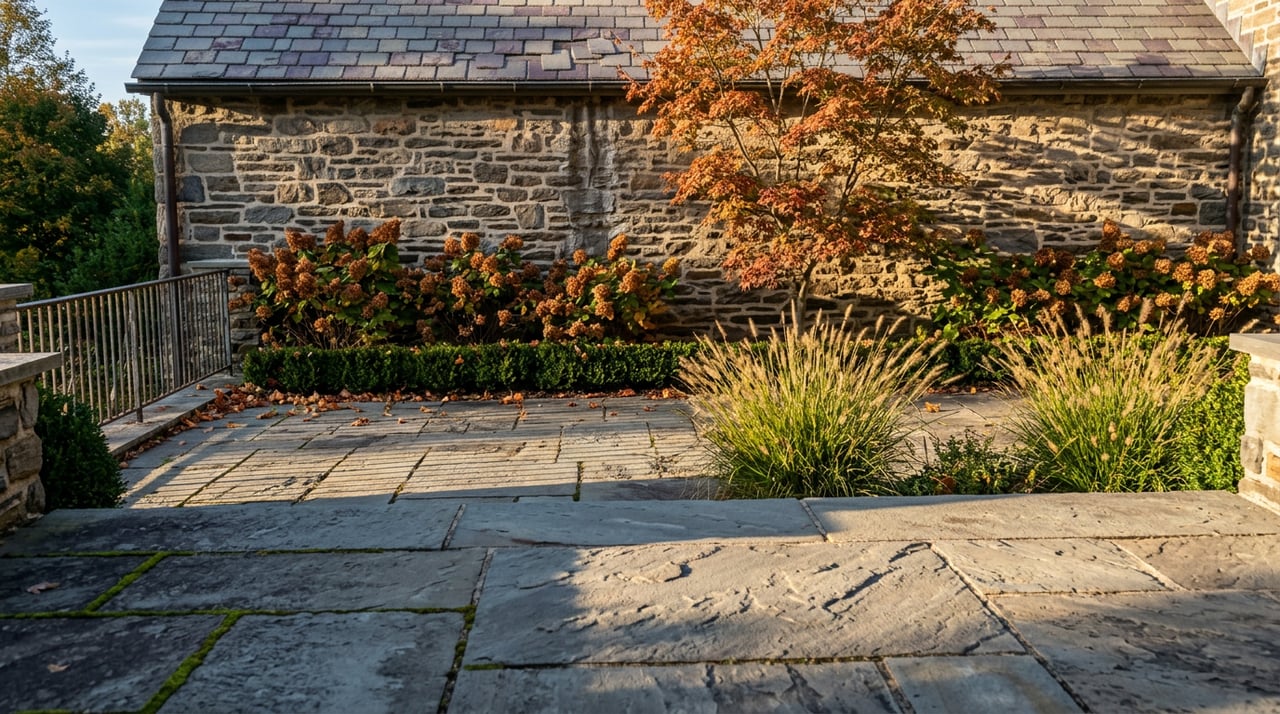
The neighborhood includes a designated historic district. Preservation rules and older housing stock influence renovation decisions and buyer expectations. You will also find major green spaces like Wissahickon Valley Park and the Morris Arboretum close by, with access varying by station area.
How the two lines shape daily life
Route and station placement
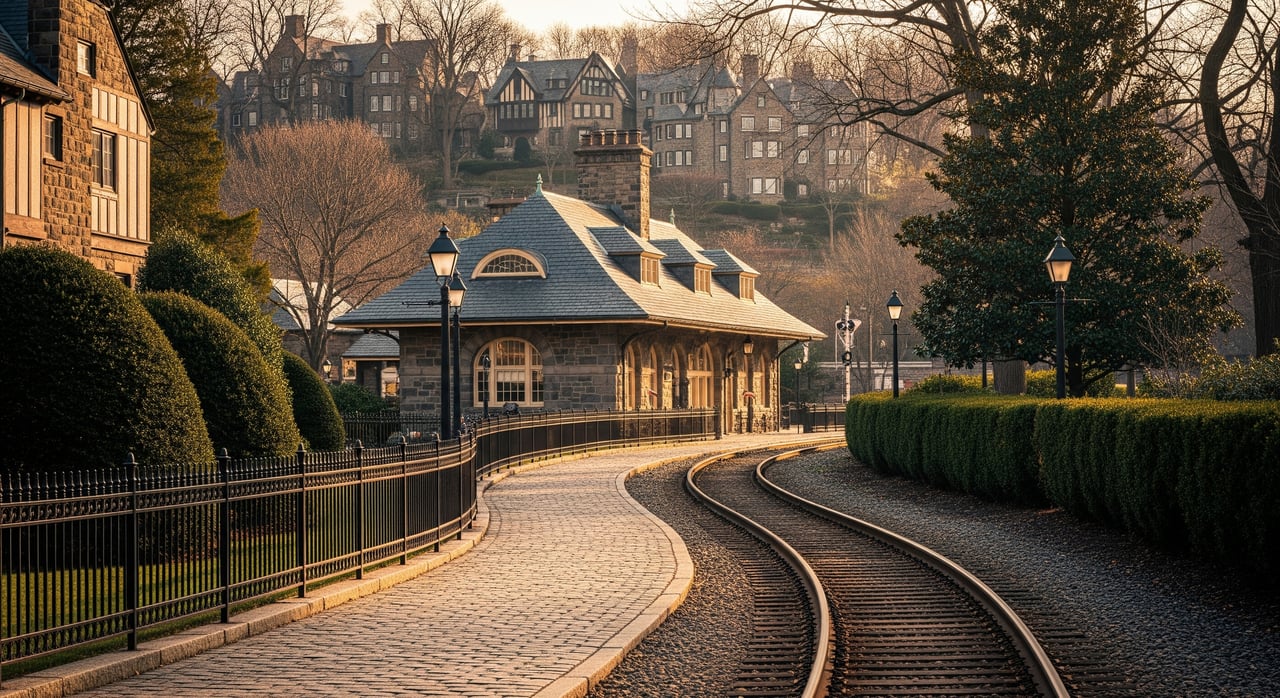
Chestnut Hill East and Chestnut Hill West both bring you to the same neighborhood, but station locations sit in different pockets. Some stops are right on or near Germantown Avenue, where shops and restaurants cluster. Others are tucked into leafy residential blocks with quieter streets and longer walks to retail.
This map-level difference is what you feel day to day. It affects your first and last mile, how often you grab coffee on foot, and whether you hear evening activity from the commercial corridor.
Commute rhythm and reliability
Both branches offer regular weekday peak service into Center City with less frequent off‑peak and weekend options. Typical train times from Chestnut Hill terminals to Center City often fall in the 25 to 40 minute range, depending on your exact stop and destination. Your true door‑to‑desk time also depends on your walk to the station, wait time, and any transfer.
If commute consistency is crucial, review current timetables and recent on‑time performance updates before you decide. Service patterns and reliability can shift with seasonal work or infrastructure projects, so check close to your move date.
Walkability: shops vs. leafy blocks
Living near the commercial spine
Germantown Avenue is the heart of Chestnut Hill’s shopping and dining scene. Stations nearest this corridor make errands and dining out simple. You can pick up groceries, grab a coffee, and enjoy restaurants with short walks.
Trade‑offs exist. Convenience and nighttime activity can mean more curb competition for parking and a bit more noise. If you value being able to run most errands without a car, prioritize homes within a short, well‑lit walk of the corridor.
Living closer to parks and trails
Stations set within residential streets usually offer calmer blocks, larger yards, and a relaxing walk home. If easy access to green space is high on your list, look for pockets closer to the Wissahickon Valley Park trail system or the Morris Arboretum. You will likely walk farther for shopping, but you gain a quieter daily rhythm.
When you tour, evaluate the walk itself. Chestnut Hill has hills and grade changes, so a 10‑minute walk on a flat block can feel different from a 10‑minute walk with stairs or steeper slopes.
Parking: what to expect
Parking norms vary around each station. You may find small SEPTA lots, on‑street options with posted rules, and resident permit zones on nearby blocks. Lots can fill early, and curb regulations can differ from one block to the next.
Many Chestnut Hill residents choose to walk or bike to the train, especially when homes sit within a 5 to 15 minute stroll. If you plan to drive to the station, confirm the current rules for the specific lot and check surrounding streets for permit or meter signage. Snap photos of signs while you tour, so you can review restrictions later.
Door‑to‑desk planning
A smart move is to test your real commute from a few candidate homes. This removes guesswork and helps you pick the line that fits your schedule.
Try this simple approach:
- Time your walk from the front door to the station entrance during a weekday morning and an evening return.
- Check peak and off‑peak train intervals for both branches that serve your likely train times.
- Ride from each station to your Center City stop to see actual train duration and crowding.
- Add buffer time for transfers or elevator/escalator use at major terminals.
By combining these steps, you will have a reliable door‑to‑desk estimate, not just a timetable number.
Housing by micro‑area
Chestnut Hill offers a mix of housing types shaped by its historic character and station placement.
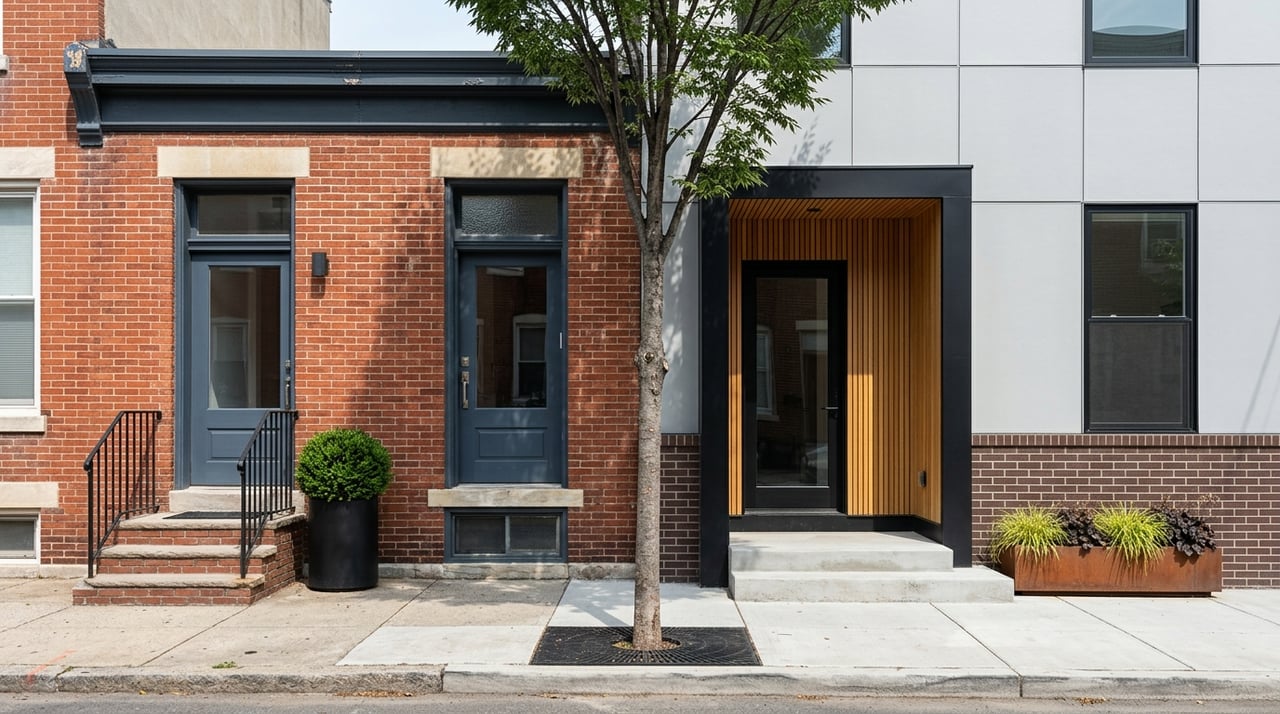
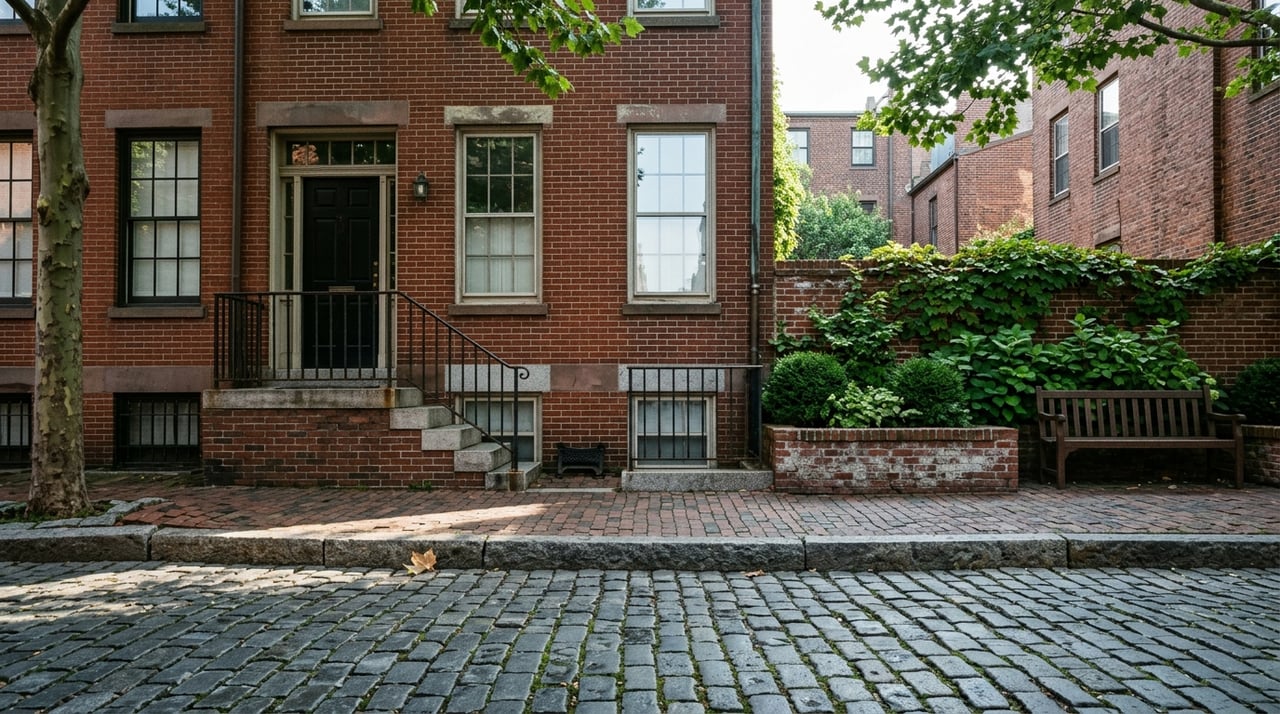
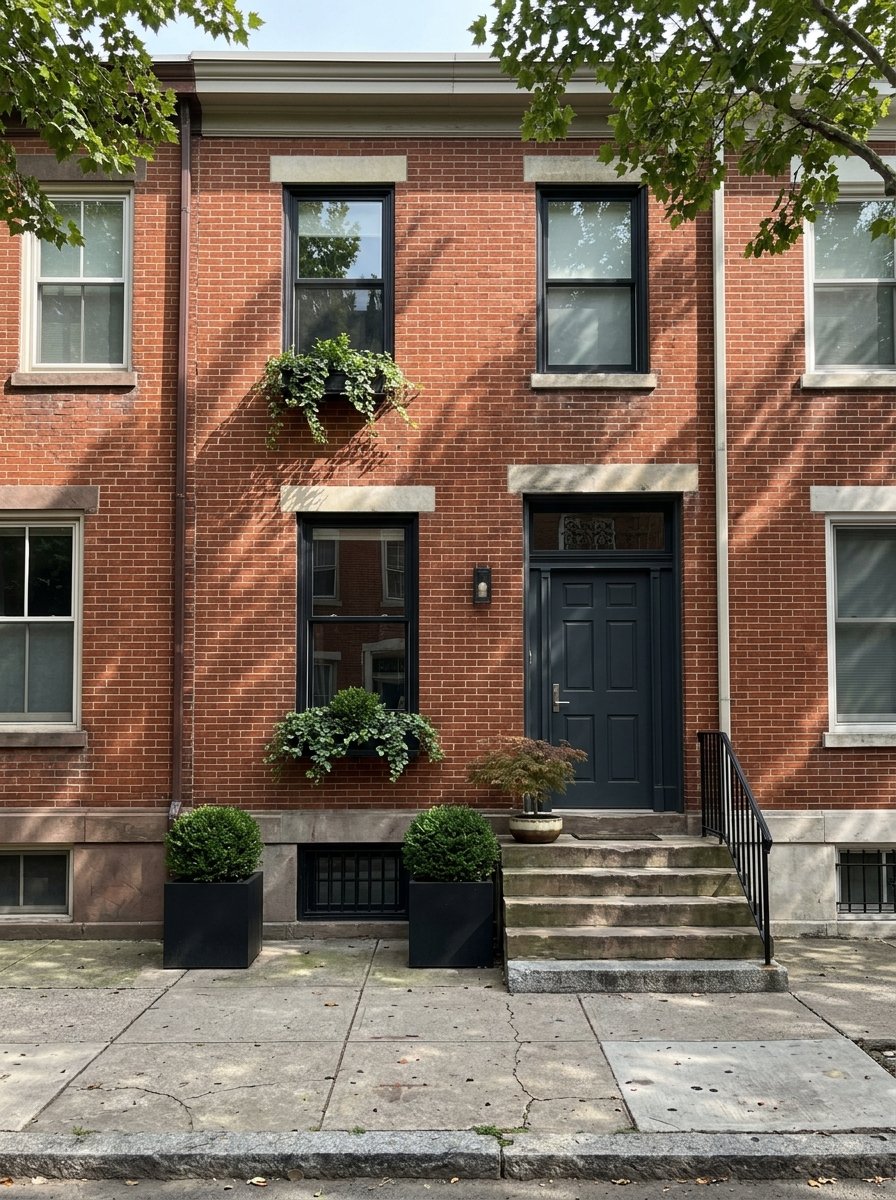
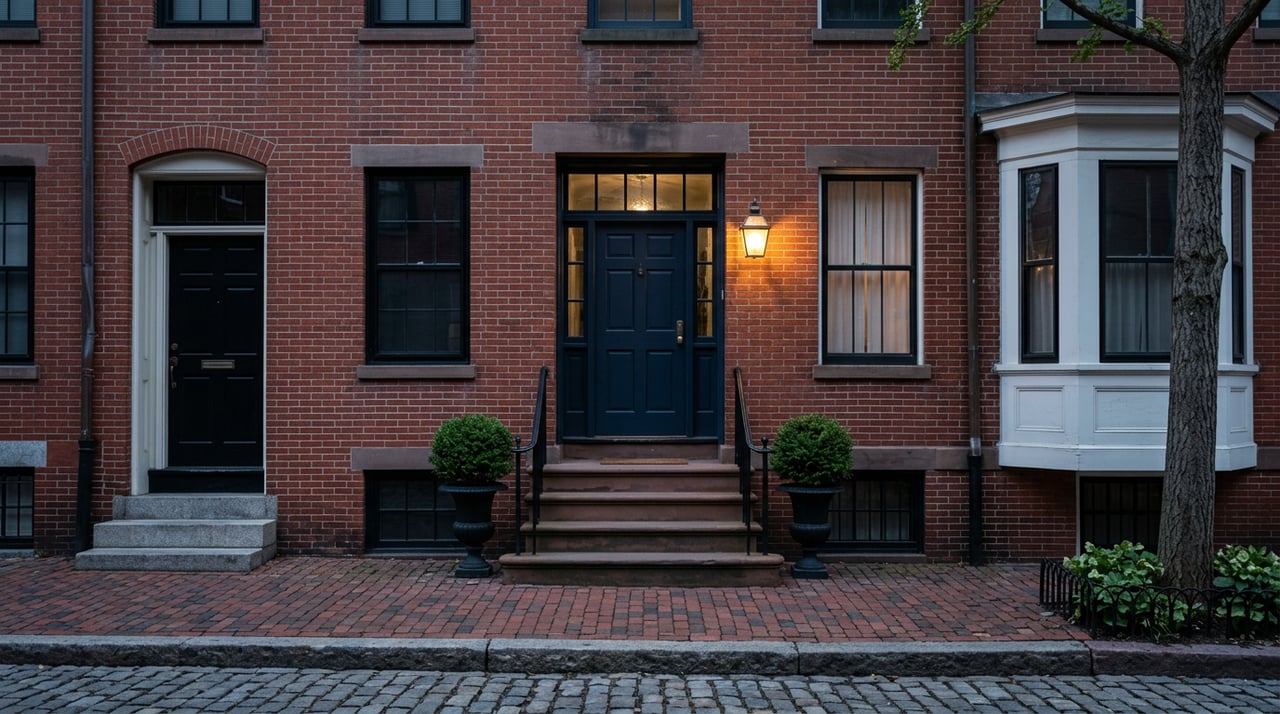
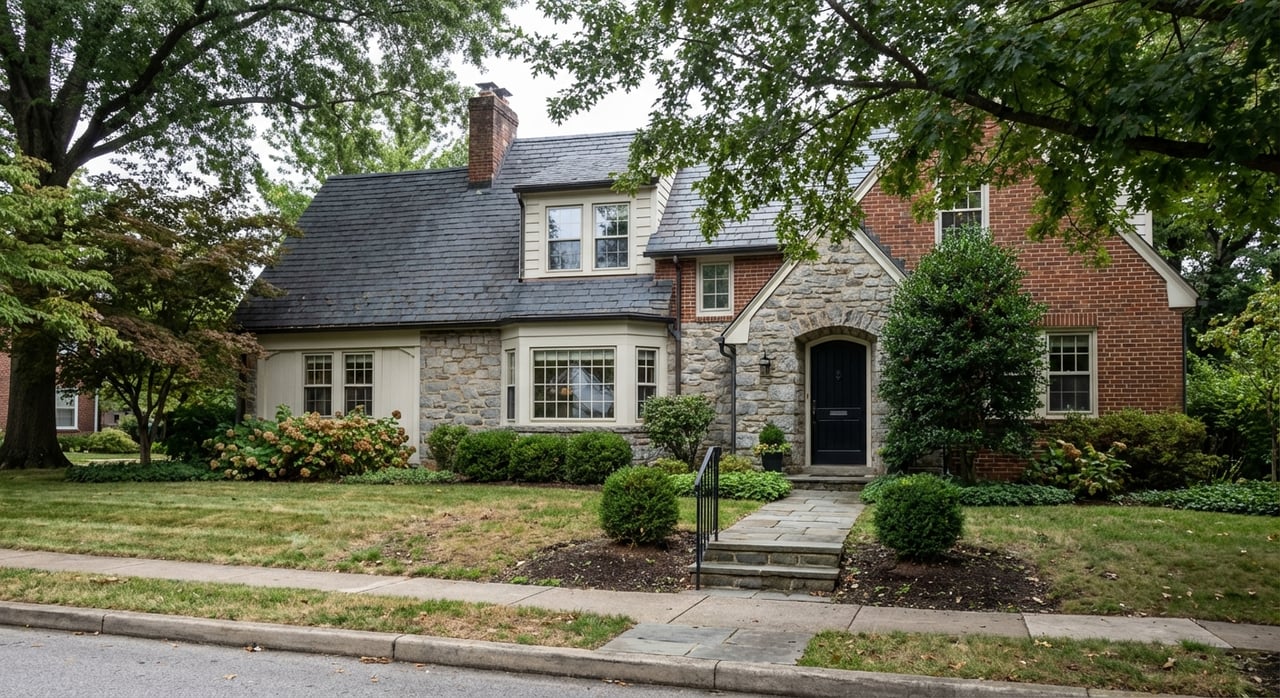
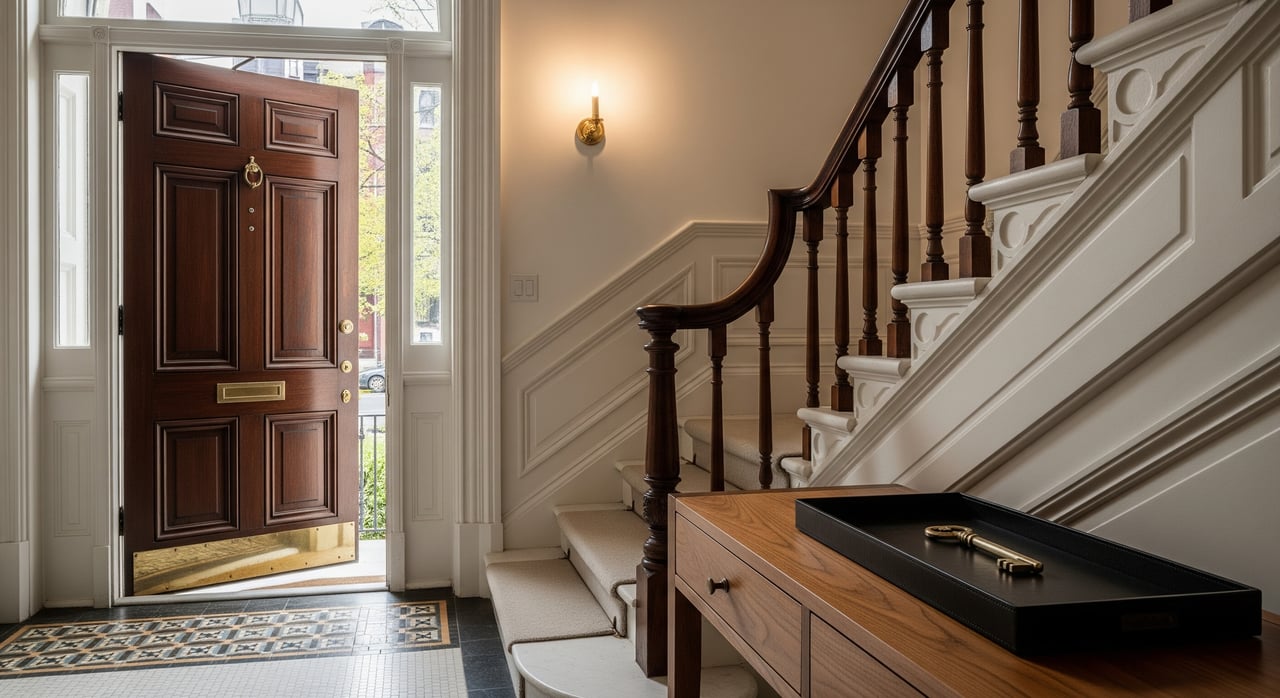
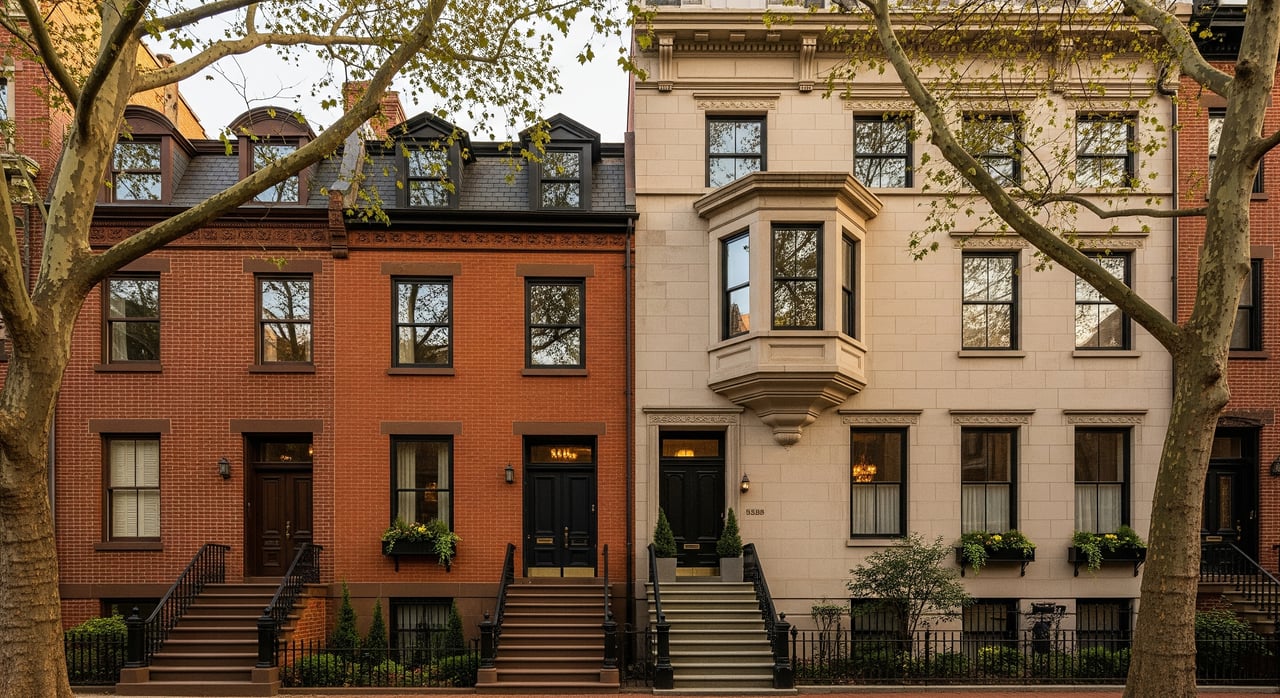
- Historic detached homes. You will find Victorian and Colonial Revival properties on larger lots, especially away from the commercial spine. Expect architectural detail and, at times, older systems to evaluate.
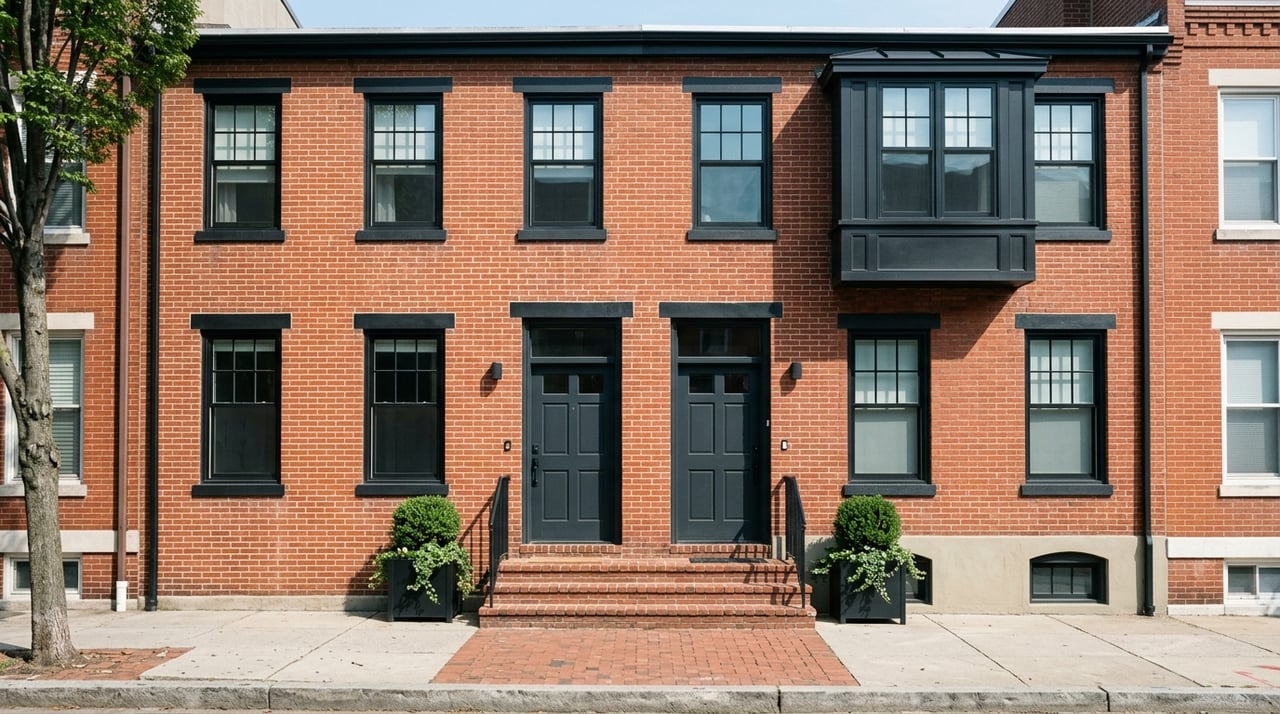
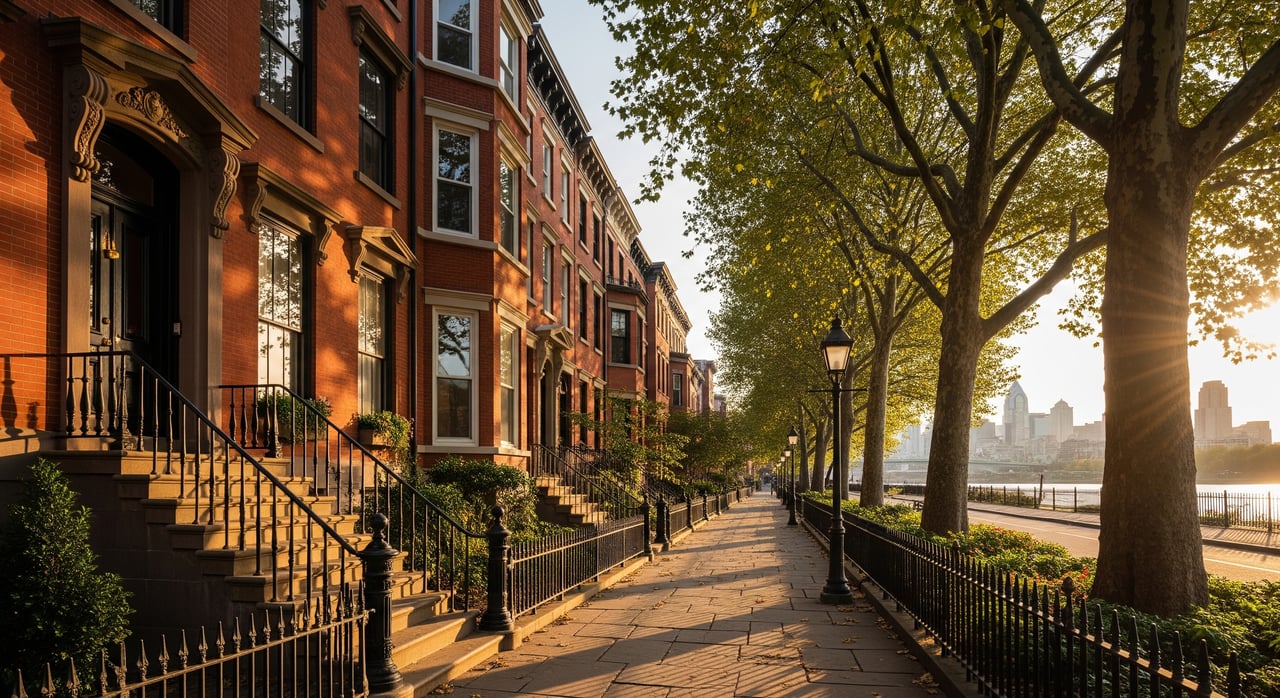
- Twins and rows. These appear across the neighborhood, offering a balance of space and maintenance.
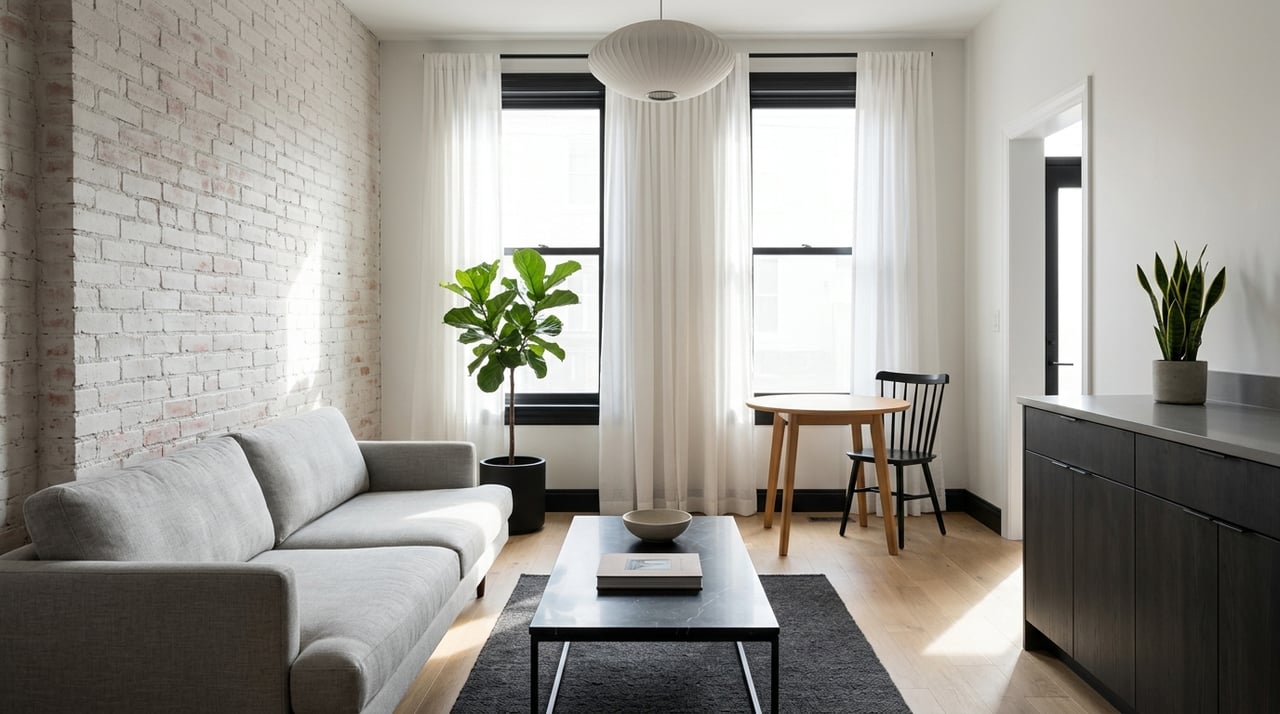
- Low‑rise condos and conversions. Closer to station areas and Germantown Avenue, you may see apartment buildings, condo conversions, and garden‑style homes with smaller yards and easier maintenance.
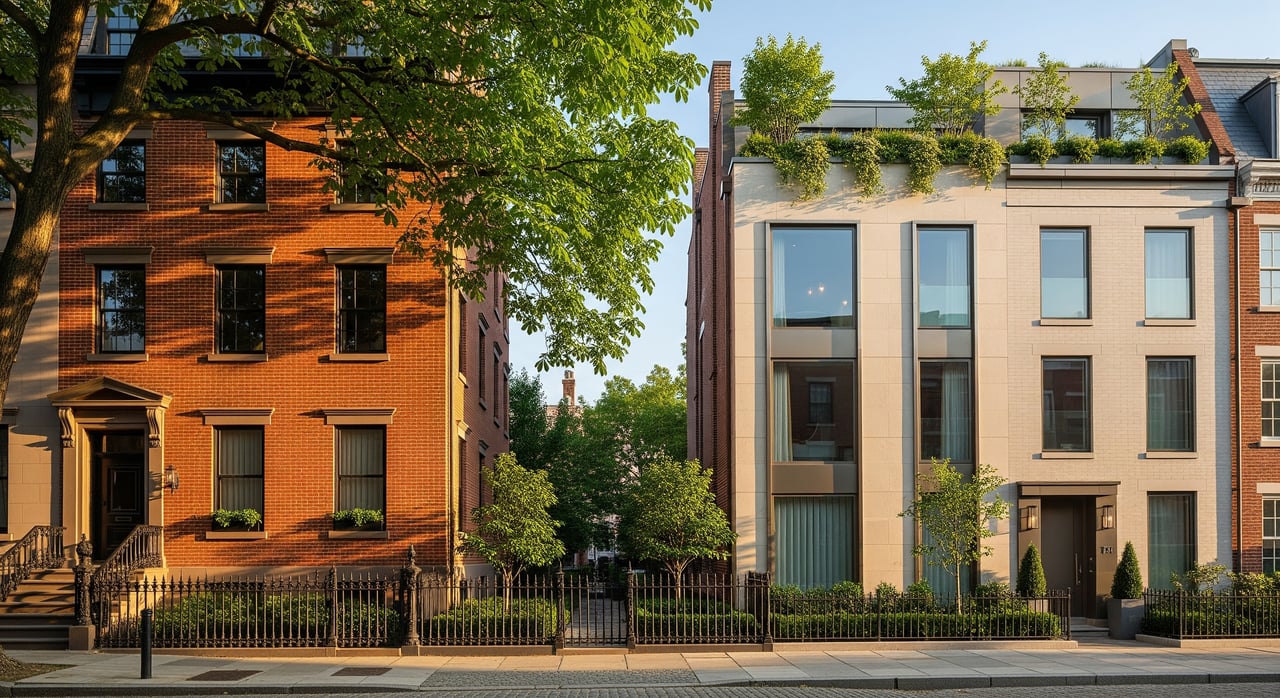
- Infill and carriage houses. Select pockets include newer renovations and unique carriage house properties.
Near stations by the commercial corridor, you typically trade larger yards for high walkability and shorter blocks. Up the hill on residential streets, you often gain more space and quiet in exchange for a longer walk to shops and dining.
If you are planning updates to a historic home, know that parts of Chestnut Hill fall within a historic district. Some exterior changes may require review. Build time into your purchase and renovation plans to understand guidelines and permits.
Amenities by stop area
Life here revolves around a few key anchors.
- Germantown Avenue. This is the primary shopping and dining corridor, with boutique retail, cafes, and restaurants. Proximity affects how often you will run errands on foot.
- Groceries and services. Expect a mix of small markets and access to pharmacies and healthcare providers in and around the corridor. Confirm hours and walk times from the homes you like.
- Schools and childcare. There are public and private options within reach. Because needs vary, consider commute and pick‑up patterns along your preferred line before you choose a location.
- Parks and culture. Wissahickon Valley Park, the Morris Arboretum, and smaller parks offer trails and green space. They are a major quality‑of‑life draw, especially near more residential stops.
Who thrives on each line?
Choose Chestnut Hill East if you want
- A quick path to stations that blend residential streets with access to commercial amenities.
- A balanced commute profile with typical weekday peak service into Center City.
- A mix of housing options, including historic homes and smaller multi‑family buildings near station areas.
Choose Chestnut Hill West if you want
- Quiet, leafy blocks with a residential feel close to station stops.
- Strong access to green corridors and trails, with a trade‑off of longer walks to retail.
- A similar commute range to Center City, with station placement that may better fit your route to certain offices.
Both branches work well for Center City commuters. The better choice is the line that matches your walk, your nearest daily conveniences, and the type of block you want to come home to.
Field checklist for your shortlist
Use this list for any home you are considering near either line:
- Visit twice: once during a weekday morning rush and once mid‑day or on a weekend.
- Time your walk from the front door to the station entrance. Aim for a distance that feels comfortable on busy days and in winter weather.
- Photograph parking options and signage near the station and your block of interest.
- Ride the train during your typical peak period to confirm travel time and crowding.
- Walk Germantown Avenue to tally grocery, pharmacy, and coffee options you plan to use.
- Note sidewalk continuity, lighting, and grade changes. Look for ramps and stairs that affect strollers or bikes.
What to verify before you write an offer
Before you move forward, confirm:
- Current SEPTA schedules and on‑time performance trends for both branches.
- Station lot rules, on‑street parking regulations, and any resident permit requirements.
- Historic‑district guidelines for your property if exterior changes are on your roadmap.
- Recent comparable sales and days on market for the micro‑area around your station.
- Any planned streetscape or development projects that could affect walkability and parking.
These checks help you set the right expectations on commute, convenience, and renovation.
Get local guidance that fits your life
Choosing between Chestnut Hill East and Chestnut Hill West is less about a single “best” line and more about which walk, block, and station pattern work for you. If you want a tailored plan that weighs your commute, parking needs, and target housing styles, reach out. With deep knowledge of Philadelphia micro‑markets and hands‑on help from search to close, Connor Gorman will help you compare homes by station area, test door‑to‑desk routes, and negotiate with confidence.
FAQs
Which line is faster to Center City from Chestnut Hill?
- Both branches often deliver similar train times, generally in the 25 to 40 minute range; your best choice depends on your walk to the station, train frequency at your hour, and final Center City destination.
Is there commuter parking at Chestnut Hill stations?
- Many stations have small lots and nearby on‑street options with posted rules; verify lot availability and curb regulations for your specific station and block before you rely on parking.
Which stops are most walkable to shopping and dining in Chestnut Hill?
- Stops closest to the Germantown Avenue corridor offer the shortest walks to retail and restaurants, while residential stops trade a longer walk for quieter streets.
Are homes near one line more expensive than the other?
- Prices vary by micro‑area around each station; check recent comparable sales near your preferred stops to compare value and turnover.
Can I renovate a historic home in Chestnut Hill?
- Parts of the neighborhood are within a historic district; some exterior changes require review, so factor guidelines and permits into your renovation timeline and budget.