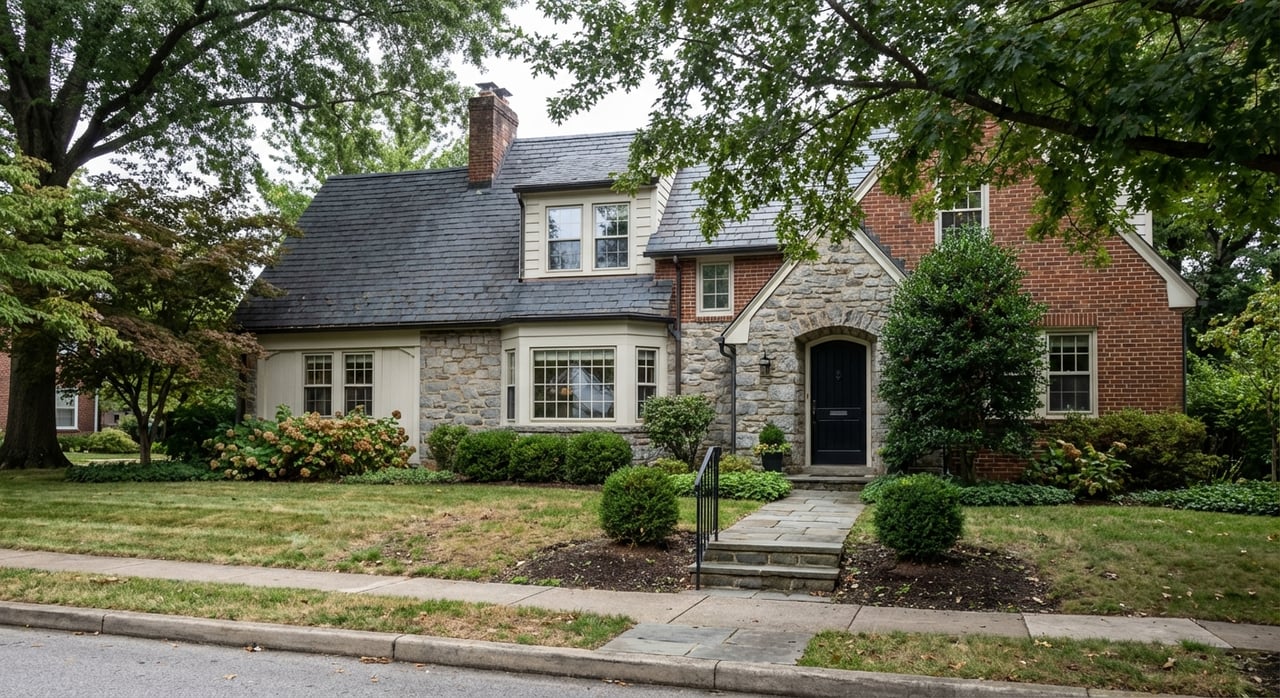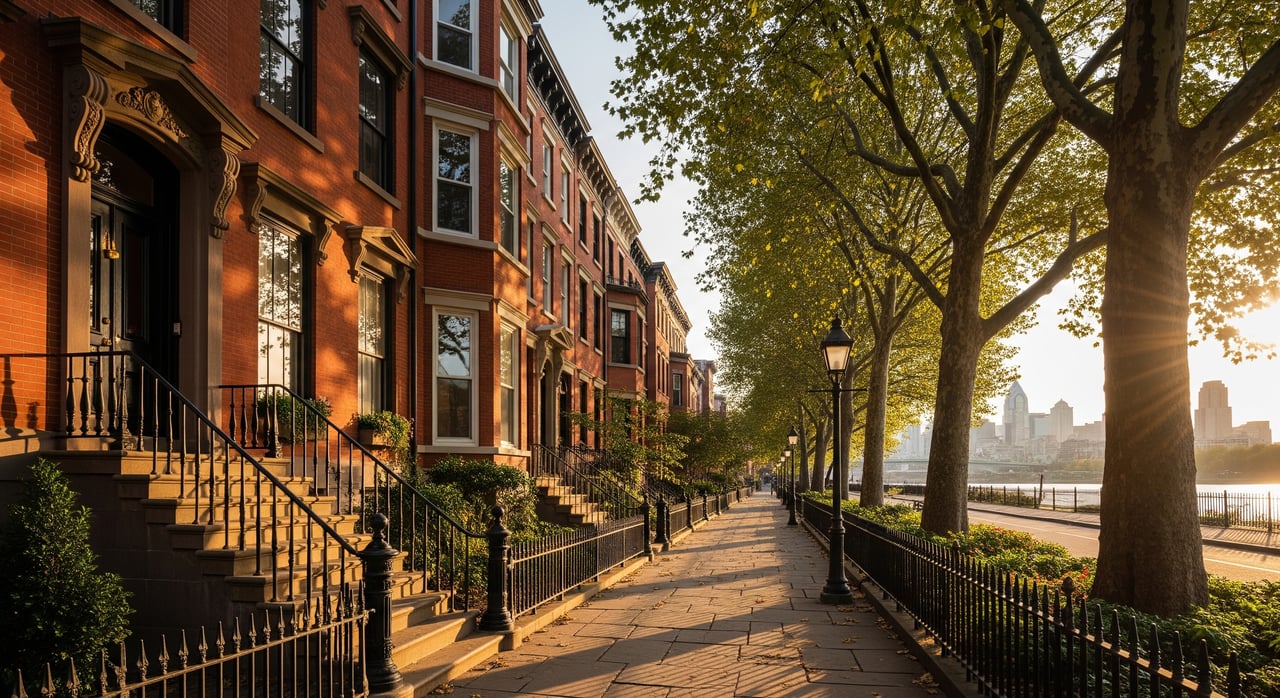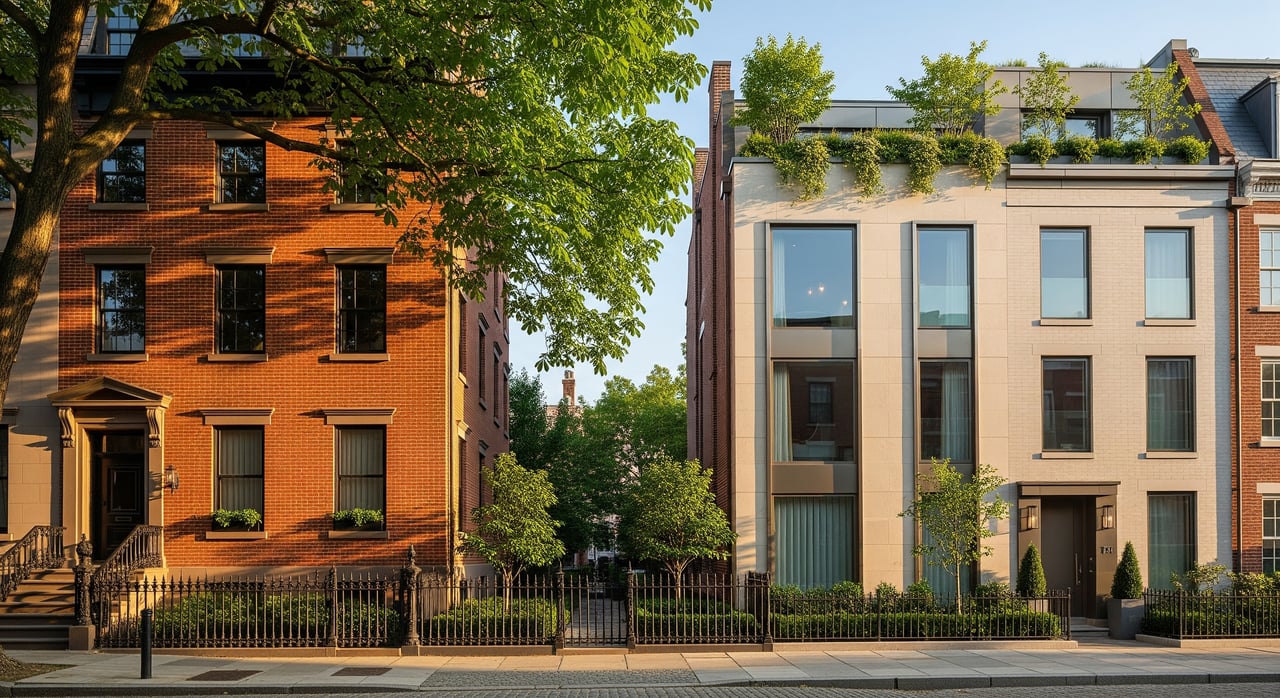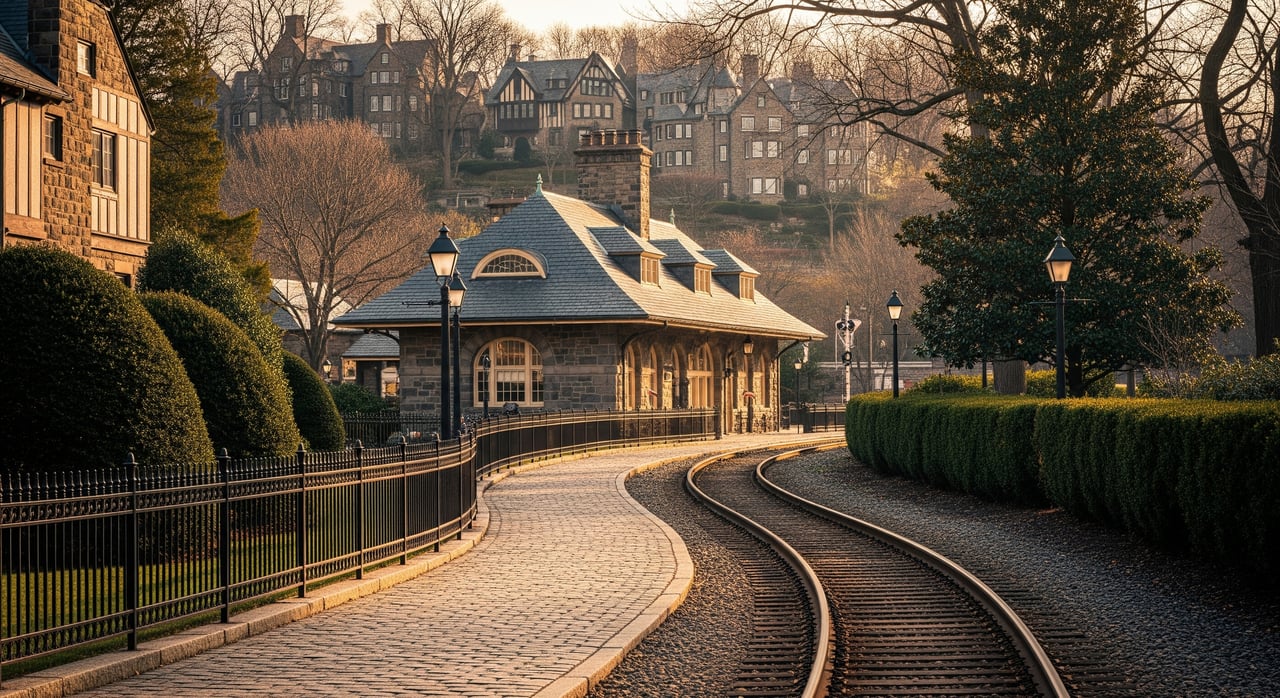
What if your daily walk to coffee took you past 18th-century brick rowhouses, granite-block alleys, and a skyline view that reminds you you’re in the heart of a major city? In Society Hill, history is not a backdrop. It is the neighborhood. If you are curious about how the architecture came to be, what it is like to live here, and what to expect as a buyer or owner, you are in the right place. By the end, you will understand the area’s roots, its preservation rules, everyday rhythms, and the smart steps to take before you renovate or buy. Let’s dive in.
Where Society Hill began
Society Hill sits within Center City and holds one of the nation’s largest collections of original 18th and early 19th century homes. The area is listed as the Society Hill Historic District at both the federal and city levels, with detailed block-by-block documentation of façades, dates, and streetscape materials. You can explore the official district inventory for a deeper look at architecture, paving, and contributing buildings in the city’s records. See the Philadelphia Historical Commission’s Society Hill district inventory for authoritative context and maps at the official Society Hill Historic District nomination and inventory.
From the 1680s through the early Republic, merchants and tradespeople built narrow brick rowhouses and townhouses here. The neighborhood shifted in the 19th century as development moved west. In the mid 20th century, a renewal effort focused on saving and restoring surviving historic buildings while adding carefully designed new housing and public spaces.
Architecture at a glance
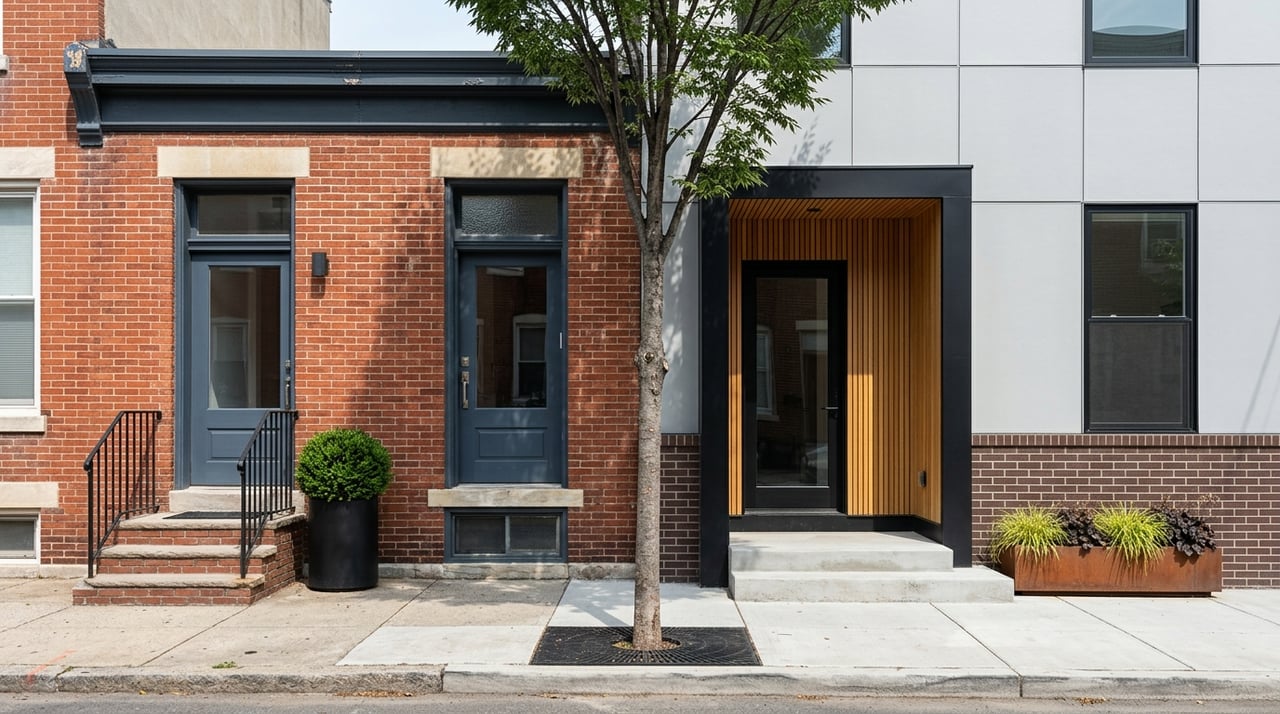
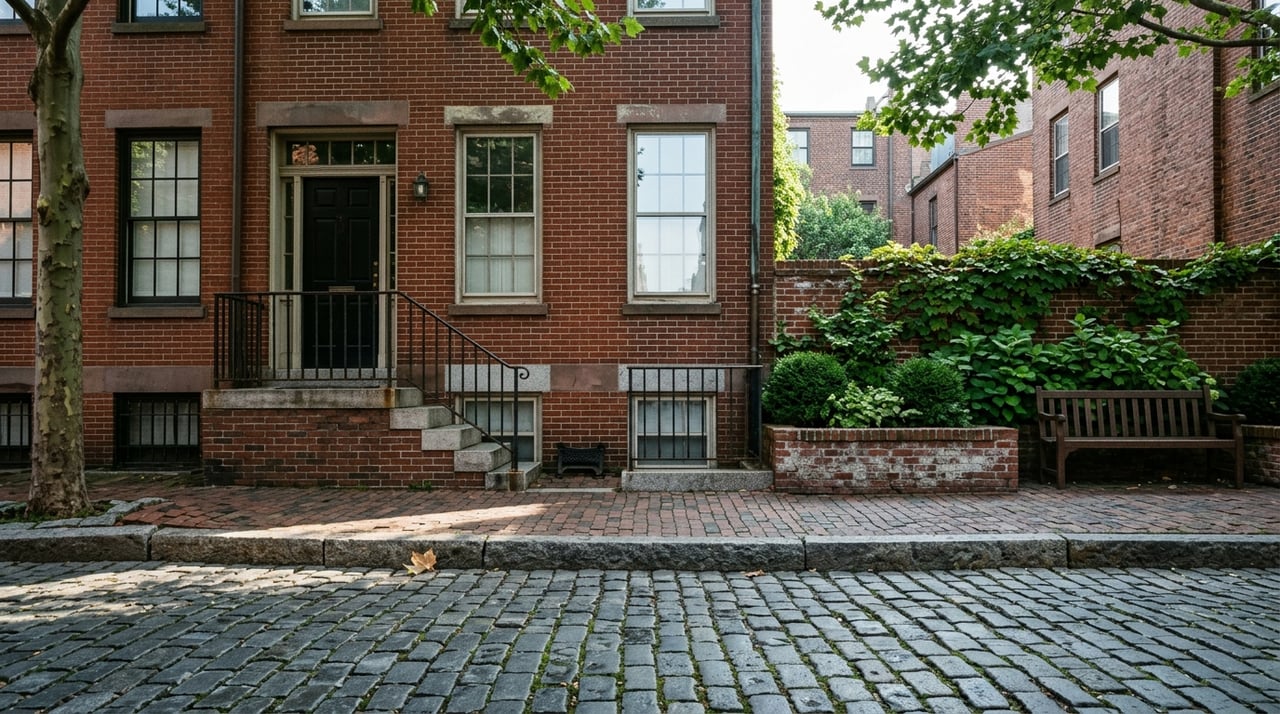
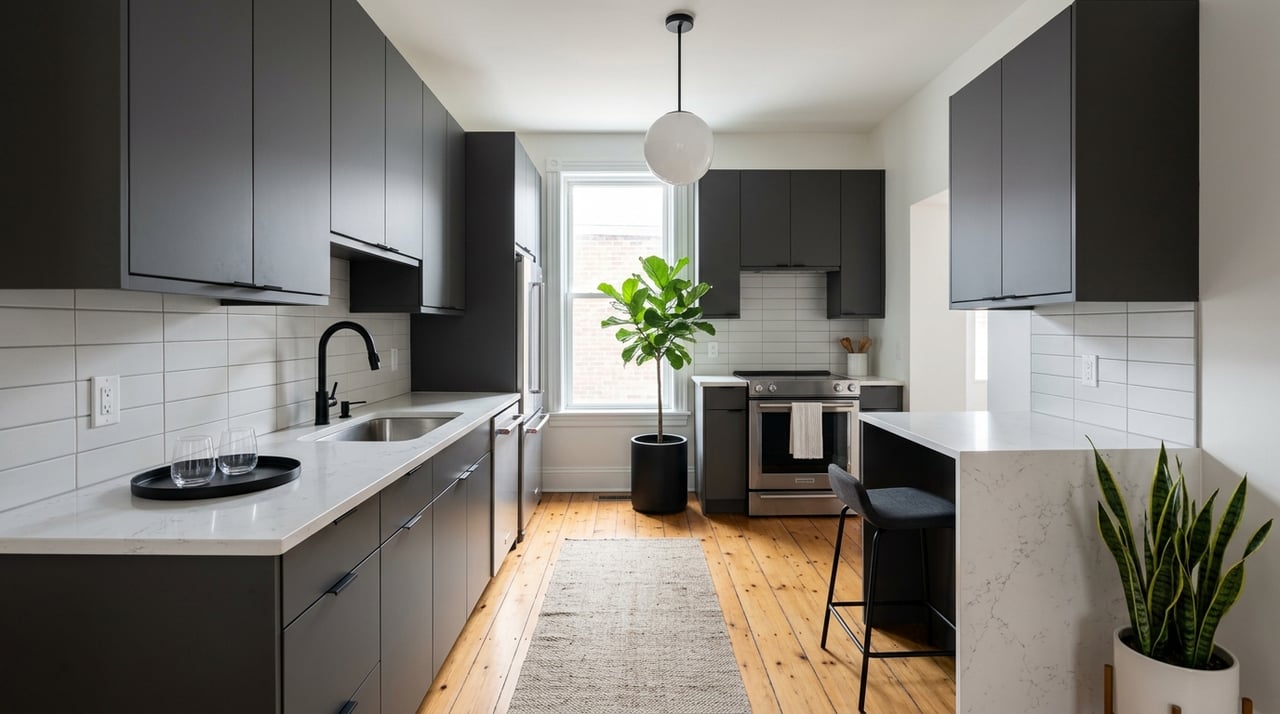
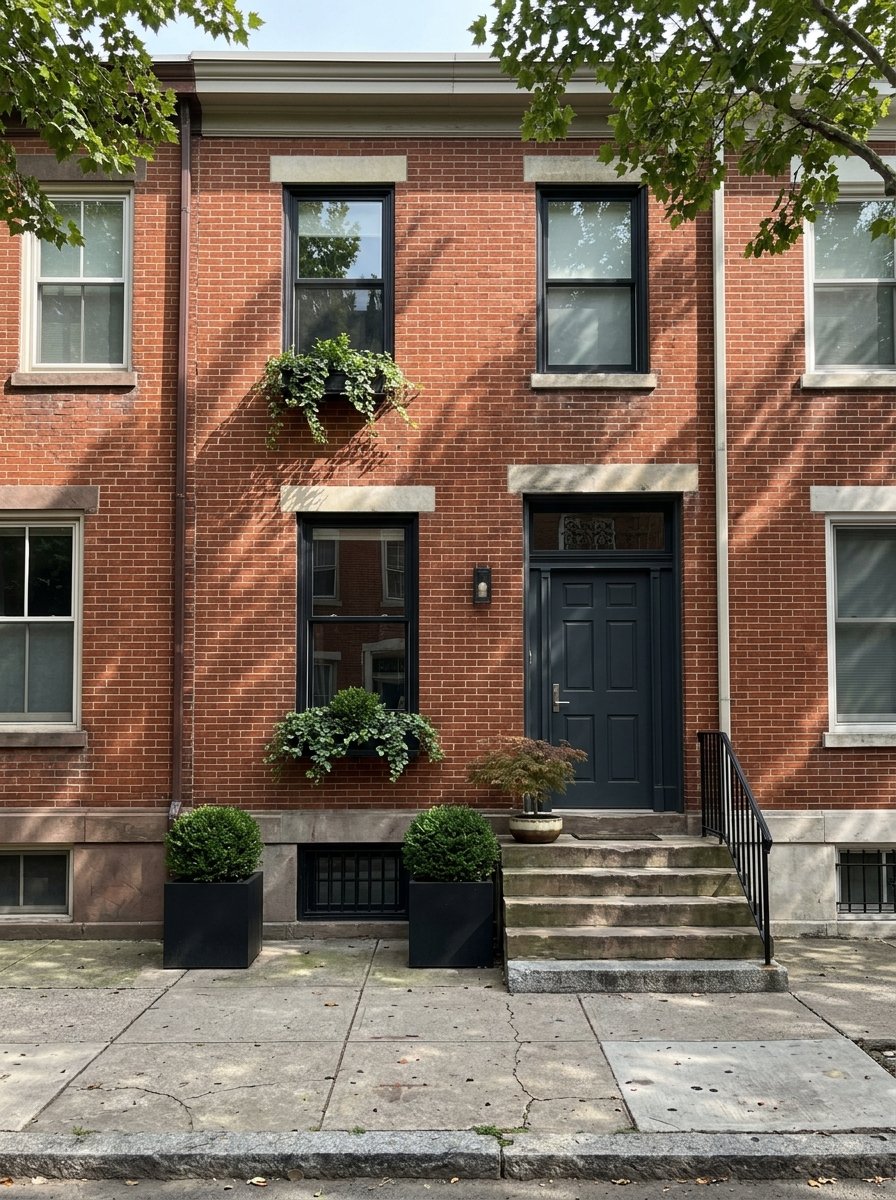
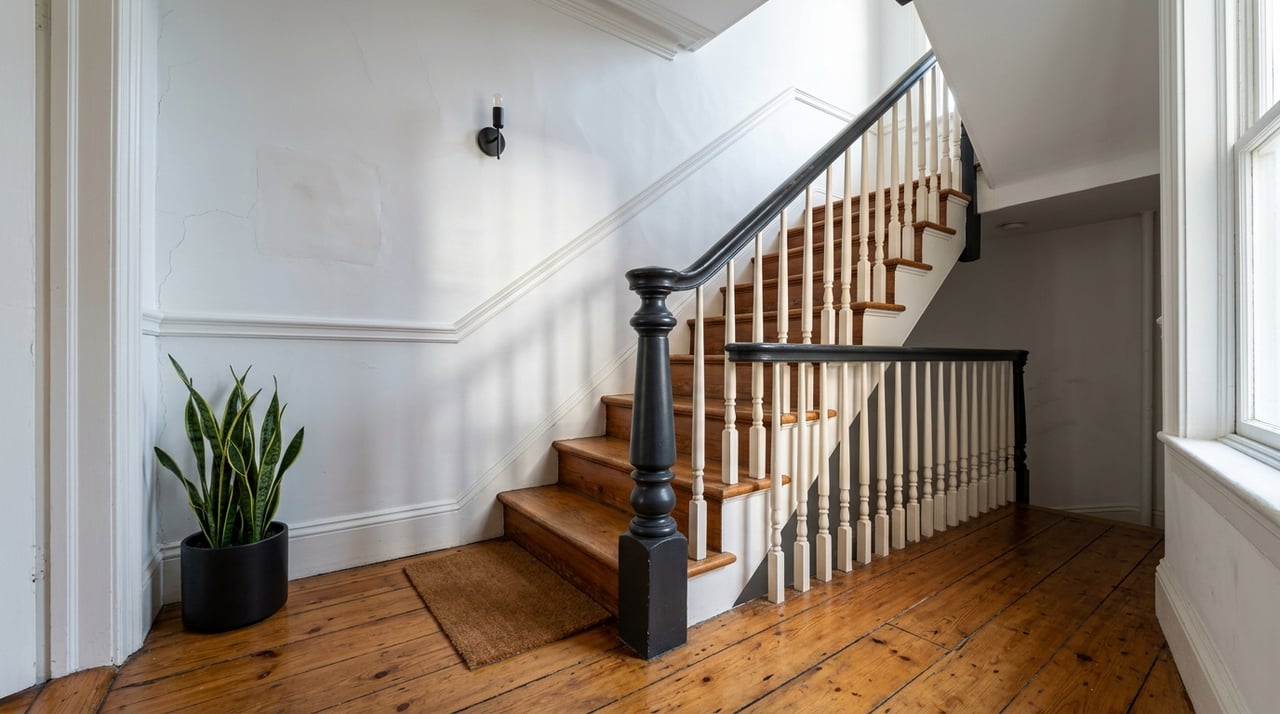
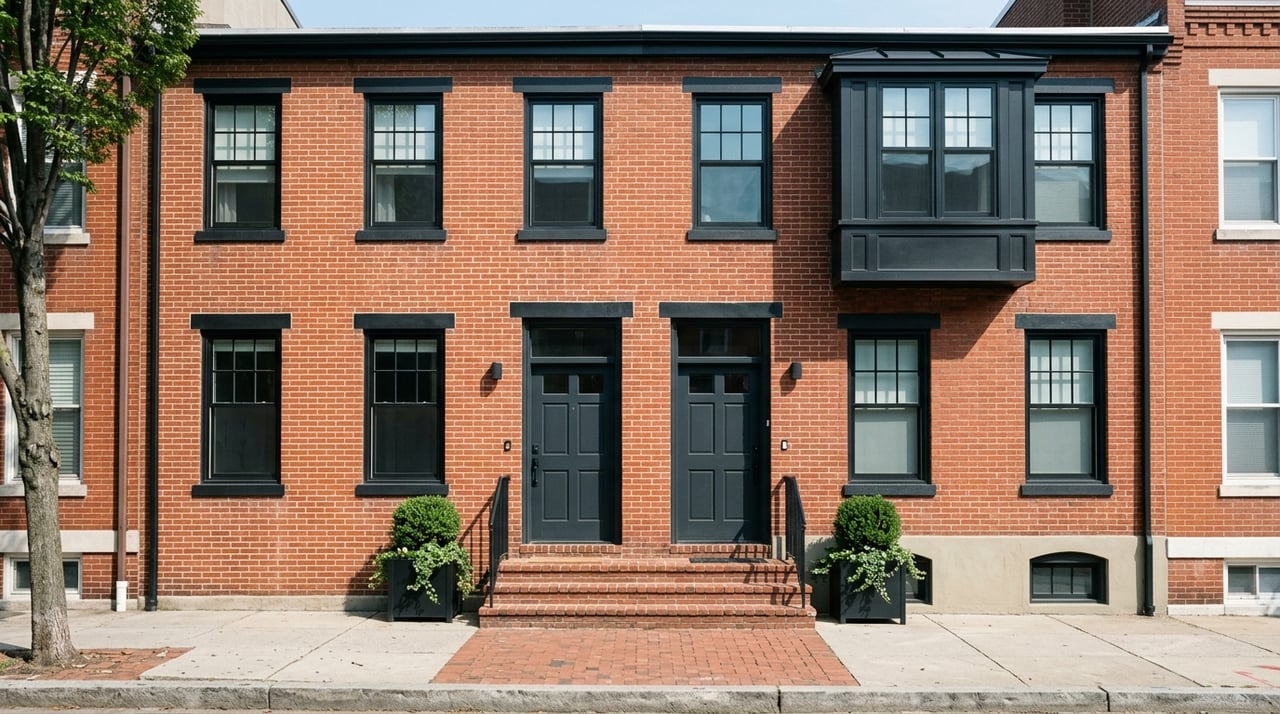
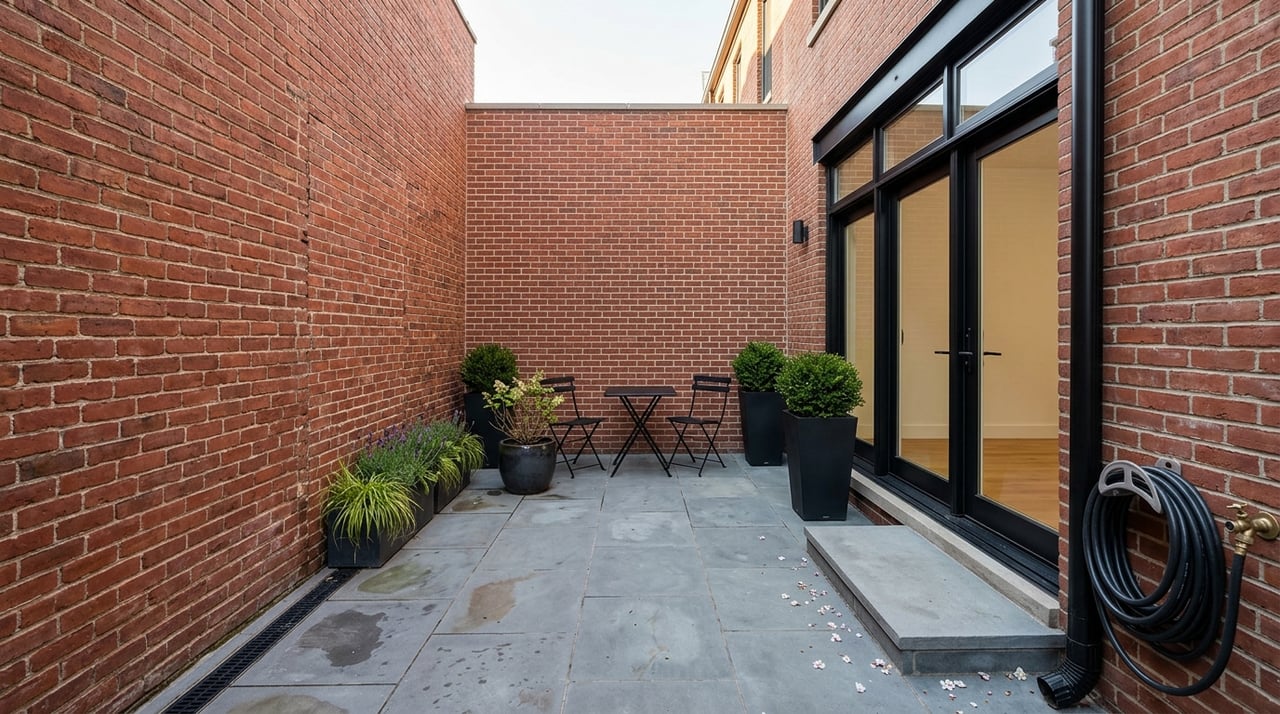
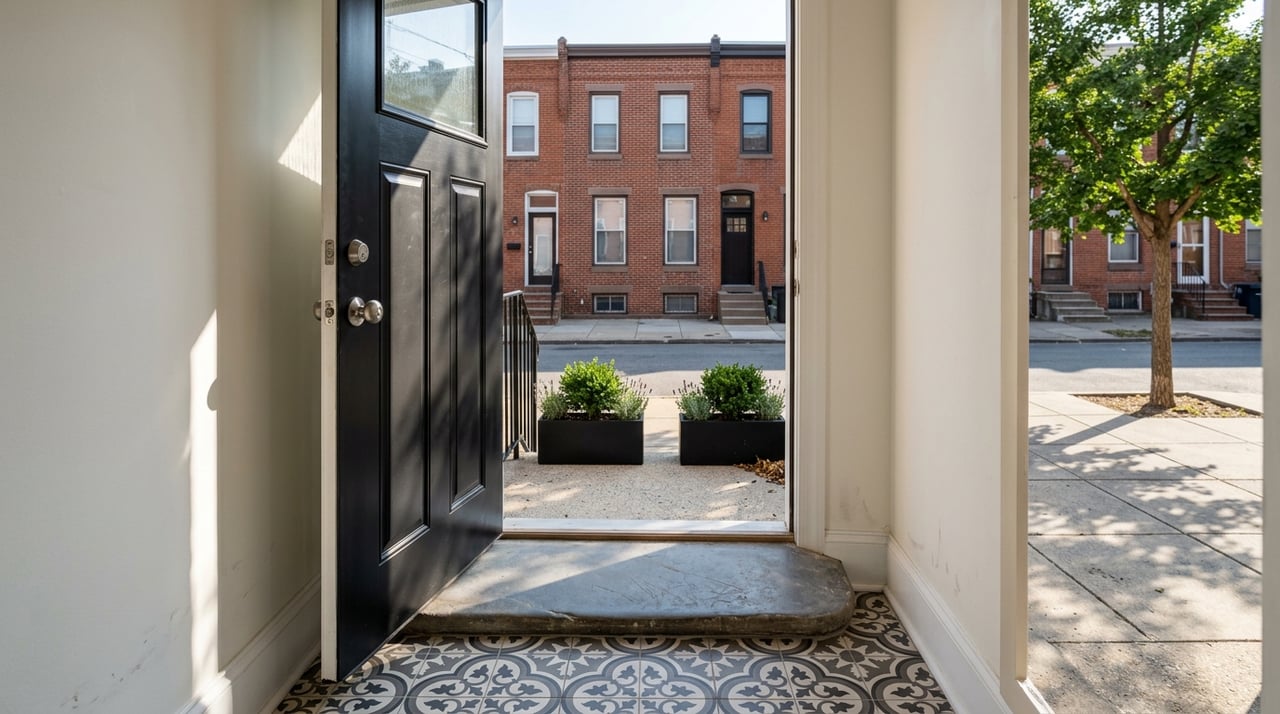
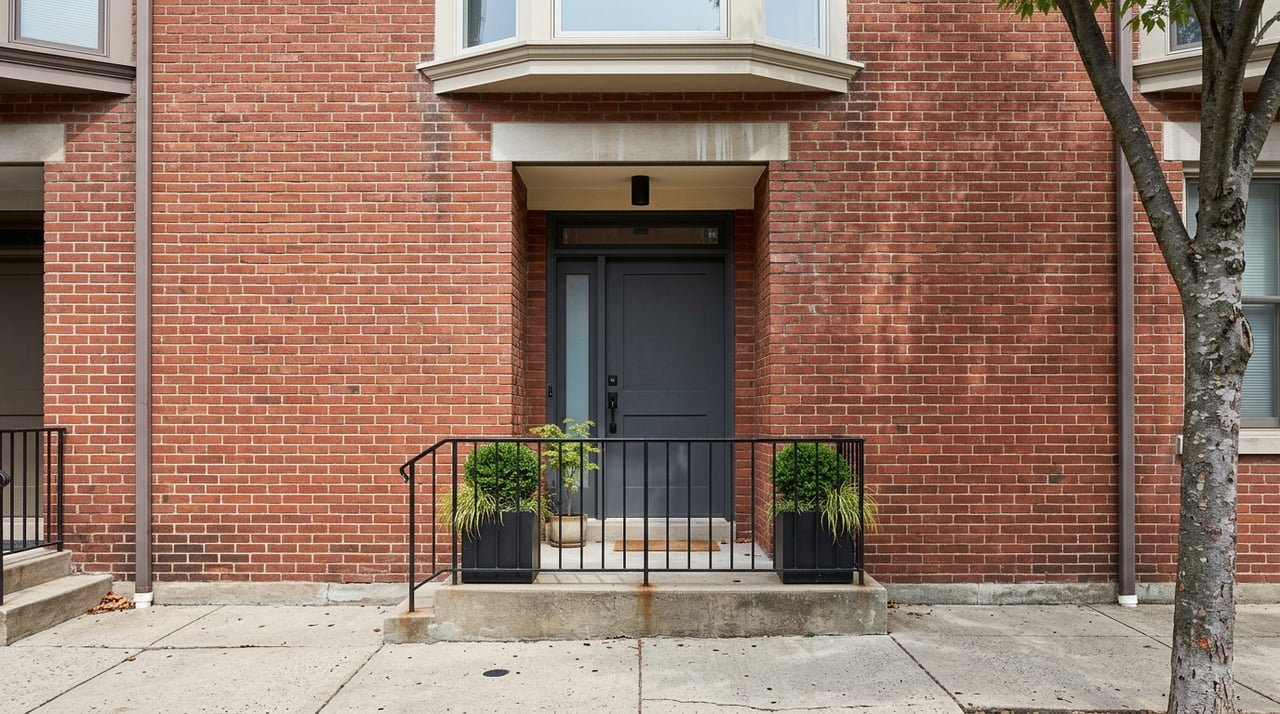
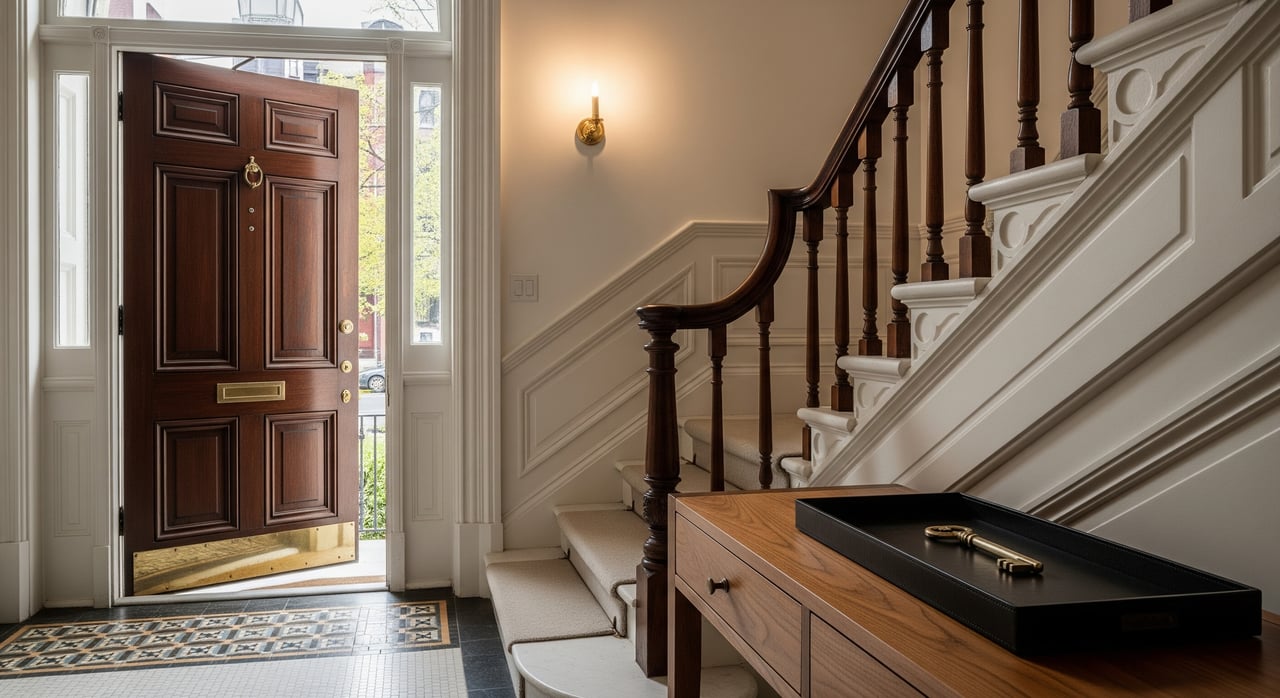
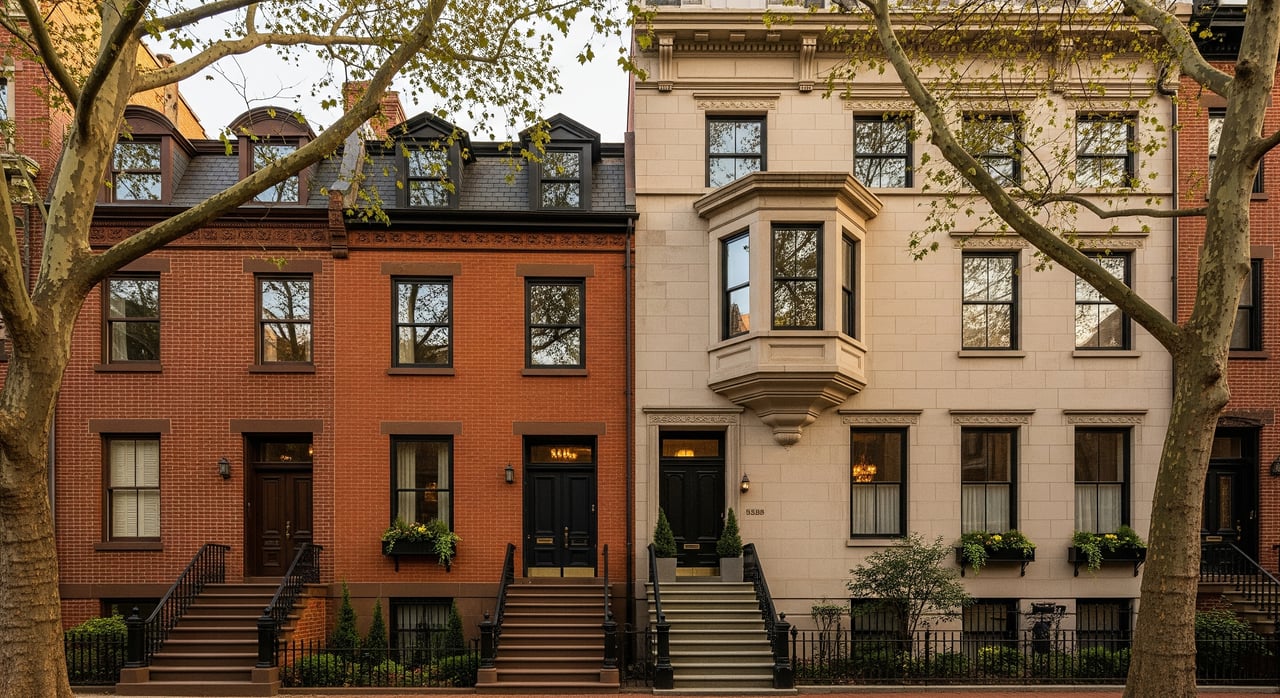
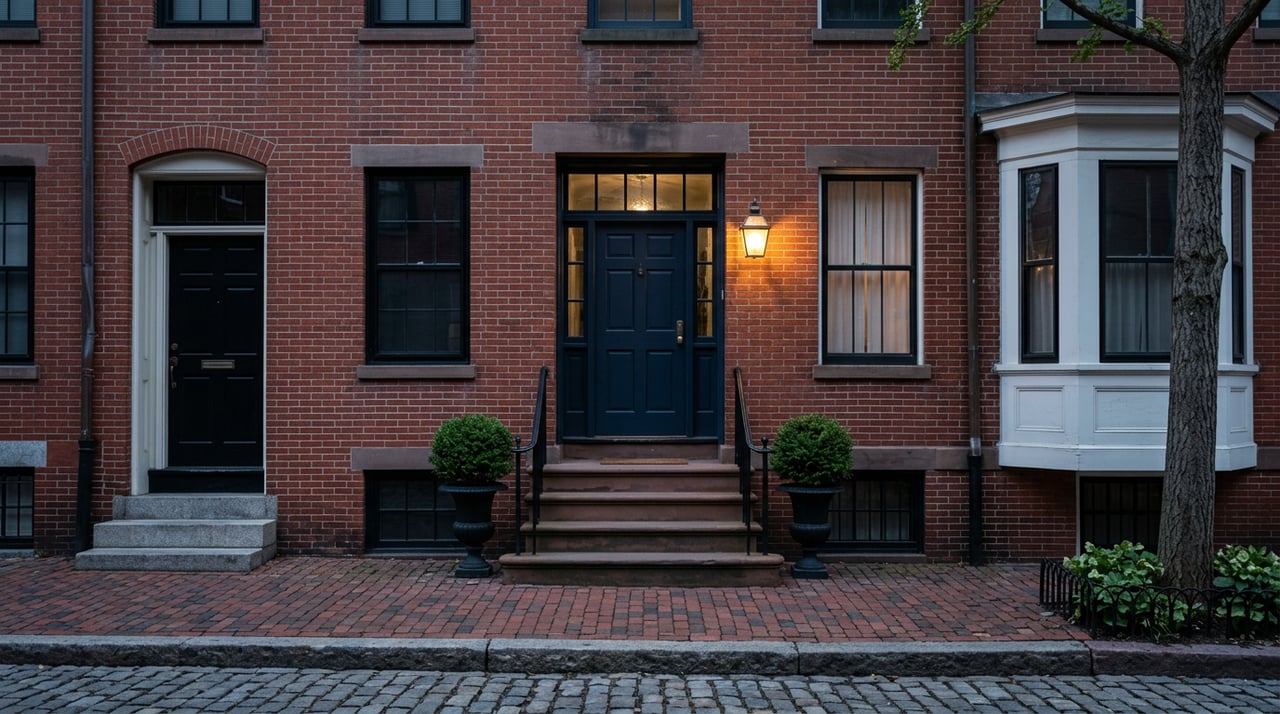
Society Hill’s signature home is the narrow brick rowhouse, 2 to 4 stories tall, in Georgian or Federal style. Think balanced fronts, simple classical door surrounds, and fanlights. Behind those façades, you often find high ceilings and period details in museum houses, with many private homes updated over time for modern living. For style types, typical street materials, and address-level detail, consult the Society Hill Historic District inventory.
Streetscape details
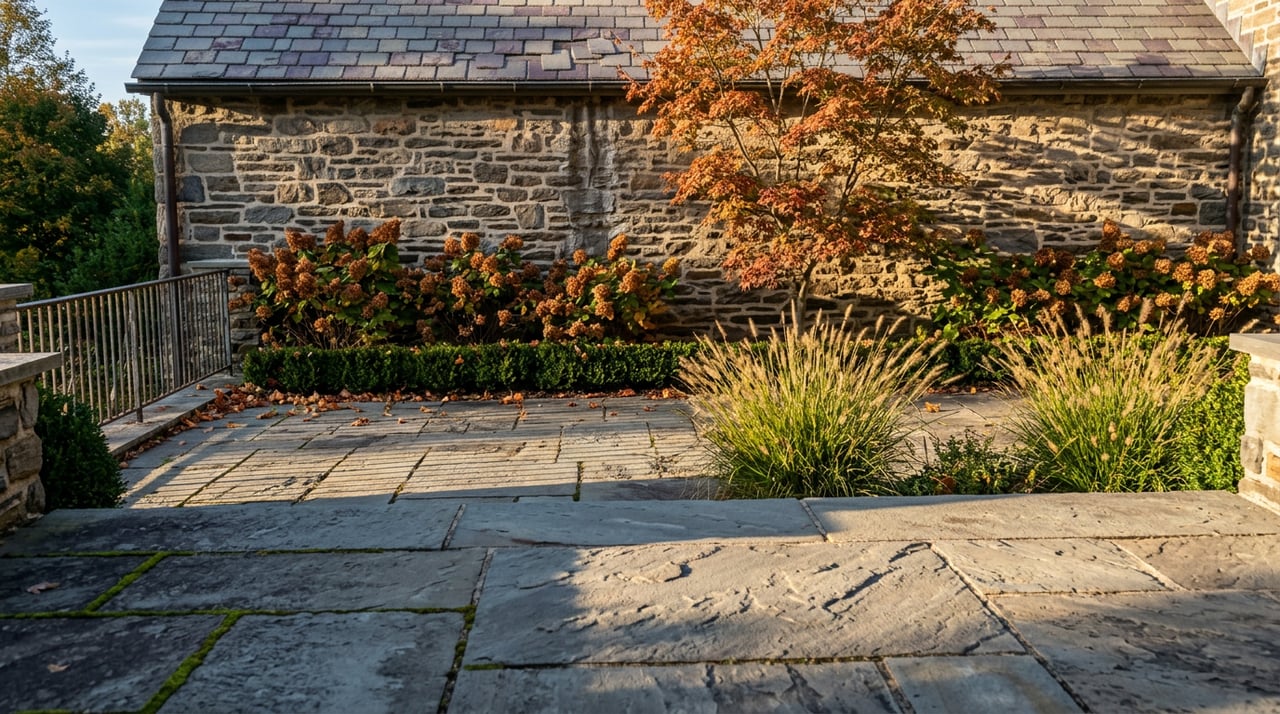
Streets and alleys feature granite or Belgian block and stretches of brick sidewalks, which set the tone for the area’s look and scale. Franklin-style street lamps and mature street trees add a warm, historic rhythm at night. The City of Philadelphia continues to maintain these surfaces, including targeted granite-block repairs in Society Hill highlighted in a Streets Department update on historic street repairs.
Landmark stops
If you are walking the neighborhood, a few sites make the story come alive. The Hill-Physick House at 321 S. 4th Street is a free-standing Federal mansion and National Historic Landmark that shows the scale and craftsmanship of the era. Learn about its architecture and programs through the Philadelphia Society for the Preservation of Landmarks at the Hill-Physick House. I. M. Pei’s Society Hill Towers and the surrounding townhouses provide a striking modern contrast that still respects the neighborhood fabric.
The renewal that shaped today
Between the 1950s and 1970s, the Washington Square East renewal program restored many historic homes while introducing thoughtful modern infill, parks, and rebuilt streets. This effort is often cited as an early model of preservation-minded urban renewal. For an accessible history and project background, explore the Price Lab’s overview at Preserving Society Hill. That blend of old and new is a big reason Society Hill feels both historic and very livable today.
Everyday living now
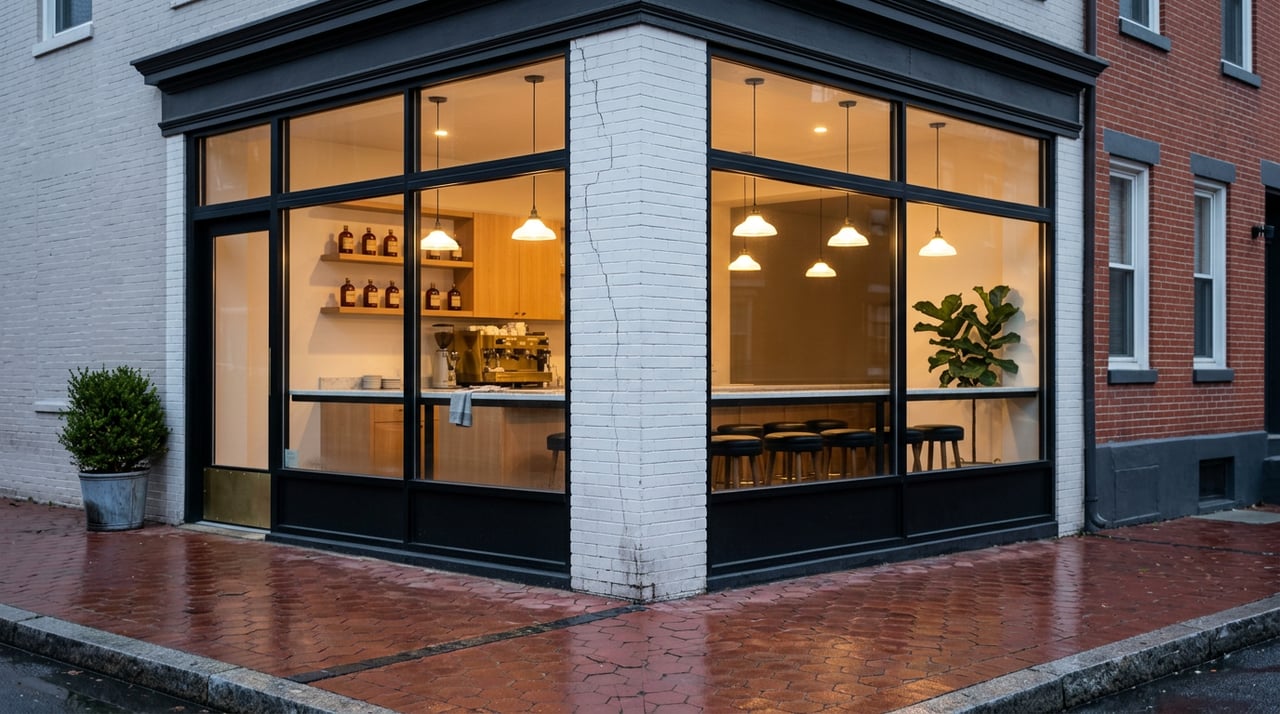
Society Hill is quietly residential, highly walkable, and minutes from Washington Square and Independence National Historical Park. Headhouse Square hosts a popular seasonal Sunday farmers market, and small cafés and shops dot the district. The neighborhood’s civic group supports daily quality-of-life details like sidewalk and tree care, a sign of the strong local stewardship you feel on every block. Learn about street trees and brick programs through the Society Hill Civic Association’s Fix the Bricks and Trees page.
Commuting is simple. You are already in Center City, with convenient SEPTA access and short walks or quick rides to major office districts. For visitors and new residents, a self-guided stroll reveals most essentials within a few compact, lovely blocks.
Buying in Society Hill
Market data varies by provider and method. Redfin reported a median sale price of about 610,000 dollars in January 2026. Realtor.com dashboards showed median listing values in the mid 800,000s in late 2025. The difference reflects sold versus list metrics, reporting dates, and small neighborhood sample sizes, so always ask for a current, property-specific analysis.
Prices span a wide range: studios and one-bedroom condos, I. M. Pei tower units, and multi-story restored townhouses. Well-documented historic façades, proximity to Washington Square and Independence Park, and intact period detail often command a premium. The neighborhood’s limited supply and careful exterior preservation support higher prices per square foot compared with many parts of the city, a point noted in the Society Hill district inventory.
Owning and preserving
Society Hill is a local historic district. Exterior changes visible from the public way typically require review by the Philadelphia Historical Commission and a Certificate of Appropriateness. Before you plan work, review the city’s guidance and the district nomination materials at the Philadelphia Historic Districts resource page and the Society Hill district inventory.
Financial incentives are specific. Philadelphia offers residential property tax abatements for qualifying construction or rehabilitation, which can impact your monthly math if a home still carries abatement years. Review eligibility and deadlines at the city’s Property Tax Abatement program. State and federal preservation funding often applies to nonprofits or income-producing certified historic buildings. Pennsylvania’s Keystone Historic Preservation Grants are not typical homeowner grants for private, owner-occupied houses, and the federal 20 percent Rehabilitation Tax Credit applies to income-producing historic properties. See eligibility details via the PHMC Keystone Historic Preservation Grants page.
Maintenance to budget for
Older brick and slate are durable when maintained well, but they require specialized care.
- Masonry repointing. Costs commonly range about 3 to 25 dollars per square foot depending on depth of work, lime-based mortar needs, and access. See national ranges at HomeAdvisor’s repointing guide, then get written local quotes.
- Slate and flashing. Full slate roof work can reach into the tens of thousands depending on size and structure. Because historic roofs often require specialists, plan for higher labor costs and careful staging.
- Windows and weatherization. The National Park Service recommends repair and weatherization of historic windows in most cases, often with storm windows and improved weather-stripping. Review best practices at the NPS brief on weatherization of historic windows and doors.
A smart owner’s checklist before any work:
- Confirm your home’s status and any previous approvals in the city inventory.
- Meet a contractor with historic-materials experience and request references from similar homes.
- Ask for a scope, materials list, and warranty in writing.
- Contact the Historical Commission early if exterior changes are visible from the street.
How to explore it yourself
A great first look starts at Washington Square. Walk south along 4th Street to the Hill-Physick House for a window into Federal-era life. Continue along Pine Street to take in brick sidewalks and period-scale façades, then head east to glimpse the modern-meets-historic mix around the Society Hill Towers. End at Headhouse Square for a café stop or the Sunday market in season.
Ready to make a move?
If Society Hill’s streets and stories feel like home, let’s talk through your goals. You will get a clear, current pricing read, guidance on preservation rules, and a plan that fits how you want to live. Reach out to Connor Gorman to get a free home valuation or start your home search today.
FAQs
What makes Society Hill a historic district?
- Society Hill contains one of the largest collections of 18th and early 19th century buildings in the country and is listed on local and national registers. The city’s Society Hill Historic District inventory documents boundaries, contributing buildings, and streetscape details.
Do I need approval to change a façade in Society Hill?
- Yes. Exterior changes visible from the public way typically require review by the Philadelphia Historical Commission and a Certificate of Appropriateness. See the city’s guidance at Philadelphia Historic Districts.
Are there preservation grants or tax breaks for owners?
- City abatements can reduce taxes for qualifying rehab or construction, and some state or federal programs support nonprofit or income-producing historic projects. Review the city’s Property Tax Abatement and the PHMC Keystone Grants page for eligibility.
What is everyday life like and is it walkable?
- You are steps from Washington Square and Independence National Historical Park, with cafés, small shops, and a seasonal Sunday market at Headhouse Square. The Society Hill Civic Association’s Fix the Bricks and Trees program reflects strong resident stewardship.
What maintenance costs are common in older Society Hill homes?
- Plan for masonry repointing, slate roof repairs, and window weatherization. Expect rough repointing ranges of 3 to 25 dollars per square foot per HomeAdvisor, and use the NPS guidance on window weatherization to plan repair-first solutions.