Thinking about replacing windows, adding a roof deck, or restoring masonry on a Society Hill home? If your plans are visible from the street or alley, you will likely need approval before you start. It can feel complicated at first, especially if you are new to historic districts. This guide shows you what triggers review, how the Philadelphia Historical Commission process works, and how to plan your scope, budget, and timeline with confidence. Let’s dive in.
Who approves work in Society Hill
Society Hill properties that are locally designated fall under the Philadelphia Historical Commission, known as the PHC. The PHC reviews exterior changes that are visible from the public right of way, and the Department of Licenses and Inspections issues permits after PHC decisions. If your building is contributing in the district, review is often stricter than for non contributing structures.
National Register listing recognizes historic value but does not restrict private owners by itself unless state or federal funding, permits, or licensing are involved. PHC staff can advise on whether your plan is eligible for administrative approval or must go to a public hearing. Local civic groups may offer input during reviews, but the PHC is the decision maker for local approvals.
What triggers PHC review
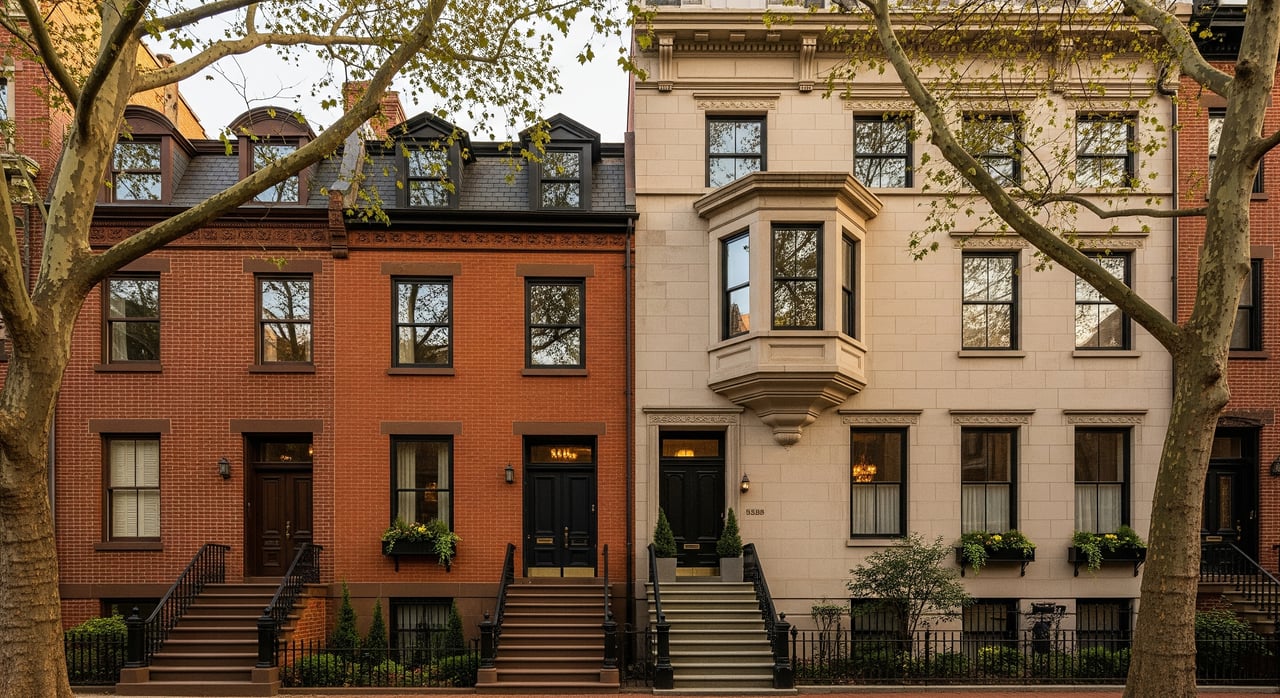
The practical rule is simple. If a change is visible from a street, sidewalk, or alley, it often needs review. Common triggers include:
- Additions or new construction, including rear or rooftop work visible from a public way
- Demolition or removal of historic fabric, partial or full
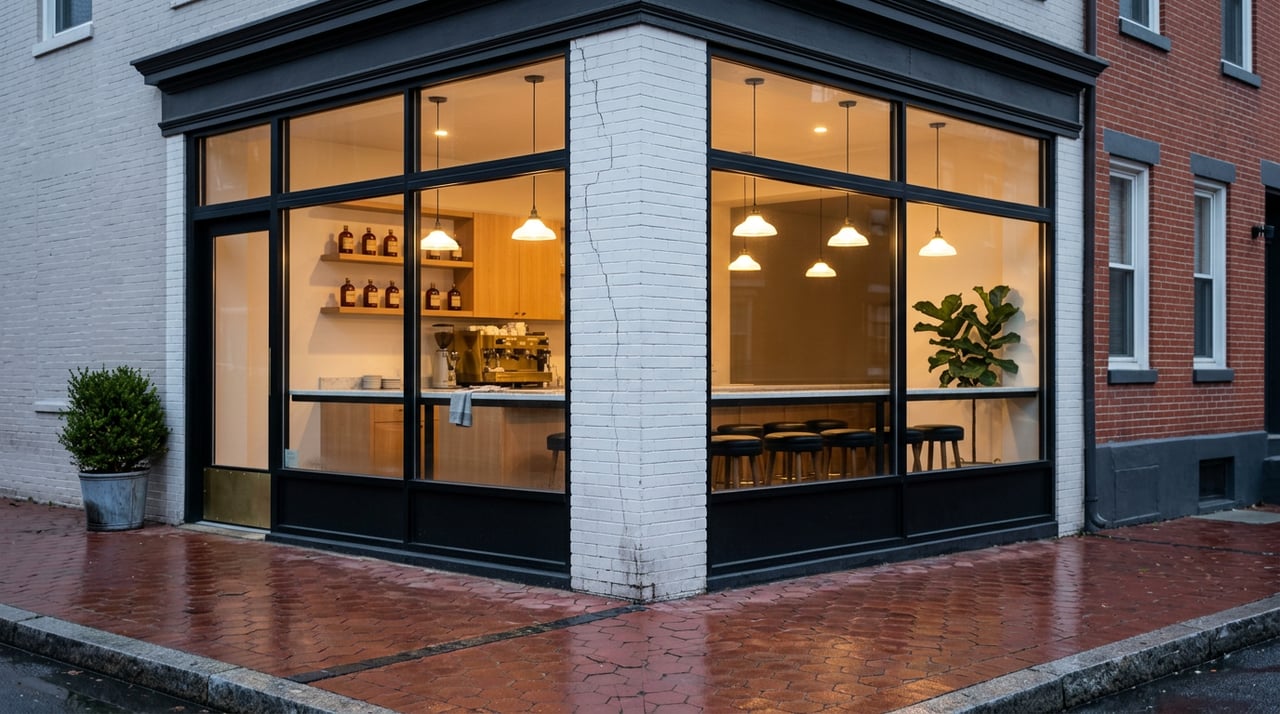
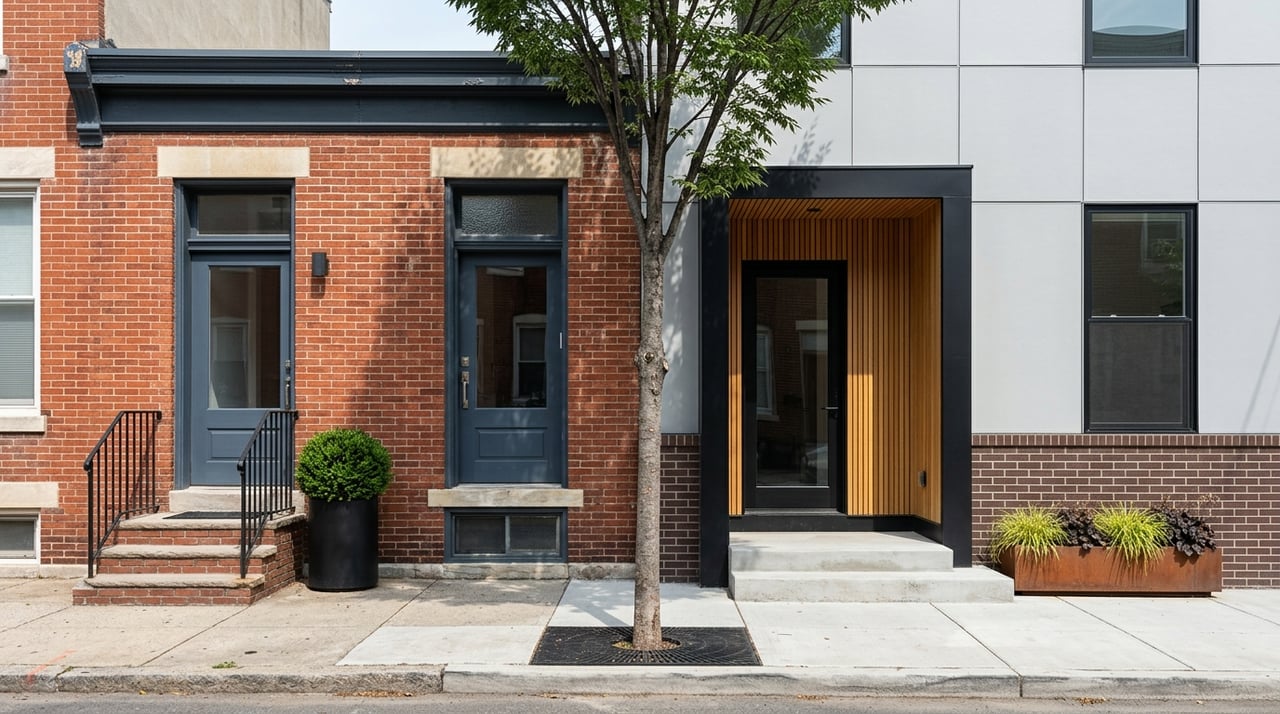
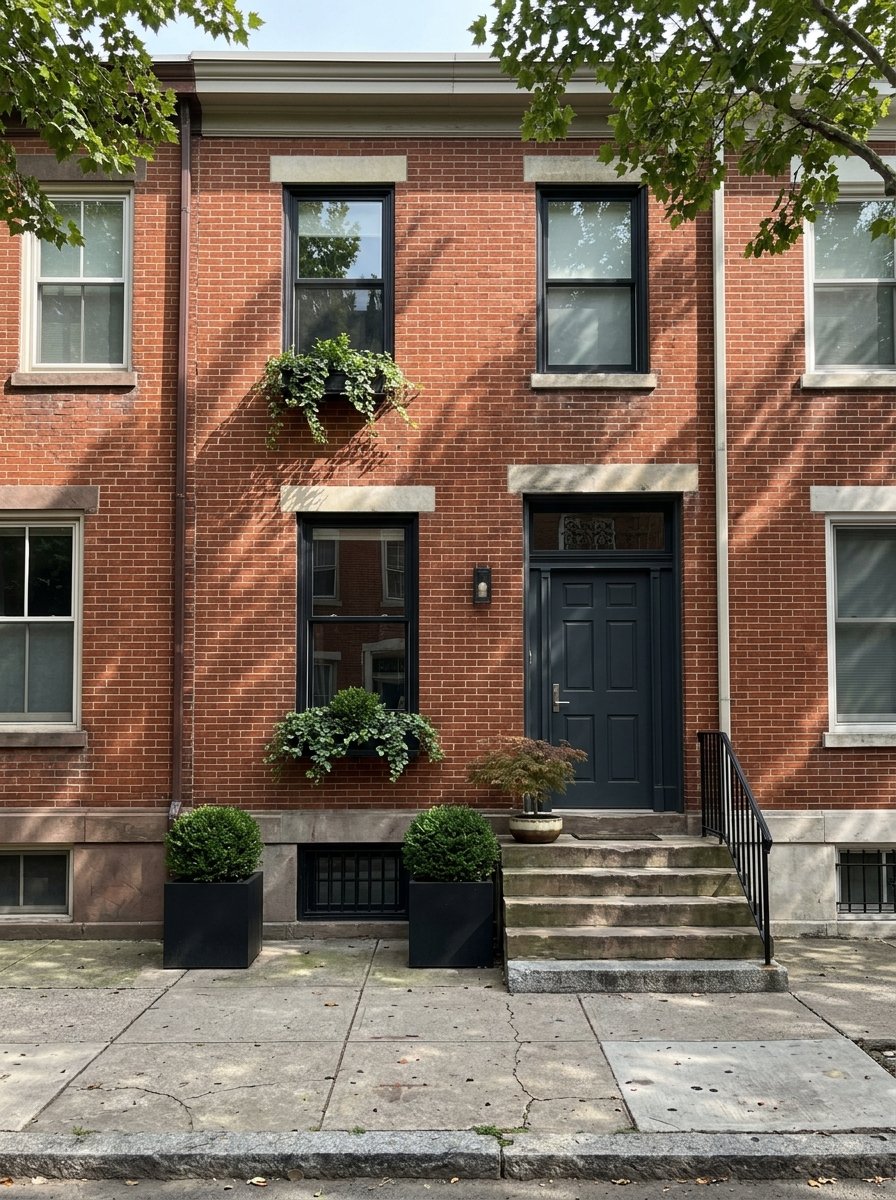
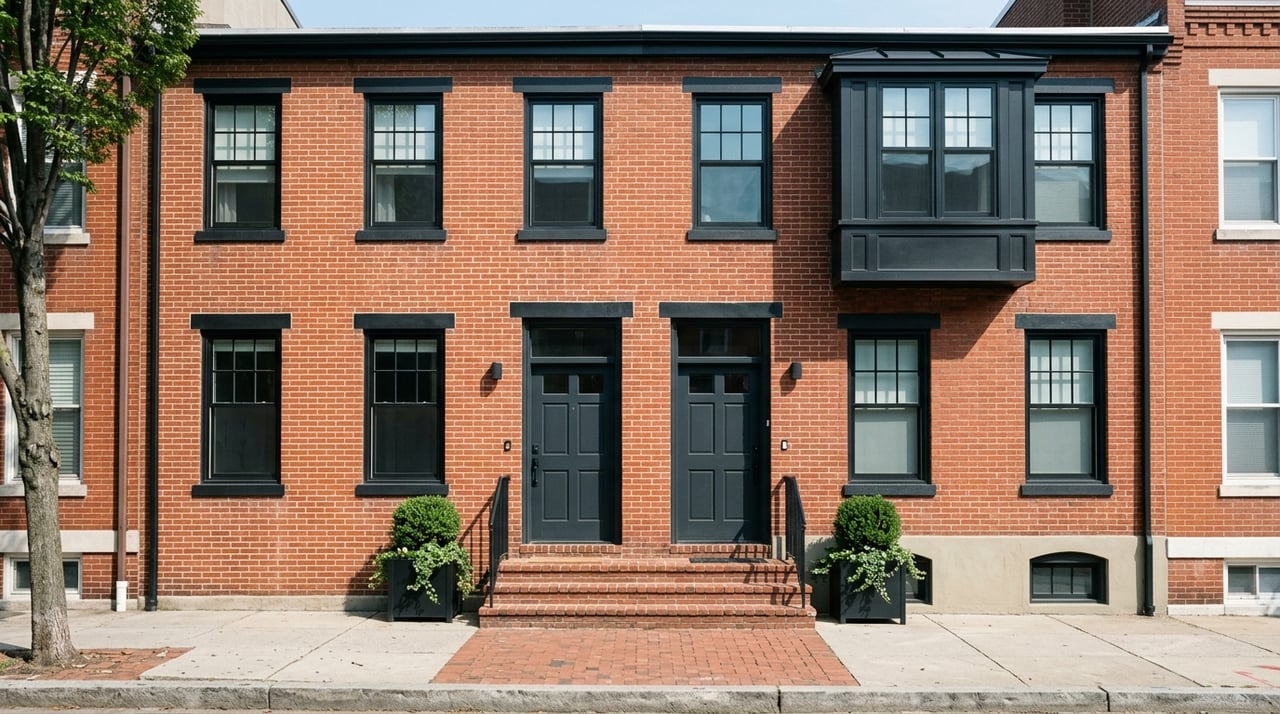
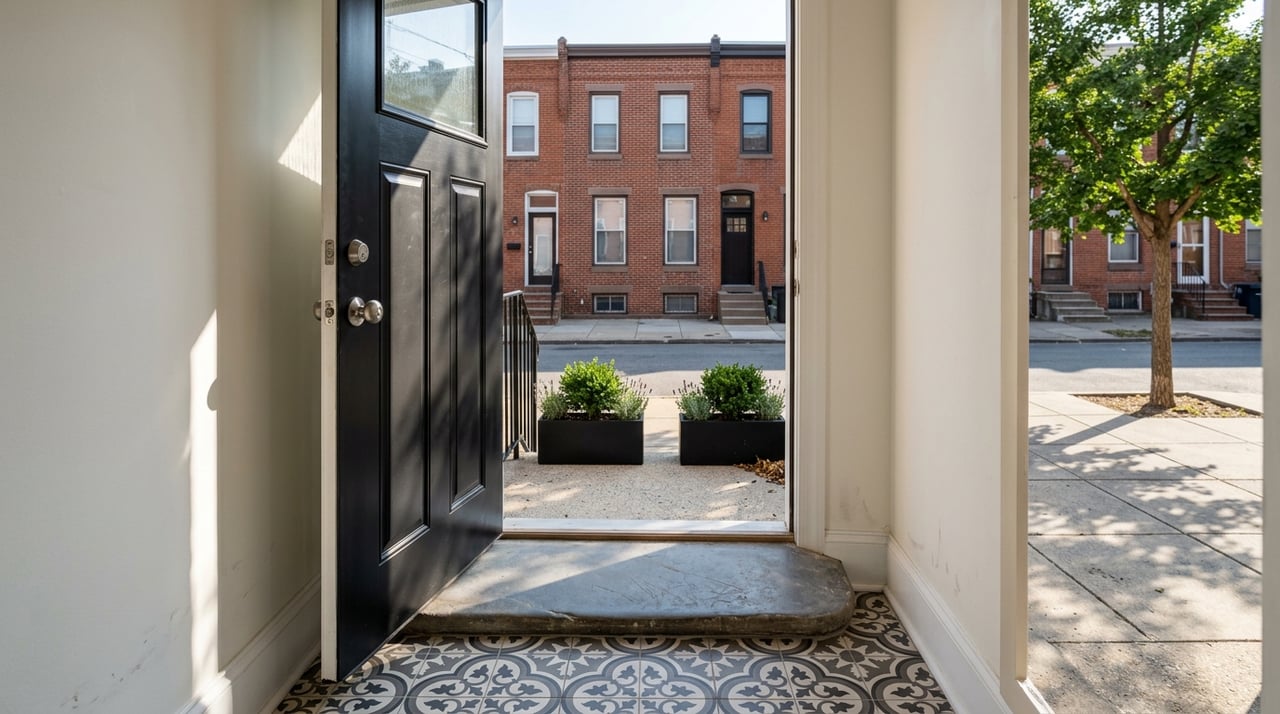
- Changes to façades, such as windows, doors, transoms, and storefronts
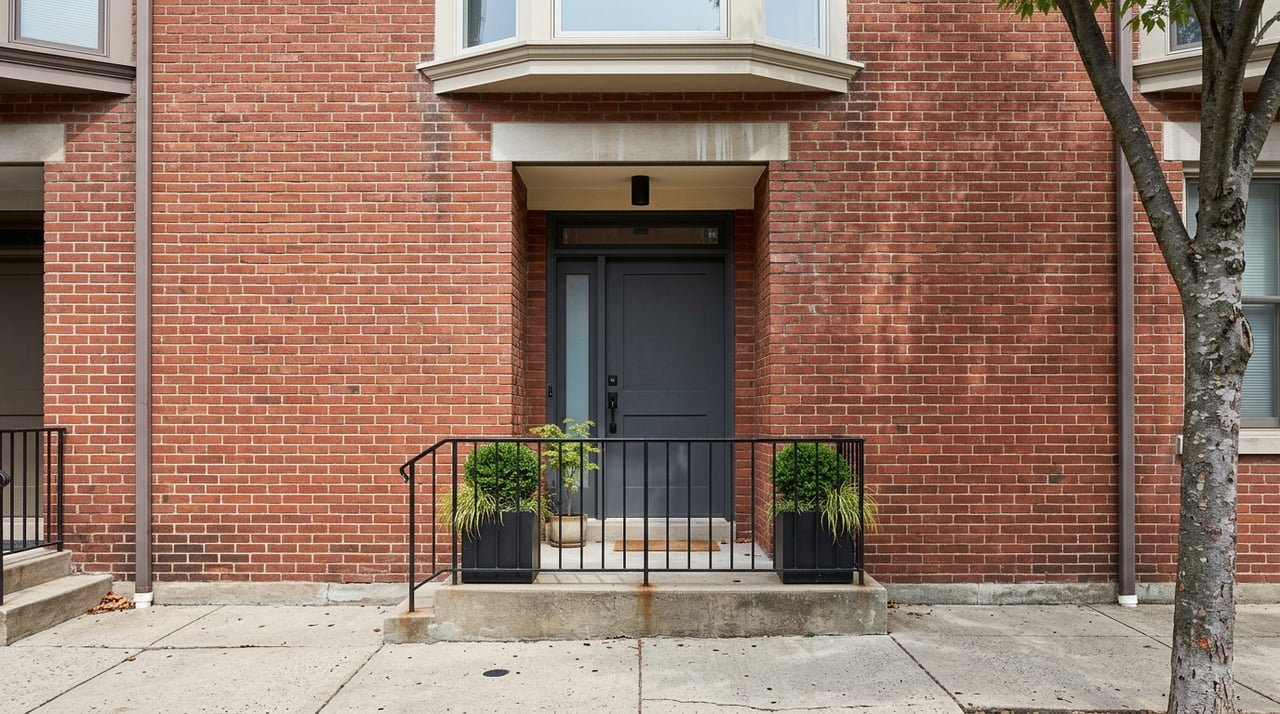
- Replacement or alteration of original masonry, cornices, stoops, or porches
- New porches, decks, and stairs or major changes to existing ones
- Roof changes that can be seen from the street, including dormers and new materials
- Fences, walls, and gates that face public space
- Visible mechanicals, chimneys, vents, and exterior HVAC units
- Exterior signs and awnings on commercial properties
- Solar panels or satellite dishes that are visible
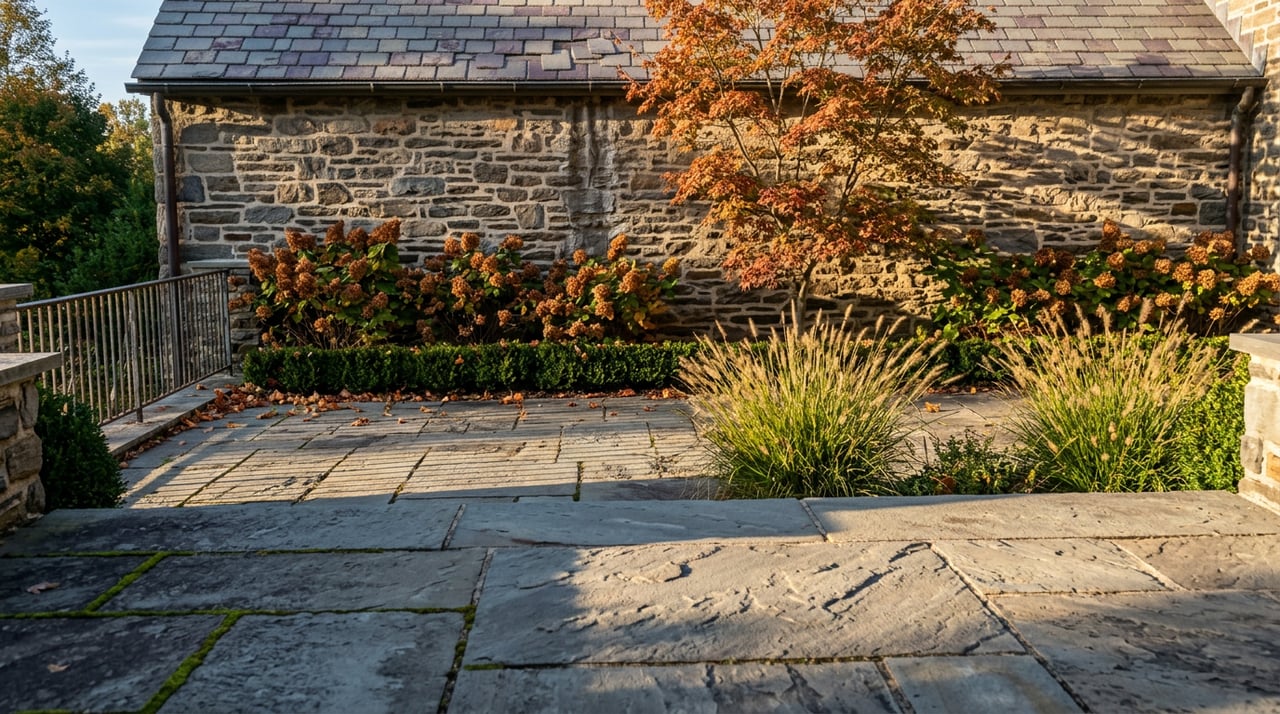
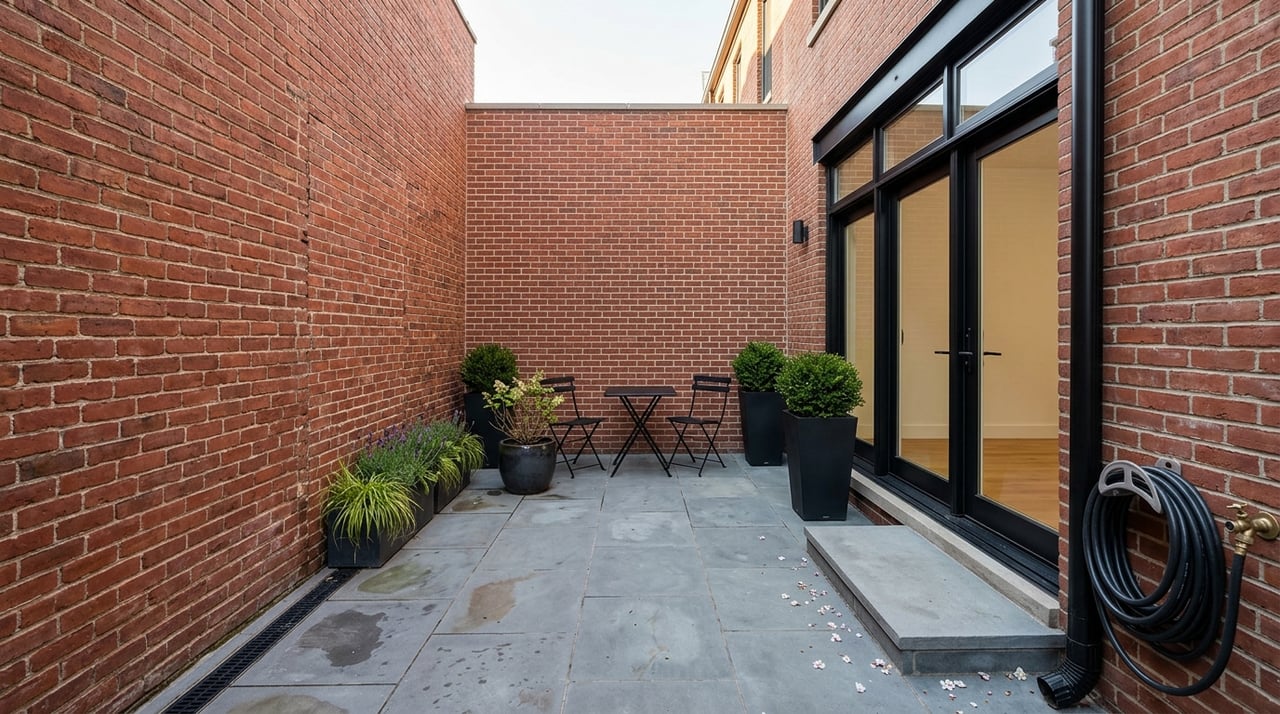
- Hardscape and landscape changes that alter visible yards or courtyards
Interior only work typically does not trigger review if it does not affect the exterior. Routine maintenance or repainting of previously painted surfaces often does not require approval. There are exceptions, such as removing paint from unpainted historic masonry or painting previously unpainted masonry. Always confirm with PHC staff before you begin.
How the approval process works
Follow this step by step workflow to keep your project on track:
- Confirm designation and status. Verify that your property is locally designated and whether it is contributing or non contributing.
- Speak with PHC staff early. A pre application conversation helps confirm scope, materials, and whether staff can approve it administratively.
- Prepare your package. Gather photos, drawings, elevations, a materials list and product sheets, and a narrative describing the proposed work.
- Submit your COA application. A Certificate of Appropriateness is required for most exterior changes that are visible from the public way.
- Undergo staff review. Minor work may be approved by staff, while larger projects go to a PHC hearing.
- Attend the hearing if needed. The commission holds a public meeting and votes. Staff recommendations are presented.
- Receive the decision. Outcomes include approved, approved with conditions, continued for more information, or denied.
- Apply for L&I permits. Submit the PHC decision with your permit application.
- Start work after permits are issued. Coordinate inspections as required.
- Complete final inspections. Obtain a certificate of compliance if applicable.
Timeline expectations
Actual timing depends on scope and the PHC calendar. Plan for the following common ranges:
- Pre application advice: a few days to a few weeks
- Staff administrative approvals for minor work: a few business days to 2 to 4 weeks
- Full commission review for major work: often 6 to 12 weeks from submission to decision, longer if continued
- L&I permits after PHC: a couple of weeks for simple permits to multiple months for complex structural reviews
- Demolition or controversial cases: expect extended timelines and added public input
Always confirm current deadlines and schedules with PHC staff before setting construction dates.
What PHC looks for
PHC decisions rely on local guidelines and widely used preservation standards. You improve your odds of approval when you:
- Match the neighborhood’s historic character in scale, massing, and proportions
- Prioritize repair over replacement, and use materials that match the look and profile of historic ones
- Keep changes minimally visible from the street and emphasize reversibility
- Make additions compatible yet clearly new, so old and new are distinguishable
- Preserve significant features like original windows, cornices, stoops, and masonry
- Use traditional materials or modern products that closely replicate historic appearance
Projects that pursue state or federal incentives typically follow the Secretary of the Interior’s Standards for Rehabilitation.
Plan your project early
Set yourself up for success with early due diligence:
- Confirm local designation and contributing status
- Ask for prior COAs, drawings, and records of exterior work
- Talk to PHC staff about scope, materials, and the likely review path
- Document existing conditions and note features you want to preserve
Application checklist
- Current photos of all façades, the area of work, and the streetscape
- Drawings or elevations showing existing and proposed conditions
- Materials and manufacturer cut sheets for replacements
- A site plan showing property lines and relation to the public way
- Historic photos, if available, to support restoration
- A short narrative explaining how the proposal meets the guidelines
Budget and costs
- Soft costs. Plan for drawings, a preservation architect or consultant if needed, and documentation. Fees vary by scope.
- Construction costs. Preservation repair and in kind replacement can cost more than standard approaches. Common drivers include custom millwork, masonry restoration, and window repair or replication.
- Permits and fees. PHC application fees, L&I permit fees, and contractor permit or inspection fees may apply. Check current schedules with PHC and L&I.
- Contingency. Older buildings can hide issues like rot, structural repairs, lead paint, or masonry problems. Increase your contingency accordingly.
Choosing your team
- Hire contractors with historic building experience and PHC familiarity
- Consider a preservation architect or consultant to guide design and approvals
- Ask for examples of PHC approved work, especially for similar scopes
Common pitfalls to avoid
- Starting visible exterior work without a COA or staff sign off
- Assuming modern replacements will be acceptable without proof of compatibility
- Under budgeting for specialized trades like masonry restoration or window repair
- Misaligning PHC timing with L&I permits and construction start dates
Tips for typical Society Hill projects
- Windows. PHC prefers repair of historic windows. If replacement is necessary, match profiles, dimensions, and sightlines, and consider wood replicas where visible.
- Masonry. Use appropriate mortar and joint profiles, gentle cleaning methods, and avoid abrasive techniques.
- Roofs and mechanicals. Match historic materials where visible. Set back or screen rooftop equipment so it is not seen from the street.
- Stoops and porches. Repair and in kind replacement are favored. New elements should respect original proportions and setbacks.
- Solar panels. Proposals are often evaluated on visibility. Panels on non visible roof planes or set low to reduce views are more likely to be approvable.
- Fences and walls. Provide height, material, and profile details, and show sightlines from the sidewalk.
Special Society Hill considerations
- Demolition. Proposals affecting contributing buildings face close scrutiny and public interest. Expect longer review and a higher bar for approval.
- Tax credits. Qualified rehabilitation work may be eligible for state or federal historic tax credits when it meets the applicable standards.
- Emergency repairs. Safety hazards can be addressed through emergency provisions with PHC and L&I. Notify staff and document conditions, and expect post hoc approvals.
- Accessibility and energy upgrades. These can often be approved when visible impacts are minimized and character is preserved.
Sample scenarios and timing
- Minor repair, such as small area repointing or in kind door replacement. Often 2 to 6 weeks, including staff approval and L&I permitting.
- Window replacement visible from the street. Often 6 to 12 weeks, including review and permits.
- Rear or rooftop addition visible from public ways. Often 3 to 6 months or more, with hearings and possible community comment.
- Demolition affecting a contributing structure. Expect several months with extended review and possible delays.
Next steps
- Contact PHC staff for a pre application conversation and confirm if your scope is eligible for administrative approval.
- Collect past COAs and any historic documentation for your property.
- Engage a preservation savvy architect or contractor early to shape scope, drawings, and materials.
- Build a realistic budget that includes soft costs and contingency.
- Align your PHC application schedule with L&I permitting so construction can start on time.
If you are planning work on a Society Hill home or evaluating a purchase with historic considerations, you do not have to navigate this alone. For local guidance on scope, budget, and timing, connect with Connor Gorman for a clear plan that respects history and keeps your project moving.
FAQs
What is the PHC and why does it matter in Society Hill?
- The Philadelphia Historical Commission reviews exterior changes visible from public ways on locally designated properties and districts, and its decisions are needed before L&I can issue permits.
Do I need approval to replace windows on a Society Hill home?
- Yes, if the windows are visible from the street or alley; PHC generally prefers repair, and replacements must closely match historic profiles and sightlines.
How long does a typical PHC review take?
- Minor staff approvals can be a few days to a few weeks, while full commission reviews for major work often take 6 to 12 weeks from submission to decision.
What is a Certificate of Appropriateness (COA)?
- A COA is the PHC’s formal approval for proposed exterior work; you submit an application with photos, drawings, and materials, and attach the decision to your L&I permit request.
Does National Register listing restrict what I can do?
- National Register status recognizes significance but does not restrict private owners by itself unless state or federal funding, permits, or licensing are involved.
Can I install solar panels on my Society Hill roof?
- Often yes when panels are placed on non visible roof planes or mounted to reduce visibility; proposals visible from the street typically receive closer scrutiny.