Looking for a Philadelphia neighborhood that feels a little calmer without feeling cut off? Chestnut Hill stands out for exactly that reason. If you want a place where you can run errands on foot, spend time outdoors, and still keep an easy connection to Center City, this guide will help you understand why so many buyers keep Chestnut Hill on their shortlist. Let’s dive in.
Why Chestnut Hill Feels Different
Chestnut Hill is often described as a village-like neighborhood in Northwest Philadelphia, and that label fits. Visit Philadelphia also refers to it as Philadelphia’s Garden District and notes that it sits at the city’s highest point, just north of Wissahickon Valley Park.
That setting helps explain the neighborhood’s pace and atmosphere. Historically, the area served as a summer escape from lower, hotter parts of the city, and you can still feel that leafy, relaxed character today.
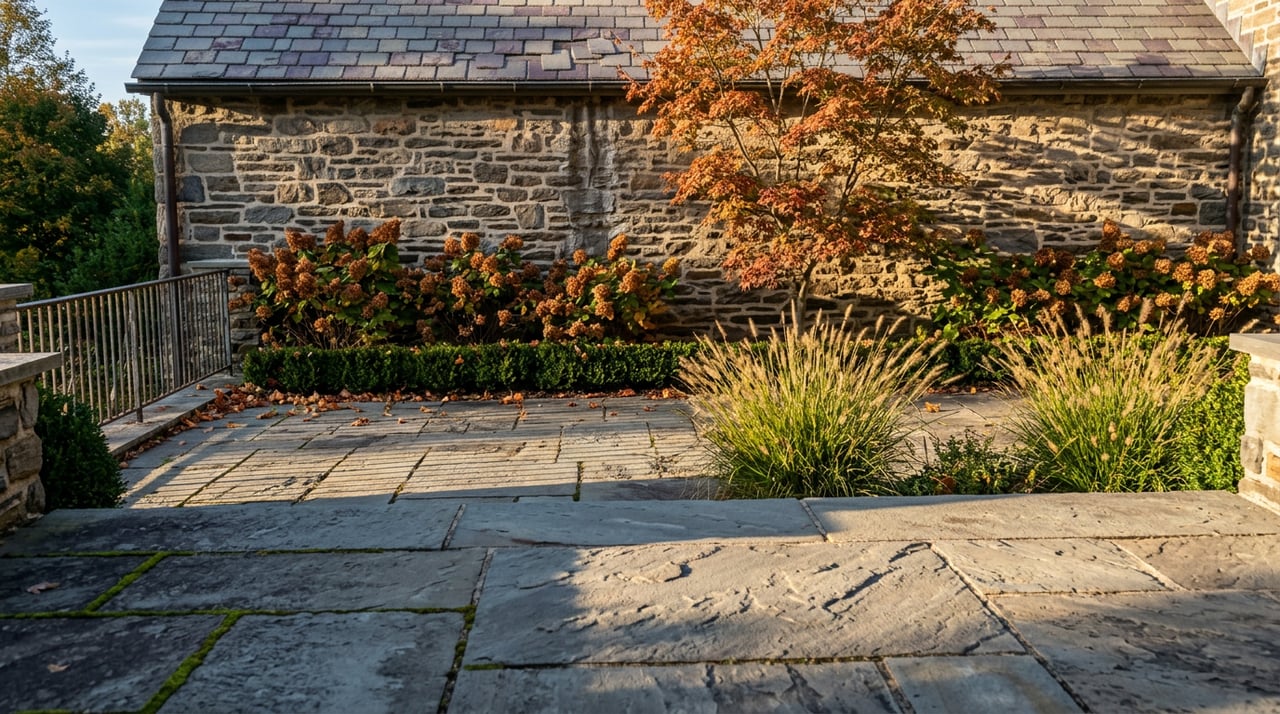
Another major part of Chestnut Hill’s identity is its historic built environment. According to the Chestnut Hill Conservancy, most of the neighborhood falls within the Chestnut Hill Historic District, which includes more than 2,600 buildings dating from 1744 to the present.
Germantown Avenue Shapes Daily Life
If you spend any time in Chestnut Hill, Germantown Avenue quickly becomes the center of the conversation. It is the neighborhood’s commercial spine and one of the main reasons the area feels so livable on a day-to-day basis.
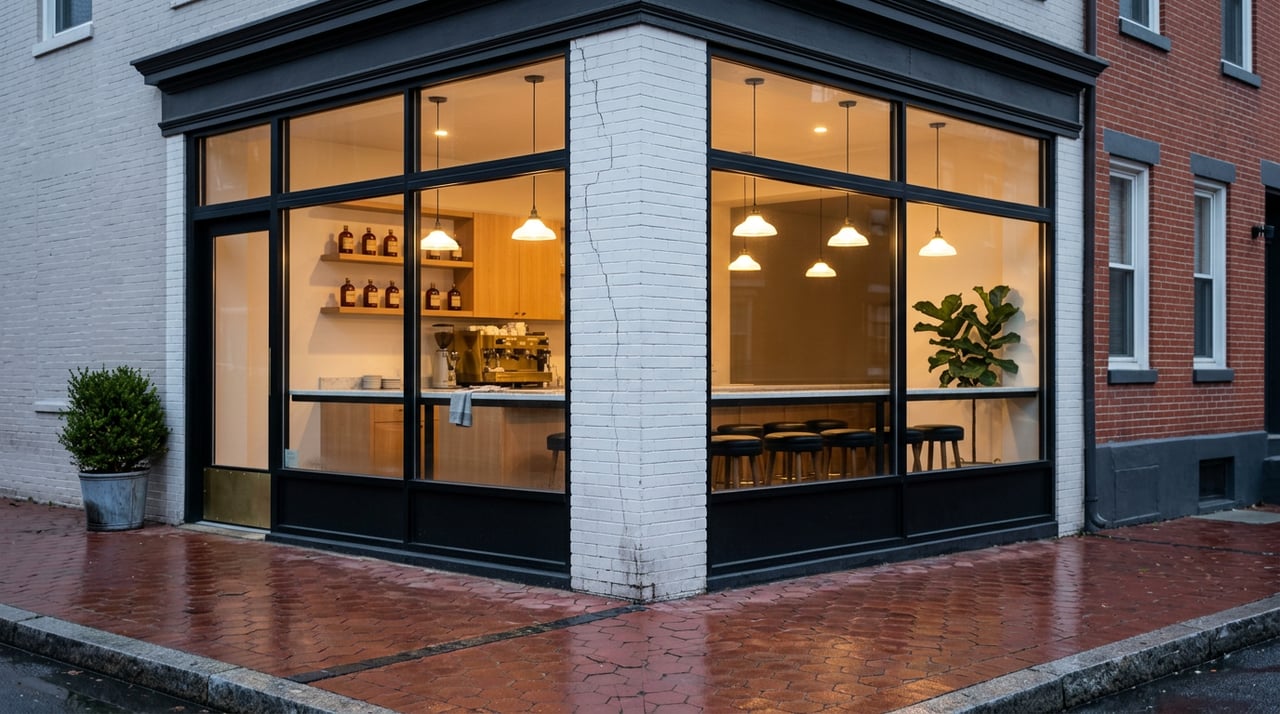
The Chestnut Hill Business District says Germantown Avenue includes more than 200 independent businesses. Visit Philadelphia describes the corridor as lined with boutiques, galleries, cafes, and restaurants, which gives the area a distinct small-business feel that is hard to replicate.
For buyers, this matters because lifestyle is not just about the home itself. It is also about how easy it feels to grab coffee, pick up a few things, browse local shops, or meet friends without planning your whole day around a car trip.
Local Spots Add Character
Official neighborhood guides regularly highlight places like Bredenbeck’s Bakery & Ice Cream Parlor, Hideaway Music, Villavillekula, Gravers Lane Gallery, and the Market at the Fareway. These businesses help define the look and rhythm of the neighborhood.
The Chestnut Hill Farmers Market is another major part of that routine. The Chestnut Hill Business District says it operates every Saturday year-round, and Visit Philadelphia calls it one of the city’s oldest continuous farmers markets.
That kind of consistency adds to the village feel. Instead of a neighborhood that only looks charming from the outside, Chestnut Hill offers regular, everyday activity that supports how people actually live.
Green Space Is Part of the Lifestyle
In Chestnut Hill, access to green space is not an occasional perk. It is woven into the neighborhood. The Chestnut Hill Community Association says multiple green spaces are within walking distance from any point in the neighborhood.
That is a big reason why the area appeals to buyers who want more breathing room while staying in Philadelphia. You are not choosing between city living and outdoor access in the same way you might in denser parts of town.
Pastorius Park and Nearby Trails
Pastorius Park is one of the neighborhood’s best-known outdoor anchors. The Chestnut Hill Community Association describes it as a 16-acre park with a pond, amphitheater, and mature trees.
You also have access to the Cresheim Trail, which links to Wissahickon Valley Park above Devil’s Pool. That connection makes it easier to build outdoor time into your weekly routine, whether that means a short walk, a longer hike, or simply getting outside more often.
Wissahickon Access Expands Your Options
Friends of Wissahickon describes Wissahickon Valley Park as a roughly 2,000-acre park system with more than 50 miles of trails. Its map page also notes that the park’s west side is accessible from most Chestnut Hill West Line stations.
Forbidden Drive is one of the best-known features of the park system. It is a 5.35-mile gravel route that follows Wissahickon Creek, giving residents a straightforward way to enjoy one of Philadelphia’s signature outdoor spaces.
The Philadelphia Water Department also describes the Wissahickon watershed as a protected corridor of parks, trails, and open space. For many buyers, that adds real long-term value to the location and lifestyle.
Gardens and Art Add Another Layer
Chestnut Hill’s green appeal is not limited to trails and parkland. The Morris Arboretum & Gardens, described by the University of Pennsylvania as a 92-acre historic public garden and the official arboretum of Pennsylvania, adds another dimension to the area.
Woodmere also contributes to that mix. It describes its Chestnut Hill campus as a place designed to connect art and nature, and notes that it is reachable on foot, by bike, or by train and bus.
Together, these destinations make the neighborhood feel more layered. You have natural space, cultural space, and everyday public space all working together.
Transit Keeps Chestnut Hill Connected
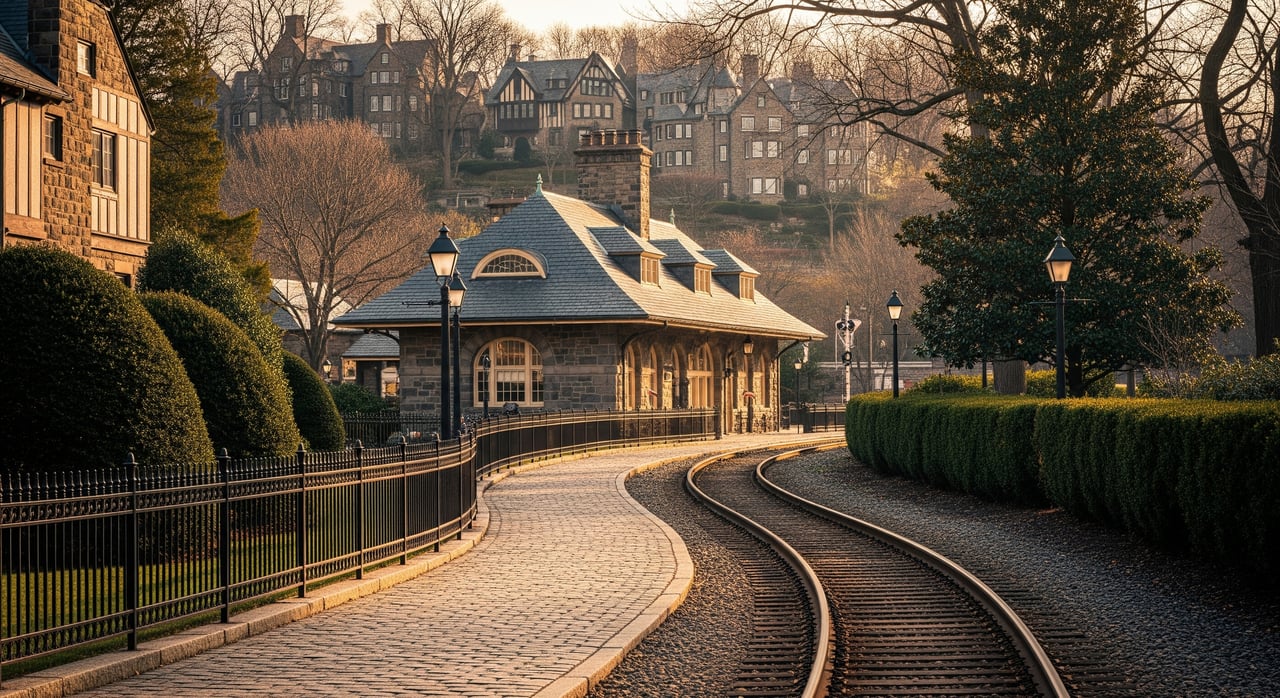
One of the most useful things about Chestnut Hill is that it can feel tucked away without being inconvenient. SEPTA says the neighborhood is about 25 minutes from Center City Philadelphia.
Chestnut Hill is served by both the Chestnut Hill East and Chestnut Hill West Regional Rail lines, and each line terminates in the neighborhood. That gives residents two rail options, which is a meaningful advantage for commuting and general flexibility.
For buyers comparing city neighborhoods with nearby suburbs, this is often a key point. Chestnut Hill offers a more wooded, residential setting while still keeping a practical rail connection to the core of the city.
Everyday Access Matters
Woodmere’s visit information adds that its locations are a few blocks from the Chestnut Hill East and West stations and are also reachable by SEPTA bus 23. That detail reinforces how the neighborhood’s destinations connect to transit in real life, not just on a map.
If you value walkability and public transportation, Chestnut Hill offers a combination that can be hard to find. You get a main street environment, local amenities, and strong access to outdoor space, all tied together by rail service.
Homes Match Different Lifestyles
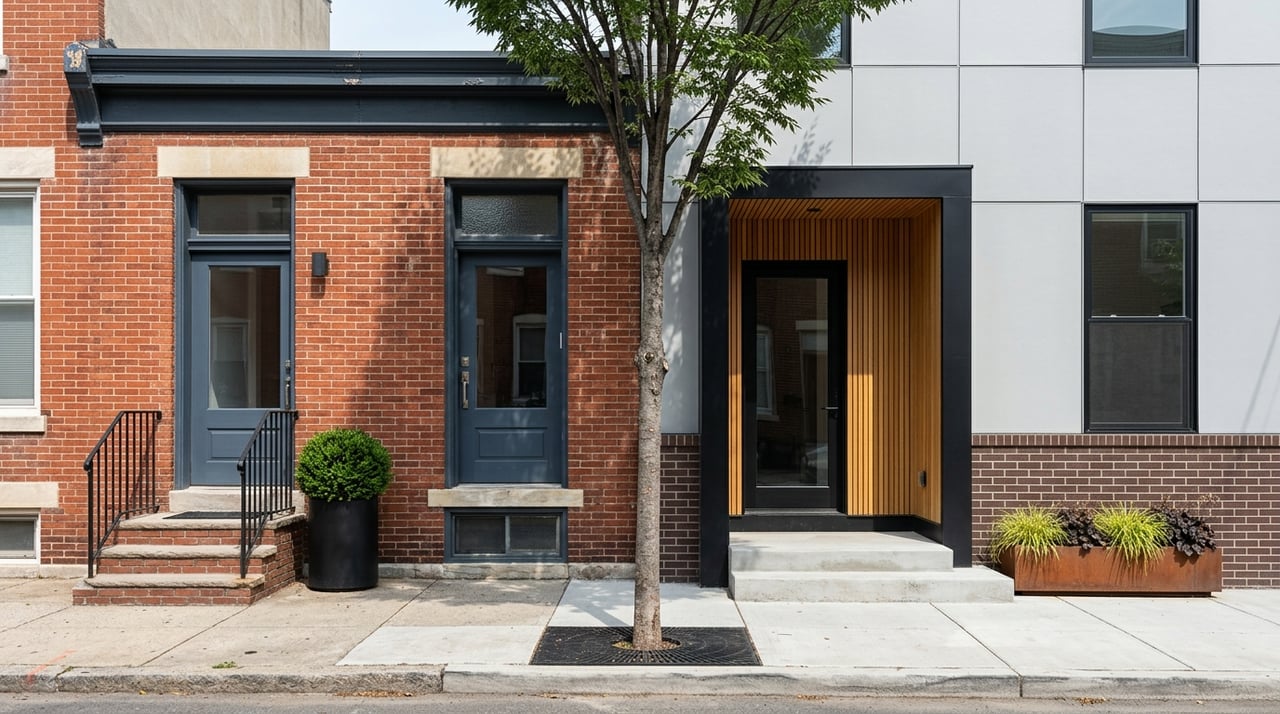
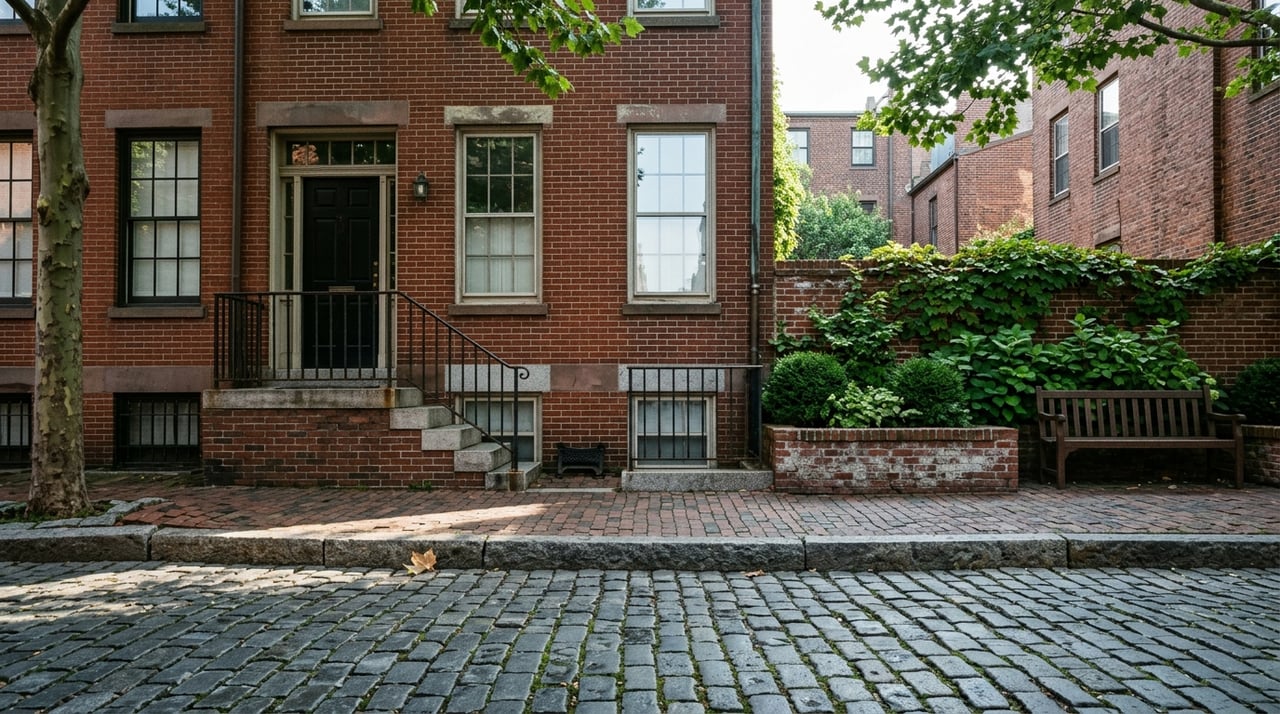
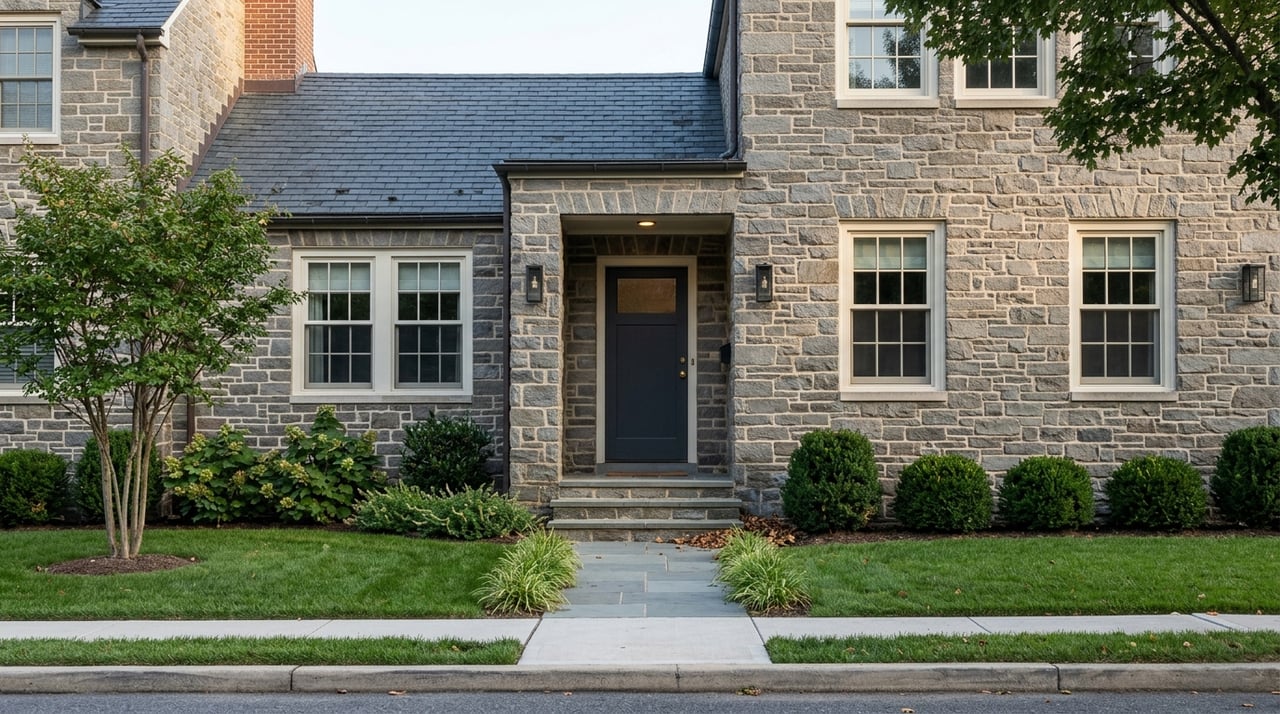
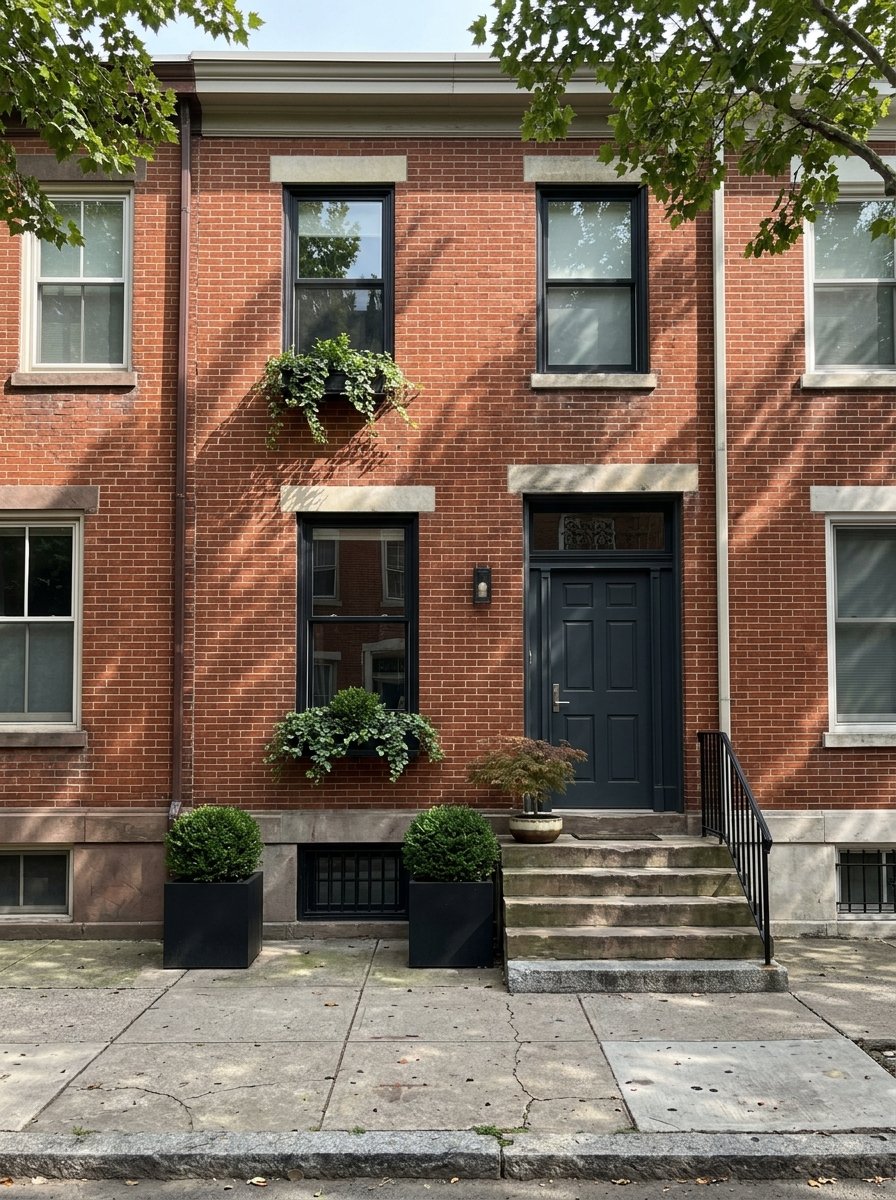
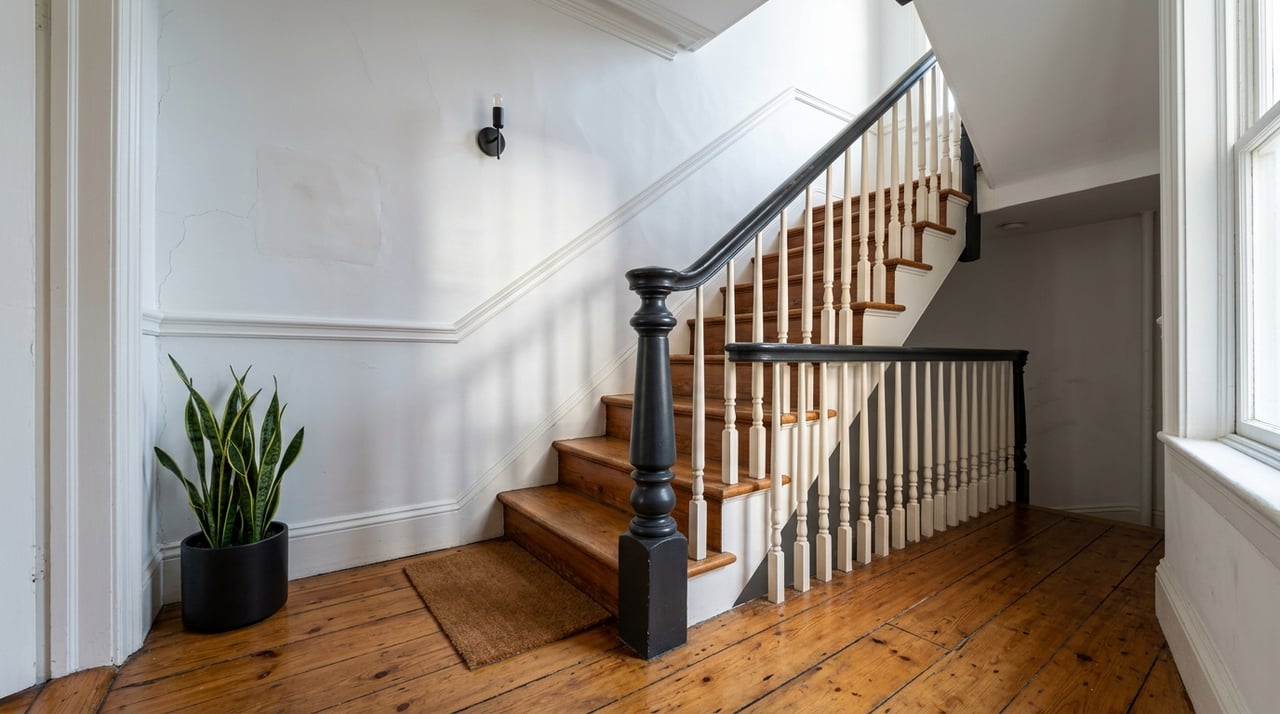
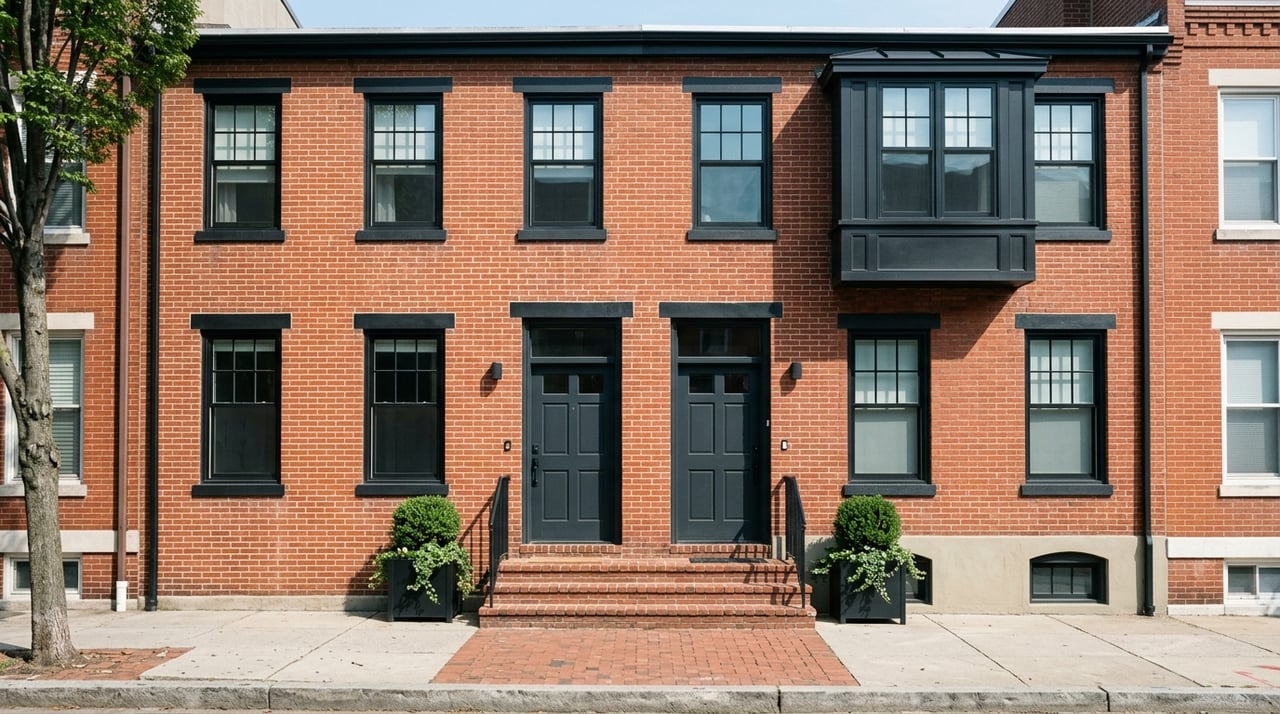
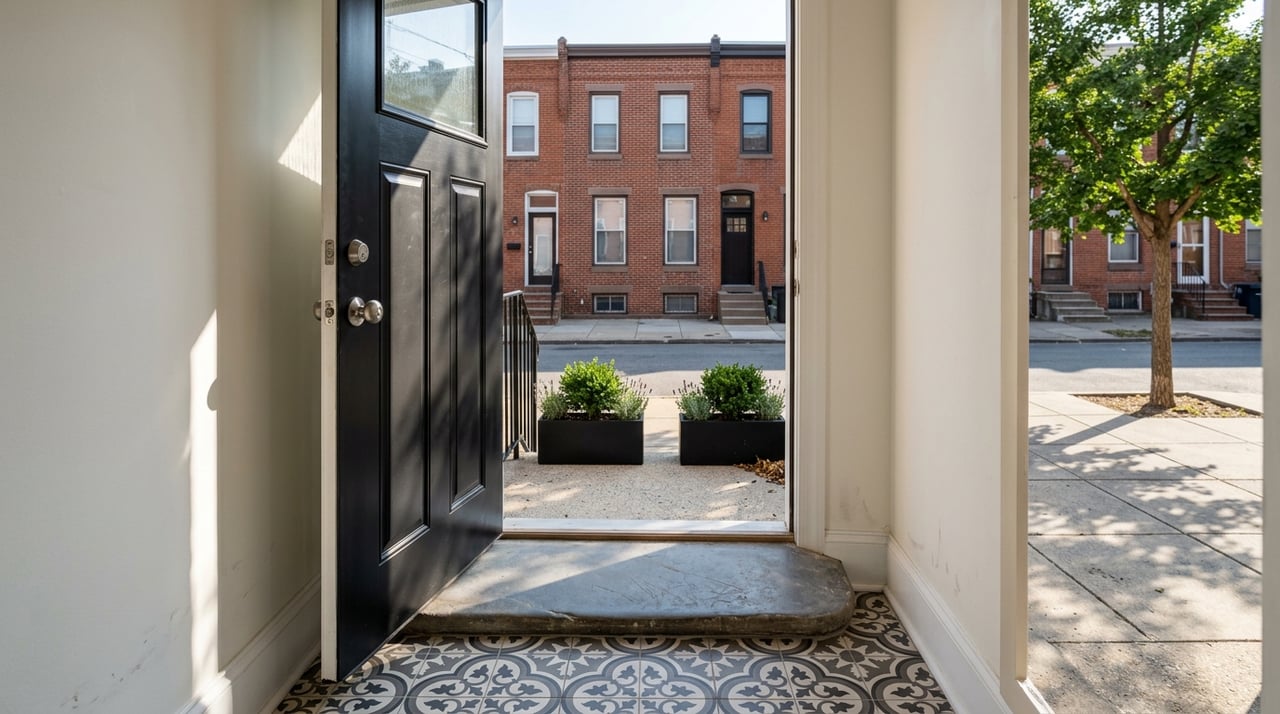
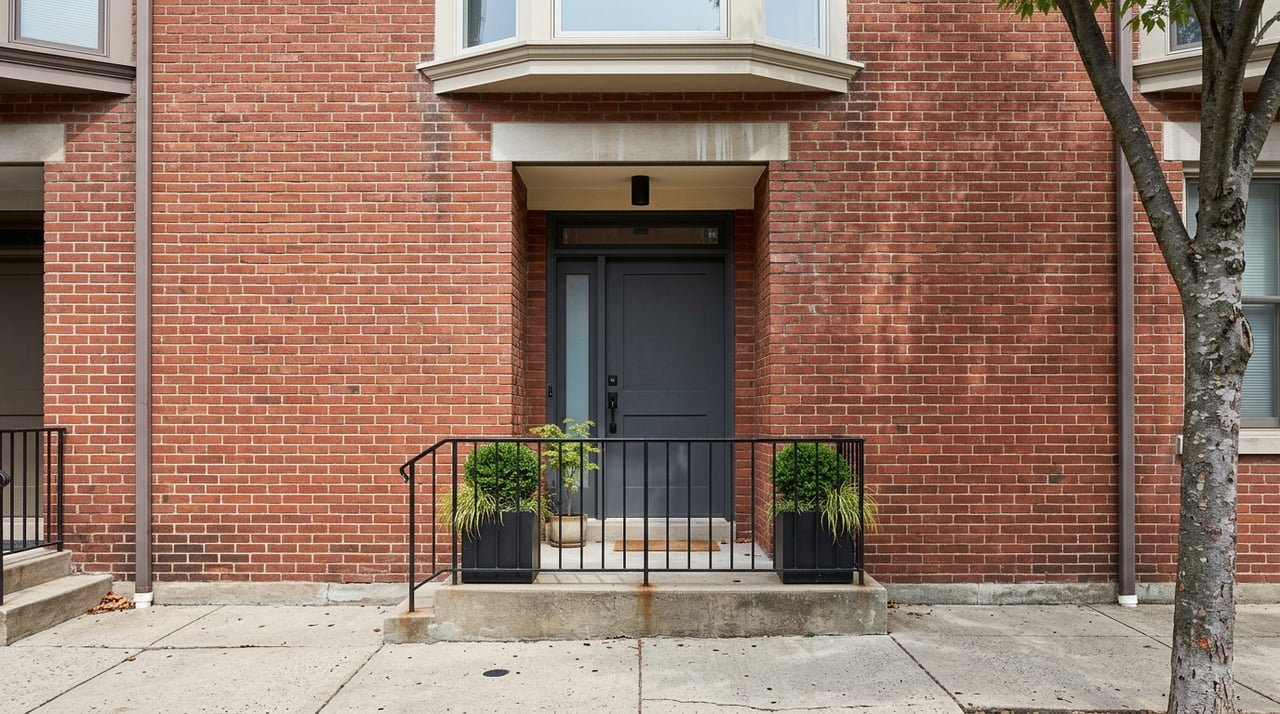
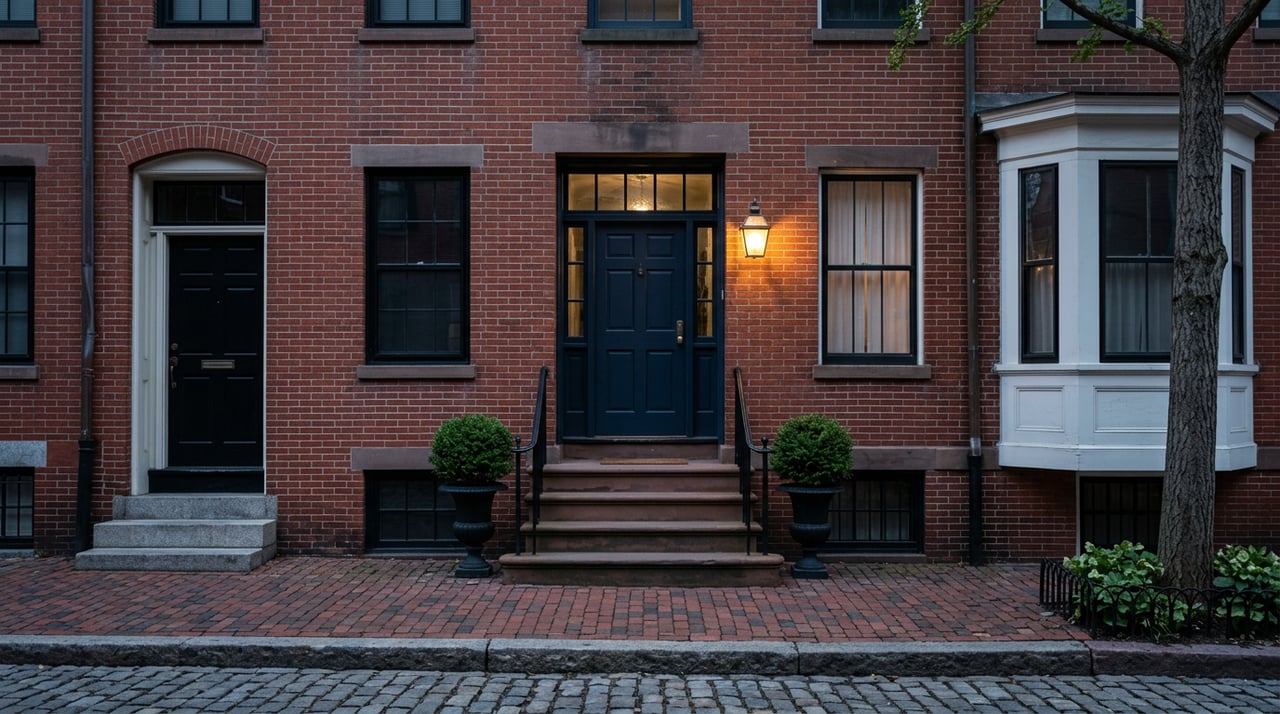
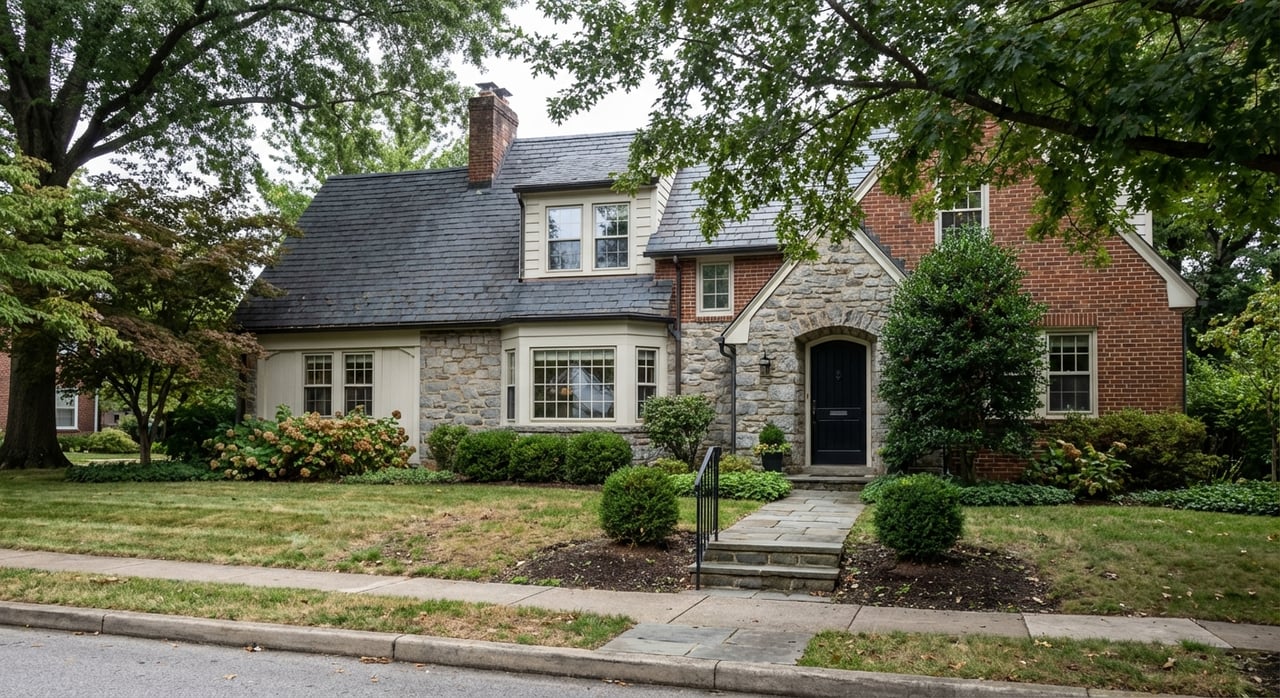
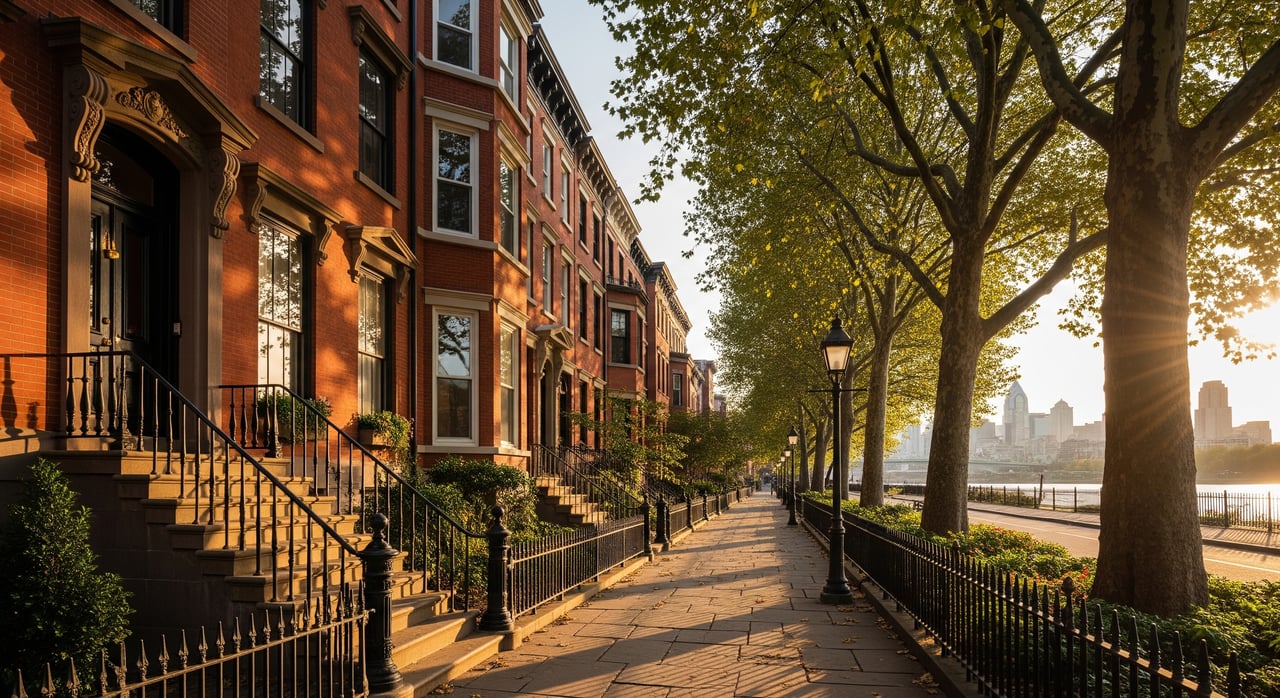
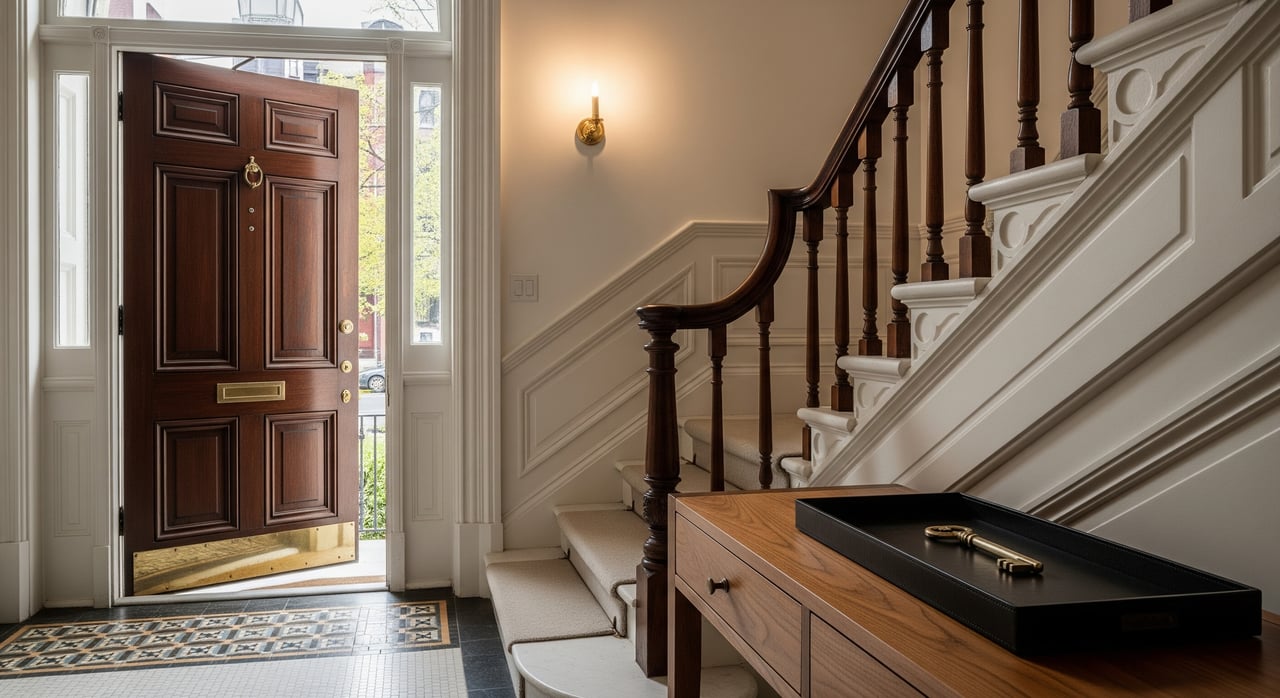
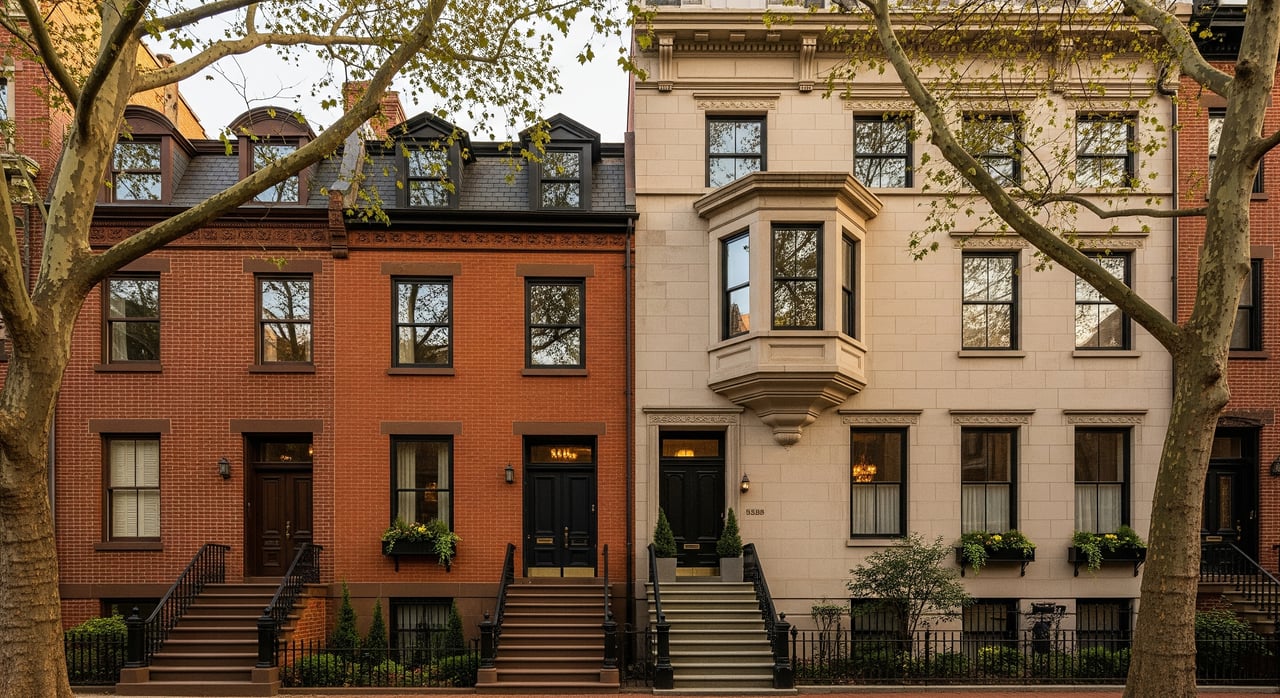
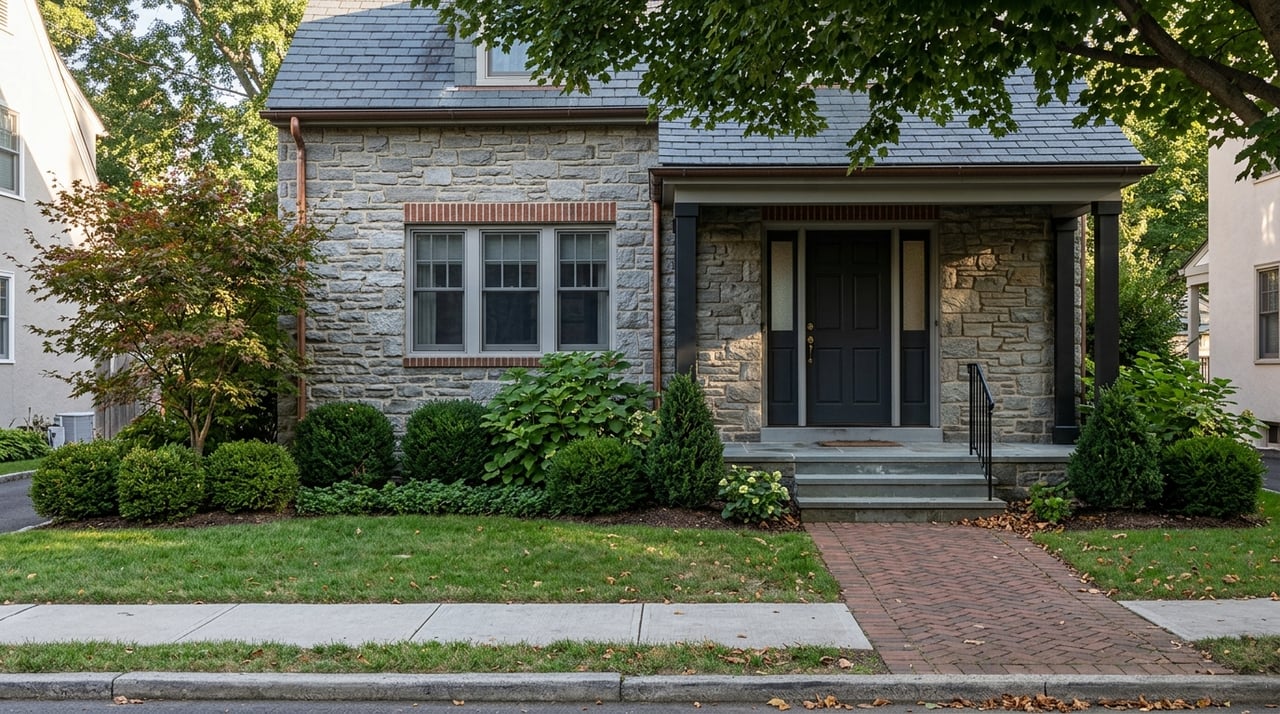
Chestnut Hill’s housing stock is broader than many people expect. The Chestnut Hill Historic District inventory includes rowhouses, semi-detached houses, detached dwellings, stone Victorian homes, and historic forms such as quadruple houses.
That range matters because buyers do not all want the same version of Chestnut Hill. Some people want to be close to Germantown Avenue and the train stations, while others are drawn to homes that feel more private and closer to the park edge.
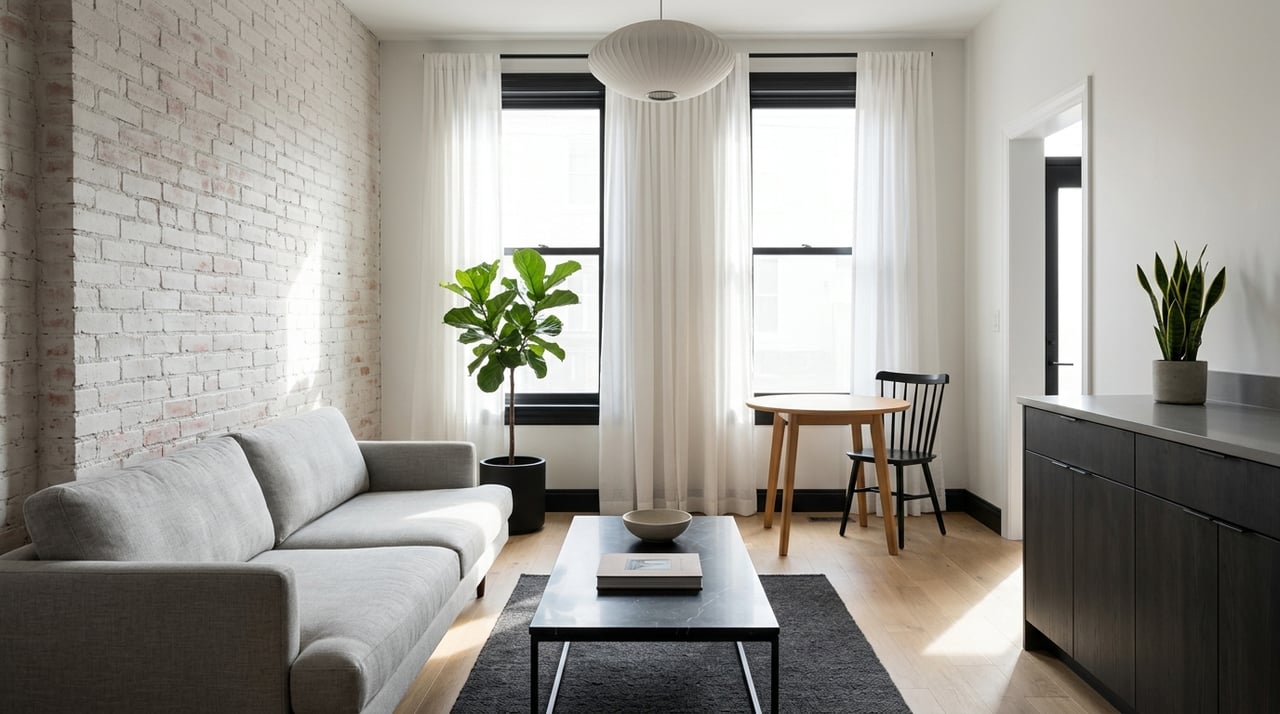
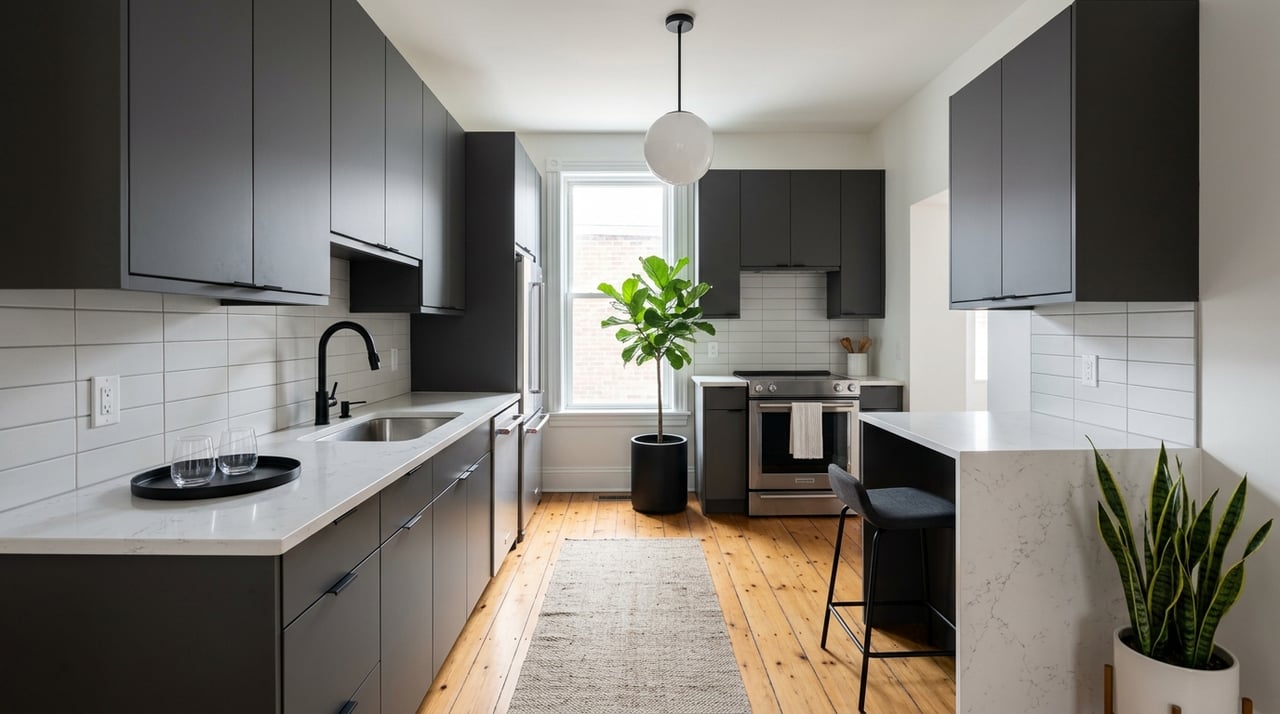
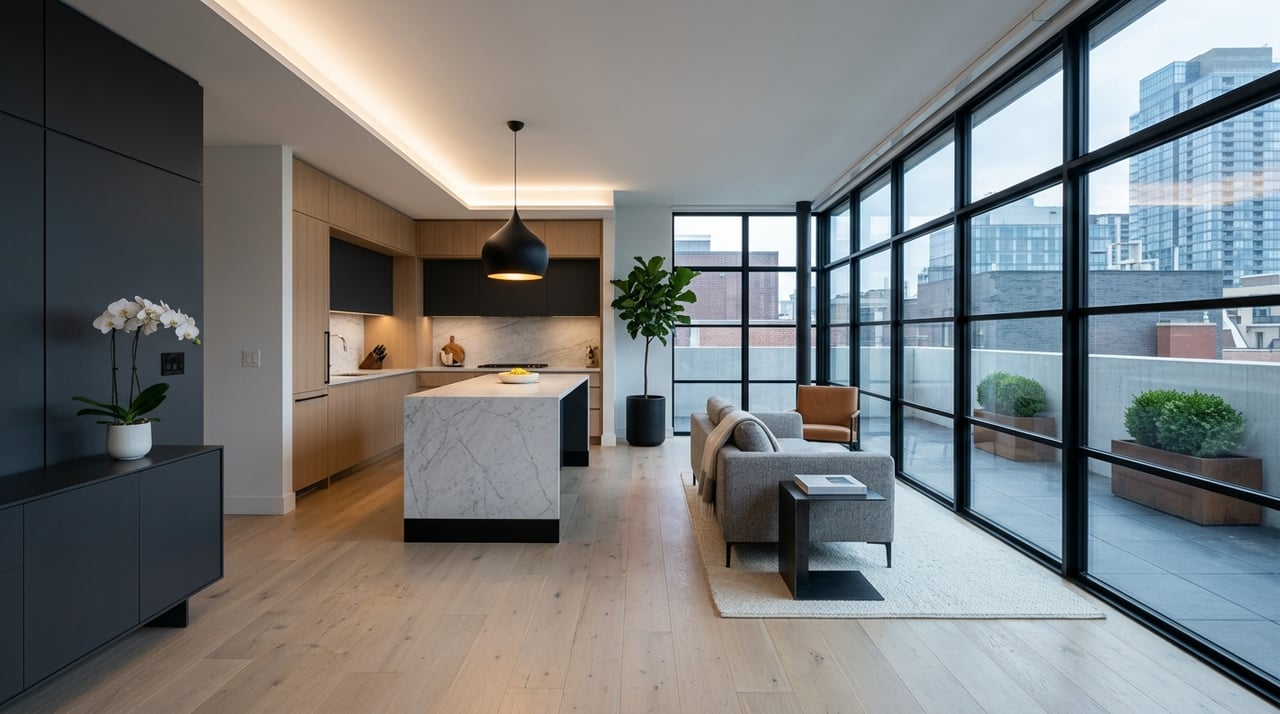
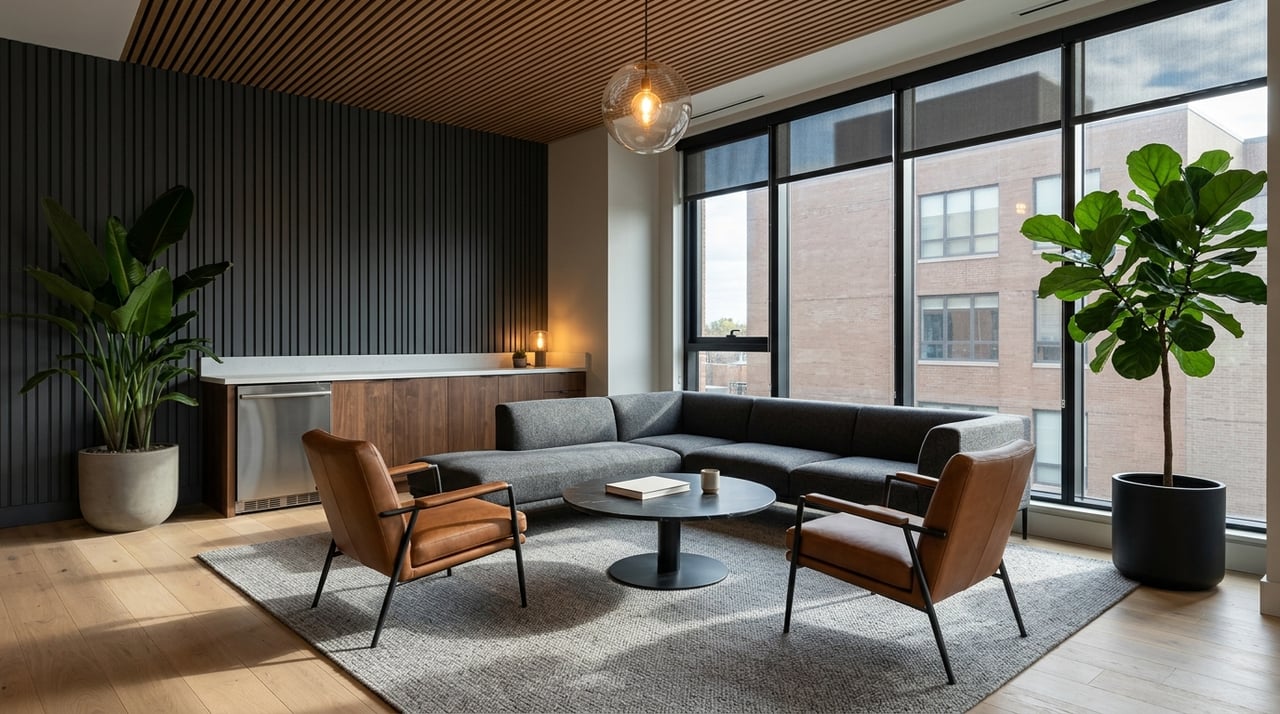
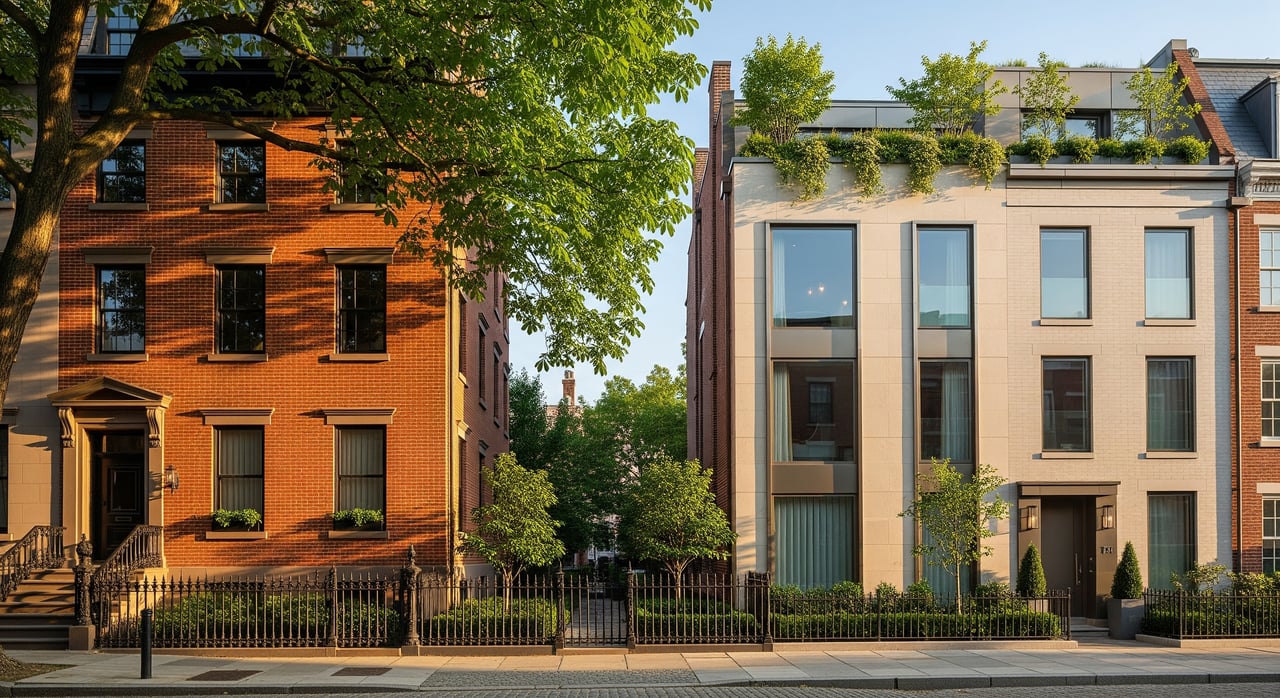
The neighborhood also is not limited to older single-family homes. Newer condominium-style options exist in the village core, including One West, which shows that buyers may find a mix of historic character and more contemporary formats.
What Buyers Often Notice
When buyers tour Chestnut Hill, a few themes tend to stand out:
- Walkable access to shops and restaurants
- Strong connection to parks and trails
- A wide mix of historic home styles
- Rail access to Center City
- A neighborhood feel that is distinct from denser parts of Philadelphia
That does not mean every block or property offers the same experience. It does mean Chestnut Hill gives you several ways to prioritize convenience, space, architecture, or outdoor access within one neighborhood.
Why Chestnut Hill Appeals to Buyers
At a high level, Chestnut Hill offers a lifestyle combination that is tough to duplicate. A preserved main street, substantial green space, and direct rail access all support the same day-to-day rhythm.
For some buyers, that means easier errands and a more walkable routine. For others, it means a calmer home base with quick access to trails, culture, and Center City.
If you are trying to balance urban convenience with a more leafy, village-scale setting, Chestnut Hill is worth a serious look. It is one of those neighborhoods where the setting, amenities, and housing stock all reinforce the same overall appeal.
If you want help exploring Chestnut Hill homes or comparing this neighborhood with other Philadelphia options, Connor Gorman can help you narrow your search and move with confidence.
FAQs
What is the overall feel of Chestnut Hill in Philadelphia?
- Chestnut Hill is widely described as a village-like Northwest Philadelphia neighborhood with a leafy setting, a historic identity, and a walkable main street centered on Germantown Avenue.
What shops and businesses are in Chestnut Hill?
- Germantown Avenue is home to more than 200 independent businesses, and neighborhood guides often highlight boutiques, galleries, cafes, restaurants, Bredenbeck’s Bakery & Ice Cream Parlor, Hideaway Music, Villavillekula, Gravers Lane Gallery, the Market at the Fareway, and the year-round farmers market.
What parks and outdoor spaces are near Chestnut Hill?
- Chestnut Hill offers access to Pastorius Park, the Cresheim Trail, Wissahickon Valley Park, and larger green destinations like Morris Arboretum & Gardens, with multiple neighborhood green spaces within walking distance.
How do you get from Chestnut Hill to Center City Philadelphia?
- SEPTA says Chestnut Hill is about 25 minutes from Center City and is served by both the Chestnut Hill East and Chestnut Hill West Regional Rail lines, which both terminate in the neighborhood.
What types of homes are in Chestnut Hill?
- The neighborhood includes a broad mix of housing, including rowhouses, semi-detached homes, detached houses, stone Victorian homes, historic quadruple houses, and some newer condominium-style options in the village core.