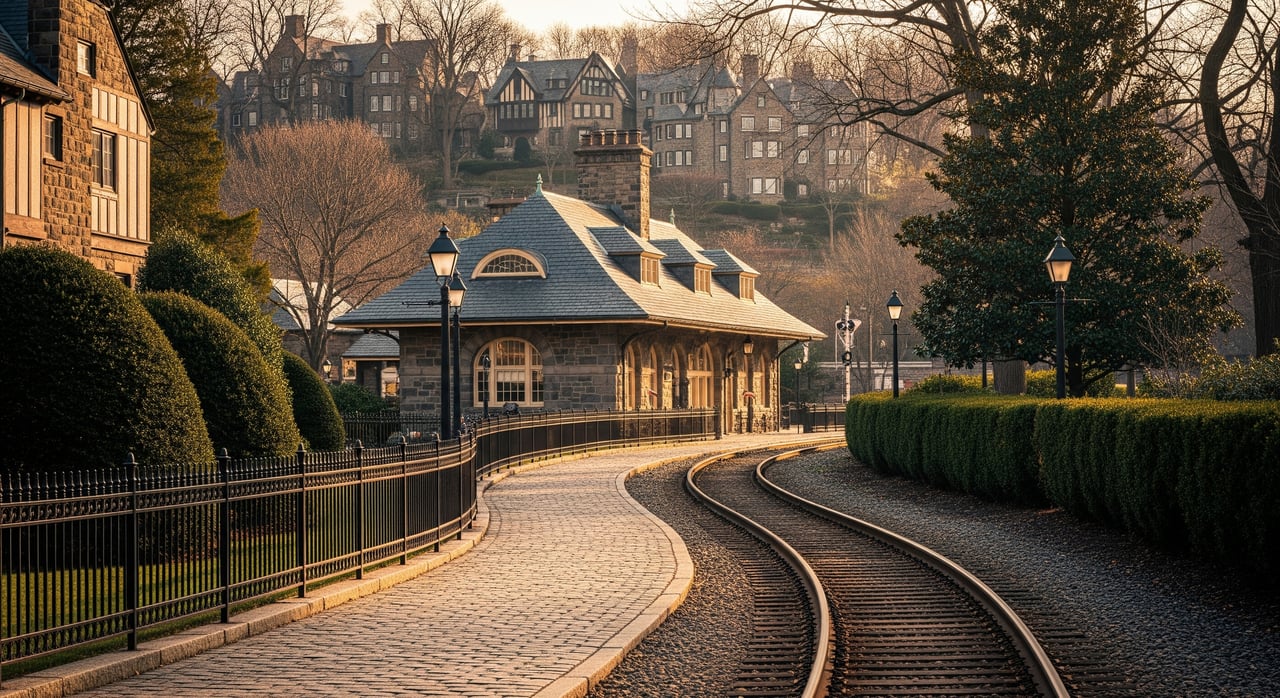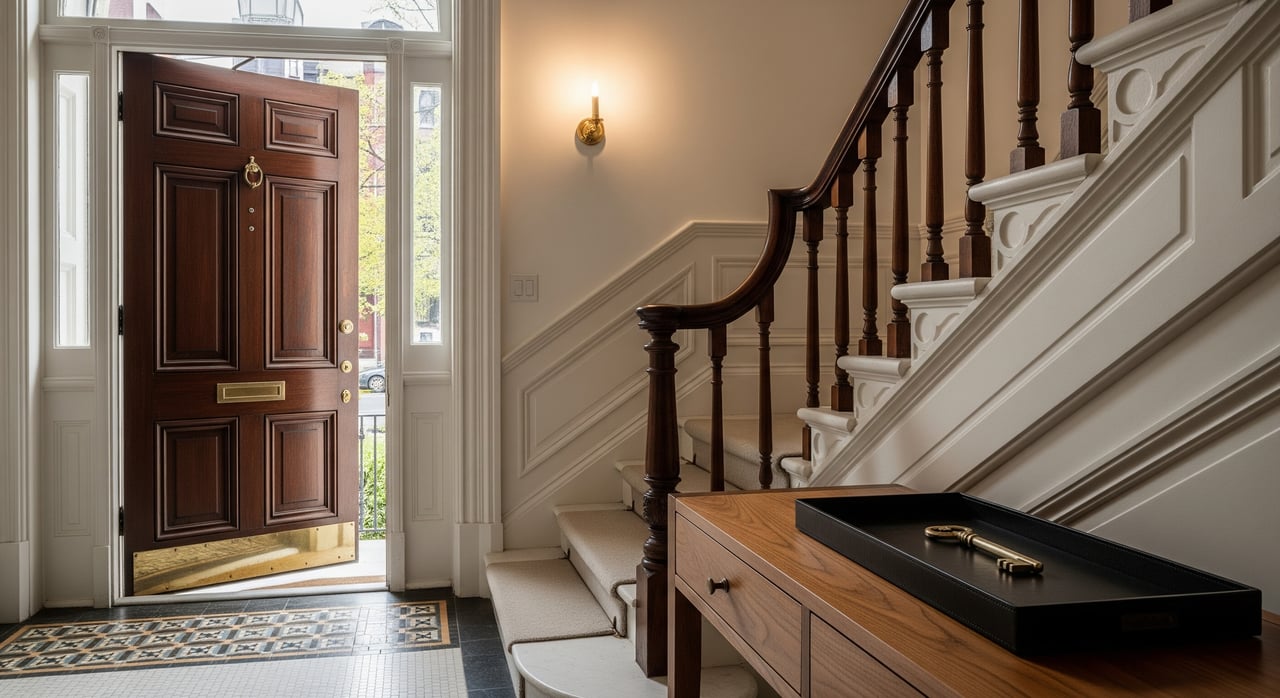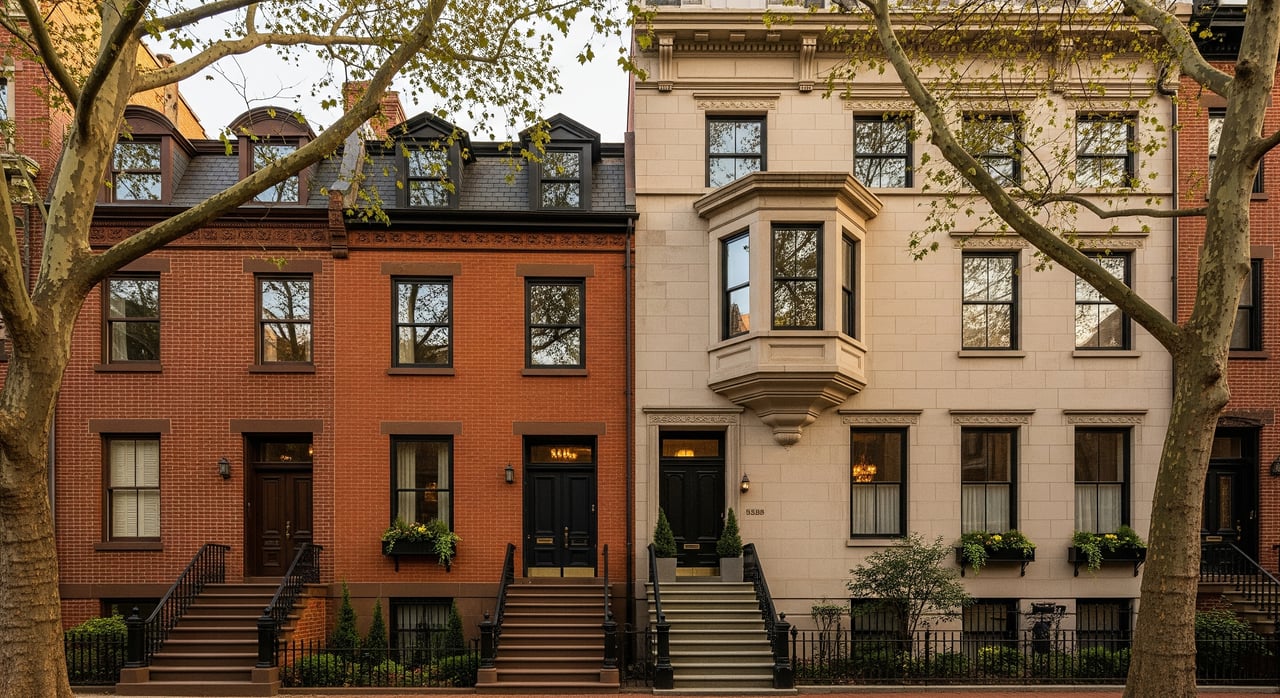
Germantown Avenue closes to traffic on September 27 for the 42nd running of Fall for the Arts, and if you've lived in Chestnut Hill for any stretch of years, you already know the shape of the day: a stretch of the Avenue given over to painters and potters, a stage or two of live music, kids underfoot, dogs on leashes weaving between booths. What's changed isn't the festival's format. It's what the festival now sits next to.
Woodmere Art Museum, the anchor institution that has quietly shaped this neighborhood's identity as an arts destination for over a century, added an entire new wing in 2025. Fourteen galleries. A children's art and education studio. New public space. That expansion didn't happen because of the festival, and it doesn't disappear when the festival ends on Sunday evening. It's the more permanent story, and it's the one most residents haven't fully clocked yet.
What's actually new this year
Festival organizers have never treated Fall for the Arts as a fixed format, and the vendor count tells that story on its own. Back in 2024, for the fortieth year, organizers expected the event to draw more than 200 vendors from across the Mid-Atlantic. In 2025, for the forty-first year, organizers called it their biggest festival yet. This year, for the forty-second year, organizers are reporting more than 300 artists and vendors, the largest turnout the event has posted in recent memory.
There's also a scheduling detail unique to this neighborhood: the festival's date is set every year around the Philadelphia Eagles schedule, so fans don't have to choose between a Sunday on Germantown Avenue and a game the next day. This year that lands Fall for the Arts on Sunday, September 27, the day before the Eagles play a Monday night game on September 28.
Here's how the growth has tracked year over year:
- 2024 (40th year): Organizers expected more than 200 vendors from across the Mid-Atlantic region.
- 2025 (41st year): Organizers called it their biggest festival yet, the same year Woodmere completed the Frances M. Maguire Hall for Art & Education, its largest expansion in recent memory, adding 14 galleries and a children's art studio.
- 2026 (42nd year): Organizers are reporting more than 300 artists and vendors, with the date landing the day before the Eagles' Monday night game.
The event itself runs September 27 from 11 a.m. to 5 p.m., free to attend, with a rain date of October 11 if the weather doesn't cooperate. That's the official word from the Chestnut Hill Business District, which produces the festival every year along the same stretch of Germantown Avenue between Willow Grove and Rex Avenues.
The museum that didn't need the festival to grow
Here's the part that's easy to miss if you only think about Chestnut Hill's arts scene one Sunday a year. Woodmere traces back to 1910, when collector and civic leader Charles Knox Smith began opening his private collection to visitors. It now occupies two 19th-century stone mansions on ten acres and holds more than 11,000 works, most of them tied to Philadelphia's own artists and artistic history. That's not a boutique house museum. That's a serious regional collection that happens to sit a few blocks from where the festival tents go up every fall.
The 2025 expansion is what makes this worth writing about now. Fourteen new galleries and a children's education studio don't get built for a one-day event. They get built because an institution decided its audience needed more room, more often, than a single festival Sunday could hold. If you've been treating Fall for the Arts as the neighborhood's annual arts moment, the more accurate read is that the festival is the visible tip of something that now runs fifty-two weeks a year.
That expansion also isn't happening in isolation. Woodmere's footprint connects to a working gallery row that already exists on the Avenue, independent of the festival calendar: NoName Gallery, Gallery on the Avenue, The Little Gallery, and Borrelli's Chestnut Hill Gallery all keep their doors open on ordinary Tuesdays, not just festival weekends. Here's how the two halves of that story compare side by side.
| Fall for the Arts Festival | Woodmere Art Museum | |
|---|---|---|
| Schedule | One Sunday, September 27, 11 a.m. to 5 p.m. | Open year-round |
| Scale | 300+ vendors and artists this year | 11,000+ works in the permanent collection |
| Recent growth | Vendor count grew from 200+ in 2024 to 300+ in 2026 | 14 new galleries added via Maguire Hall in 2025 |
| Footprint | Willow Grove to Rex Avenue, Germantown Ave | Two 19th-century stone mansions on 10 acres |
Why this matters if you already live here
For most people who've settled in Chestnut Hill, Fall for the Arts is a known quantity. You plan around the street closure, you walk down with a coffee, you run into three neighbors before you hit the Makers Village demonstrations. That rhythm isn't going anywhere. What's worth updating is the assumption that the festival is the ceiling of the neighborhood's arts identity rather than the floor.
A museum that just added fourteen galleries is going to be part of the conversation about this neighborhood for years, not for one weekend. That has practical texture even if you have no plans to buy or sell anything. It means more programming days at Woodmere throughout the year, more reason for the gallery cluster along the Avenue to stay active between festivals, and a stronger case for Chestnut Hill's identity as an arts neighborhood that doesn't need a single September Sunday to prove it.
If you're heading down on the 27th
The Avenue closes to vehicle traffic for the day, the same stretch that closes every fall, so plan errands and dog walks with that in mind. Admission is free. Live music typically runs at more than one stage along the corridor, and the Makers Village section has historically been where you can watch glassblowers, weavers, and potters work in real time rather than just browse finished pieces. If the weather turns, the rain date is October 11.
This is a neighborhood that has run this exact festival for 42 years and keeps drawing bigger crowds to it, from just over 200 vendors two years ago to more than 300 this year. Pair that growth with a museum quietly doubling its gallery space next door, and you get a more accurate picture of where Chestnut Hill's arts scene actually stands than any single Sunday can tell you on its own.
If you're weighing a move to a neighborhood where the culture doesn't take a year off, our Chestnut Hill neighborhood page has current listings and market context, and our recent look at what's reshaping the Avenue's dining scene pairs well with this one. When you're ready to talk specifics, Connor Gorman Real Estate is glad to help. Start your home search or get a free home valuation whenever you're ready.