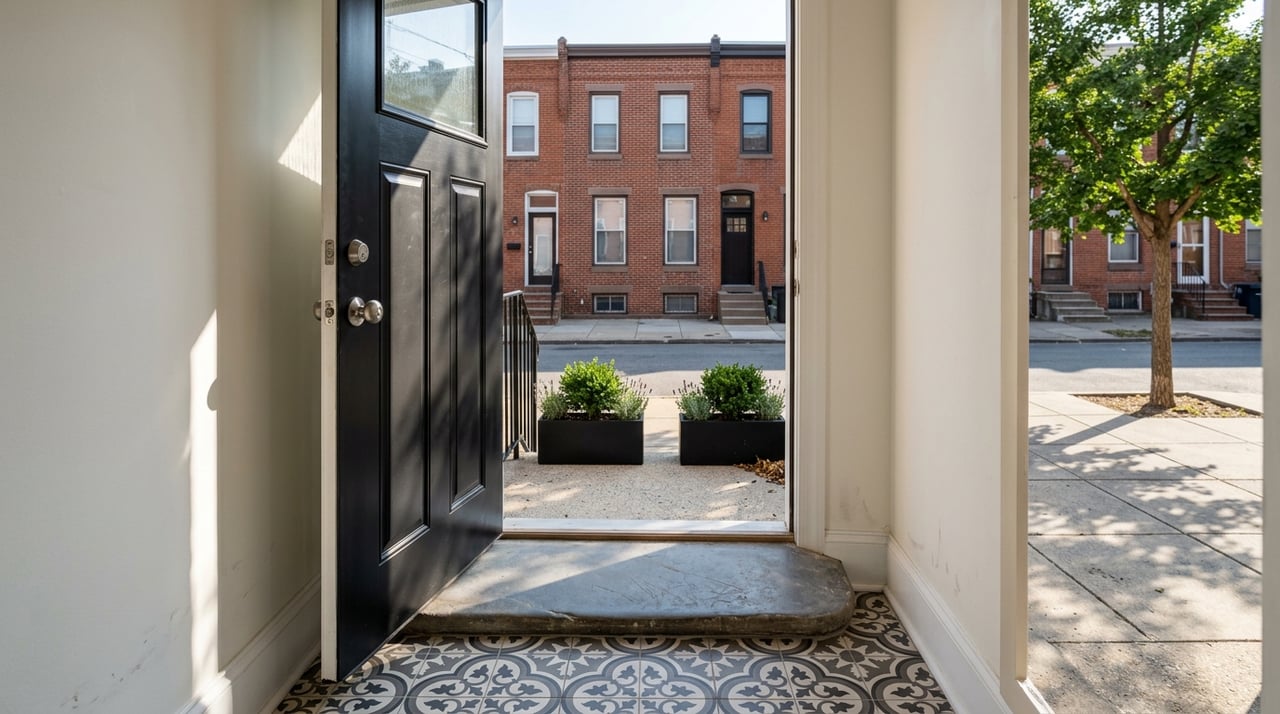
If you want a Philadelphia neighborhood where daily life can happen on foot, Graduate Hospital deserves a close look. For many buyers, the big question is not whether you can live without a car here, but whether the tradeoff on parking feels worth the convenience. This guide breaks down what car-free living in Graduate Hospital really looks like, from transit and bike access to groceries, parks, and everyday errands. Let’s dive in.
Why Graduate Hospital Works Without a Car
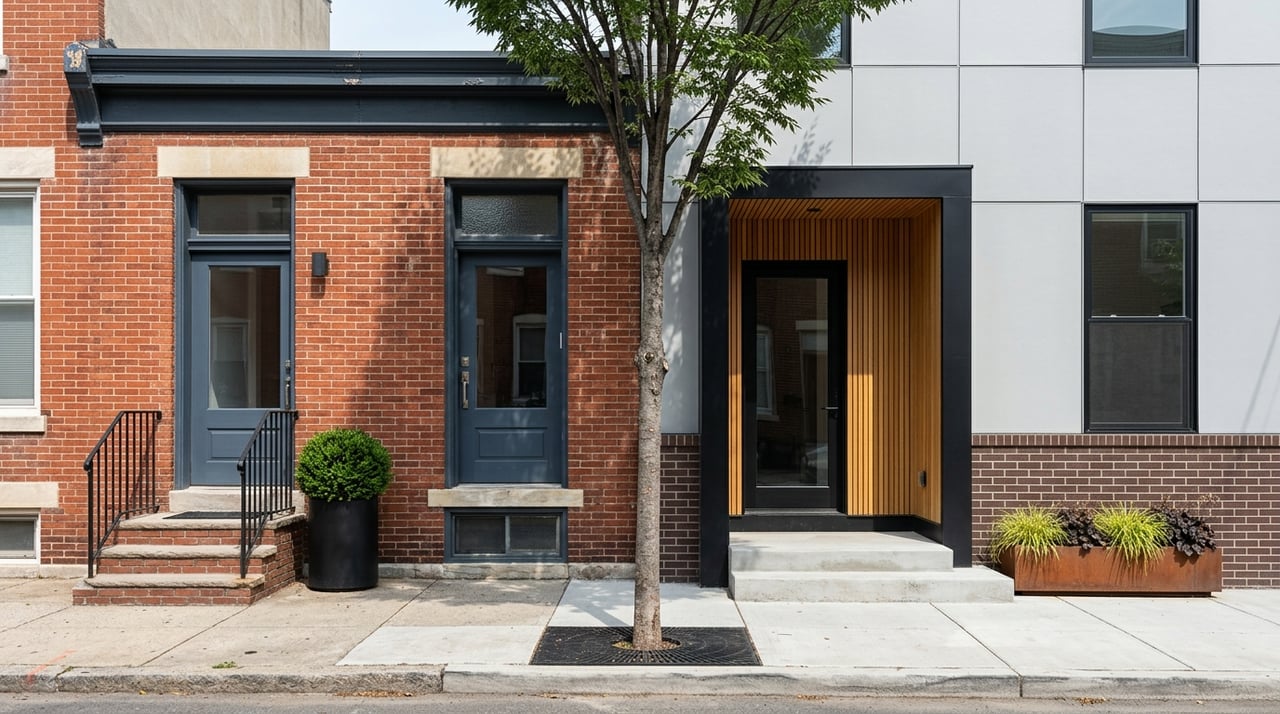
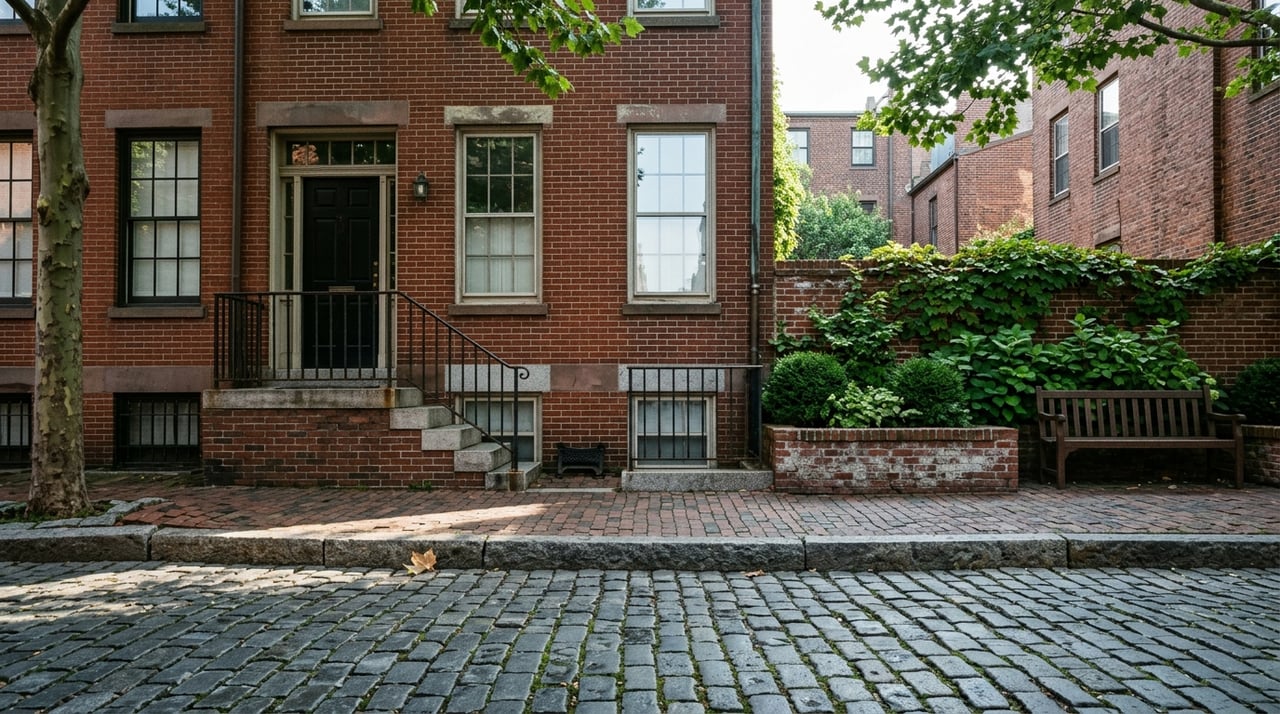
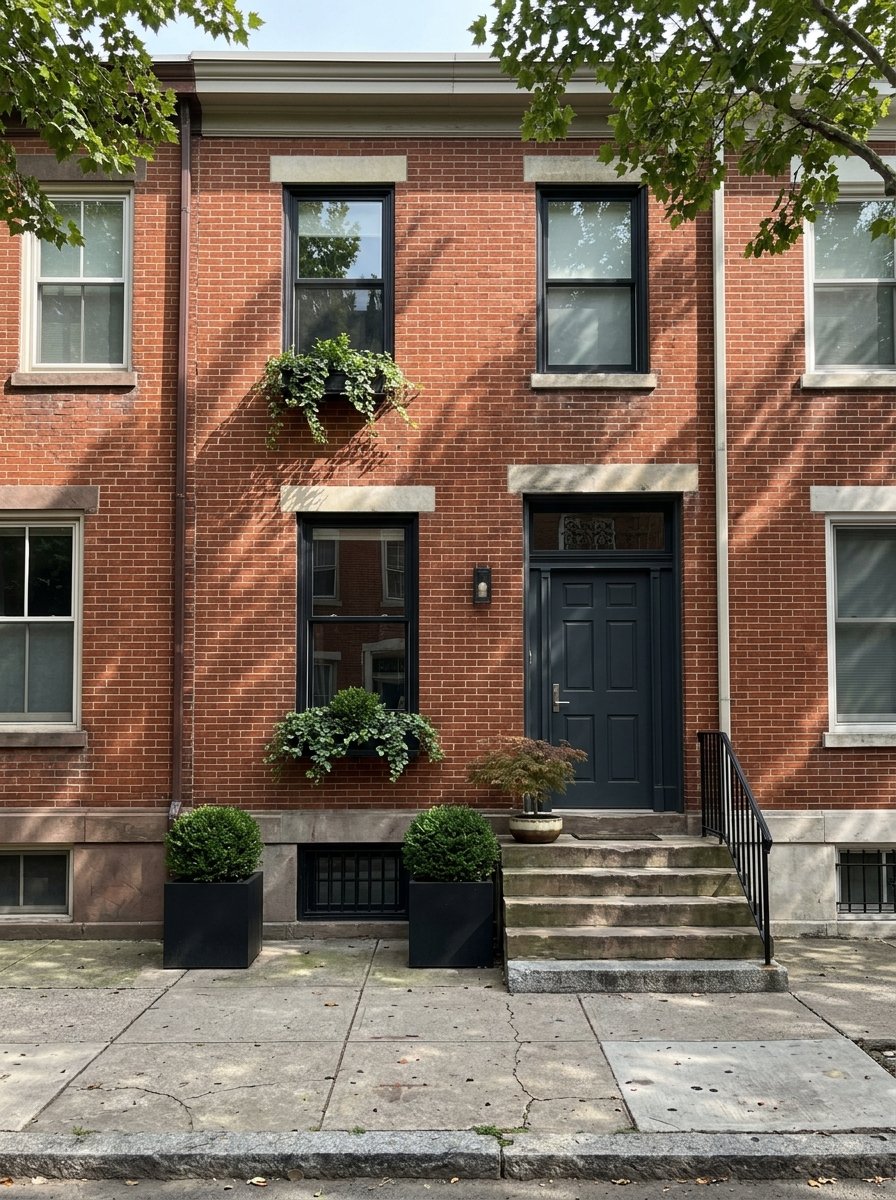
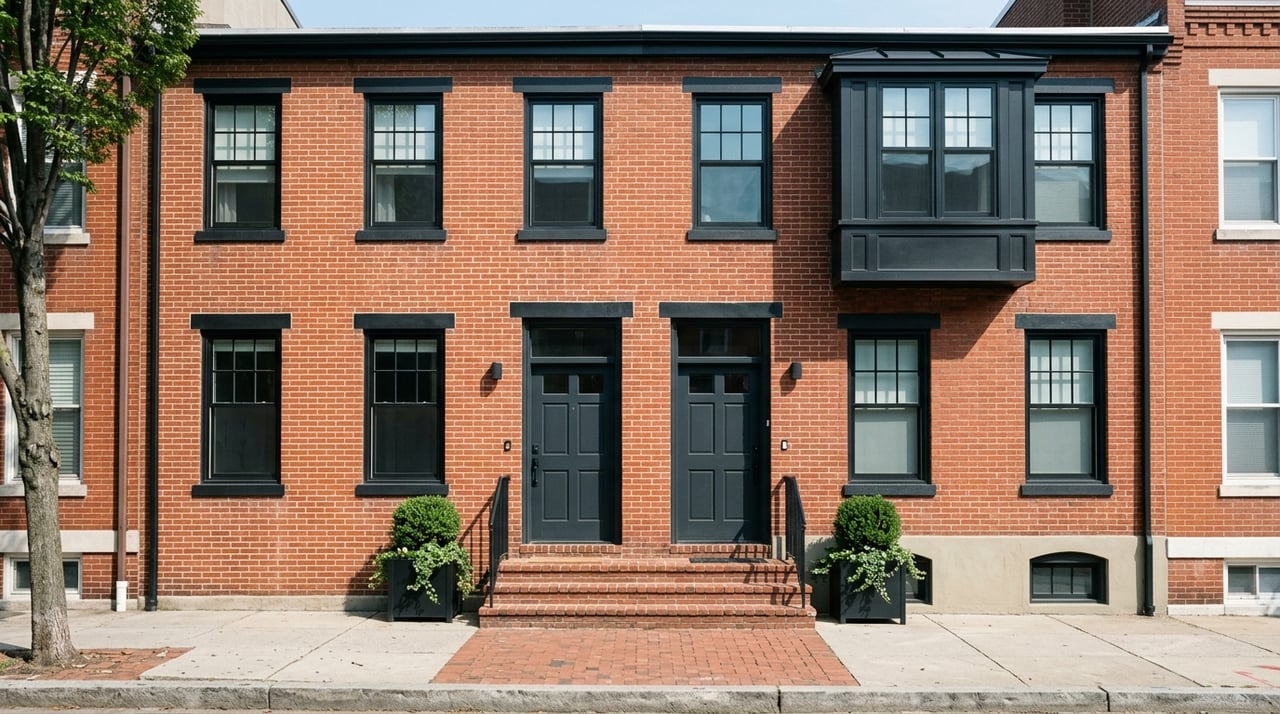
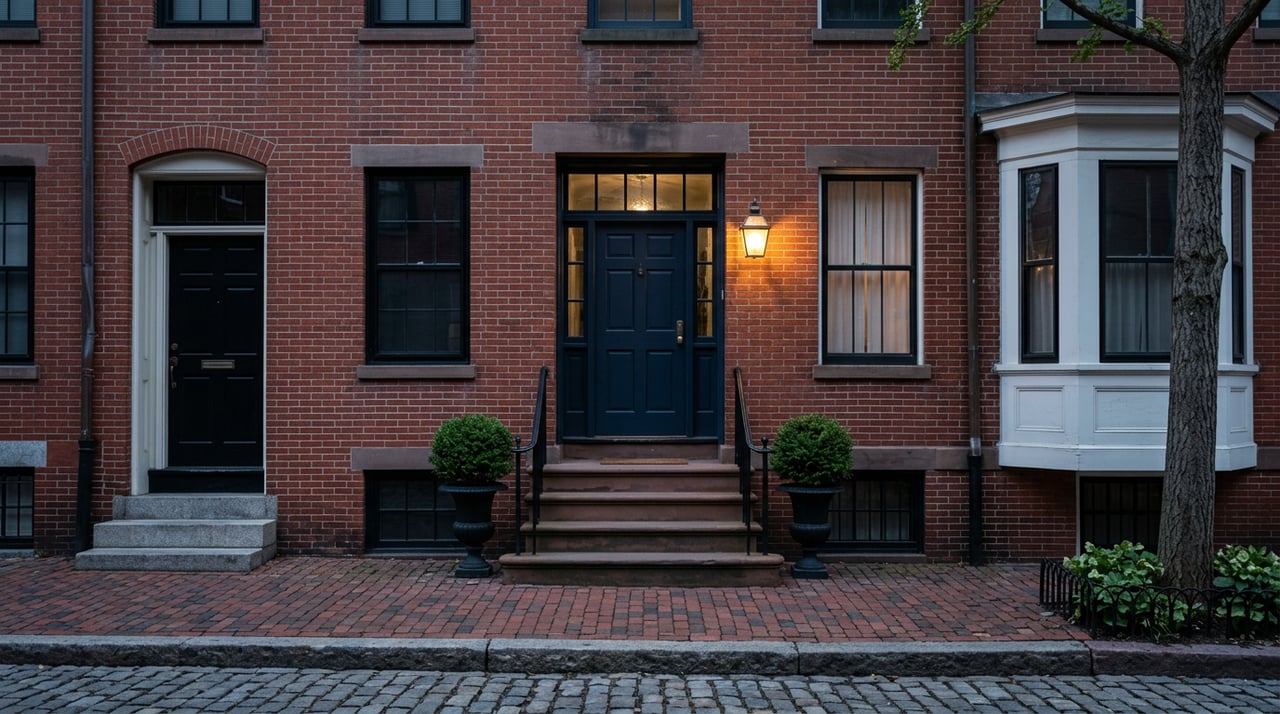
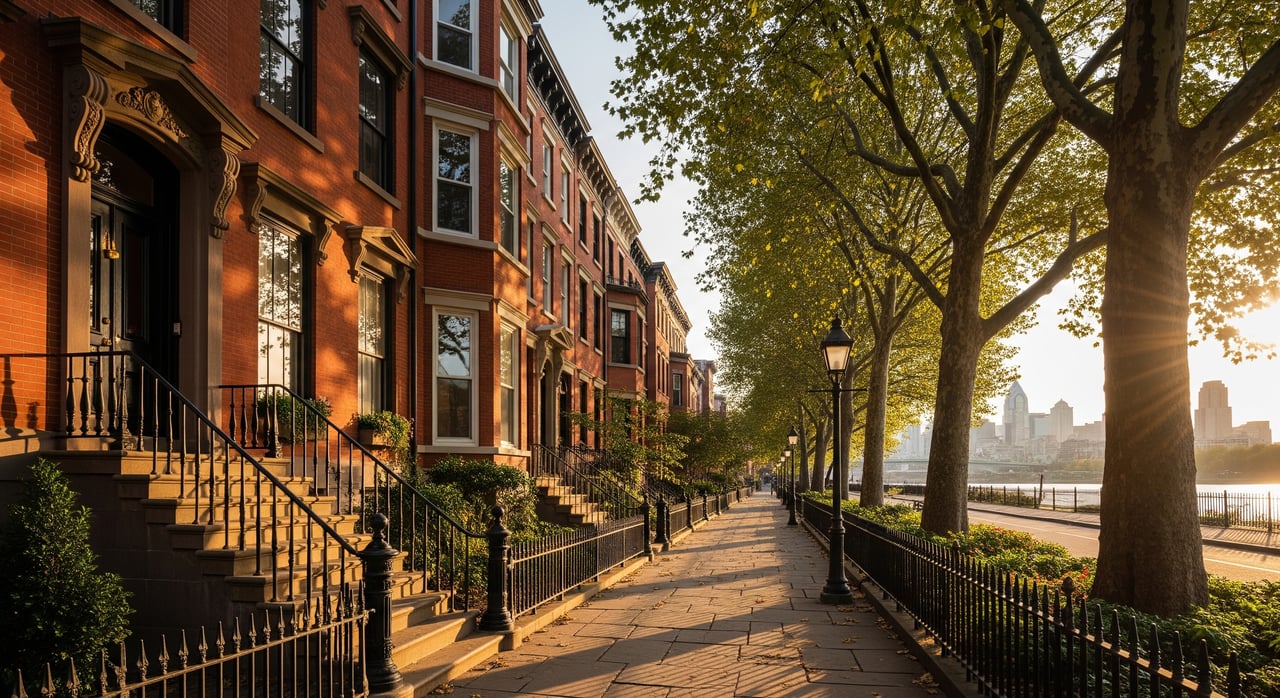
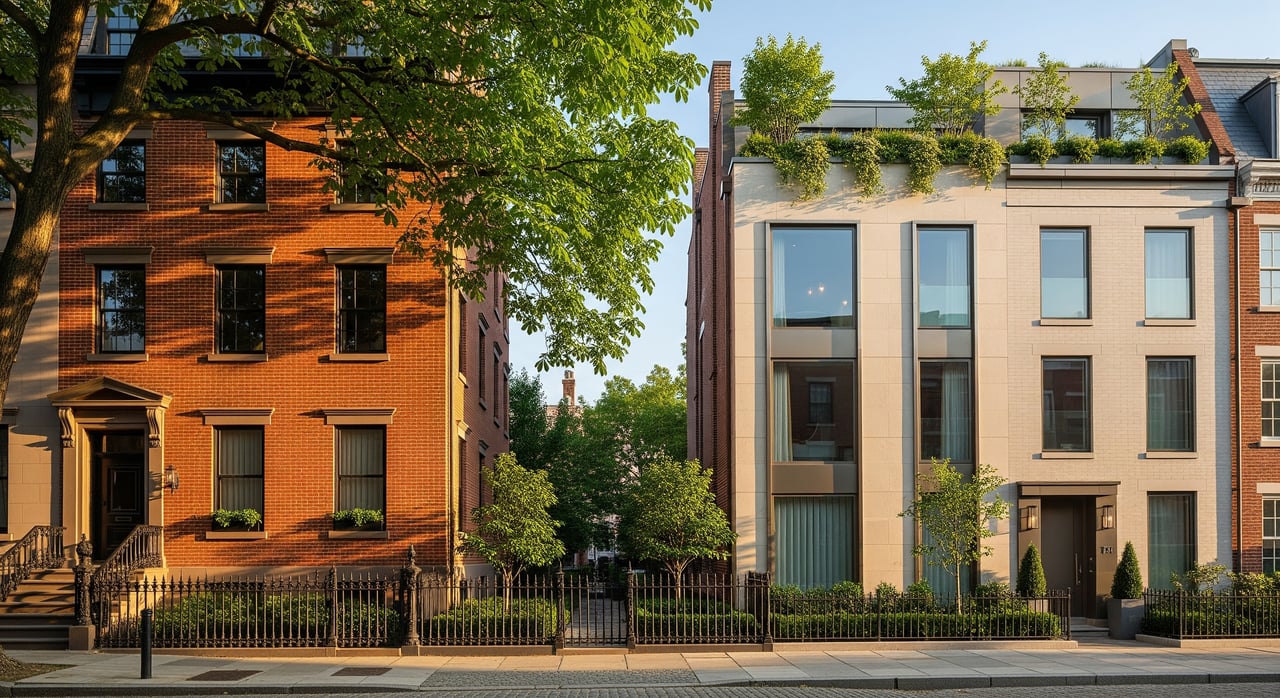
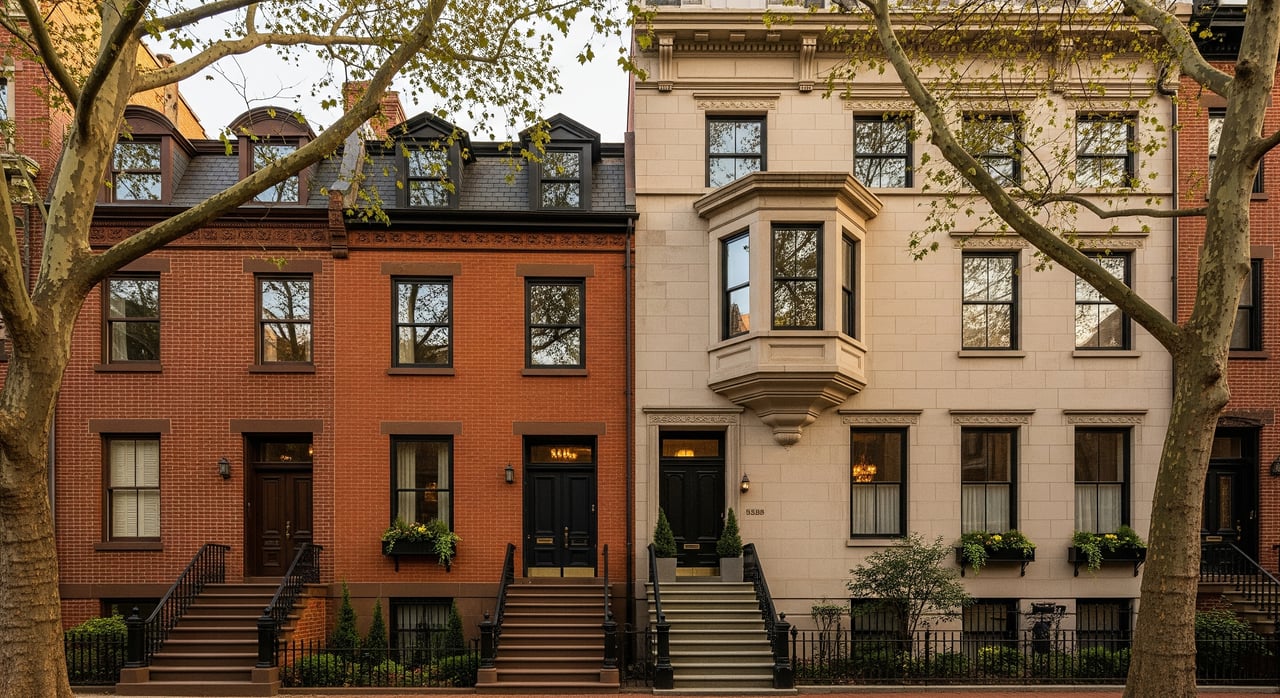
Graduate Hospital stands out because so many daily needs are close together. Current neighborhood guides describe it as a tree-lined area with restaurants, bars, cafes, boutiques, historic rowhomes, and newer retail and commercial development, all of which support a more walkable routine.
The numbers back that up. According to Walk Score data cited by Visit Philly, Graduate Hospital has a 95 Walk Score, 85 Transit Score, and 94 Bike Score. That puts it among Philadelphia’s most walkable neighborhoods.
There is one practical catch to know up front. Visit Philly’s Graduate Hospital guide notes that parking can be limited, so if you are thinking about owning a car anyway, that tradeoff should be part of your home search.
Transit Access in Graduate Hospital
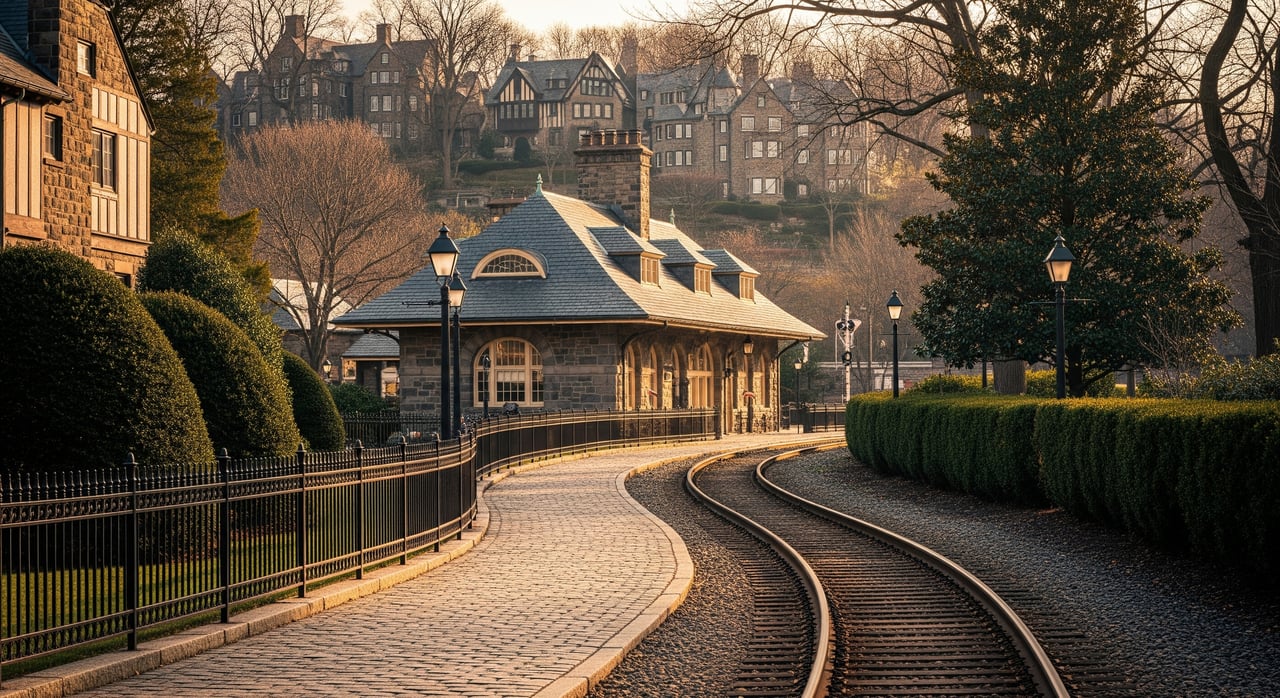
If you rely on public transportation, Graduate Hospital gives you multiple ways to move through the city. SEPTA’s current destination page says the neighborhood is served by the B to Lombard-South, along with bus routes 7, 12, and 40.
That corridor is even more connected when you zoom out to South Street. SEPTA’s South Street page lists routes 2, 4, 7, 12, 17, 27, 32, 40, 45, 47, and 57, with the B stopping at Lombard-South, which gives you a wider network for commuting, appointments, and social plans across Philadelphia.
If the line name looks unfamiliar, SEPTA’s Metro page now labels the former Broad Street Line as the B, which helps explain the current system riders will see. You can explore current neighborhood transit details on SEPTA’s Graduate Hospital destination page.
Best Areas for Transit Convenience
For many buyers, the most practical blocks for car-free living are the ones closest to the neighborhood’s transit and retail spine. Based on the transit, grocery, and park patterns in the available research, that often means looking near South Street West, Lombard-South station, and the 22nd- to 23rd-street blocks with easier access to shopping and the riverfront.
That does not mean other parts of Graduate Hospital are off the table. It just means your day-to-day routine may feel easier when your home sits closer to the places you use most often.
Bike Access and Everyday Mobility
Bike access is another reason Graduate Hospital works well for people who do not want to drive every day. With a 94 Bike Score reported by Visit Philly, the neighborhood supports quick local trips and longer rides into nearby parts of the city.
Philadelphia’s bike-share system makes that even easier. Indego offers 30-minute, 24-hour, 30-day, and yearly passes, with more than 250 stations citywide and service available 24/7, 365 days a year.
For residents in this part of South Philadelphia, nearby access points and routes include 18th & Washington, 21st & Catharine, 22nd & Federal, and Point Breeze & Tasker, along with connections toward Schuylkill River Park and the trail system. In real life, that means you can often handle errands, meet friends, or get in a workout without planning around a car.
Groceries and Errands on Foot
A neighborhood feels truly car-free when basic errands are simple. Graduate Hospital has useful grocery anchors nearby, including GIANT Heirloom Market at 2303 Bainbridge St and Whole Foods South Street at 929 South St.
The presence of stores like these matters because it turns grocery runs into part of your normal routine instead of a separate car trip. The area also includes smaller quick-stop options, such as Breezy’s Deli and Market, which Visit Philly highlights as part of the neighborhood mix.
When you are touring homes, this is worth thinking about in a practical way. A house that is just a few blocks closer to groceries, transit, or your favorite coffee spot can change how often you choose to walk instead of drive.
Dining and Nightlife Nearby
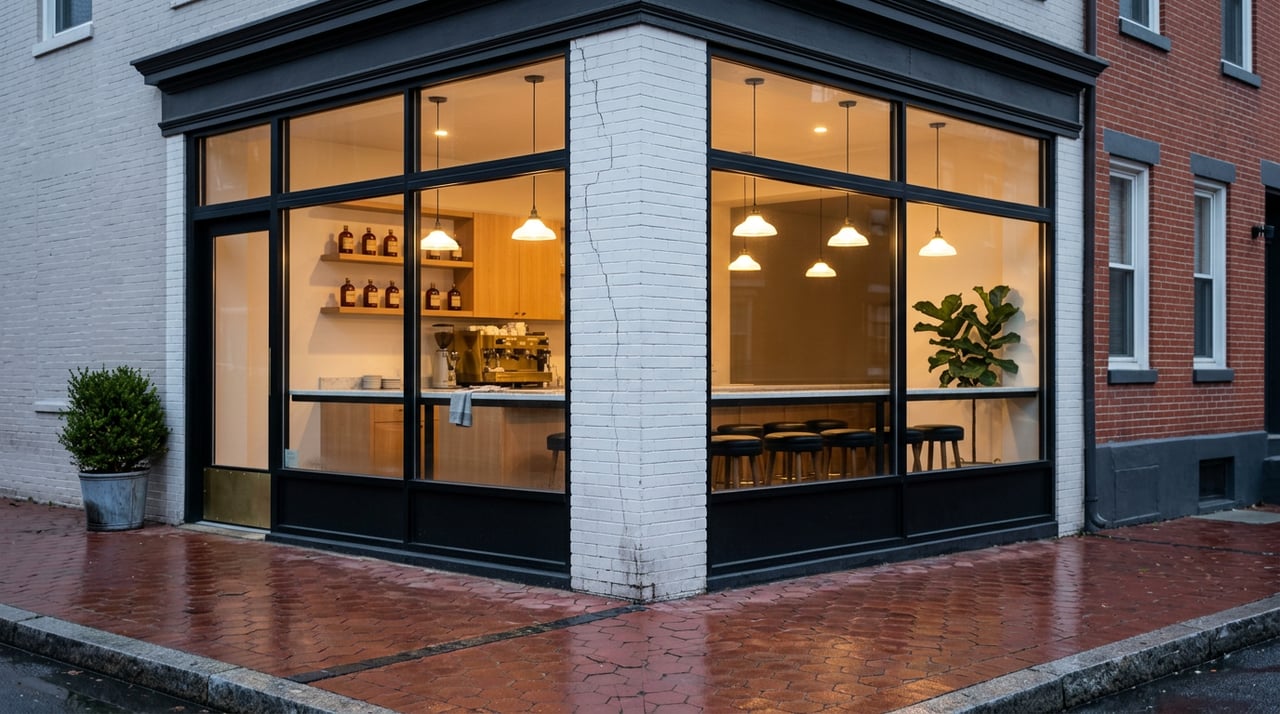
One of the biggest lifestyle perks of Graduate Hospital is how easily you can reach dining and nightlife on foot. The neighborhood connects naturally to South Street West, which acts as a major commercial and social corridor for nearby residents.
Visit Philly’s neighborhood guide lists a wide mix of local options. Breakfast and brunch spots include Ants Pants Cafe, Miles Table, Saigon Grace Cafe, The Breakfast Den, and Sabrina’s Café. Lunch and dinner options include Falafel Time, Thai Square Restaurant, The Sidecar Bar & Grille, Illata, L’Anima, Kei Sushi Restaurant, and Rex at the Royal.
For later in the day, the same guide points to places like Dock Street South, Jet Wine Bar, Los Camaradas, Loco Pez, and Sonny’s Cocktail Joint. SEPTA also describes the nearby South Street Headhouse District as a corridor with more than 400 unique businesses and over one million visitors each year, which helps explain why this area feels active and useful for people who prefer to get around on foot.
What That Means for Daily Life
In practical terms, walkable dining and retail can make your week feel easier. You can pick up coffee, meet friends for dinner, or run a quick errand without dealing with parking or planning a long trip.
That kind of convenience can be especially appealing if you are a first-time buyer choosing between city neighborhoods. It is not just about entertainment. It is about how smoothly your routine works once you move in.
Parks and Outdoor Routines
Car-free living works best when outdoor space is easy to reach. In Graduate Hospital, the strongest outdoor amenity is the Schuylkill riverfront.
The official Schuylkill Banks Boardwalk page says the boardwalk is 2,000 feet long and runs from Locust Street to the South Street Bridge, with a ramp connection at South Street Bridge. The broader Schuylkill Banks corridor now offers 4.5 trail miles and 29 acres of open space, giving you a practical place for walking, jogging, and biking.
Closer to home, Visit Philly also points to Grays Ferry Triangle and Julian Abele Park as nearby green spaces. Julian Abele Park is located at 22nd Street between Montrose and Carpenter Streets, which makes it an easy reference point when you are comparing different blocks in the neighborhood.
The Biggest Tradeoff: Parking
For many buyers, this is the real decision point. Graduate Hospital offers strong walkability, transit, bike access, and nearby retail, but parking can still be limited according to current neighborhood guides.
That does not automatically make the area a bad fit if you own a car. It just means you should be honest about your lifestyle. If you expect to drive every day, parking may feel like more of a burden. If you mostly walk, bike, or use SEPTA, the neighborhood’s convenience may easily outweigh that downside.
How to Evaluate Car-Free Living as a Buyer
If you are shopping for a home in Graduate Hospital, think beyond square footage and finishes. A beautiful home can feel less convenient if it adds extra distance to the places you use most often.
Here are a few smart questions to ask during your search:
- How far is the home from the B at Lombard-South or nearby bus routes?
- Can you comfortably walk to a grocery store?
- Are restaurants, cafes, and daily errands close enough that you would actually use them on foot?
- How easy is bike-share access from the property?
- If you keep a car, are you comfortable with the neighborhood’s parking tradeoffs?
Those questions can help you choose a block that matches the way you really want to live, not just the way a listing looks online.
If you are exploring Graduate Hospital and want help narrowing down the best fit for your routine, Connor Gorman can help you compare blocks, weigh parking tradeoffs, and find a home that supports the lifestyle you want.
FAQs
Is Graduate Hospital in Philadelphia good for car-free living?
- Yes. Graduate Hospital has a 95 Walk Score, 85 Transit Score, and 94 Bike Score, which makes it one of Philadelphia’s strongest neighborhoods for living with little or no car use.
What transit serves Graduate Hospital in Philadelphia?
- SEPTA says Graduate Hospital is served by the B to Lombard-South and bus routes 7, 12, and 40, with additional South Street corridor routes nearby.
Where can you buy groceries near Graduate Hospital without a car?
- Nearby full-service grocery options include GIANT Heirloom Market at 2303 Bainbridge St and Whole Foods South Street at 929 South St, along with smaller market options in the area.
Is biking practical in Graduate Hospital Philadelphia?
- Yes. The neighborhood has a 94 Bike Score, nearby Indego stations, and access toward Schuylkill River Park and the Schuylkill Banks trail system.
What is the main downside of car-free living in Graduate Hospital?
- The biggest tradeoff is that parking can be limited, so buyers who plan to keep a car should weigh that against the neighborhood’s strong walkability and transit access.