If you love the idea of staying in Philadelphia but want less house to manage, Society Hill will likely land on your shortlist fast. It offers historic charm, walkable streets, and a mix of rowhomes and condo buildings, but downsizing here is not as simple as picking the smallest home. The real decision is about how you want to live day to day, what costs you want to carry, and which tradeoffs feel worth it. Let’s dive in.
Why Society Hill Works for Downsizers
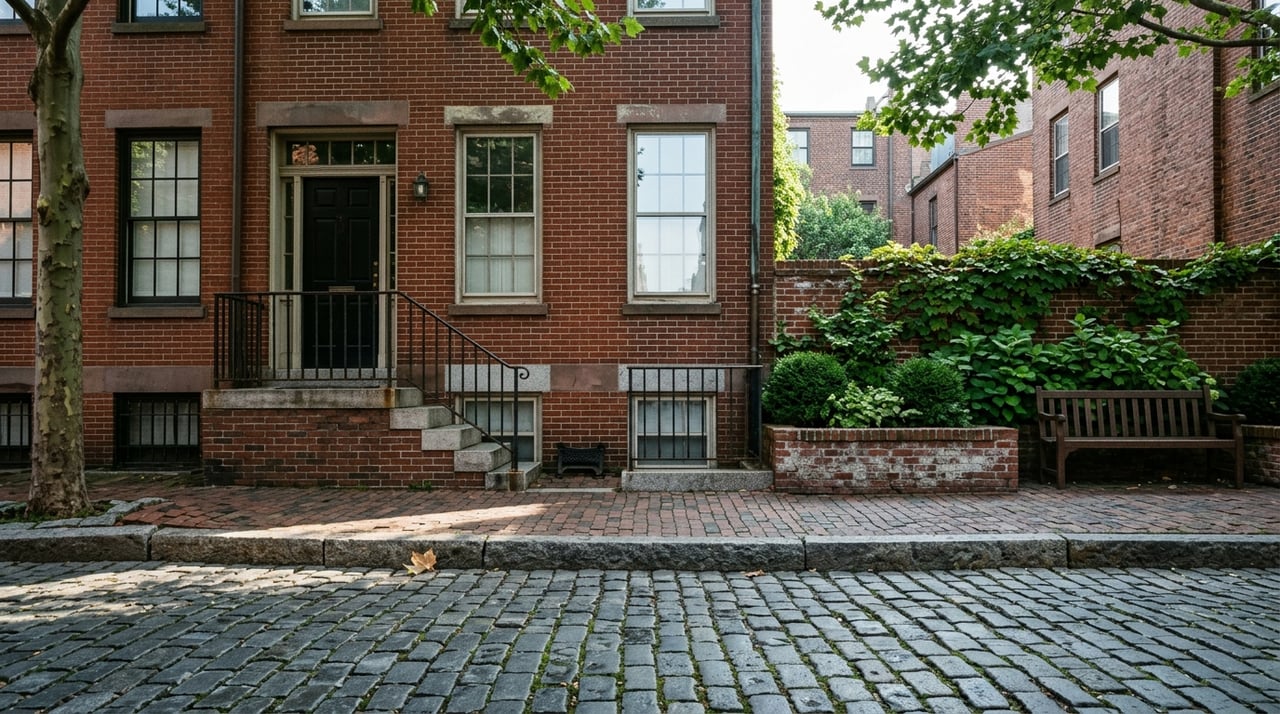
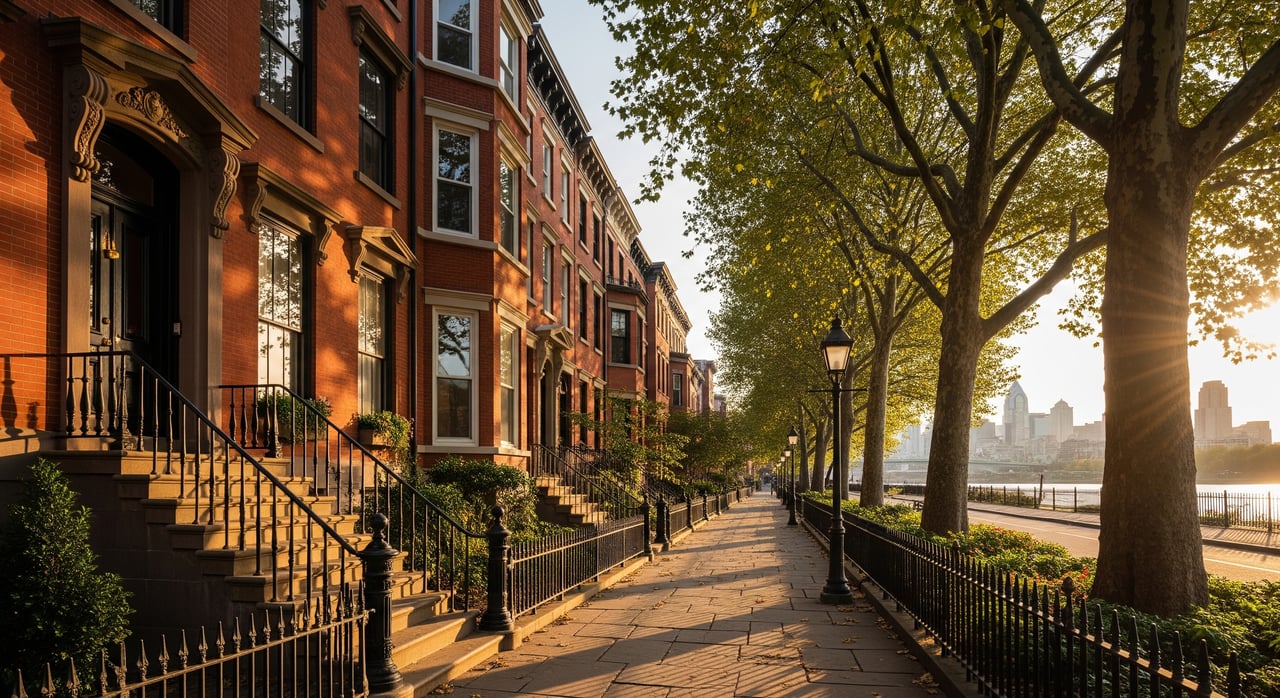
Society Hill sits in Center City between Walnut and Lombard Streets and the Delaware River, with easy access to Washington Square, South Street, and some of Philadelphia’s best-known historic destinations. The neighborhood is known for its dense, walkable layout, mature trees, brick sidewalks, and pocket parks. For many downsizers, that means you can trade yard work and long drives for a more streamlined city lifestyle.
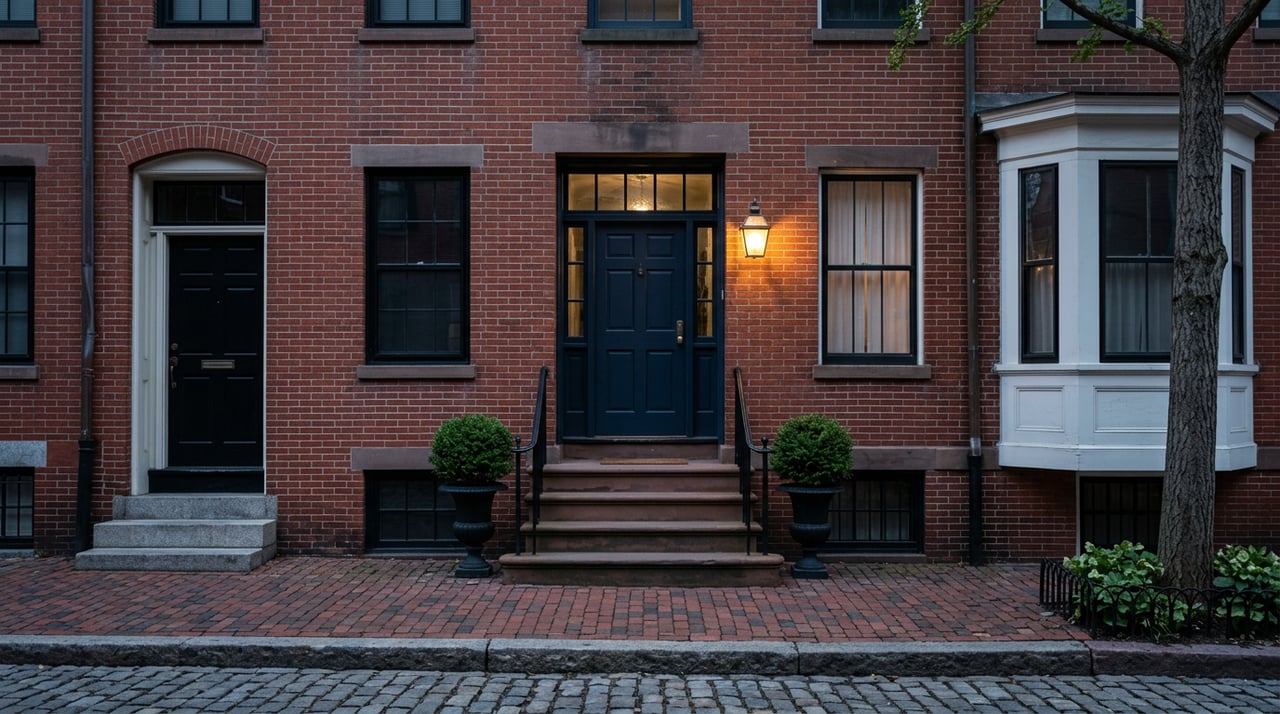
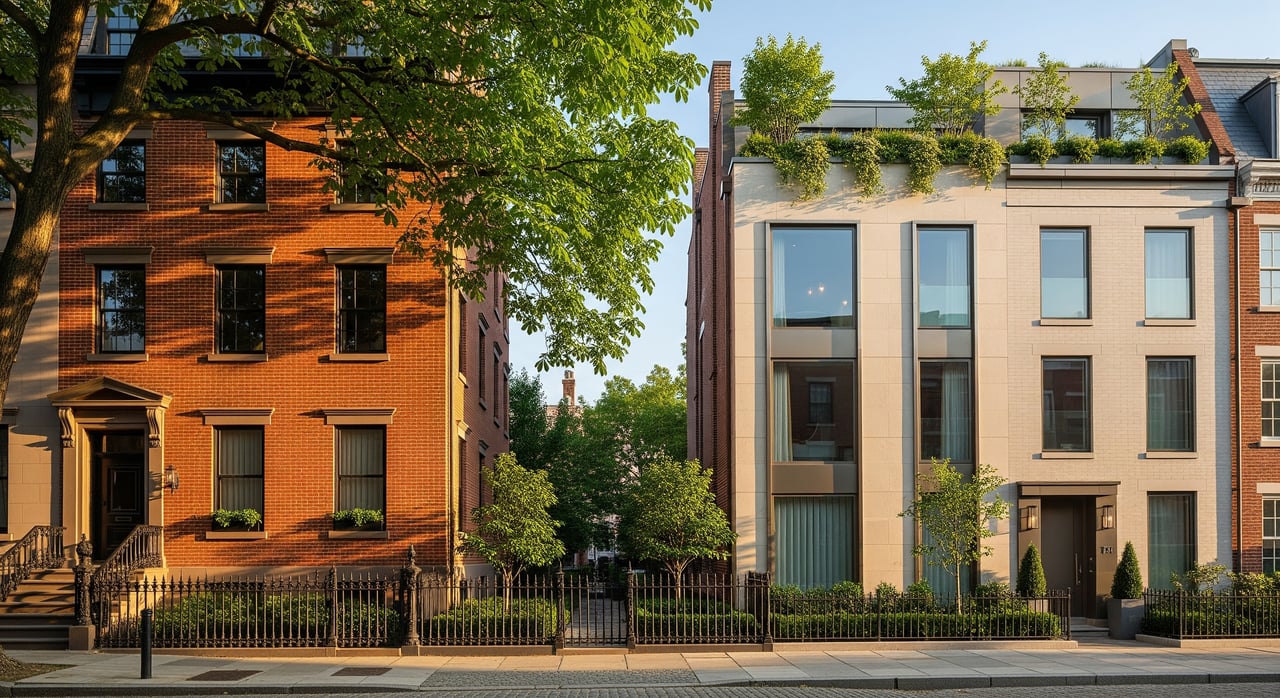
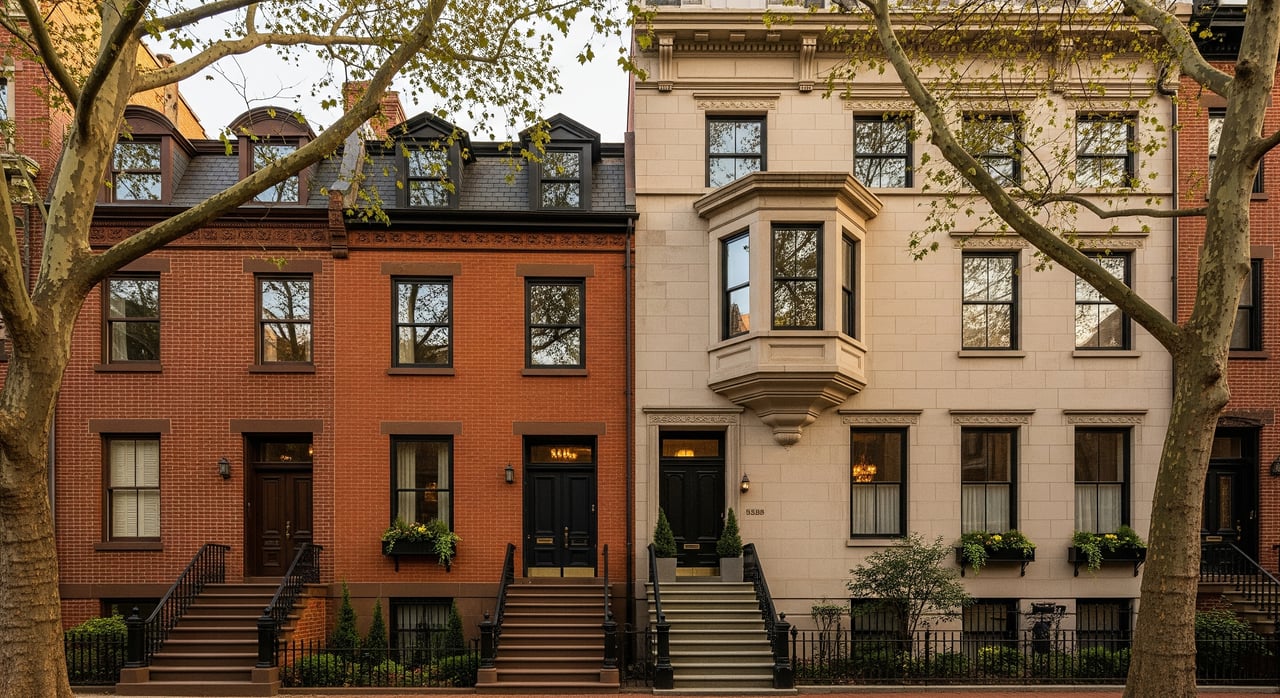
The housing stock also gives you real options. Society Hill includes 18th-century rowhouses, smaller townhomes, and 20th-century apartment towers. That mix matters because your best fit may depend less on square footage and more on whether you want stairs, elevator access, or shared maintenance.
Pricing is also part of the picture. Recent market snapshots place Society Hill around an $800,000 median sale price and roughly a $900,000 median listing price. That means even a smaller home here can still come with a premium price tag, so choosing the right housing type matters.
Start With the Three Biggest Questions
When you downsize in Society Hill, three questions can simplify the search:
- Do you want stairs or elevator access?
- Do you want to own and manage the building yourself or share maintenance through an association?
- Do you prefer a historic rowhouse or a condo with shared systems and monthly dues?
Those questions fit Society Hill especially well because the neighborhood has such a clear split between traditional houses and larger multi-unit buildings. Once you answer them honestly, your options usually narrow in a helpful way.
Townhomes and Rowhouses in Society Hill
Why buyers choose them
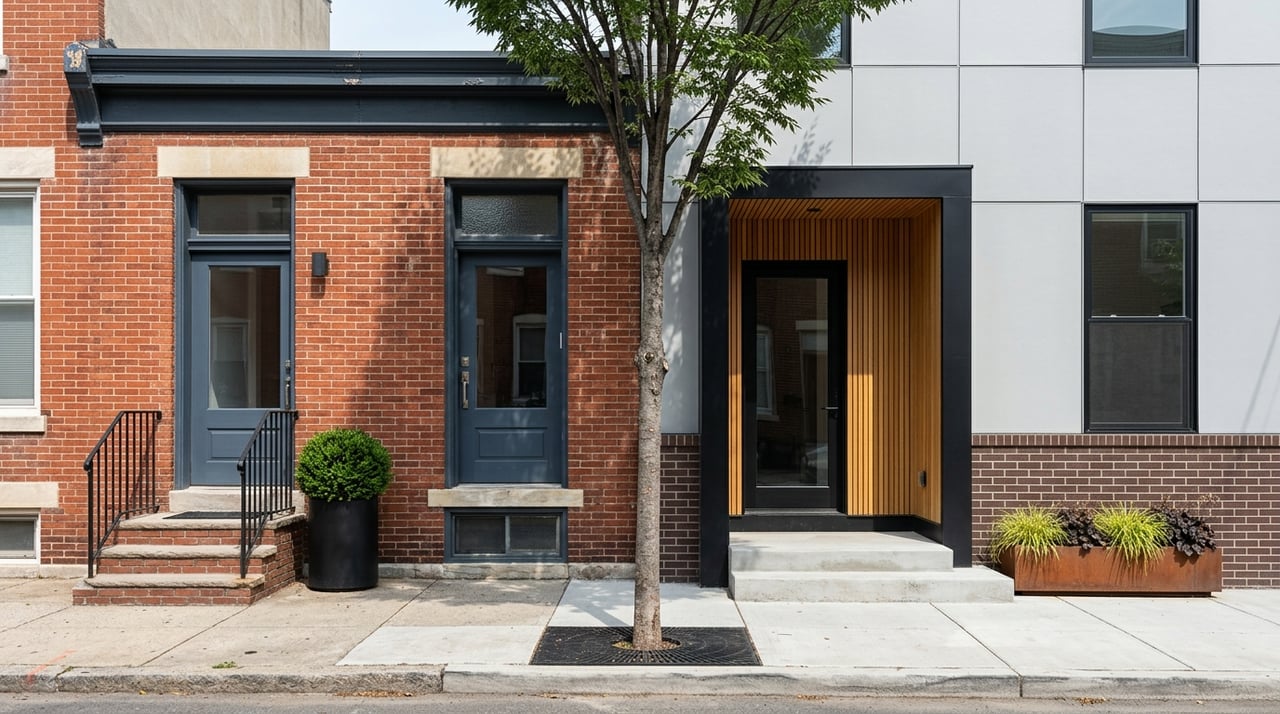
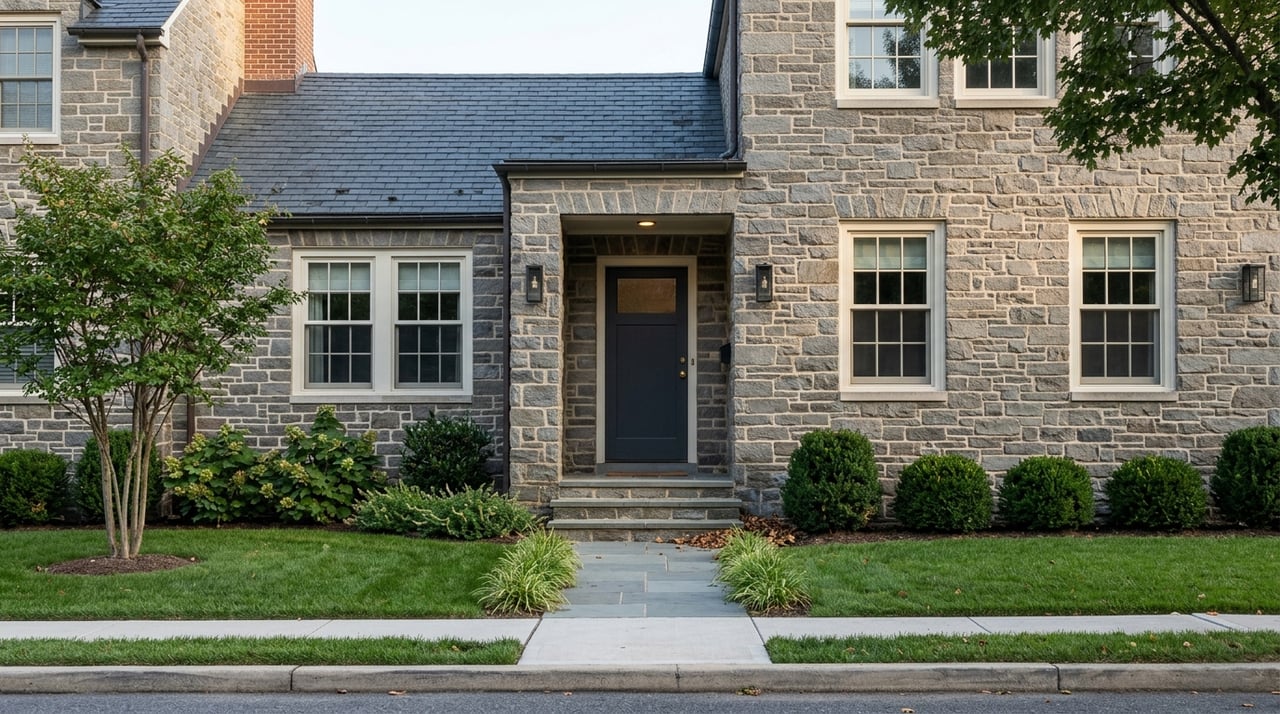
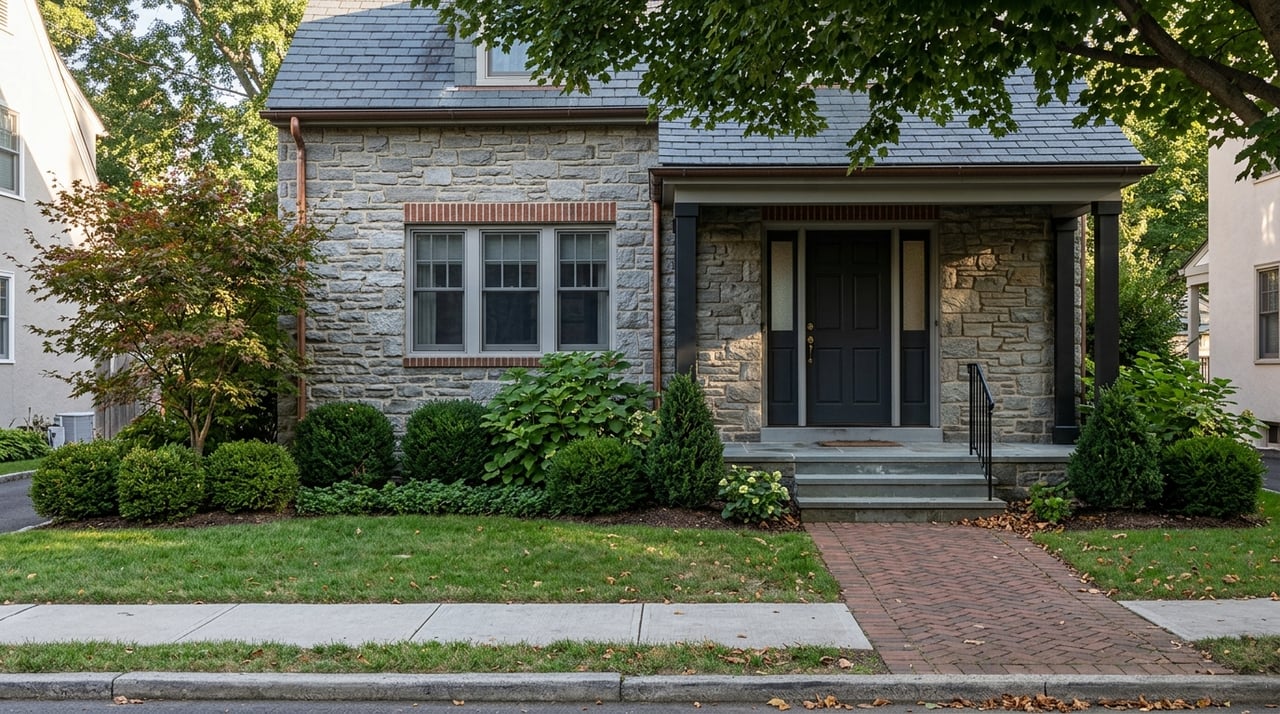
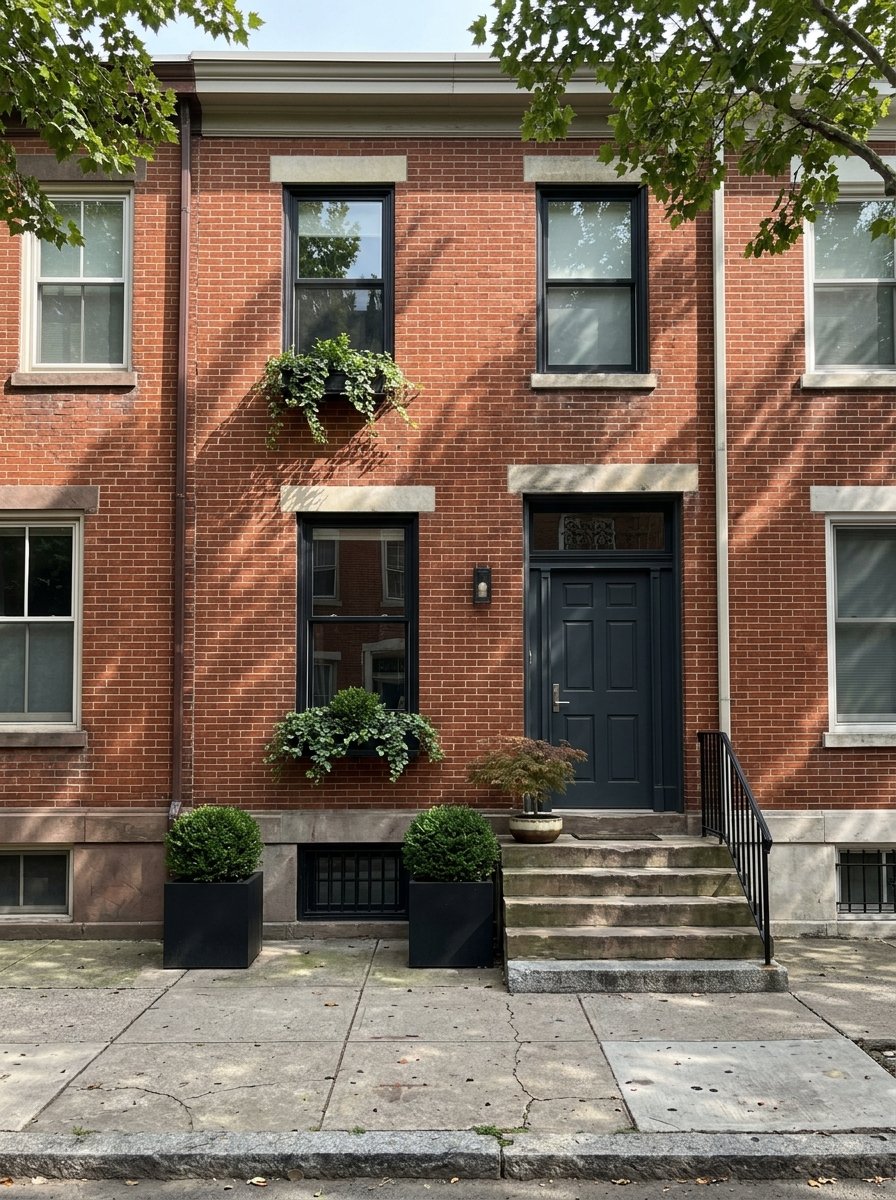
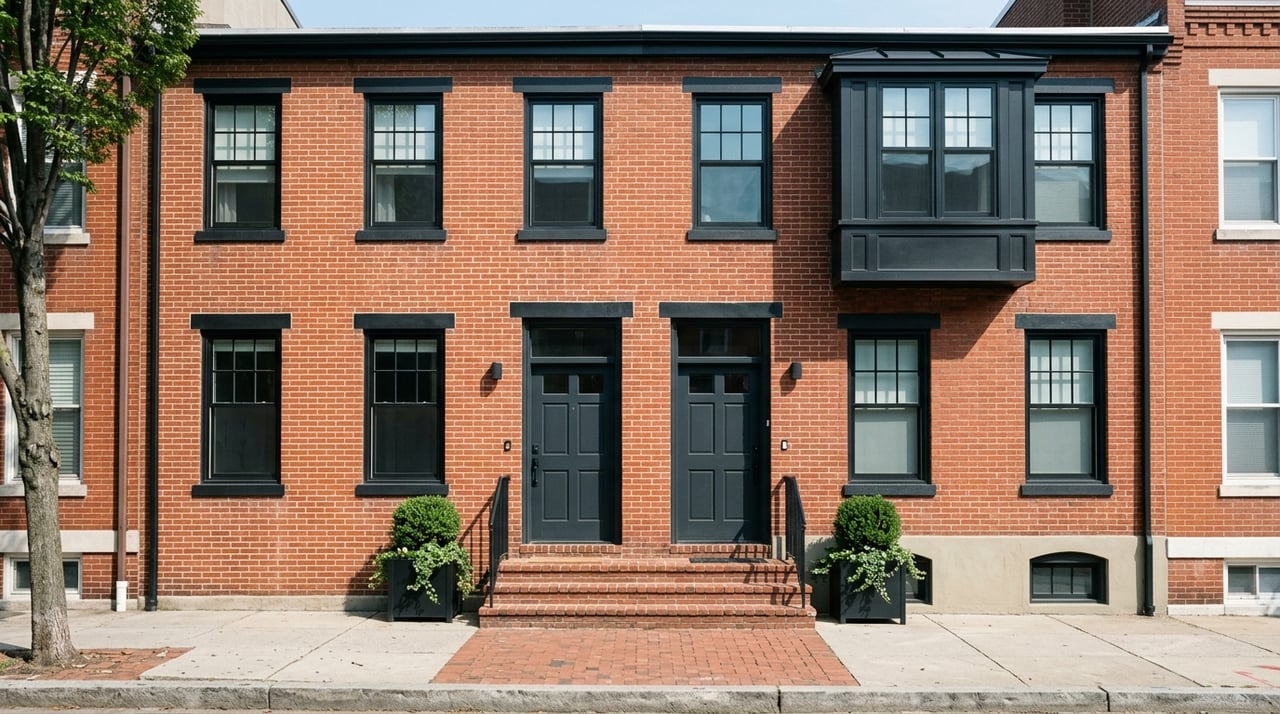
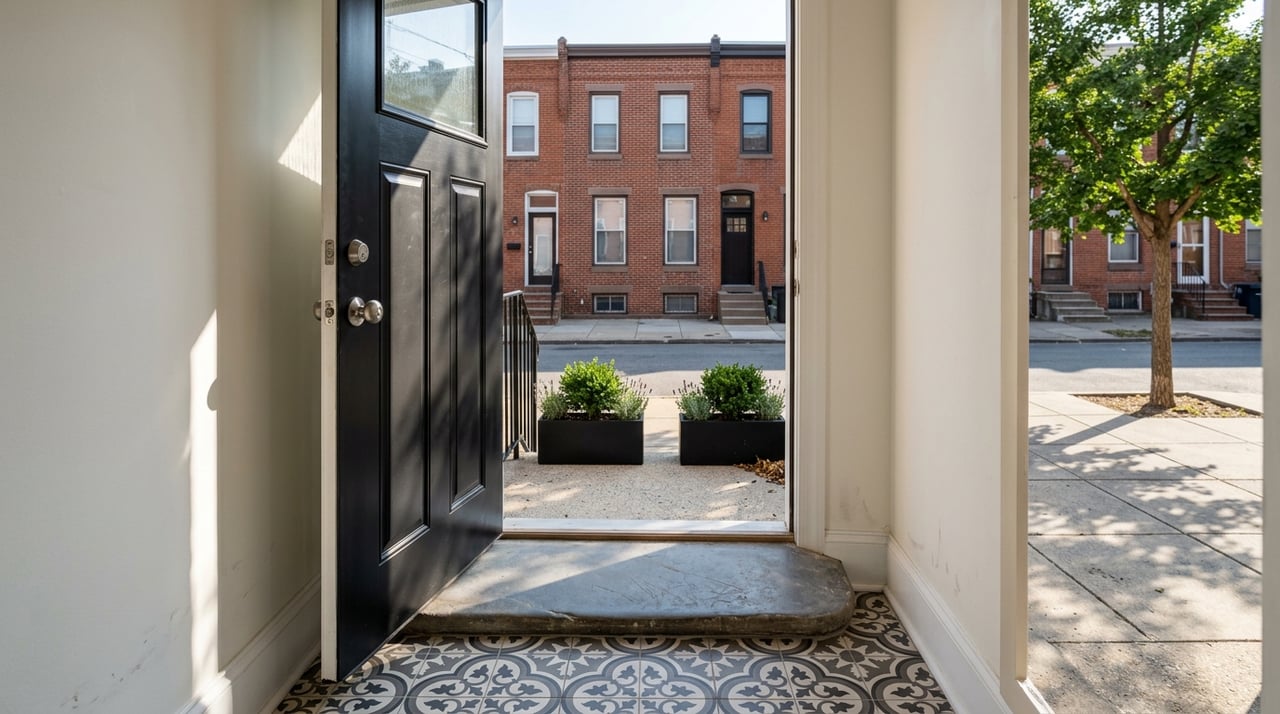
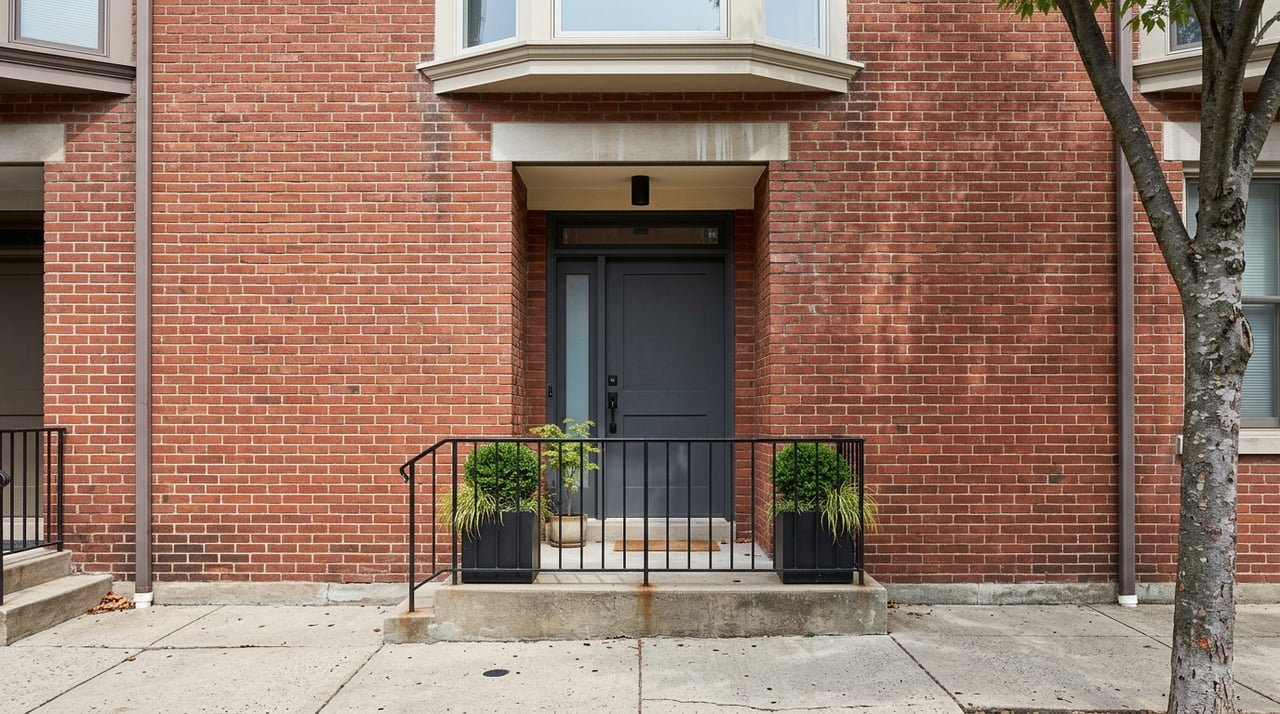
If you still want a true house, Society Hill’s rowhouses and smaller townhomes are usually the most natural fit. You get direct ownership, historic character, and a more private living setup than you would in a condo building. For some buyers, that control is the whole point of downsizing.
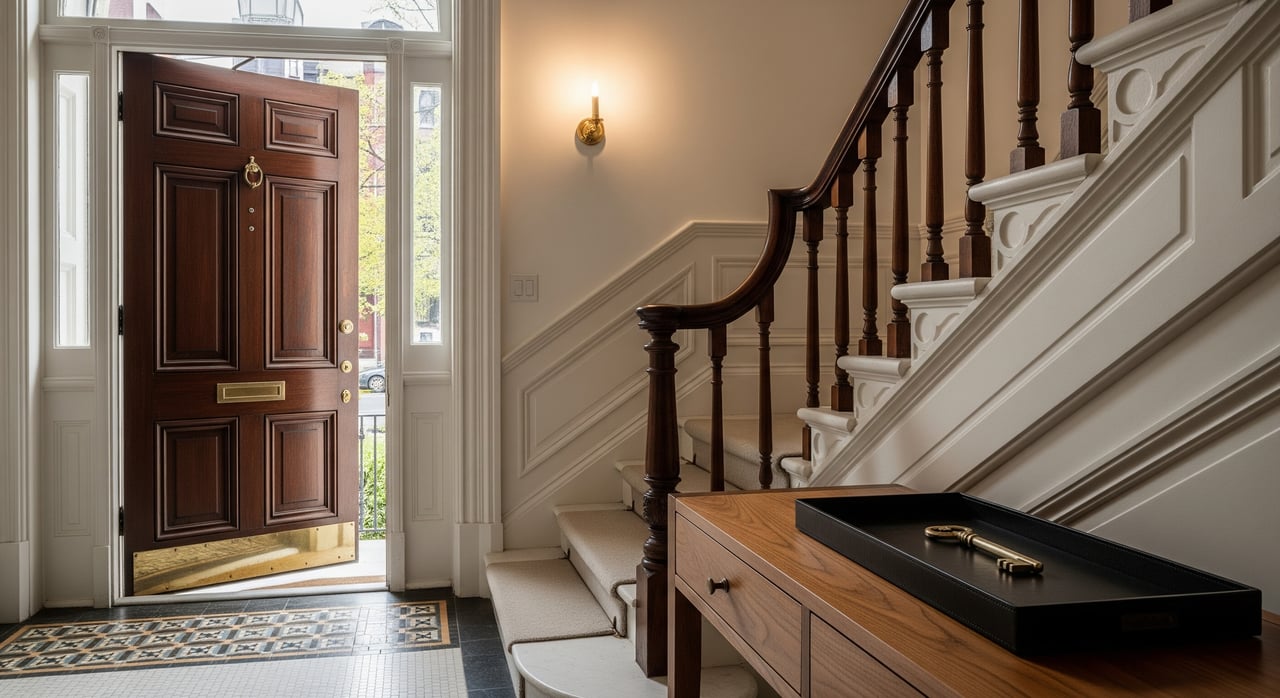
You may also prefer the feel of a traditional Philadelphia home. Many buyers are willing to accept a smaller footprint if it means keeping a front door, distinct floors, and the charm that comes with historic architecture. In Society Hill, that character is a major part of the appeal.
The tradeoffs to expect
The biggest tradeoff is responsibility. With a rowhouse or townhome, you are generally managing more of the building yourself, and that can include upkeep decisions, repair timing, and ongoing maintenance costs. If your goal is to simplify life as much as possible, that extra responsibility deserves serious thought.
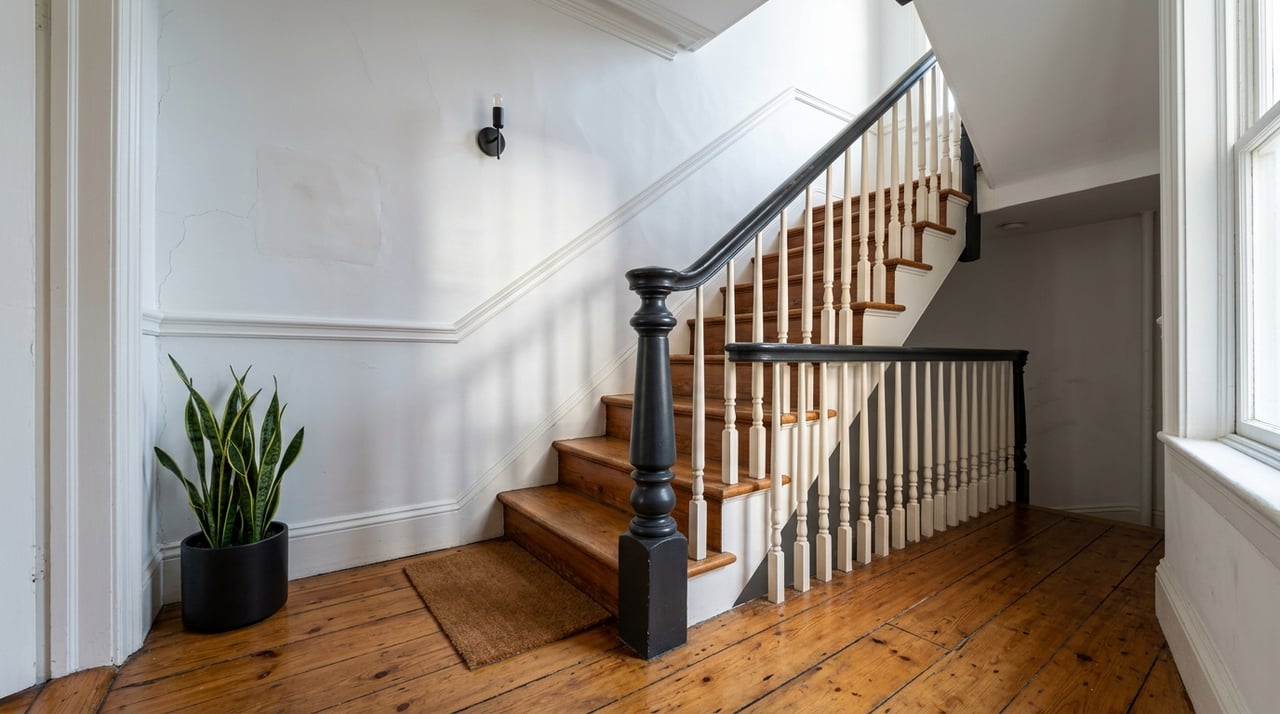
Layout can also be a challenge. Many traditional homes involve stairs, and for some downsizers that becomes less practical over time. If aging in place is part of your plan, you will want to look closely at bedroom placement, bathroom access, and whether daily living can happen comfortably on one level.
Condos and Elevator Buildings in Society Hill
Why condos appeal to downsizers
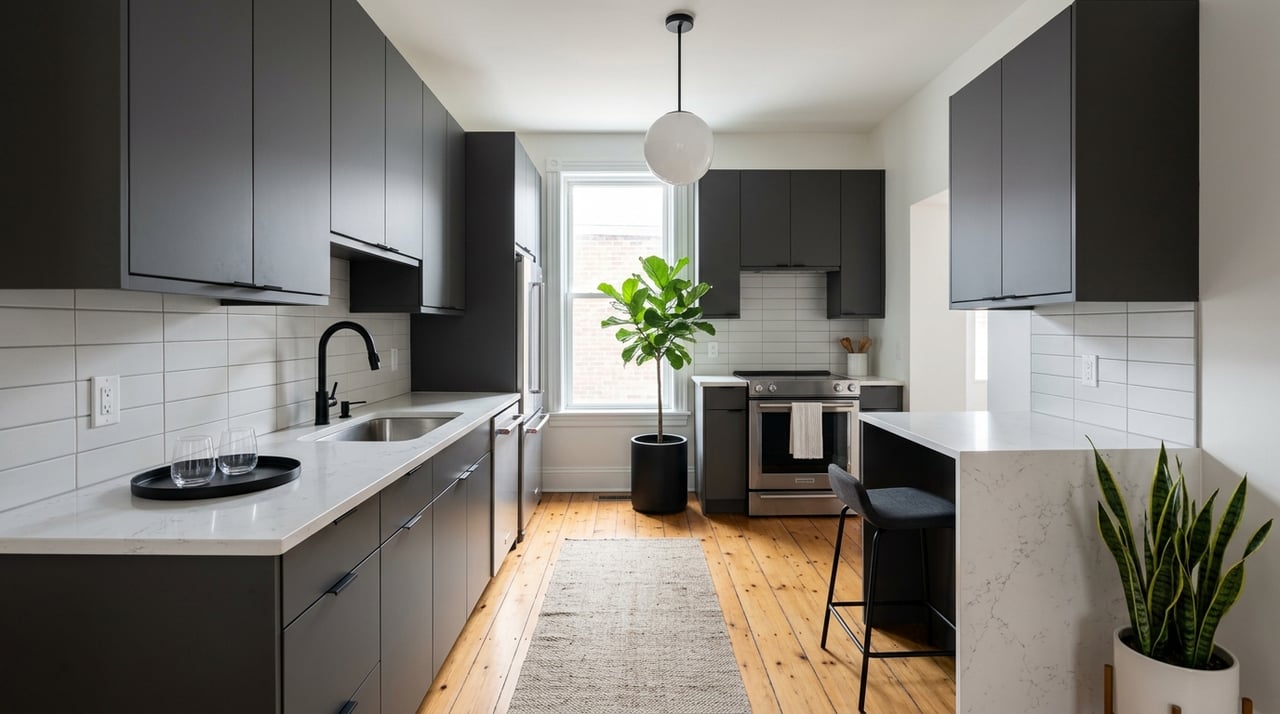
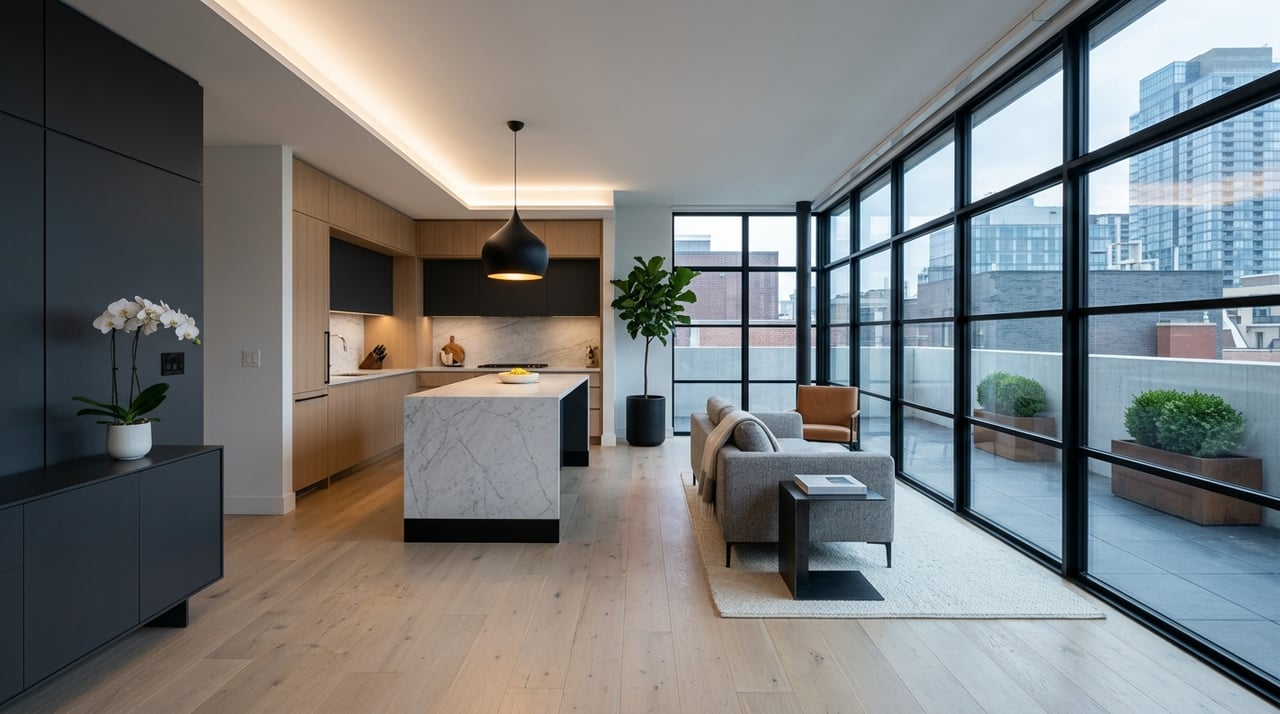
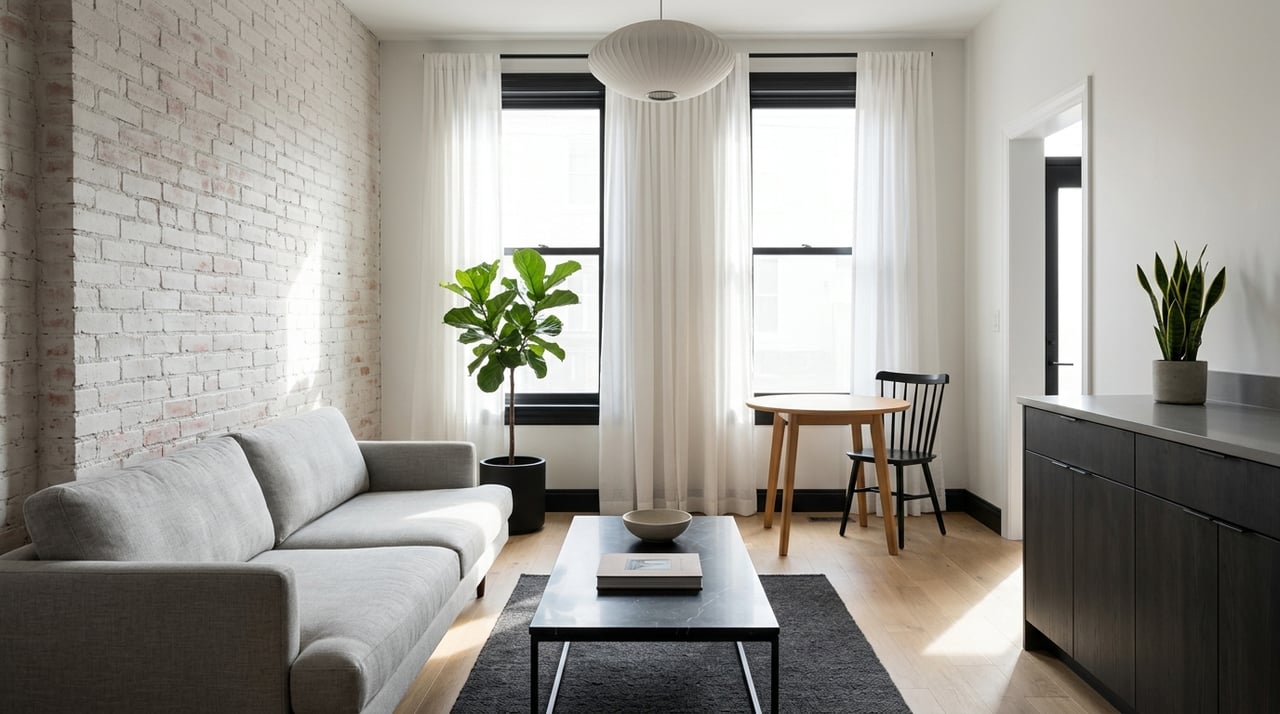
For many buyers, condos and apartment-style buildings are Society Hill’s clearest low-maintenance option. Shared systems and association-managed common areas can reduce the number of day-to-day tasks on your plate. If you want to lock the door and travel, or simply spend less time managing a property, that can be a major advantage.
Elevator access is another key benefit. If stairs are becoming less appealing, an elevator building may offer a more comfortable long-term fit. In a neighborhood like Society Hill, that practical convenience can matter just as much as the unit itself.
The tradeoffs behind the convenience
The main tradeoff is that convenience usually comes with monthly dues and shared decision-making. Condo or HOA fees are typically separate from your mortgage, and they can range from a few hundred dollars a month to more than $1,000 a month. That means the lowest purchase price does not always equal the lowest monthly cost.
You also depend on the association’s budget, reserves, and planning. If the building is not well funded, owners may face special assessments or future cost increases. A lower-maintenance lifestyle can be attractive, but only if the building’s financial picture is healthy.
Historic District Rules Matter
Society Hill’s status as a local historic district is important for downsizers to understand before buying. In Philadelphia, the Historical Commission must approve work that requires a building permit or changes exterior features on designated properties. Its role is to manage change, not prevent it, and it does not regulate property use.
That distinction matters. If you are mainly focused on interior living, the rules may feel manageable. But if you expect to make exterior changes after closing, it is smart to ask those questions early because review can add time to your plans.
The city also states that historic designation is not a factor in property assessment. In other words, designation by itself does not raise real estate taxes. That can be reassuring if you love the character of Society Hill but worry about surprise tax consequences from the designation alone.
Compare Monthly Costs the Right Way
One of the most common downsizing mistakes is comparing homes by mortgage payment alone. In Society Hill, that approach can lead you in the wrong direction because taxes, insurance, utilities, maintenance, and condo dues can shift the picture quickly. The better question is what your full monthly carrying cost will look like.
Philadelphia’s current real estate tax rate is 1.3998% of assessed value. The city’s Homestead Exemption reduces the taxable portion of a primary residence by $100,000, and the city says most homeowners save up to $1,399 a year starting in 2025. For a property assessed at $800,000, that works out to about $933 a month before Homestead and about $817 a month after Homestead.
For a property assessed at $600,000, the tax would be about $700 a month before Homestead and about $583 a month after Homestead. Those examples show why tax modeling should happen before you decide a home feels affordable. A condo with dues and a lower repair burden may compete closely with a rowhouse that has lower monthly fees but higher owner responsibility.
Tax relief programs to review
If you will occupy the home and are budgeting carefully, Philadelphia also offers programs worth reviewing:
- Homestead Exemption
- Senior citizen freeze
- Low-income freeze
- LOOP
- Installment plans
The city says the low-income freeze can be combined with Homestead, and LOOP is currently accepting 2026 applications. For a downsizer on a fixed income, these programs can materially change your comfort level month to month.
Don’t Forget Transfer Tax
If your move includes a Philadelphia property transfer, realty transfer tax should be part of the planning conversation early. Philadelphia’s rate is 4.578% of the sale price or assessed value plus assumed debt. The city says the tax is usually split between buyer and seller, though that split is negotiable and not legally required.
On an $800,000 transfer, the total tax would be about $36,624 before any negotiated split. That is a meaningful number, especially if you are selling one property and buying another. For many downsizers, the move feels better when those transaction costs are mapped out in advance instead of treated as an afterthought.
How to Choose the Right Fit
The best downsizing move in Society Hill is usually the one that lines up with your daily routine, not just your budget target. A historic rowhouse may be the right answer if you want direct ownership, privacy, and architectural character. A condo may be the better fit if you want less maintenance, easier accessibility, and more predictable building management.
As you compare options, focus on these practical filters:
- How many stairs will you use every day?
- How much maintenance do you want to handle yourself?
- Are monthly condo dues worth the convenience?
- Do you expect to renovate, especially on the exterior?
- What will your full monthly cost look like after taxes, insurance, utilities, and fees?
In Society Hill, there is rarely a perfect option with no tradeoffs. But there is often a clearly better option once you match the property type to the lifestyle you want next.
If you are weighing a move to Society Hill, the smartest next step is to compare a few housing types side by side with real numbers and a clear plan for how you want to live. That kind of local, property-by-property guidance can make the difference between a move that only looks good on paper and one that feels right long term. When you’re ready to talk through your options, connect with Connor Gorman.
FAQs
What makes Society Hill in Philadelphia appealing for downsizers?
- Society Hill offers a walkable Center City location, mature streetscapes, pocket parks, and a mix of historic rowhouses and condo buildings that can support lower-maintenance city living.
What is the main difference between Society Hill townhomes and condos?
- Townhomes and rowhouses usually offer direct ownership and historic character but require more owner responsibility, while condos often reduce day-to-day maintenance but add monthly dues and shared building decision-making.
Do Society Hill historic district rules affect exterior renovations?
- Yes. In Philadelphia, the Historical Commission must approve work on designated properties that requires a building permit or changes exterior features.
How should buyers compare monthly costs in Society Hill?
- You should look beyond the mortgage and include property taxes, insurance, utilities, maintenance, and any condo or HOA dues when evaluating affordability.
What is Philadelphia’s real estate tax rate for Society Hill homes?
- Philadelphia’s current real estate tax rate is 1.3998% of assessed value, and eligible primary residents may reduce taxable value through the Homestead Exemption.
What is the Philadelphia transfer tax when buying or selling in Society Hill?
- Philadelphia’s realty transfer tax is 4.578% of the sale price or assessed value plus assumed debt, and it is usually split between buyer and seller unless negotiated differently.